
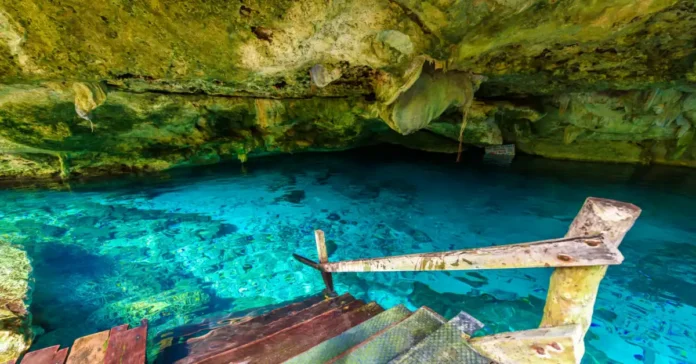
Picture a bustling ancient metropolis where every temple wall, royal tomb, and ceramic bowl glows with a vivid, blood-red pigment. To the Classic Maya, that bright crimson symbolized sacred life force, yet it was quietly poisoning their drinking water and dinner plates. Groundbreaking sediment core research published in Science Advances in November 2026 just revealed that ancient Maya mercury pollution turned vital Yucatán lakes into toxic dead zones for centuries.
The Sacred Obsession With Blood-Red Paint
Why did an advanced civilization slather heavy metals across their cities? For the ancient Maya, color carried deep spiritual weight. Red represented blood, sunrise, renewal, and elite power.
To get the richest crimson possible, Maya artisans imported cinnabar — a bright red mineral made of mercury sulfide (). Because cinnabar doesn’t naturally occur in the limestone bedrock of the Yucatán Peninsula, merchants hauled it across massive trade networks from volcanic highlands in Guatemala and central Mexico alongside jade and obsidian.
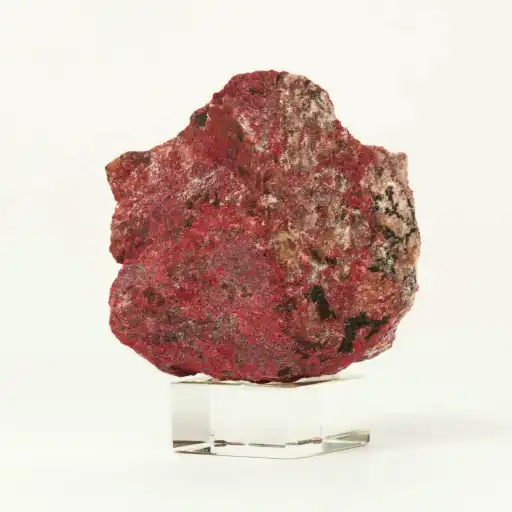
Once that pigment arrived in the lowlands, elite Maya communities used it everywhere:
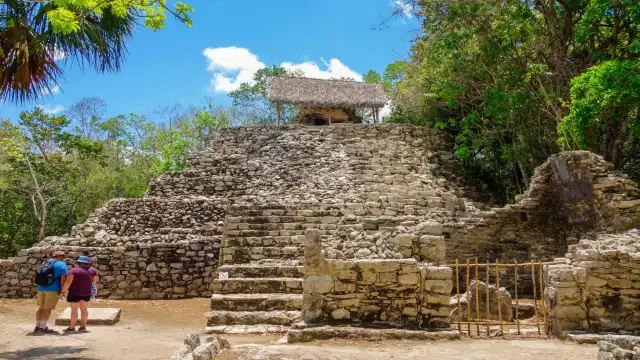
- Architecture: Priests coated towering limestone pyramids and stucco plazas in thick layers of crimson plaster.
- Burials: Royal mourners packed elite tombs with powdered cinnabar to coat the bones of dead kings and queens.
- Daily & Ritual Objects: Potters painted polychrome bowls, jade masks, and ceremonial blades with mercury-laced mixtures.
Nobody back then had a periodic table or a toxicology lab. Rainwater naturally washed over painted plazas, eroded soil carried dust downhill, and runoff funneled straight into the local lakes and sinkholes where people drew their daily water.
Paleolimnology: Reading 2,000 Years of Lake Mud
How do scientists prove a lake was poisoned 1,500 years ago? They use paleolimnology — the study of ancient inland waters through layered mud at the bottom of lakes. Every year, silt, pollen, dead bugs, and chemical runoff settle onto the lakebed, stacking up like pages in a history book.
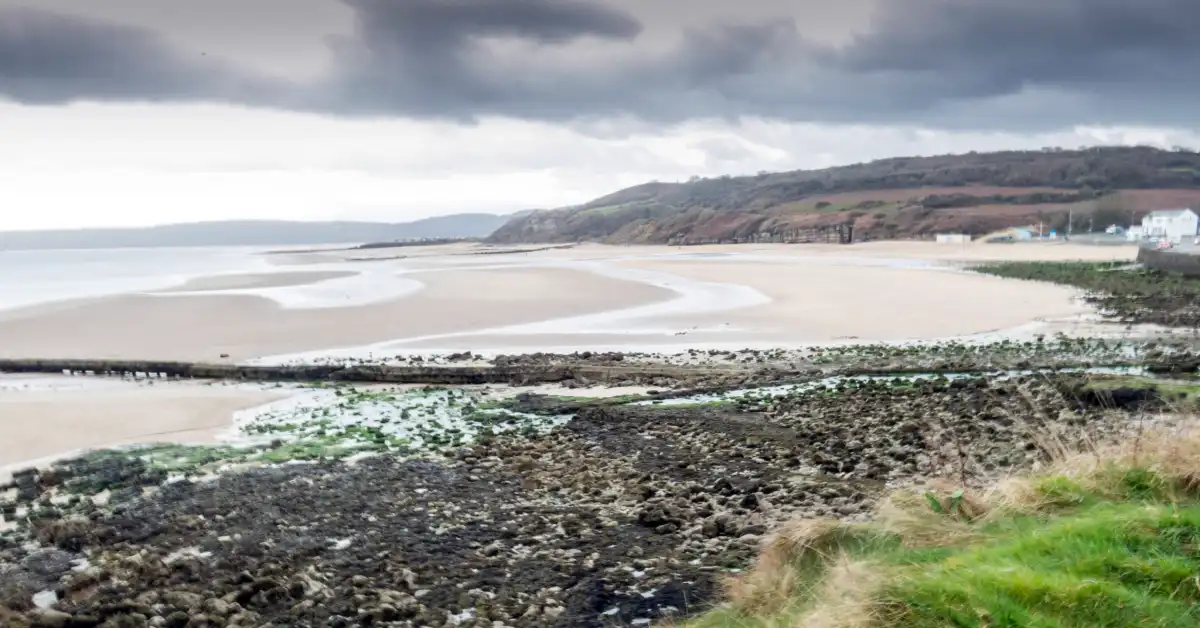
In the November 2026 study, Auburn University environmental scientist Matthew Waters and Savanna Wooten of the Jones Center at Ichauway pulled deep sediment cores from two water bodies on Mexico’s Yucatán Peninsula: Lago Cobá and Cenote Xcach (pronounced sh-kash). They compared those cores against two remote “control” lakes — Lago Chichancanab and Cenote Polol — that sat far away from major urban centers.
The lab results shocked the research team. While the remote control lakes showed normal, near-zero background traces of mercury, the mud beneath Cobá and Xcach was off the charts.
| Water Body | Peak Pollution Window | Key Findings in Sediment Core |
| Lago Cobá | A.D. 250 – A.D. 400 (spikes starting A.D. 40) | Mercury hit 2.3 parts per million — far above modern toxic thresholds — before dropping around A.D. 520. |
| Cenote Xcach | Three waves, peaking A.D. 535 – A.D. 820 | Severe, recurring surges lasting straight through the Terminal Classic period. |
| Control Lakes | Steady across millennia | Baseline natural trace levels with healthy, uninterrupted aquatic ecosystems. |
“The mercury data was crazy,” Waters noted in the study announcement. “Modern toxicology and pollution regulations were far exceeded at the most toxic levels for centuries around Cobá and Xcach.”
How Paint Dust Turns Into Brain-Damaging Methylmercury
You might wonder: if cinnabar is a solid mineral rock, why didn’t it just sit harmlessly at the bottom of the lake like gravel? Here is where water chemistry turns nasty.
When heavy rainfall washed cinnabar dust and liquid mercury into Lago Cobá and Cenote Xcach, the heavy particles sank into the deep, oxygen-starved mud at the bottom. In these anaerobic (oxygen-free) environments, sulfate-reducing bacteria wake up and go to work.
- Bacterial Ingestion: Microscopic anaerobic bacteria absorb inorganic mercury particles trapped in the oxygen-poor lakebed silt.
- Chemical Transformation: Inside the microbes’ cells, enzymes attach a carbon-hydrogen group to the mercury atom, converting it into methylmercury ().
- Bioaccumulation: Unlike raw cinnabar dust, methylmercury dissolves easily in water and binds tightly to living tissue. Tiny algae absorb it, small bugs eat the algae, fish eat the bugs, and mercury concentrates at higher, deadlier levels up every rung of the food chain.
Researchers proved this exact food-web crash happened in ancient Mexico. By tracking ancient biological markers inside the mud cores, the team watched populations of beneficial bacteria, algae, tiny shelled creatures, and insect midges plummet or vanish completely whenever mercury levels spiked. The lakes didn’t just get dirty; their entire biological engines broke down.
Did the Maya Know Their Water Was Turning Toxic?
Imagine walking down to your neighborhood lake for morning water and noticing the surface looks weirdly discolored, cloudy, and eerily empty of fish. Even without modern chemistry, Maya residents living near Cobá and Xcach would have seen obvious red flags.
Waters pointed out that locals likely witnessed strange color shifts in the water alongside a sharp drop in fish and shellfish catches — a vital protein source for inland cities. Yet they never connected their sacred red paint to the dying lakes.
This creates what researchers call the Maya engineering paradox. In cities like Ucanal and Tikal, Maya engineers built brilliant, rock-lined filtration channels and shaded reservoirs that successfully blocked visible threats like sewage and toxic blue-green algae. Because dissolved methylmercury is completely invisible, odorless, and tasteless, their sophisticated water systems couldn’t filter it out.
What Chronic Exposure Did to Human Health
When people drink methylmercury-tainted water and eat contaminated freshwater fish year after year, the neurotoxin builds up inside human organs. Chronic mercury poisoning triggers devastating symptoms:
- Neurological Damage: Tremors, memory loss, mood swings, tunnel vision, and slurred speech.
- Organ Failure: Severe, irreversible stress on the kidneys, heart, and lungs.
- Developmental Harm: Even low-level exposure damages fetal brain development, causing lifelong cognitive impairment in children.
Archaeological bone tests from other Maya sites like Palenque and Tikal have already confirmed high mercury levels inside elite skeletons — not surprising, since rulers spent the most time inside freshly painted temples and handled sacred pigments during rituals.
Evaluating the Classic Maya Collapse: Poison vs Megadrought
Did Maya cinnabar water contamination single-handedly wipe out the Classic Maya civilization? Let’s pump the brakes before rewriting every history textbook.
Scientists are crystal clear on this point: mercury pollution did not cause the Classic Maya collapse on its own. Cities like Cobá actually survived long after their A.D. 250–400 mercury spike subsided, continuing to thrive until Spanish contact centuries later.
Instead, paleolimnologists view toxic water as a relentless, invisible multiplier that stacked on top of existing crises:
- Severe Megadroughts: Between A.D. 800 and 1000, brutal multi-decade droughts dried up rainfall across the Yucatán lowlands, slashing crop yields and draining open reservoirs.
- Deforestation and Soil Erosion: Clearing massive tracts of jungle for maize farming and limestone plaster production stripped away topsoil, accelerating the exact runoff that washed cinnabar into lakes.
- Political Warfare: Resource scarcity fueled endless wars between rival city-states, fracturing trade routes and toppling royal dynasties.
Think of a civilization trying to survive a historic drought while its remaining shrinking lakes are loaded with neurotoxins that kill off fish protein and impair human judgment. As study co-author Savanna Wooten explained, mercury was one more punishing environmental stressor squeezing communities already pushed to the brink.
A Widespread Legacy Across Mesoamerica
Cobá and Xcach aren’t isolated flukes. A landmark 2022 environmental review found that 7 out of 10 major Maya archaeological sites tested — including Tikal, Copán, Chunchucmil, and Marco Gonzalez — contained soil or sediment with mercury concentrations exceeding modern toxicity benchmarks.
Even today, archaeologists excavating sealed Maya tombs and painted plazas wear protective masks and gloves because that 1,500-year-old red dust remains hazardous to breathe. The ancient Maya crafted breathtaking monuments to honor their gods and ancestors, never realizing the very color of life they prized was quietly poisoning the waters keeping them alive.

