
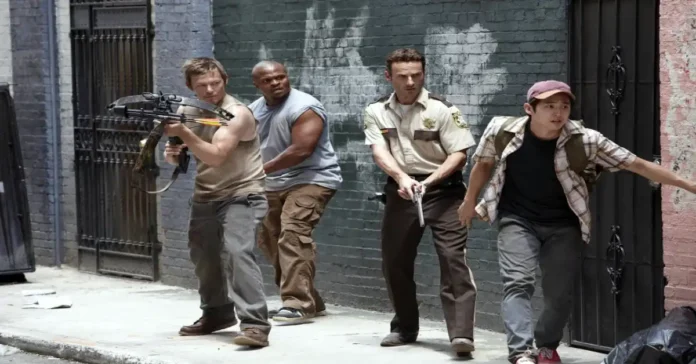
On Halloween night in 2010, a comatose sheriff’s deputy woke up in an abandoned Georgia hospital and walked into television history. Critics thought a gory comic book adaptation about flesh-eating corpses would be a niche cult hit at best. Instead, The Walking Dead became a global ratings juggernaut that rewrote the rulebook for cable networks, special effects crews, and Hollywood franchise builders.
Giving one show credit for every shift in modern entertainment is lazy history. Several trends — like prestige cable dramas and comic book movies — were already picking up steam before Rick Grimes ever saddled up his horse. To understand The Walking Dead TV legacy, you have to separate the waves the show merely rode from the earthquakes it actually caused.
Quick breakdown
| Industry Area | Trend Already Developing Before 2010 | How The Walking Dead Changed the Game |
| Basic Cable Ratings | Mad Men and Breaking Bad won Emmys with small, upscale audiences. | Proved basic cable could beat broadcast networks and NFL football in total viewers. |
| Fan Engagement | Viewers debated episodes of Lost on web forums and podcasts. | Turned post-episode grief into a live, televised talk show format (Talking Dead). |
| Special Effects | Movie-grade gore existed in theaters and short HBO war miniseries. | Built a weekly television factory line for custom silicone and foam prosthetics. |
| Season Pacing | Cable networks occasionally split seasons to fill winter scheduling gaps. | Weaponized the “midseason finale” cliffhanger into four annual ratings events. |
| Comic Adaptations | Marvel and DC superhero blockbusters ruled the box office. | Triggered a Hollywood gold rush for creator-owned, non-superhero indie comics. |
| Franchise Models | Traditional spinoffs launched new casts in separate cities (CSI, Law & Order). | Pioneered breaking an existing ensemble cast into location-based “boutique sequels.” |
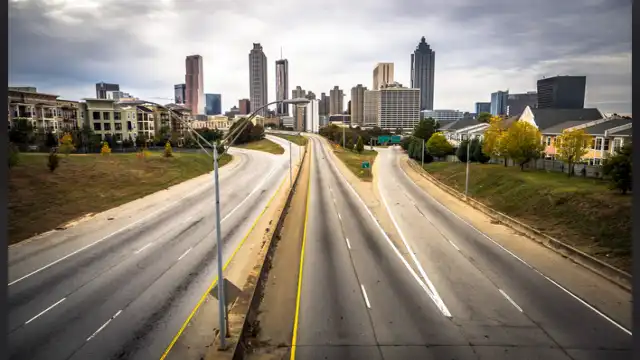
1. Basic cable beat broadcast networks at their own game
Back in 2009, television had a strict caste system. If you wanted critical acclaim and shiny awards, you went to HBO or AMC. If you wanted 15 million people to watch your show at the exact same time, you needed a major broadcast network like CBS, NBC, ABC, or Fox.
AMC already had trophy magnets in Mad Men and Breaking Bad. Have you ever looked at their early ratings, though? During its first three seasons, Breaking Bad averaged fewer than 2 million live viewers per episode. Basic cable — meaning channels bundled into standard cable packages supported by commercials — was supposed to be a boutique business.
Then the walkers showed up. According to AMC’s official ratings release, the Season 1 finale on December 5, 2010, pulled in 6 million total viewers and 4 million adults in the 18–49 demographic. That 18–49 age bracket is the holy grail of television because advertisers pay top dollar to reach younger spenders.
By the time the Season 5 premiere (“No Sanctuary”) aired on October 12, 2014, live viewership hit a staggering 17.29 million people. A basic cable horror drama wasn’t just beating CSI and Grey’s Anatomy; it was regularly beating NBC’s Sunday Night Football among young adults.
- What was already happening: Cable channels were already stealing prestige and Emmy nominations from broadcast networks.
- What the show changed: It shattered the ceiling on basic cable ad rates, proving viewers would find a channel in the upper numbers of their cable guide if the event felt unmissable.
2. The live aftershow became a network retention strategy
Picture this: you just watched your favorite character get torn apart in a revolving door at 9:58 PM on a Sunday. Your heart is pounding. You cannot just roll over and go to sleep.
Before 2011, networks let that emotional energy leak onto Twitter, Reddit, and fan podcasts. AMC executives asked a smarter question: Why let fans leave the channel when they are most worked up?
On October 16, 2011, AMC launched Talking Dead, a live aftershow hosted by Chris Hardwick. Airing immediately after the main broadcast, it functioned like a televised group therapy session mixed with a sports post-game show. Cast members whose characters had just been killed walked onto the couch to hug fans, watch an “In Memoriam” montage, and break down behind-the-scenes gore.
Talking Dead wasn’t cheap filler. At its peak, the talk show pulled in 5 to 7 million viewers of its own — outdrawing almost every other scripted show on cable — and earned consecutive Primetime Emmy nominations for Outstanding Interactive Program. Soon, every network wanted a piece of that retention pie, spawning Talking Bad, HBO’s After the Thrones, and the post-episode featurettes now baked into streaming apps like Max and Peacock.
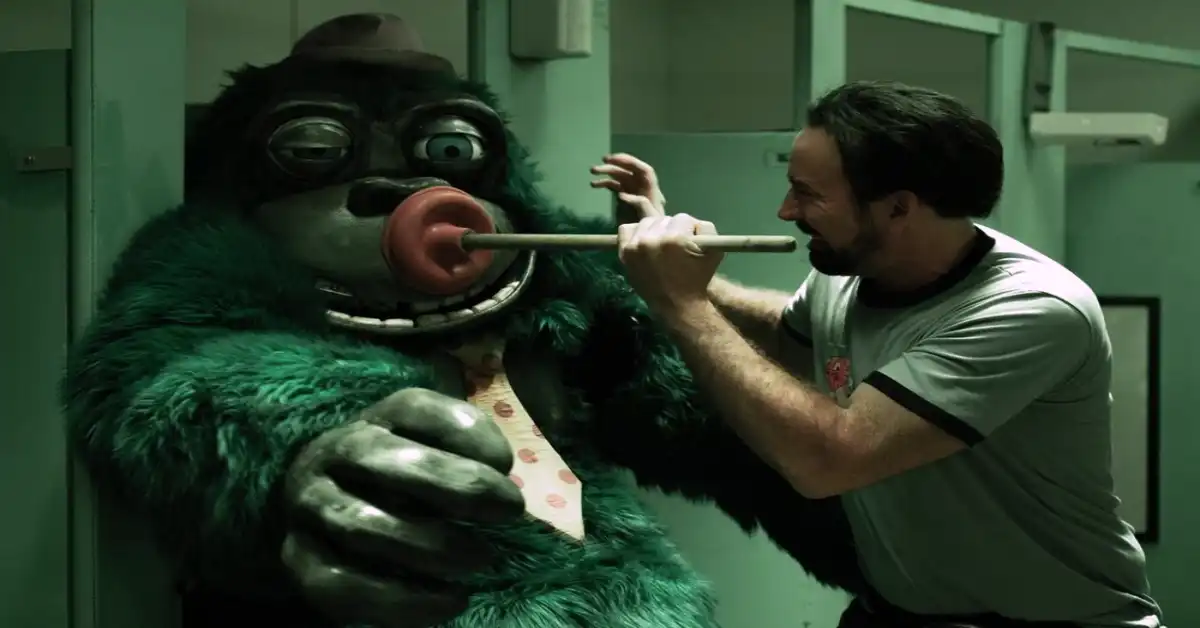
3. Practical special effects scaled into a weekly TV factory
Television schedules are brutal. Most one-hour dramas film a single episode in eight days, which is why older zombie TV shows and monster series leaned on rubber masks, dim lighting, or cheap computer-generated blood.
Original showrunner Frank Darabont refused to fake the apocalypse. He hired special effects maestro Greg Nicotero — who learned his craft directly from zombie godfather George A. Romero and effects legend Tom Savini on 1985’s Day of the Dead — to run the makeup department through his company, KNB EFX Group.
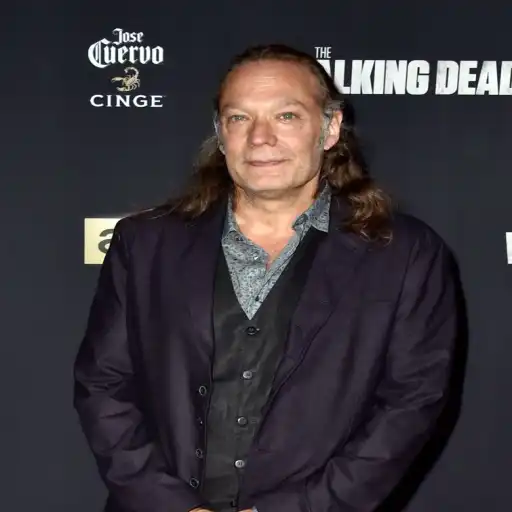
Nicotero and his team engineered a factory-line approach to Hollywood prosthetics (custom-molded silicone and foam rubber pieces glued to an actor’s skin). They didn’t just slap gray paint on extras. Every season, the walkers decayed further — going from fresh, pale corpses in Season 1 to sun-baked, skeletal nightmares with exposed ribcages by Season 8.
How do you put 150 extras through makeup chairs in three hours before sunrise? You invent a tiered system:
- Hero Walkers: Featured zombies up close to the camera got full multi-piece silicone facial appliances, custom contact lenses, and dentures.
- Mid-Ground Walkers: Extras ten feet back wore slip-on foam latex masks blended at the neck and wrists with airbrushed rotting tones.
- Background Herd: Performers way in the back wore breathable mask pulls paired with tattered clothing, trained at Nicotero’s mandatory “Zombie School” so every single extra shambled with the exact same limp, dead-weight posture.
That relentless craft earned the crew multiple wins at the Primetime Creative Arts Emmy Awards for Outstanding Prosthetic Makeup. More importantly, it raised audience expectations. When you watch the practical Vecna suit in Stranger Things or the fungal Clickers in HBO’s The Last of Us, you are looking at a production standard The Walking Dead proved could work on a television budget.
4. Horror graduated from monster of the week to decade long soap opera
Think about horror on television before 2010. Shows like The X-Files, Buffy the Vampire Slayer, and Supernatural followed a procedural rhythm: a new monster showed up on Tuesday, and the heroes defeated it before the credits rolled. Anthology shows like Tales from the Crypt told self-contained 30-minute spooky stories.
The Walking Dead flipped the genre inside out. Walkers weren’t the plot; walkers were the weather.
By treating the undead like a permanent environmental hazard — no different than a hurricane that never stops blowing — the writers turned a splatter premise into a slow-burn family drama. Viewers didn’t tune in for 11 seasons and 177 episodes just to see heads get poked with knives. People tuned in to see if Daryl Dixon would ever open up emotionally, whether Carol Peletier could hold onto her soul after making ruthless choices, and how strangers build a functioning government from scratch.
- What was already happening: Lost had already proved audiences loved survival mysteries with huge ensemble casts, and True Blood showed vampires could drive serialized cable drama.
- What the show changed: It proved bleak, unglamorous survival horror — without sexy vampires or network television safety nets — could sustain a decade-long domestic soap opera. Without that proof of concept, pitch meetings for Yellowjackets, From, and The Haunting of Hill House would have been much tougher sells.
5. The “Midseason Finale” became a standard scheduling weapon
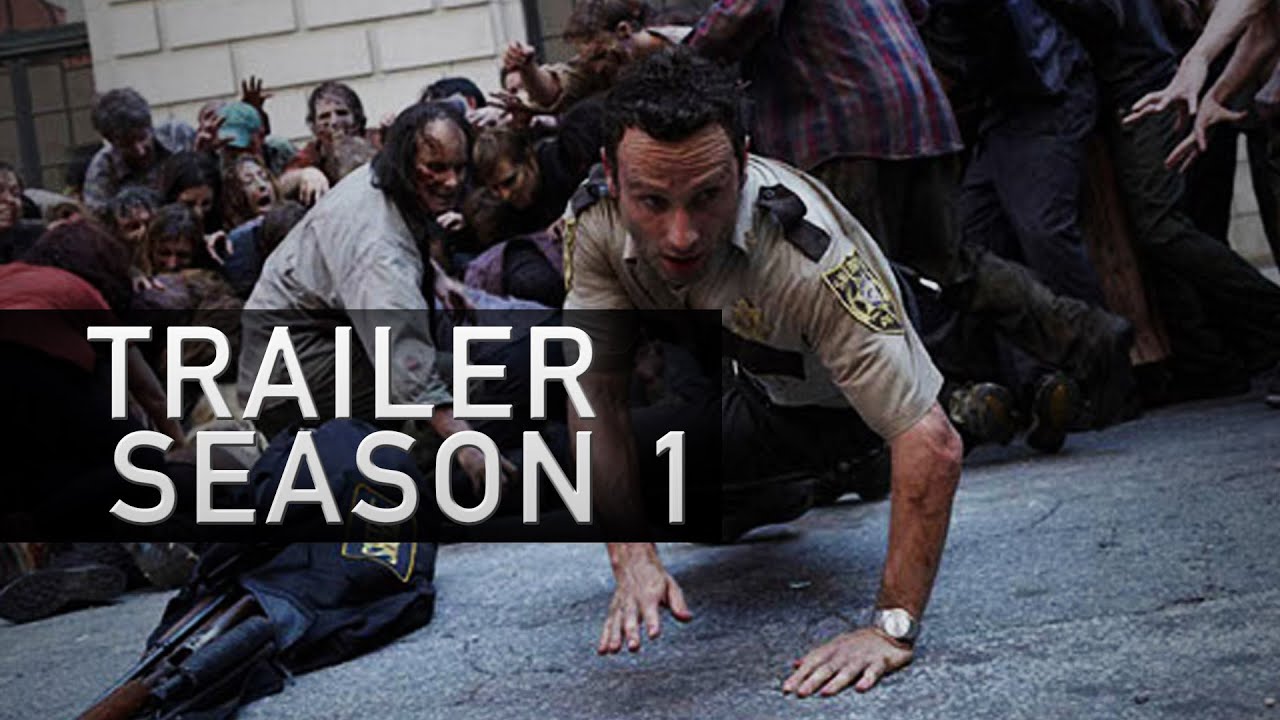
Remember when TV seasons started in September and ran straight through May with random reruns sprinkled in? Cable networks hated reruns because viewers tuned out, yet they couldn’t afford to produce 24 episodes a year like broadcast networks.
Starting in Season 2, AMC perfected a scheduling trick that changed how shows are written and marketed: the split-season model. Instead of airing 16 episodes in a row, the network broke the season into two eight-episode blocks — one starting in October, and the second returning in February after a two-month winter hiatus.
Other cable channels like USA Network had split seasons before to spread out their budgets, but The Walking Dead turned the split into a narrative sledgehammer. Writers structured Episode 8 like a full season finale. When Shane broke open Hershel’s barn in Season 2’s midseason cliffhanger (“Pretty Much Dead Already”), it created a massive pop-culture explosion right before Thanksgiving.
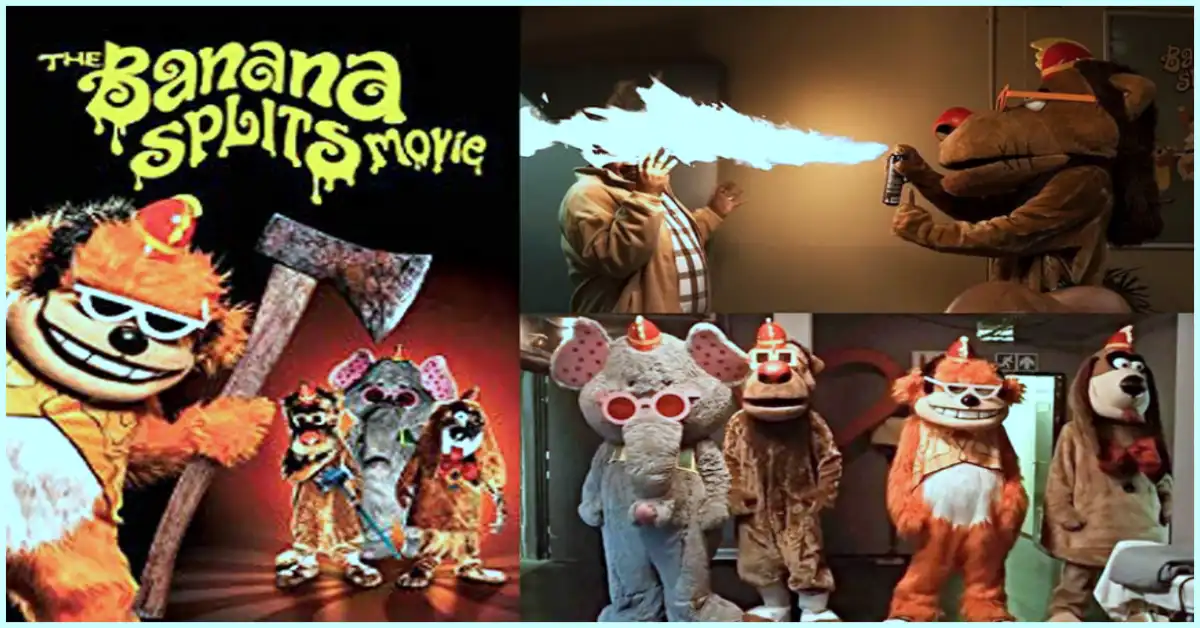
Suddenly, a network got four huge marketing events per year (a fall premiere, a fall finale, a winter premiere, and a spring finale) for the price of one season. Fast-forward to 2026, and streaming giants like Netflix use this exact playbook when they split seasons of Stranger Things, Bridgerton, and Ozark into Volume 1 and Volume 2 to keep subscribers from canceling after a single weekend binge.
6. Non-superhero Indie comics became hollywood’s IP goldmine
By 2010, Hollywood was already obsessed with comic books, thanks to Spider-Man, X-Men, Iron Man, and The Dark Knight. Those movies shared one trait: they were built on decades-old superheroes owned by corporate giants Marvel and DC.
The Walking Dead was a black-and-white independent comic book created in 2003 by writer Robert Kirkman and artist Tony Moore (later joined by Charlie Adlard) and published by Image Comics. Nobody in the story wore a cape. Nobody had laser vision.
When an indie comic about traumatized survivors became the biggest series on the planet, studio executives scrambled to buy the rights to every creator-owned graphic novel on the shelves. Take a look at the television landscape that followed:
- The Boys and Preacher (adapted from Garth Ennis comics)
- Invincible (adapted from Robert Kirkman’s other massive Image Comics hit)
- The Umbrella Academy, Sweet Tooth, Locke & Key, and Deadly Class
Without The Walking Dead influence on television, studio bosses would have kept treating comic shops strictly as a farm system for spandex superheroes rather than a library of adult drama.
7. Main character “Plot Armor” disappeared (for better and worse)
On traditional television, you knew the star whose face was on the billboard was safe. If the bomb timer hit 0:01, the hero always snipped the red wire.
The Walking Dead — alongside HBO’s Game of Thrones, which premiered six months later in April 2011 — trained millions of viewers to fear for their favorites every single Sunday. Shane Walsh, the show’s second lead, died in Season 2. Lori Grimes, the protagonist’s wife, died during childbirth in Season 3. Moral anchors like Dale and Hershel were wiped out. Even Carl Grimes, the boy who was supposed to inherit the entire story, was killed off in Season 8.
Let’s be honest about the downside, though. While killing major characters created genuine weekly tension, the show also taught the industry how not to handle shock value.
Remember the Season 6 finale in April 2016? Negan lined up the main cast, swung his barbed-wire bat at the camera screen, and the credits rolled — forcing viewers to wait six months until the Season 7 premiere (“The Day Will Come When You Won’t Be”) to find out that Abraham and Glenn were the victims. That fake-out (especially coming right after the infamous Season 6 dumpster fake-out with Glenn) broke trust with millions of casual viewers. It became a textbook case study in writers’ rooms across Hollywood on the fine line between earned tragedy and ratings manipulation.
8. Georgia transformed into the “Hollywood of the South”
Watch the end credits of almost any major blockbuster movie or streaming series made over the last decade, and you will see that famous peach logo. How did Georgia become one of the biggest film production hubs on Earth?
First, credit where it’s due: Georgia lawmakers laid the financial foundation when they passed the Georgia Entertainment Industry Investment Act in 2005 (and expanded its tax credits in 2008). Tax breaks attract studios, no question.
Tax breaks alone don’t build a permanent local workforce, though. Movies shoot for three months and leave town. To build an industry, a state needs an anchor tenant — a massive show that stays put for over a decade, allowing camera operators, stunt riggers, carpenters, and makeup artists to buy houses and raise families locally.
The Walking Dead was that anchor. After shooting Season 1 in Atlanta, production moved 35 miles south to the quiet town of Senoia, Georgia. acccording to a case study by the Georgia Screen Entertainment Coalition, downtown Senoia had just five operating businesses before the series arrived. By the time the main show wrapped in 2022, Senoia had exploded to more than 150 active businesses, complete with tour companies, boutiques, and restaurants like Nic & Norman’s (co-owned by Greg Nicotero and star Norman Reedus).AMC even purchased the local Riverwood Studios lot for $8.25 million. The deep bench of battle-tested Georgia crew members who worked on Marvel movies and Stranger Things cut their teeth in the woods of Senoia.
9. Fan conventions turned into year round experiential marketing
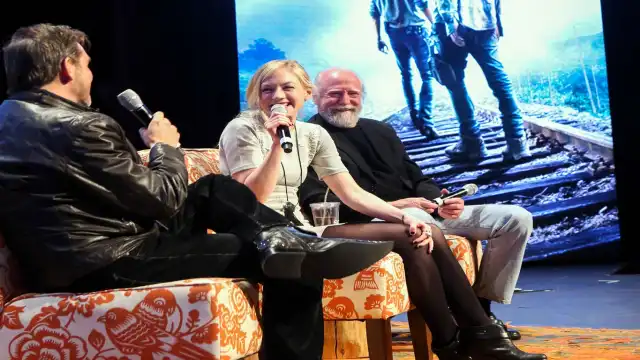
Before 2010, San Diego Comic-Con (SDCC) was mostly a playground for big summer sci-fi movies, while TV shows sat at smaller tables.
The Walking Dead turned Hall H — Comic-Con’s massive 6,500-seat auditorium — into the center of the television universe every July. AMC established a clockwork marketing rhythm: drop a five-minute, action-packed trailer at Comic-Con in July to build three months of deafening hype for the October premiere.
The Walking Dead cultural impact spilled way beyond one weekend in San Diego. It spawned dedicated touring conventions like Walker Stalker Con, permanent attractions and yearly mazes at Universal Studios’ Halloween Horror Nights, mobile games, and the “Dead Yourself” photo app. Television executives realized a hit genre show wasn’t just 42 minutes of ad inventory on Sunday night; it was a 365-day lifestyle brand.
10. The “Boutique Sequel” replaced the traditional TV spinoff
For fifty years, television spinoffs followed two rigid templates:
- The Clone Model: Keep the brand name, hire a brand-new cast in a new city (CSI: Miami, NCIS: New Orleans, or AMC’s own Fear the Walking Dead, which debuted in 2015 and ran for eight seasons).
- The Sidekick Model: Take one secondary character and give them a five-to-seven-year sitcom or drama (Frasier, Better Call Saul).
When the flagship Walking Dead series ended its 11-season run in November 2022, the economics of television had changed. Keeping 20 longtime cast members under contract on a single show gets wildly expensive by Season 11, and modern streaming audiences suffer from fatigue when a show crosses 150 episodes.
Instead of shutting down the universe or launching another 10-season clone, AMC and chief content officer Scott M. Gimple pioneered the boutique sequel model. They split their most famous survivors into short, high-budget, location-specific series:
- The Walking Dead: The Ones Who Live brought back Andrew Lincoln (Rick Grimes) and Danai Gurira (Michonne) for a tight, six-episode romantic thriller that resolved a multi-year cliffhanger without asking the actors to sign seven-year contracts.
- The Walking Dead: Dead City dropped Lauren Cohan (Maggie) and Jeffrey Dean Morgan (Negan) into a post-apocalyptic Manhattan.
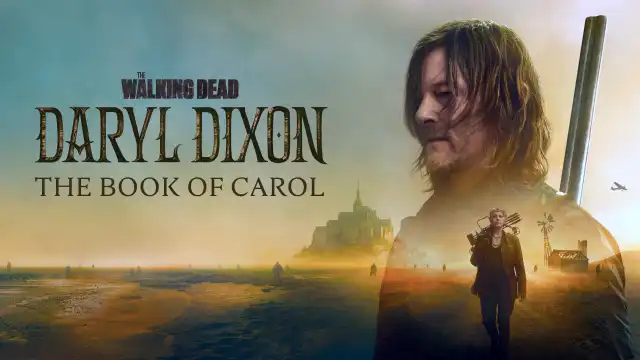
- The Walking Dead: Daryl Dixon shipped Norman Reedus (and later Melissa McBride’s Carol Peletier) across the Atlantic to France and Spain, giving the franchise fresh European architecture and new undead variants through its four-season run.
This modular strategy solved one of television’s biggest headaches. Fans got to keep following the exact characters they loved since 2010, actors got manageable six-to-eight-episode filming schedules in exciting overseas locations, and the network kept its top intellectual property fresh for streaming licensing deals.
Look around your streaming queue right now and you can see the fingerprints of those dusty Georgia highways everywhere. Whenever a streaming service splits its biggest sci-fi hit into two halves, rolls out a post-episode cast roundtable, invests in disgusting practical creature suits, or greenlights a dark indie comic book with zero superheroes in sight, it is borrowing a page from the playbook AMC wrote in 2010. Not bad for a show that critics once dismissed as just another zombie story.

