

The ultimate collector’s guide to the vintage world of cigarette cards (Updated)
Ever stumbled upon a small, beautifully illustrated card in an old book or a dusty attic box? You might have found a cigarette card, a tiny piece of cardboard that tells a massive story.
At first glance, they just look like old trading cards. But they’re so much more. These weren’t just collectibles; they were a marketing revolution tucked inside a packet of smokes. Originally just plain stiffeners to protect flimsy cigarette packs, some marketing genius in the late 19th century had a lightbulb moment: Why not print something on them?
And just like that, a global collecting craze was born.
This guide is for you — whether you’re a seasoned collector or just got curious after finding a card featuring a silent film star. We’ll dive into the history, the major players, what makes a card valuable, and how you can start your own collection without breaking the bank.
A Brief History
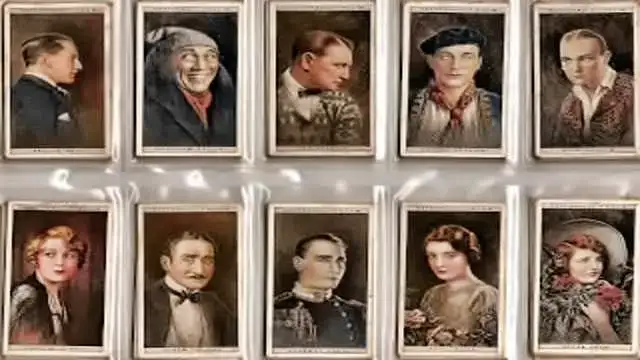
The first tobacco-related cards popped up in the United States in the 1870s, but the British firm W.D. & H.O. Wills is widely credited with popularizing them in the UK in 1887. Their first set, “Kings and Queens,” was a hit. Soon, every tobacco company had to have them.

The concept was simple but brilliant. To get the whole set, you had to keep buying their brand of cigarettes. It was the original “gotta catch ’em all.”
The themes printed on these cards were a wild tapestry of public fascination at the time:
- Sports Heroes: Cricketers and footballers were massive.
- Flora and Fauna: Beautifully illustrated birds, flowers, and wild animals.
- Military Figures & Uniforms: A reflection of a very different geopolitical era.
- Film Stars: Icons of the silver screen.
- History & Transport: Everything from ancient monarchs to the latest locomotives.
This golden age of cigarette cards lasted until the outbreak of World War II in 1939. Paper and printing resources were suddenly needed for the war effort, and production came to a dead halt. It never truly recovered.
Key Issuers and Their Iconic Sets
While countless companies issued cards, a few giants dominated the scene. Their names are legendary in collecting circles.
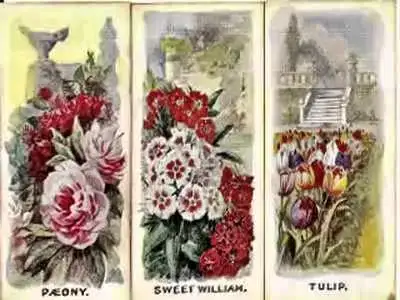
R J Lea Ltd: Manchester’s finest
Founded way back in 1866, R J Lea was a Manchester-based company known for its high-quality art and design. They weren’t the biggest, but their cards had a certain charm.
- “Flowers to Grow” (1913): This set of 50 cards is a perfect example of their style. With rounded corners and delicate, period-specific artwork, they feel like tiny Victorian paintings. Even worn copies have a nostalgic appeal.
- “Roses” (1924): Included in their “Chairman Juniors” packets, this 50-card set came with a clever promotional hook. If you mailed in 200 inserts, they’d send you a pair of rose garden prints. Talk about customer engagement!
Godfrey Phillips
Godfrey Phillips, started by an ambitious 18-year-old in 1844, was one of the earliest UK companies to jump on the card-issuing bandwagon. They became famous for massive sets, especially their football series.

- “Old Favourites” (1924): A classic set of 25 cards that perfectly blended lush backgrounds with detailed foreground subjects. These weren’t just pictures; they were miniature works of art reflecting the aesthetics of the Roaring Twenties.
- Footballers: In the 1920s and ’30s, Phillips’ football cards were the thing to collect. Their “Pinnace” series, which were actually photographic prints, are still highly sought after by sports memorabilia collectors.
Interestingly, Godfrey Phillips acquired Abdullah and Co. in 1927. Abdullah, a premium London brand, had issued its own beautiful sets, including its version of “Old Favourites” in 1936.
The Co-Operative Wholesale Society (CWS)

Wait, the Co-Op? The grocery store?
Yep. It might sound bizarre today, but in the early 20th century, the Co-Op was a manufacturing powerhouse. Born from the Rochdale Pioneers’ movement of 1844 to provide fair-priced goods, CWS eventually produced everything from biscuits to, you guessed it, cigarettes.
In 1924, they issued a very rare set of 24 cards titled “English Roses.” Finding a complete set today is a serious challenge, making it a prized possession for dedicated collectors. It’s a fantastic reminder of how different the commercial landscape once was.
Gallaher Limited
If you’re looking for sheer visual beauty, look no further than Gallaher. This Belfast-based company produced some of the most aesthetically pleasing cards ever made.
- “Wild Flowers” (1939): Often hailed as one of the most beautiful sets ever produced, this collection of 48 cards is stunning. They are slightly larger than standard cards, featuring soft pastel borders and exquisitely detailed illustrations. They are a masterclass in printing artistry. A complete set in mint condition is surprisingly affordable, often fetching around £30-£40, making it a fantastic entry point for those who appreciate quality art. You can find more details on values from resources like the London Cigarette Card Company.
Wills’s and Player’s
You can’t talk about cigarette cards without mentioning W.D. & H.O. Wills and John Player & Sons. They were the undisputed kings, producing millions of cards across hundreds of sets. Their cards are the most common, which is great news for new collectors.

- Wills’s Sets: “Kings and Queens” (1887), “Ships and Shipping” (1896), “Railway Engines” (1924), and “Air-Raid Precautions” (1938) are just a few of their iconic series. The last one is a chillingly fascinating snapshot of British society on the brink of war.
- Player’s Sets: Player’s was famous for its “Cricketers” series (starting in 1909), “Characters from Dickens” (1912), and “Uniforms of the Territorial Army” (1938). Their quality was consistently high.
What Makes a Card Valuable? Checklist

So, is that old card you found worth a fortune? Probably not. The Honus Wagner T206 card that sold for millions is a wild exception, not the rule. But some cards are certainly more valuable than others. Here’s what matters:
- Rarity: This is the biggest factor. Was it a limited run? Was the company small? The CWS “English Roses” is valuable primarily because so few were made. Some sets had “error cards” that were quickly corrected, making the flawed versions rare treasures.
- Condition: This is huge. Collectors use a grading system, but you can think of it simply:
- Mint (M): Perfect. Looks like it just came out of the pack. Sharp corners, no stains, no creases.
- Near Mint (NM): Almost perfect, maybe a tiny imperfection.
- Excellent (EX): Minor corner wear, maybe a little scuffing. Still looks great.
- Very Good (VG): Noticeable wear, rounded corners, maybe a slight crease.
- Poor (P): Heavily damaged. Creases, stains, maybe a tear.A mint card can be worth 10 times more than the same card in poor condition. Always aim for the best condition you can afford.
- Subject Matter: Popular themes drive demand. Football, cricket, early film stars, and Titanic-related memorabilia are always in fashion. A card featuring a legendary footballer like Stanley Matthews will almost always be worth more than one depicting an obscure wildflower.
- Set Completion: A complete set is often worth more than the sum of its individual cards. The hunt to find that one last card is part of the thrill, and buyers will pay a premium to skip the hassle.
How to Start Your Collection (Without Breaking the Bank)
Ready to jump in? Here’s the good news: you don’t need a lot of money to start.
- Start with the Common Sets: The best way to begin is by collecting complete sets from Wills’s or Player’s. Because they were produced in such vast numbers, you can often buy a full set of 50 cards for as little as £5-£10. It’s incredibly satisfying to fill an album page right away.
- Where to Look:
- eBay: The biggest marketplace, but be cautious of fakes and overpriced listings. Check seller ratings.
- Flea Markets & Antique Fairs: The thrill of the hunt! You can find some amazing bargains if you’re willing to dig through boxes.
- Specialist Dealers: Companies like the London Cigarette Card Company or local collectible shops offer authenticated cards. You’ll pay more, but you’re guaranteed quality and authenticity.
- Storage is Key: Don’t just throw them in a shoebox. To preserve their condition (and value), store your cards in special albums with acid-free plastic sleeves. This protects them from moisture, fading, and corner damage.
Why We Still Collect
Cigarette cards are more than just collectibles. They are miniature time capsules. Each card offers a window into the past — what people valued, who they admired, and what they were curious about a century ago.
The artwork, often created by talented but anonymous commercial artists, is a joy in itself. The historical context is fascinating. And the simple, tactile pleasure of organizing and completing a set is a satisfaction that no digital collection can replicate.
They represent a bygone era of marketing, a time before television and internet ads, when a small piece of printed cardboard could capture the imagination of a nation.
What about you? Do you have a cigarette card collection? Did you inherit one or just start your own? Share your favorite set or your most treasured find in the comments below! I’d love to hear your stories.

