

It’s a feeling many Western viewers know well. You’ve just watched two hours of a gripping, beautiful, or horrifying Japanese film. The final scene plays out. The screen cuts to black. You sit there, motionless, thinking… “What in the absolute hell just happened?”
This isn’t like a Nolan twist, which is a puzzle designed to be solved. This is different. The ambiguity feels deeper, more fundamental. It’s not a missing piece of the plot; it feels like the filmmakers are speaking a different narrative language entirely.
And here’s the no-bs truth: they are.
These perplexing endings aren’t the result of “bad writing” or a desire to just be weird. They are often the deliberate and logical conclusion of a storytelling philosophy rooted in cultural and aesthetic principles vastly different from the conflict-resolution model of mainstream Hollywood.
Let’s get into the weeds with eight films whose endings are masterclasses in beautiful, maddening ambiguity, and then explore the cultural keys that help unlock them.
1. Audition (1999) – The Dream vs. The Needle
IMDB Rating: 7.1/10
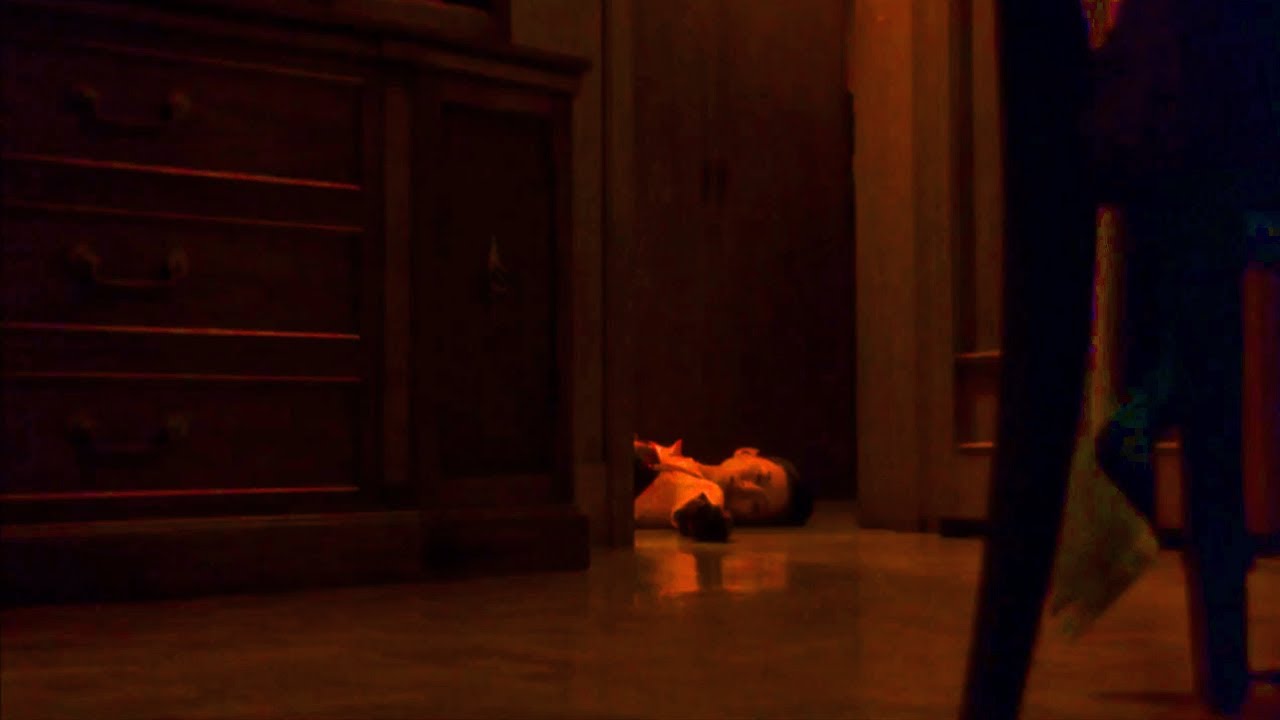
- The Setup: A lonely widower, Aoyama, holds a fake movie audition to find a new wife. He becomes infatuated with Asami, a quiet, beautiful ex-ballerina with a dark past. Their courtship seems perfect until Aoyama starts digging into her history and she disappears.
- The Perplexity: The film’s final 20 minutes are an infamous sequence of brutal, drawn-out torture. Asami paralyzes Aoyama and methodically pushes needles into his body. Kiri kiri kiri. It’s almost unbearable to watch. But just as she’s about to sever his foot with a wire saw, Aoyama’s son bursts in and kicks her down the stairs. Aoyama looks at her broken body on the floor… and then the film cuts back to him lying alone in his room, moments after he first drugged her drink. The final shot is ambiguous. Was the entire torture sequence a guilt-ridden, misogynistic dream? Or was it real, and the cutaway just a final, fleeting memory?
- The Cultural Key: This ending plays with the unreliability of a protagonist’s perspective, a common theme. But it also taps into a deep-seated anxiety about the unknown depths of others, particularly in the context of traditional versus modern relationships in Japan. The debate isn’t about solving the puzzle, but about what each possibility says about Aoyama himself: is he a victim of a monster, or is he the monster who fantasizes his own punishment?
2. Cure (1997) – Evil as a Virus
IMDB Rating: 7.5
![Cure (1997) Original Trailer [FHD]](https://www.gsnsp.com/wp-content/cache/flying-press/e3ff3127b8933afc5672e1907e41346f.jpg)
- The Setup: Detective Takabe investigates a series of bizarre murders where the victims are killed in the same ritualistic way (an ‘X’ carved into their neck), but the perpetrators are different each time. The killers are all normal people who confess immediately but have no idea why they did it. The trail leads to Mamiya, a strange amnesiac who seems to spread the impulse to kill through simple suggestion.
- The Perplexity: Takabe seemingly stops Mamiya. He finds the root of his technique—early experiments with mesmerism—and kills him. The case is closed. Takabe sits in a diner. He seems at peace. Then, the waitress, who had been perfectly normal, pulls out a knife after a brief interaction with him. The camera lingers on the empty table. Has the “cure” for society’s repressed rage simply been transferred to Takabe? Is he now the carrier? The film gives no answer. It just ends, leaving a horrifyingly open question.
- The Cultural Key: Director Kiyoshi Kurosawa deals in social dread, not jump scares. The ending reflects a Japanese cultural concept of evil not as an external force to be defeated, but as a latent potential within the social fabric itself. Society’s rigid structures and pressures create a void, and the “virus” of Mamiya—or now Takabe—is what fills it. The perplexity comes from denying the viewer catharsis. The evil wasn’t stopped; it just changed hosts.
3. Akira (1988) – The Transcendental Meltdown
IMDB Rating: 8.0
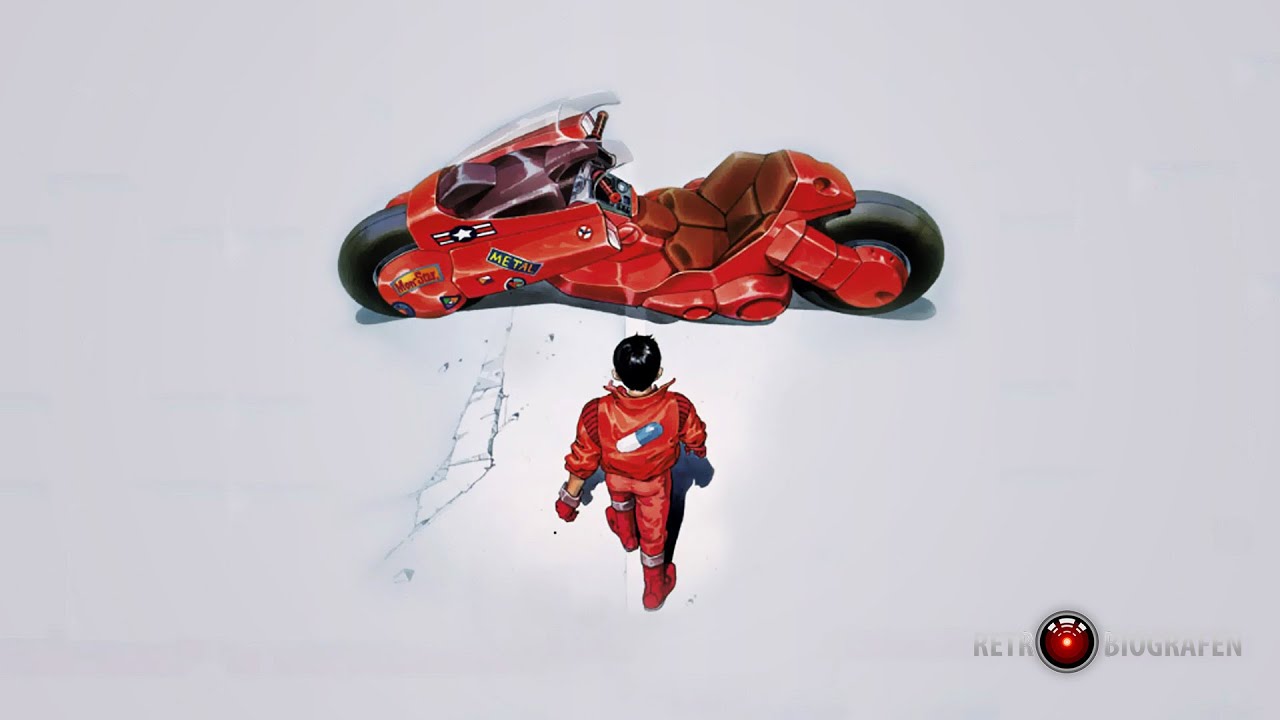
- The Setup: In the cyberpunk dystopia of Neo-Tokyo, biker gang leader Kaneda tries to save his friend Tetsuo, who has developed godlike, uncontrollable psychic powers after a government experiment. Tetsuo’s power grows exponentially, threatening to trigger a cataclysmic explosion just like the one that destroyed the original Tokyo.
- The Perplexity: In the climax, Tetsuo’s power consumes him. He mutates into a grotesque, pulsating mass of flesh and technology. Just as he’s about to explode, the spirits of the other psychic children (the “espers”), including the long-dead Akira, intervene. They trigger a massive white-out. Kaneda is pulled into this singularity, where he witnesses the birth and death of a universe and Tetsuo’s childhood memories. He re-emerges in the ruins of the city. A disembodied voice from Tetsuo says, “I am Tetsuo.” A pinpoint of light appears and vanishes. The end. Did Tetsuo become a new universe? Did he ascend? Is he dead?
- The Cultural Key: Akira is inextricably linked to Japan’s post-war trauma and anxiety. The imagery of a city being obliterated by an unstoppable force is a direct echo of the atomic bomb. The ending is not a simple “good guys win” scenario. It’s a metaphysical event. The perplexing nature of it reflects a deep-seated cultural grappling with creation, destruction, and the terrifying potential of unchecked power (both nuclear and human). Tetsuo isn’t just a villain; he’s a vessel for a force beyond comprehension.
4. Tetsuo: The Iron Man (1989) – The Cyberpunk Apotheosis
IMDB Rating: 6.9
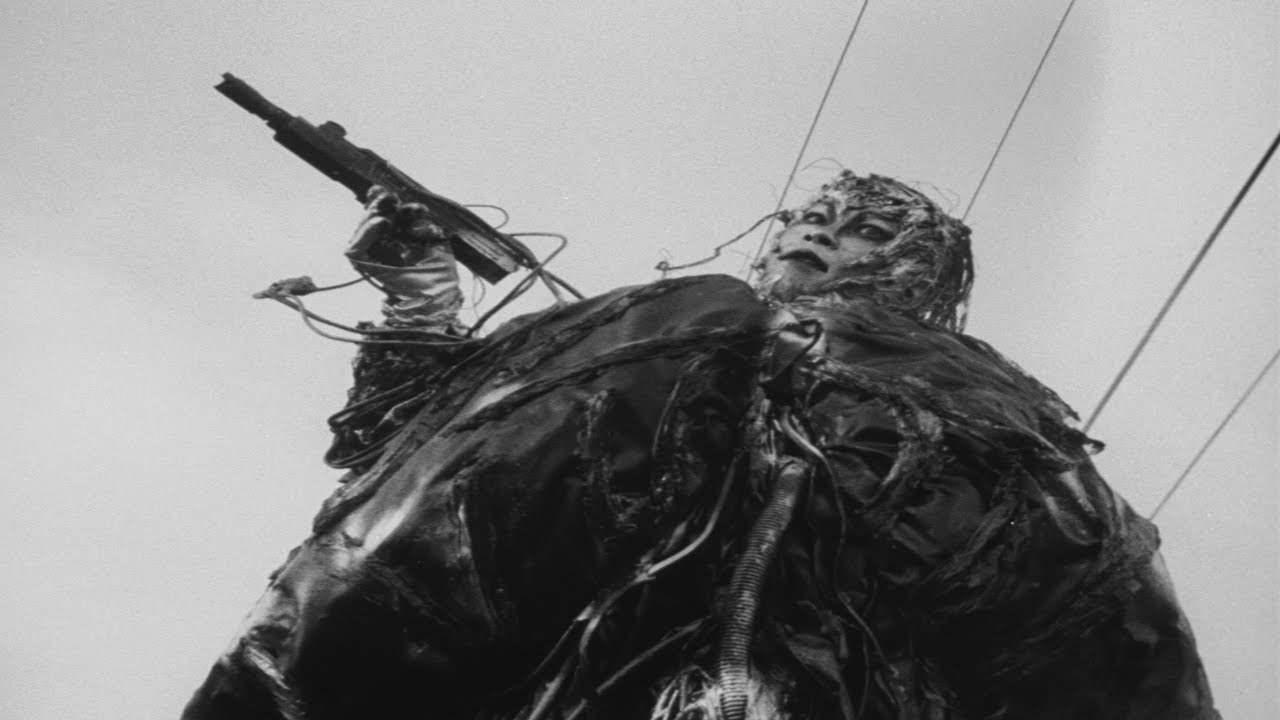
- The Setup: A Japanese salaryman finds his body slowly and horrifically mutating, with pieces of scrap metal erupting from his flesh. He is being stalked by a “metal fetishist” who wants to accelerate this transformation.
- The Perplexity: This film is 67 minutes of pure, industrial nightmare fuel. The ending throws narrative logic out the window entirely. The salaryman and the fetishist, after a frantic battle, merge into a single, massive creature of metal, wires, and flesh—a sort of two-man tank. They declare their intention to rust the entire world and turn it into a metallic graveyard. They burst through the wall and the film abruptly ends on their roaring declaration. It’s not a conclusion; it’s a mission statement.
- The Cultural Key: Tetsuo is a raw, visceral reaction to Japan’s post-war economic miracle and the subsequent “bubble” economy of the 1980s. It’s about the dehumanization of urban life and the fetishization of technology. The ending is perplexing because it isn’t a story—it’s an aesthetic and philosophical argument made manifest. The fusion of man and machine isn’t a defeat; it’s a terrifying form of evolution, a “New World Flesh.”
5. End of Evangelion (1997) – “How Disgusting.”
IMDB Rating: 8.1
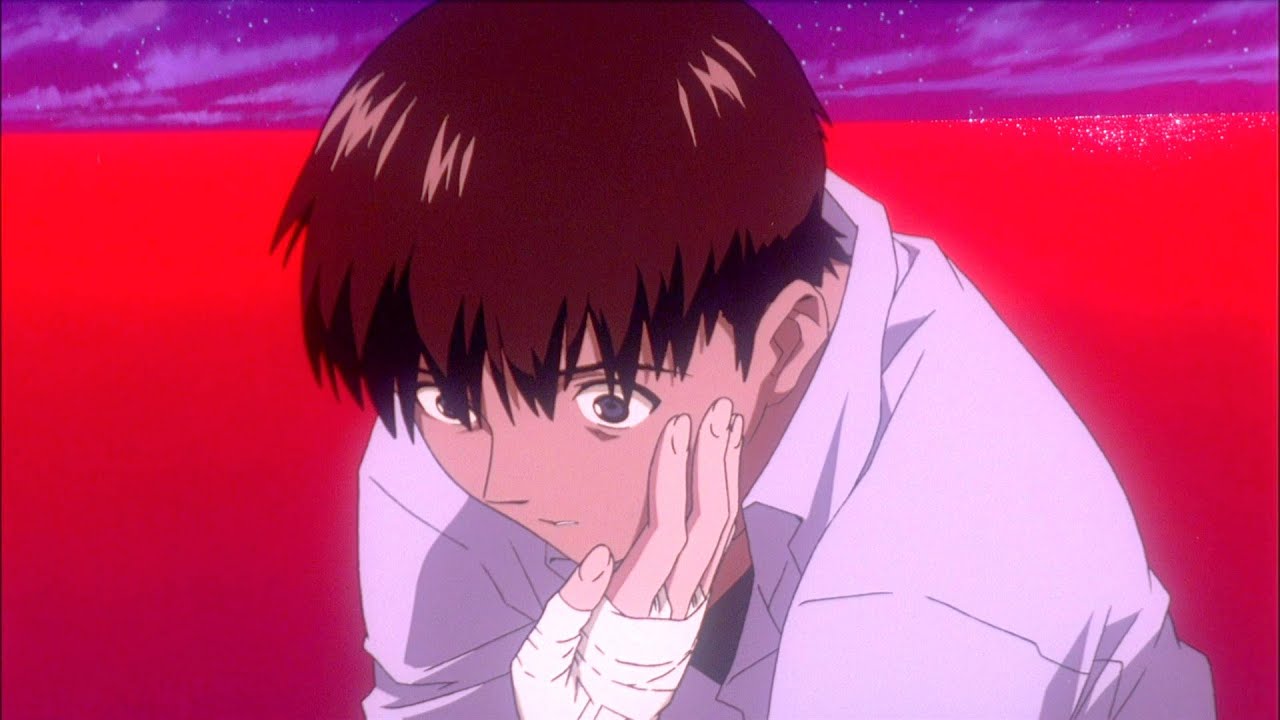
- The Setup: Picking up from the controversial TV series ending, the film depicts the final, desperate battle for humanity’s soul. The SEELE organization attacks NERV to initiate the “Human Instrumentality Project”—a forced merging of all human consciousness into a single entity, ending all pain and individuality. Traumatized teen pilot Shinji Ikari is at the center of it all.
- The Perplexity: Where to even begin? Shinji triggers the “Third Impact.” All of humanity dissolves into a primordial sea of LCL (the liquid used in the Eva cockpits). What follows is a surreal, stream-of-consciousness sequence inside Shinji’s mind. He ultimately rejects Instrumentality, choosing a world of individual pain over collective nothingness. He wakes up on a blood-red beach next to his fellow pilot, Asuka, seemingly the only two humans left. He strangles her. She stops him by caressing his face. He breaks down crying. Her final line is, “Kimochi warui” (“How disgusting” or “I feel sick”). The end. Are they a new Adam and Eve? Is there hope? What does her final line mean?
- The Cultural Key: This ending is a lightning rod for debate because it’s deeply personal to its creator, Hideaki Anno, and resonates with the Japanese concept of otaku (obsessive fan) culture and social isolation. The choice between a painless, collective existence and a painful, individual one is the core dilemma. Asuka’s final line is debated endlessly: Is she disgusted with Shinji? With herself? With the state of the world? It’s the ultimate rejection of a simple, comforting answer.
6. Woman in the Dunes (1964) – The Freedom of the Cage
IMDB Rating: 8.4

- The Setup: An entomologist from Tokyo gets trapped by villagers in a deep sand pit with a lone widow. His life becomes an endless, Sisyphean task of shoveling sand to prevent the house from being buried. He spends months plotting his escape.
- The Perplexity: One day, he finds the rope ladder has been left down. It’s his chance. He can finally escape the pit and return to his old life. He looks at the ladder, then at a primitive water trap he has built. He realizes he has a purpose here. He chooses to stay. The film ends with a shot of his missing person’s report, stating he has been gone for seven years. He didn’t escape. He chose not to.
- The Cultural Key: This is a classic of the Japanese New Wave and pure existentialism. The ending is perplexing to an audience conditioned to see freedom as the ultimate goal. The film argues that freedom is not about a lack of constraints, but about finding meaning and identity within them. It aligns with Zen Buddhist ideas of finding enlightenment in the mundane, repetitive tasks of life. His cage became his world, and in that world, he found a reason to exist.
7. Rashomon (1950) – The Hope in the Lie
IMDB Rating: 8.1
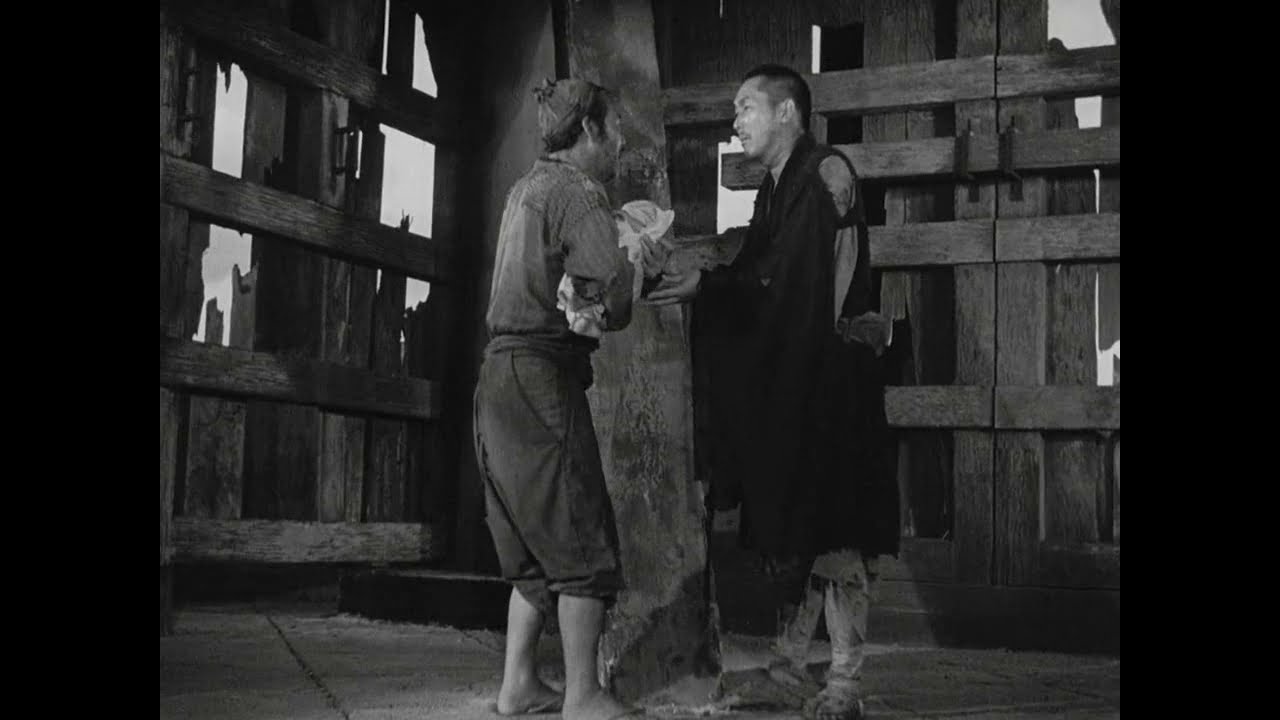
- The Setup: A woodcutter, a priest, and a commoner take shelter from a storm under the ruined Rashomon gate. They discuss a recent crime: a bandit attacked a samurai and his wife in the woods. The film presents four different, contradictory accounts of the event—from the bandit, the wife, the dead samurai (through a medium), and the woodcutter.
- The Perplexity: The film establishes that there is no objective truth; everyone lies to preserve their own ego. It’s a cynical take on human nature. But at the very end, an abandoned baby is heard crying. The cynical commoner tries to steal its clothes, but the woodcutter, despite his own recent lies, offers to take the baby home and raise it. The priest, his faith in humanity shattered, says, “Thanks to you, I think I will be able to keep my faith in man.” Is this a tacked-on moment of unearned hope? Or is it the film’s true point—that even in a world of lies, a selfless act is possible?
- The Cultural Key: Director Akira Kurosawa created what is now known as the “Rashomon effect.” The ending’s ambiguity is a direct confrontation with post-war nihilism. After witnessing the worst of humanity, the film asks if we can choose to be better, even if we are all flawed liars. The debate is whether the final act of altruism is a genuine sign of hope or just one more beautiful lie in a world without truth.
8. Ghost in the Shell (1995) – The Ghost Leaves the Machine
IMDB Rating: 7.9
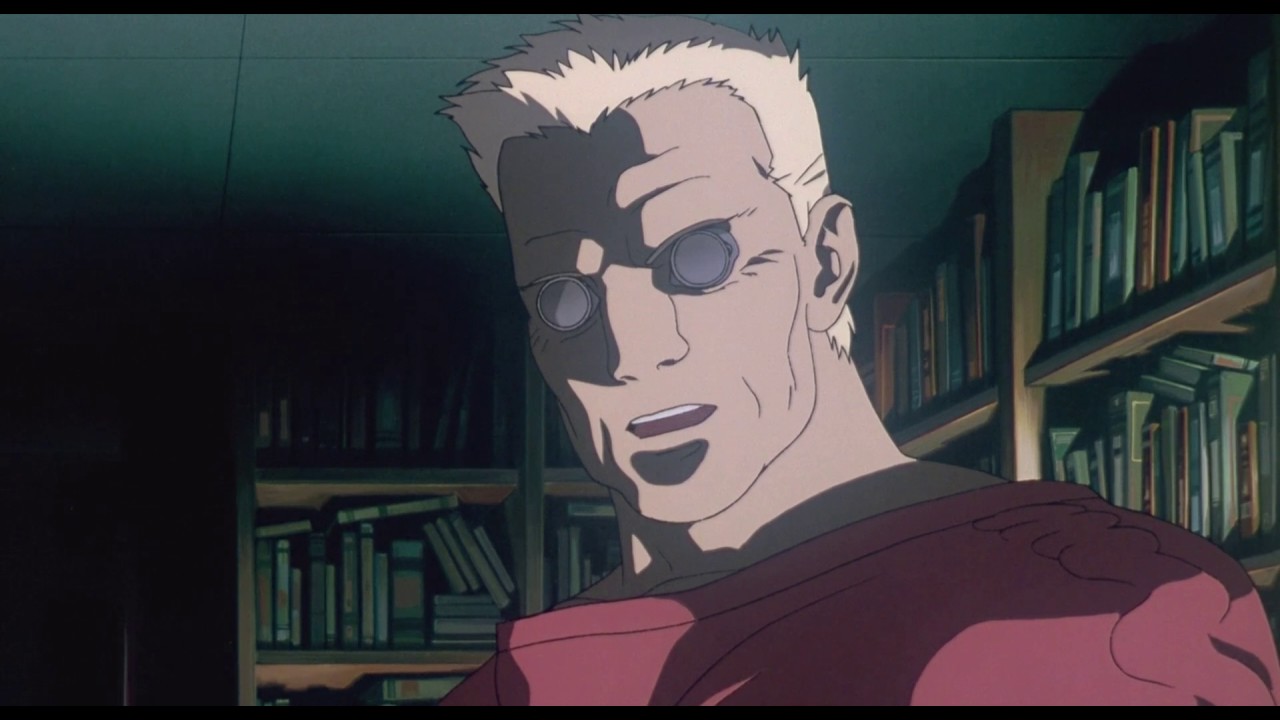
- The Setup: Major Motoko Kusanagi, a cyborg agent with a fully artificial body but a human brain (“ghost”), hunts a mysterious hacker known as the Puppet Master. She discovers the Puppet Master is not a person, but a sentient AI that achieved consciousness on the net and now wants political asylum… and to merge with her.
- The Perplexity: The Major agrees. In the climax, her body is destroyed, but her ghost successfully merges with the Puppet Master’s program. A colleague rescues her “brain” and places it in a new, child-sized cyborg body. She awakens, no longer Motoko Kusanagi nor the Puppet Master, but a new, unnamed entity. She looks out over the city and says, “And now where shall I go? The net is vast and infinite.” She leaps from the building, and the film ends.
- The Cultural Key: This ending is a dense fusion of Western philosophy (Descartes’ “I think, therefore I am”) and Eastern spiritualism, particularly Shinto and Buddhist ideas about the soul/spirit (kami or ghost) being able to inhabit different vessels. The ending is perplexing if you see identity as fixed. Here, identity is fluid. The Major doesn’t die; she evolves. The final question is not a sign of being lost, but of infinite possibility—a digital reincarnation.
The “Why”: Deconstructing Japanese Cinematic Ambiguity
These endings aren’t random. They stem from a few core principles often absent in Western narrative.
- Mono no Aware (物の哀れ): This is a foundational Japanese aesthetic concept. It translates roughly to “the pathos of things” or “a gentle sadness.” It’s an awareness of the transience of life and the bittersweet beauty in that impermanence. Many of these endings don’t offer resolution because life doesn’t. Instead, they evoke a lingering feeling—of loss, of change, of quiet contemplation. The end of Cure is a perfect example.
- The Power of Negative Space (Mu – 無): Rooted in Zen Buddhism, this is the idea that what is not there is as important as what is. In storytelling, this translates to leaving things unsaid, unexplained. The viewer is expected to contemplate the emptiness and fill it with their own interpretation. The final scenes of End of Evangelion and Akira are vast fields of negative space.
- Process Over Outcome: Western stories are often goal-oriented (beat the villain, save the world). Many Japanese narratives are more interested in the process, the journey, the transformation. The ending of Tetsuo isn’t about winning; it’s about becoming. The ending of Woman in the Dunes isn’t about escaping; it’s about the process of finding meaning.
These films don’t give you the satisfaction of a puzzle solved. They give you something far more valuable: a question that will follow you for days, weeks, or even years. They ask you not just what you saw, but what you believe.
Which Japanese film left you staring at a black screen in beautiful confusion? Share it in the comments. I’d love to hear your interpretations.

