

Ever heard that terrifying, croaking death rattle in the dark? Of course, you have. Consequently, if you are a horror fan, that sound is permanently burned into your brain. Takashi Shimizu created a true cinematic monster when he birthed the Ju-On franchise. Later, he returned to terrify Western audiences with The Grudge.
However, navigating these films can feel like walking through a haunted house blindfolded. Between Japanese straight to video releases, Hollywood remakes, and standalone Netflix reboots, the timeline gets messy fast. Therefore, we are going to break it all down for you. Furthermore, we will explain the exact curse rules, explore the cultural shifts between versions, and map out the ultimate watch order.
Buckle up. It gets dark from here.
Welcome to the House in Nerima
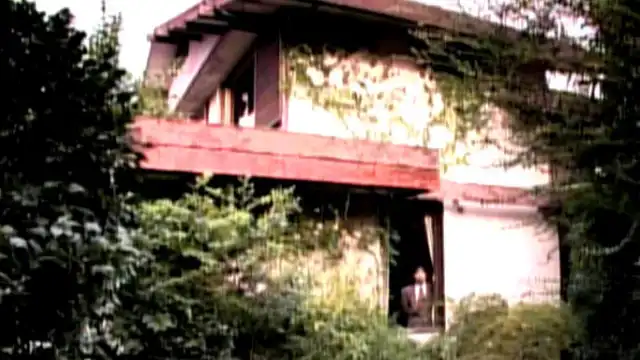
Before we dive into watch orders, we need to talk about ground zero. Specifically, the unassuming suburban home in Nerima, Tokyo. In 1998, filmmaker Takashi Shimizu introduced audiences to this cursed location through two short films. Eventually, with the help of legendary director Kiyoshi Kurosawa, these shorts evolved into full length movies.
Interestingly, the original Ju-On: The Curse (2000) was a direct to video release (known in Japan as V-Cinema). Yet, its raw, unrelenting terror quickly gained a massive cult following. As a result, Shimizu directed a theatrical version in 2002 called Ju-On: The Grudge. Unsurprisingly, Hollywood noticed. In fact, Sony Pictures produced an American remake in 2004, starring Sarah Michelle Gellar and bringing Shimizu back to direct.
Financially, the American version was a juggernaut. It grossed a massive $187.3 million worldwide against a tiny $10 million budget. Meanwhile, the franchise expanded into a sprawling web of sequels and reboots.
But why did it become so popular? Ultimately, it comes down to the lore.
How Does the Curse Actually Work?
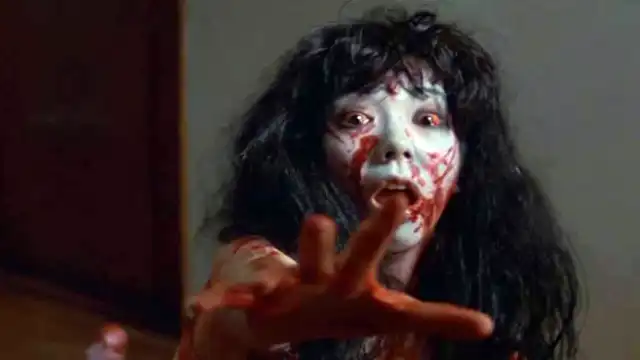
If you want to survive a horror movie, you usually just follow the rules. Don’t go in the basement. Don’t read the Latin book. However, The Grudge throws all traditional survival rules out the window.
The films open with a chilling title card that explains the core premise. “When someone dies in the grip of a powerful rage, a curse is born.”
The Viral Nature of the Ju-On
Most haunted house movies feature ghosts bound to a specific property. Conversely, the Ju-On acts like a highly contagious virus.
- The Infection Point: The curse gathers in the place where the original tragedy occurred.
- The Spread: Anyone who steps inside that space becomes marked.
- The Loop: Wherever the infected person eventually dies, that new location also becomes cursed.
Consequently, you cannot simply run away. Moving to a new city will not save you. Furthermore, burning the house down achieves absolutely nothing. Once you cross the threshold, your fate is sealed. Period.
Meet the Saeki Family
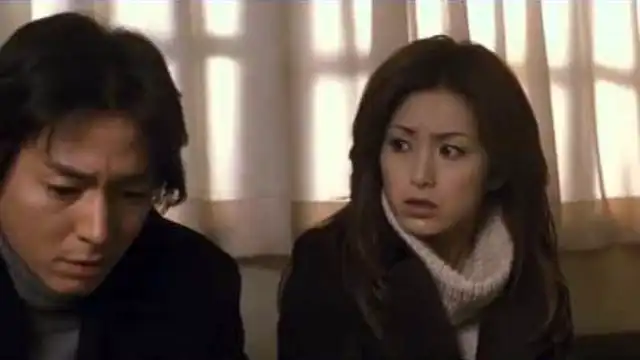
To understand the mechanics, you must meet the spirits enforcing them. Specifically, the Saeki family.
- Takeo Saeki: The husband. He discovered his wife’s diary detailing an unrequited crush on another man. Overcome with extreme jealousy, he violently murdered his entire family. Now, his spirit represents the brute force of the curse.
- Kayako Saeki: The wife. Takeo snapped her neck, paralyzing her before she died. Because of this, her ghost crawls erratically, emitting that iconic, spine chilling death rattle. She is the main face of the franchise.
- Toshio Saeki: The young son. He witnessed the murders before his father drowned him in the bathtub. Usually, he appears as a pale boy meowing like a cat, acting as a terrifying herald before Kayako strikes.
- Mar: The family cat. Takeo killed the pet, too. Thus, Toshio’s spirit is forever merged with the feline’s wail.
Ju-On vs The Grudge: What’s the Difference?
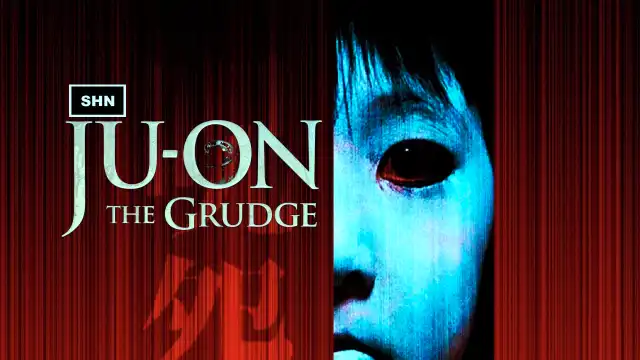
Are the Japanese and American versions really that different? Yes and no. Admittedly, both share the same director, the same villain actors (Takako Fuji played Kayako in multiple films), and the same core plot. Nonetheless, the execution varies heavily.
The Pacing and Atmosphere
Japanese horror (J-Horror) relies heavily on lingering dread. For instance, Ju-On: The Grudge (2002) is a slow burn. The camera holds still. Shadows move quietly. Instead of loudly blasting a jump scare, the film lets you slowly realize something horrible is standing in the corner.
On the other hand, The Grudge (2004) caters to Western sensibilities. Hollywood producers, including Sam Raimi (Evil Dead), sped up the pacing. Consequently, the American movie features more immediate payoffs, louder musical cues, and polished special effects. It is highly effective, yet slightly less subtle.
Onryō vs Western Ghosts
In Western culture, ghosts usually seek a specific resolution. If you find their bones or solve their murder, they cross over peacefully. J-Horror operates differently.
Kayako is an Onryō, a traditional Japanese vengeful spirit. Historically, an Onryō is capable of causing physical harm in the world of the living. However, Kayako does not care about justice. She does not care if you apologize. Therefore, her wrath is complately blind and unapologetically cruel. This cultural distinction makes her significantly scarier to Western viewers who expect a tidy, solvable mystery.
The Best Watch Order for the Ju-On and Grudge Franchises
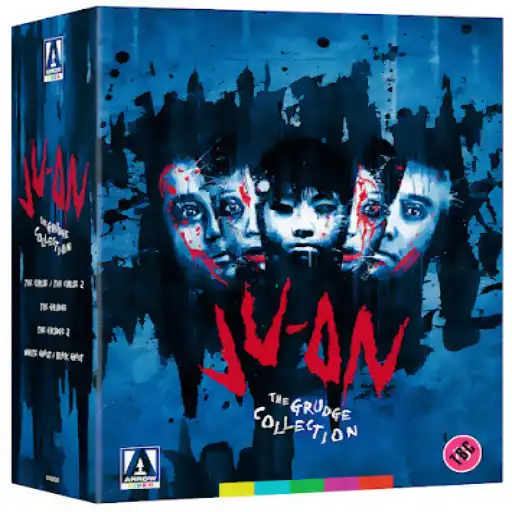
Ready to binge? Because the franchise uses non linear storytelling jumping backward and forward in time putting together a watch order is tricky. Naturally, you have a few options depending on your dedication level.
Option 1: The Release Date Order (For Purists)
If you want to experience the evolution of Takashi Shimizu’s vision exactly as audiences did, follow the release dates. Unquestionably, this is the easiest way to avoid confusion.
- Ju-On: The Curse (2000) – V-Cinema
- Ju-On: The Curse 2 (2000) – V-Cinema
- Ju-On: The Grudge (2002) – Theatrical
- Ju-On: The Grudge 2 (2003) – Theatrical
- The Grudge (2004) – American Remake
- The Grudge 2 (2006) – American Sequel
- The Grudge 3 (2009) – American Sequel
- Ju-On: White Ghost & Black Ghost (2009) – 10th Anniversary Japanese specials
- Ju-On: The Beginning of the End (2014) – Japanese Reboot
- Ju-On: The Final Curse (2015) – Japanese Reboot Sequel
- Sadako vs. Kayako (2016) – Crossover with The Ring
- The Grudge (2020) – American Sidequel
- Ju-On: Origins (2020) – Netflix Series
Option 2: The Japanese Chronological Timeline (For Lore Nerds)
Do you want to follow the actual chronological timeline of the Saeki family without the American distractions? Then strip away the Hollywood remakes and stick strictly to the Japanese canon.
- The Origin: Start with the short films Katasumi and 4444444444 (1998).
- The First Outbreak: Watch Ju-On: The Curse 1 & 2.
- The Main Event: Move on to Ju-On: The Grudge 1 & 2.
- The Reboots: Skip to Beginning of the End and The Final Curse. (Note: These last two take place in an alternate reboot timeline, but they wrap up the modern Japanese theatrical run perfectly).
Option 3: The American Remake Timeline
Perhaps you just want a spooky Halloween marathon without reading subtitles. If so, the Hollywood timeline is incredibly straightforward.
- The Grudge (2004): Karen Davis (Sarah Michelle Gellar) uncovers the curse in Tokyo.
- The Grudge 2 (2006): The curse officially travels to Chicago.
- The Grudge 3 (2009): A direct continuation in a Chicago apartment building.
- The Grudge (2020): A “sidequel” taking place in Pennsylvania concurrently with the events of the 2004 and 2006 films.
Where Does Netflix’s Ju-On: Origins Fit?
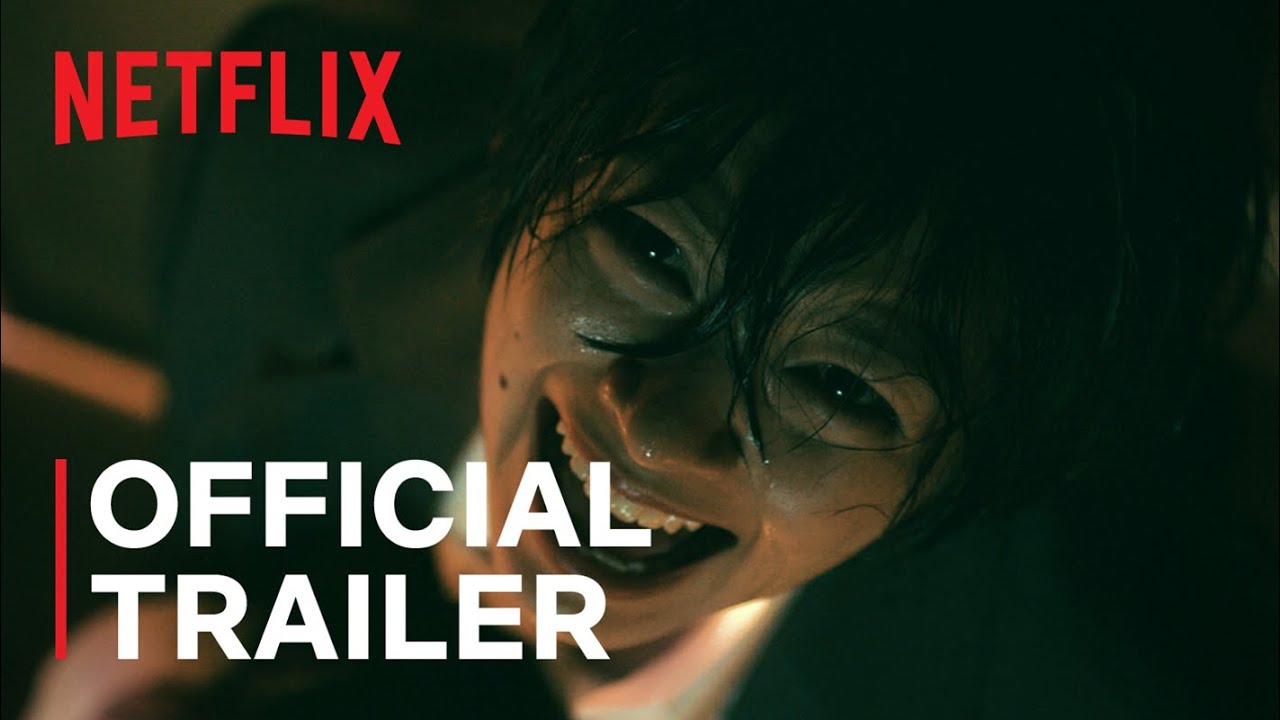
In 2020, Netflix dropped a brilliant curveball titled Ju-On: Origins. But where exactly does it fit in the timeline?
Surprisingly, it doesn’t. Instead, the series takes a fascinating meta-approach. The show pretends that the Saeki family movies were purely fictional tales. Meanwhile, Origins claims to depict the “true events” that actually inspired Takashi Shimizu to make the movies in the first place.
Spanning from 1952 to 1997, the series explores different generations of victims moving into a cursed house. Consequently, it ditches Kayako and Toshio entirely, focusing instead on real-world horrors like abuse, crime, and historical trauma. Undeniably, it is the darkest, most disturbing entry in the entire franchise. Because it stands alone, you can watch it at any time.
Before You Turn Off the Lights
The beauty of the Ju-On franchise lies in its absolute ruthlessness. You cannot fight it. You cannot outsmart it. Once that death rattle starts clicking from the shadows, your story is over.
Whether you prefer the creeping dread of the 2002 Japanese original or the polished, jump-scare-heavy thrill of the 2004 American remake, both offer unique nightmares. Furthermore, the sprawling timelines give horror fans endless hours of lore to dissect.
So, pick a timeline. Turn off the lights. But whatever you do, avoid looking in the attic.
What’s your favorite movie in the Grudge franchise? Do you prefer the original Japanese Onryō or the Hollywood remakes? Let us know in the comments below, and don’t forget to share this guide with your favorite horror-loving friends!
Frequently Asked Questions
Is it actually possible to survive The Grudge curse?
Honestly, no. Zero chance. Unlike other cinematic ghosts, Kayako doesn’t play fair or offer loopholes. Ultimately, this curse operates like a highly contagious, terminal illness rather than a traditional haunting. Sure, you might temporarily delay your fate by moving to another continent. Eventually, though, she always catches up. Death is absolute.
Why does the little boy, Toshio, meow like a cat?
Have you ever wondered why a ghost kid acts like a feline? Well, it stems from a deeply disturbing, easily missed lore detail. Specifically, Takeo Saeki didn’t just violently murder his wife and son. Furthermore, he killed the family pet, Mar. Consequently, Toshio’s traumatized spirit absorbed the cat’s soul, permanently merging their agonized cries.
Do I have to watch the original Japanese films before the 2004 American remake?
Not at all! In fact, the 2004 Hollywood version functions as a complete, standalone reboot. Therefore, you can jump right in without knowing a single piece of prior backstory. However, if you truly crave maximum dread, starting with the 2002 Japanese release is highly recommended. It simply hits differently.
Is the cursed house in Nerima, Tokyo, a real place you can visit?
Surprisingly, yes and no. The exterior shots for the original Japanese films featured an actual suburban house located in Tokorozawa, Saitama. Sadly for urban explorers, developers completely demolished that specific home years ago. Meanwhile, the terrifying interior rooms were strictly built on soundstages. So, you can’t book a spooky Airbnb there anytime soon.
Who actually wins in the Sadako vs. Kayako crossover movie?
Want a definitive, clean winner? You definitely won’t get one. Instead of a clear victory, the two iconic curses literally collide during the climax. Ultimately, they fuse together into an entirely new, monstrous hybrid entity named Sadakaya. Thus, both ghosts survive, but humanity loses big time.
Sources help:
- https://en.wikipedia.org/wiki/Ju-On
- https://en.wikipedia.org/wiki/Ju-On:_The_Grudge
- https://en.wikipedia.org/wiki/The_Grudge
- https://en.wikipedia.org/wiki/The_Grudge_(film_series)

