

7 Scariest Haunted Places in Japan You’ll Remember (But Respect)
I won’t serve cheap thrills. Instead, you’ll get seven places where legend, history, and landscape combine to feel eerie yet we’ll treat real harm and loss with care. You’ll see why people whisper about these spots, what the old stories actually say, and which parts are backed by reliable sources. Ready? Let’s go.
1) Okiku’s Well – Himeji Castle (Hyōgo Prefecture)
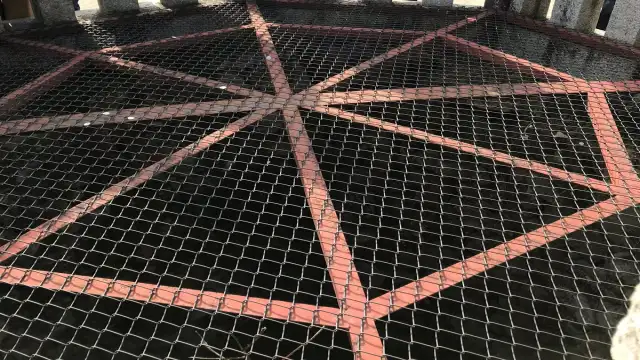
Why it’s eerie: A famous onryō (vengeful spirit) tale – Banchō Sarayashiki – ties to an old well inside Himeji Castle. The ghost Okiku is said to count plates and scream; that image inspired later horror like Ringu.
What’s true: Himeji Castle is real, a UNESCO World Heritage site. The Okiku story is an old kabuki/bunraku tale that became part of the castle’s folklore. The castle displays the so-called Okiku-ido (Okiku’s well), which visitors can see.
Why it matters: This legend mixes documented cultural art (kabuki and bunraku plays from the 18th–19th centuries) with place-based memory. It’s a window into how Japanese ghost tales grew out of social drama betrayal, honor, and revenge rather than random scares.
If you visit: See Himeji Castle by day; respect the site and its history. Don’t go asking locals for ghost-hunting tips at night the castle closes early.
2) Yotsuya / Oiwa Legends – Tokyo area (Myōgō-ji & Oiwa Inari)
![東海道四谷怪談 [歌舞伎]](https://www.gsnsp.com/wp-content/cache/flying-press/3675ccffcbc334a348349df0c915221a.jpg)
Why it’s eerie: Yotsuya Kaidan, written as a kabuki play in 1825, tells of Oiwa betrayed, murdered, becoming a terrifying onryō. Modern J-horror (you know it) borrows from her image.
What’s true: The story is canonical in Japanese theatre; there are real shrines and graves people associate with Oiwa (e.g., Myōgō-ji, Oiwa Inari). Performers traditionally pay respects to Oiwa’s grave before productions.

Why it matters: This is folklore turned cultural practice. The eerie visuals (one eye swollen, trailing hair) helped define horror in Japan. Yet the origin is social drama not an isolated “haunted spot.”
If you visit: You can find Oiwa shrines around Tokyo; go during daytime, read the play’s history, and remember this tale shaped theatre and film.
3) Mount Osore (Osore-zan) – Shimokita Peninsula, Aomori
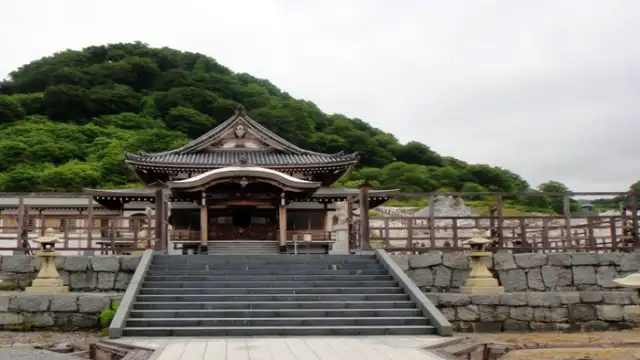
Why it’s eerie: Stark volcanic plains, sulfur vents, and a tradition of spirit-mediums (itako) make this place feel otherworldly. Locals long saw it as an entrance to the afterlife.
What’s true: Mount Osore hosts Bodai-ji temple and a rocky, sulfur-stained landscape that locals and pilgrims regard as liminal a physical image of Buddhist depictions of the “other shore.” It’s a real pilgrimage site with cultural rituals related to the dead.
Why it matters: Instead of cheap “haunted” angles, Osore is spiritual. Families bring memorials; mediums perform rites for the lost. It’s eerie because it means something profound to people.
If you visit: Take it slow. Read the signs at Bodai-ji. Treat shrines and mourners with quiet. The landscape is striking and solemn not a theme-park thrill.
4) Inunaki Village / Old Inunaki Tunnel (Fukuoka area) – urban legend with violent history
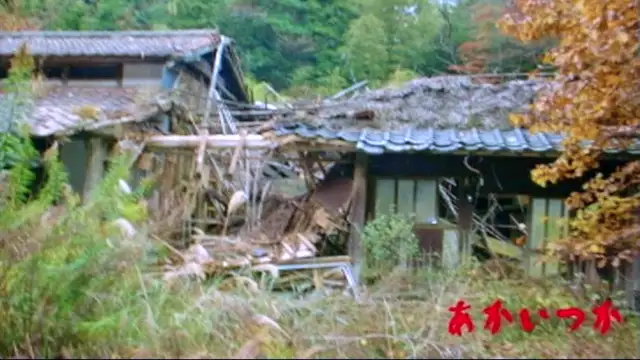
Why it’s eerie: Modern urban legend says a “village” outside the law sits in the mountains a place where strange rules apply. Stories say people vanish. That said, the myth mixes with real crimes near an old tunnel, and that must be handled carefully.
What’s true: The Inunaki Village tale is largely a contemporary urban legend (1990s onward). Nearby, the old Inunaki Tunnel has had a violent crime in the 1980s that feeds local fear; the legend grew on top of that factual backdrop. Don’t romanticize loss.

Why it matters: Urban legends often latch onto real events and then expand. Inunaki shows how rumor + tragic crime create a modern haunted “mythos.” Journalistic accounts warn against trespassing in hazardous, crime-tainted places.
If you visit: Do not trespass. Local authorities and family members of victims deserve respect. Read about the history first and keep curiosity ethical.
5) Hashima Island / Gunkanjima (Nagasaki Prefecture) – abandoned island with a painful past
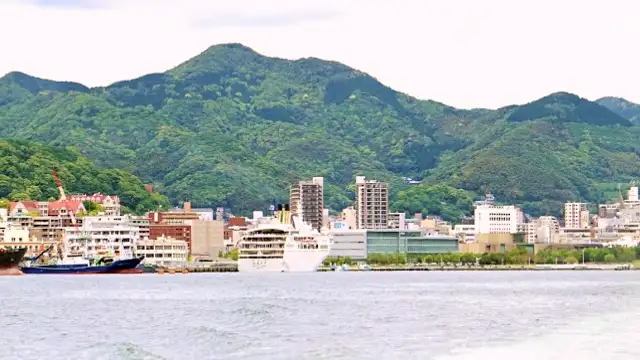
Why it’s eerie: Concrete apartment husks rise out of the sea like a dead city. Tourists call it desolate and ghostly. Yet behind the image is documented forced labor and suffering during Japan’s industrial era. That’s not fodder for spooks.
What’s true: Hashima (Gunkanjima) was a coal-mining island that flourished from the late 1800s to 1974. It’s been the subject of UNESCO recognition tied to Japan’s industrial heritage, and official acknowledgements have noted forced labor of Koreans and others during WWII. The island reopened to guided tourism after safety work.
Why it matters: It’s eerie because human lives were cramped, hard, and some were lost. That history creates an atmosphere but we must emphasize the human cost, not sensationalize it.
If you visit: Only join official tours. Read the historical materials the guides provide. Honor the memory of those who suffered there.
6) Oiran Buchi – Courtesan Gorge (Yamanashi Prefecture)
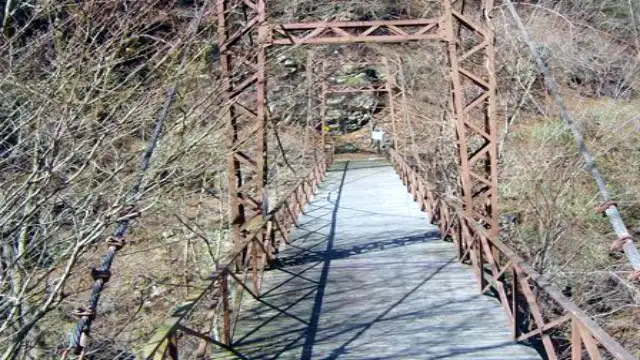
Why it’s eerie: A gorge with a local story: during the Sengoku era, a tragedy allegedly left many women dead, and locals long said the place is haunted by their cries. The story blends history and legend.
What’s true: Oiran Buchi shows up in regional folklore collections and modern guide pieces. Variants exist names, dates, and details shift. Some sources suggest this spot became an oral legend tied to Takeda-era events. That said, documentary confirmation is sparse; this is a powerful local tale rather than a national historic record

Why it matters: Local legends like Oiran Buchi keep difficult histories alive even when paperwork fades. They teach how communities remember victims and how landscape holds memory.
If you visit: Treat it like visiting any memorial: quiet, mindful, and avoid trespassing into unsafe cliffsides.
7) Tōno region (Iwate Prefecture) – a living well of folktales

Why it’s eerie: Rather than one “haunted site,” Tōno is a whole region famed for dozens of yokai and ghost stories collected in Tōno Monogatari (1910). Expect kappa, mountain spirits, and tales where the line between myth and lived memory blurs.
What’s true: Tōno Monogatari by Yanagita Kunio is foundational for Japanese folklore studies; Tōno still celebrates its stories with museums, festivals, and sculpture trails. It’s a cultural hotspot for the eerie and the instructive.
Why it matters: Folklore here is not mere spookiness; it’s a social thread that explained risk, taught kids rules, and created local identity. That’s richer and often eerier than cheap shocks.
If you visit: Take a guided folklore walk, visit the Tōno Monogatari no Kan museum, and listen to elder storytellers. Respect the living culture.
Responsible visiting rules that matter (short checklist)
- Do your homework. Read reliable sources before you go (official tourism pages, UNESCO, regional museums).
- Respect communities and victims. If a place involves crime or forced labor, prioritize remembrance over thrill-seeking.
- Follow local rules. Closed areas stay closed for safety or sanctity.
- No trespassing or reckless exploration. Abandoned structures fall apart. Tunnels and old mines are very dangerous.
- Keep it low impact. If you visit mountains or gorges, practice Leave No Trace.
Why these places still give us goosebumps
- Landscape + silence. Old wells, sulfur plains, and abandoned concrete make a natural stage for imagination.
- Stories that stuck. Kabuki, bunraku, and oral tradition shaped durable images Okiku and Oiwa are examples.
- History + trauma. Where suffering occurred (Hashima, Inunaki Tunnel), the past presses on the present; people feel it.
- Communal memory. Tōno and local shrines keep legends alive through ritual that continuity amplifies eeriness.
Quick reference: sources & further reading
- Himeji Castle official / UNESCO entry (Okiku context) – Japan Travel.
- Banchō Sarayashiki / Yotsuya Kaidan (literary history of Oiwa) – Wikipedia.
- Mount Osore travel/cultural resources (Osorezan as a spiritual site). – Japan Guide.
- Inunaki Village overview and history of the old tunnel incidents. (Urban legend + real crime context) – Wikipedia.
- Hashima Island (Gunkanjima): abandoned island history and UNESCO/forced-labor reporting – Wikipedia.
- Oiran Buchi: local histories and folklore discussions – History of Japan.
- Tōno Monogatari: Tōno tourism resources (foundational folklore) – Tonojikan.
Final take: eerie, but with a conscience
Ghost stories teach us about fear. They also teach us about what communities care not to forget. Some places on this list are spooky because of folklore that shaped culture. Others feel haunted because real suffering happened there. So ask yourself: do you want cheap chills, or a chance to listen to place? If it’s the latter, you’ll get something deeper than a viral photo.

