

Croatia Travel Guide: History, Nature & Secret Spots You’ll Love
Look, we need to talk. You’re planning a trip to Croatia. You’ve seen the photos of Dubrovnik’s walls and the Diocletian’s Palace in Split. And you should. They’re stunning.
But here’s the thing… that’s not the real Croatia. That’s the postcard.
That’s the Croatia that’s shoulder-to-shoulder with thousands of other people, all jostling for the same Game of Thrones selfie. The real, unfiltered, magical Croatia? It’s just around the corner, on an island you can’t pronounce, in a hilltop town steeped in truffles, or in a tiny water-village you’ve never heard of.
As a traveler, I live for the places that locals whisper about. The spots that aren’t in the main brochure. The places that make you feel like you’ve actually discovered something. Croatia is full of them.
So, if you’re willing to take one step off the main tourist drag, this is the list for you. This is the stuff that makes Croatians proud, the places they go to escape. Forget the hype. This is the good shit.
1. Vis Island: The Forbidden Paradise
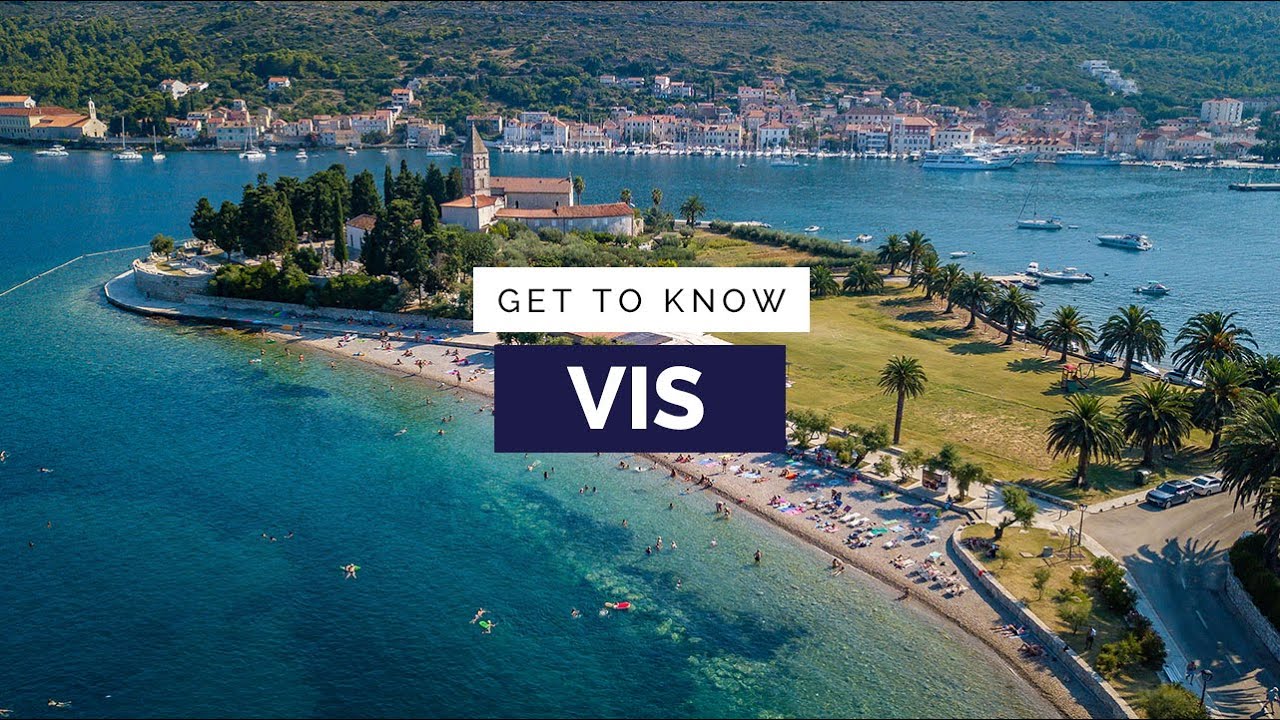
You want to know why Vis is so special? For 40 years, it was forbidden.
From the 1950s until 1989, Vis was a major Yugoslav naval base, totally closed to foreigners. The result? No giant hotels. No tacky tourist traps. The island was literally frozen in time, preserving a kind of sleepy, rugged authenticity that the other islands lost decades ago.
It’s the most fascinating of the main Dalmatian islands. One day, you’re swimming in Stiniva Cove—a breathtaking beach hidden behind a giant cliff-gate—and the next, you’re exploring a bizarre, abandoned submarine tunnel or hiking to Tito’s Cave, the former hideout of the Yugoslav leader.
The island is split between two main towns: the elegant, Venetian-influenced Vis Town and the impossibly charming fishing village of Komiža, which sits at the foot of a mountain. Komiža is the base for trips to the Blue Cave, and yes, you should do it.
- Local Tip: Go to a konoba (tavern) and order “peka.” It’s a traditional dish of octopus or lamb slow-cooked under a bell-like metal lid (the peka) with embers heaped on top. It’s heaven. Also, Stiniva Cove is a nightmare to hike down to (it’s a 25-minute goat path). Do what the locals do: rent a small boat in Komiža and motor in from the sea.
- How to Get There: It’s the farthest inhabited island from the mainland, which is its charm. Take the Jadrolinija car ferry (about 2 hours 20 mins) or the catamaran (about 1 hour 25 mins) from Split. Once there, rent a scooter. It’s the only way to explore.
2. Lastovo Island: The Galaxy Gazers’ Hideout
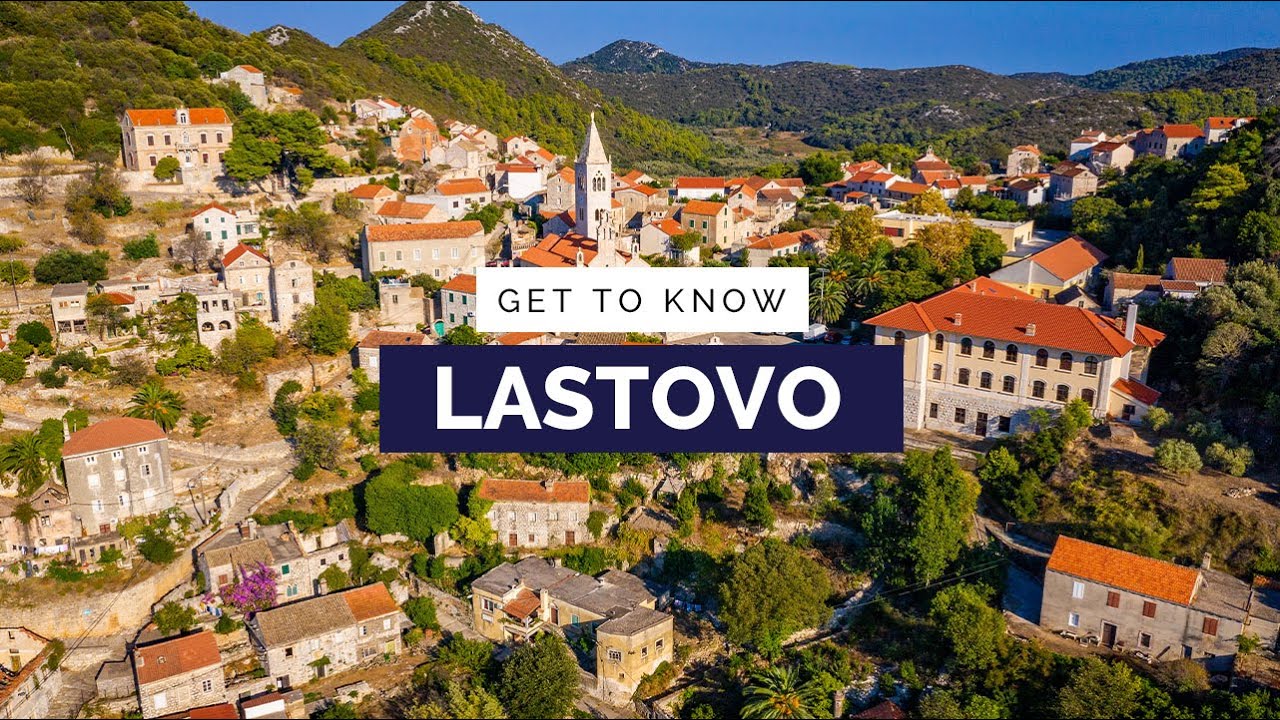
If Vis is “hard to get to,” Lastovo is on another level. This is where you go when you really want to disappear.

The entire 46-island archipelago is a designated Nature Park. It’s remote, it’s wild, and it has a population of… maybe 800 people. Because of its remoteness and lack of light pollution, Lastovo boasts one of the darkest, clearest skies in all of Europe. They don’t just have stars; they have the galaxy.
The main town, also named Lastovo, isn’t even on the coast. It’s built in a hidden, natural amphitheater up in the hills, a defensive move from its pirate-plagued past. The defining feature? The fumari—the bizarre, cylindrical, and sometimes ornate chimneys that pop up from every old stone house. No two are alike; they were a status symbol.
This is not a party island. This is a “hike all day and hear nothing but crickets” island. It’s for diving in crystal-clear water, kayaking to a deserted islet, and eating fish that was caught an hour ago.
- Local Tip: The main port is Ubli. The main town (Lastovo) is a 10-minute drive inland. Find a konoba in a hidden bay like Skrivena Luka (“Hidden Harbor”) and just… be. Also, look up. The stargazing is non-negotiable.
- How to Get There: This is a commitment. A daily catamaran (3 hours) or car ferry (almost 5 hours) connects it to Split. You can also get a catamaran from Dubrovnik (via Mljet). You must rent a scooter or small car to explore.
3. Rastoke: The Real-Life Fairytale Village
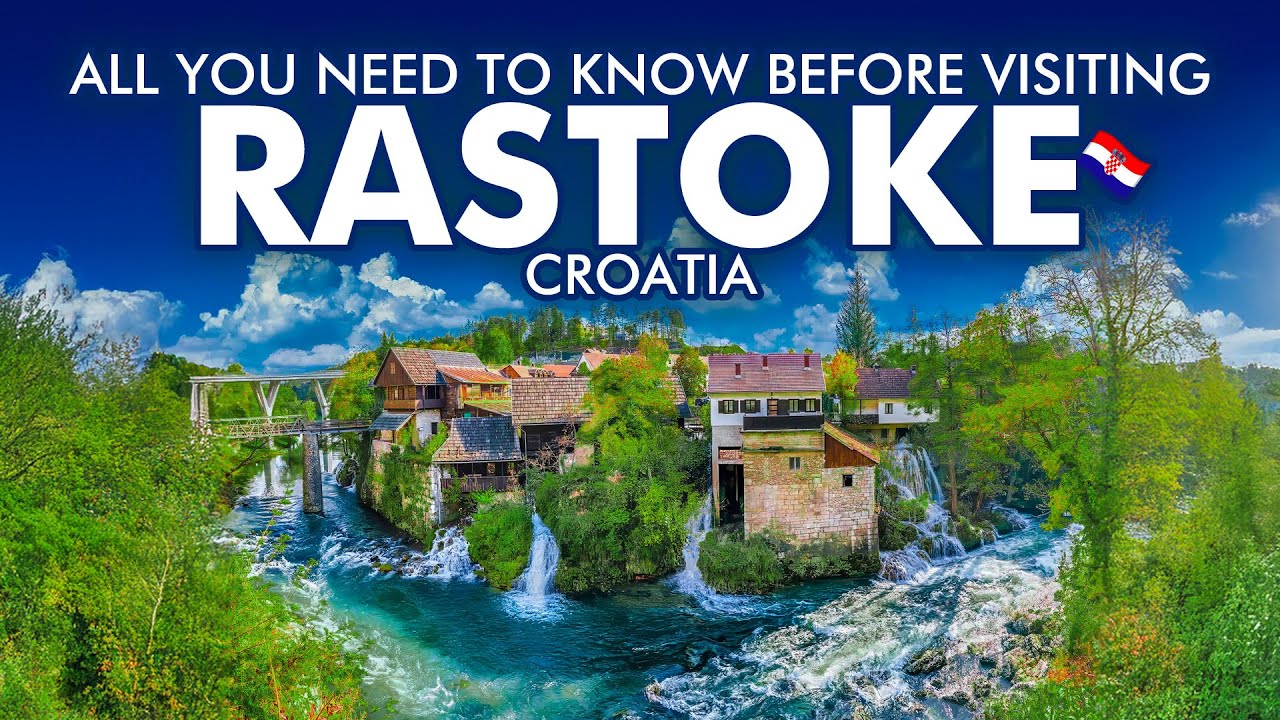
Everyone knows about Plitvice Lakes. And they are, admittedly, incredible. But what if I told you there’s a “mini-Plitvice” that you can sleep in, with almost no crowds?
Welcome to Rastoke.
About 30km before Plitvice, this tiny, historic village is built directly on top of a series of waterfalls where the Slunjčica River smashes into the Korana. It’s a 300-year-old fairytale. Water rushes under houses, through gardens, and between 17th-century watermills.
It’s not a “park.” It’s a living village. You can rent a room in a guesthouse where the sound of a waterfall lulls you to sleep. You can have a beer on a wooden patio built directly over a rushing cascade. It’s the most magical pit-stop in all of inland Croatia, and most people just drive right by.
- Local Tip: Visit in the shoulder season (May or September) when the water is high, but the Plitvice crowds are low. You only need a few hours to explore the whole village, but it’s worth staying the night to see it lit up.
- How to Get There: It’s an easy bus ride from Zagreb (about 1.5-2 hours) heading toward Plitvice. It’s the perfect stop-over.
4. Pag Island: The Moon on Earth (with Cheese)
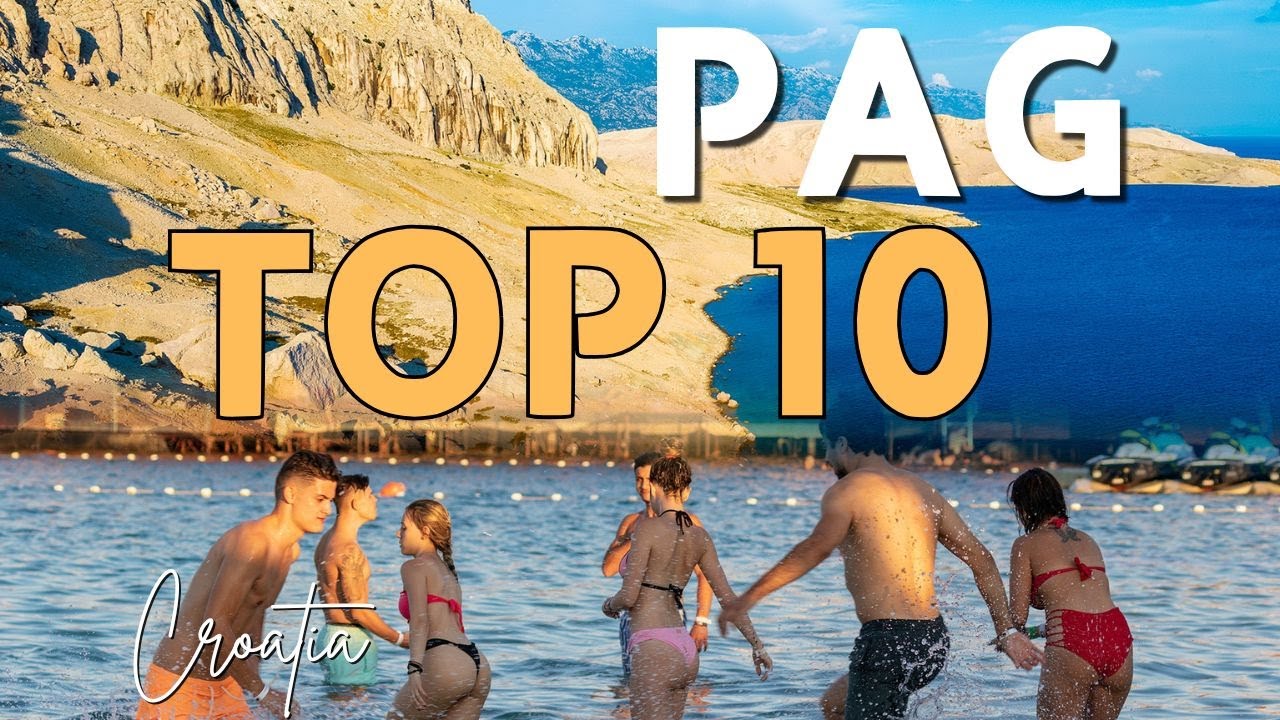
Forget what you’ve heard about Zrće Beach (the “Ibiza of Croatia”). The real Pag Island is a bizarre and beautiful alien world.
The island is split in two. One side is green and lush. The other—the side facing the mainland and the brutal bura wind—is a stark, stunning, and empty landscape of pale rock. It looks exactly like the moon.
This moonscape is where the magic happens. The wind sprays the salty sea over the island, coating the few plants that grow there in a layer of salt. The island’s 30,000-some sheep eat these salty, aromatic herbs (like sage), producing a milk that is used to make Paški sir—the most famous, sharp, and savory cheese in Croatia.
Pag is a trinity of wonders:
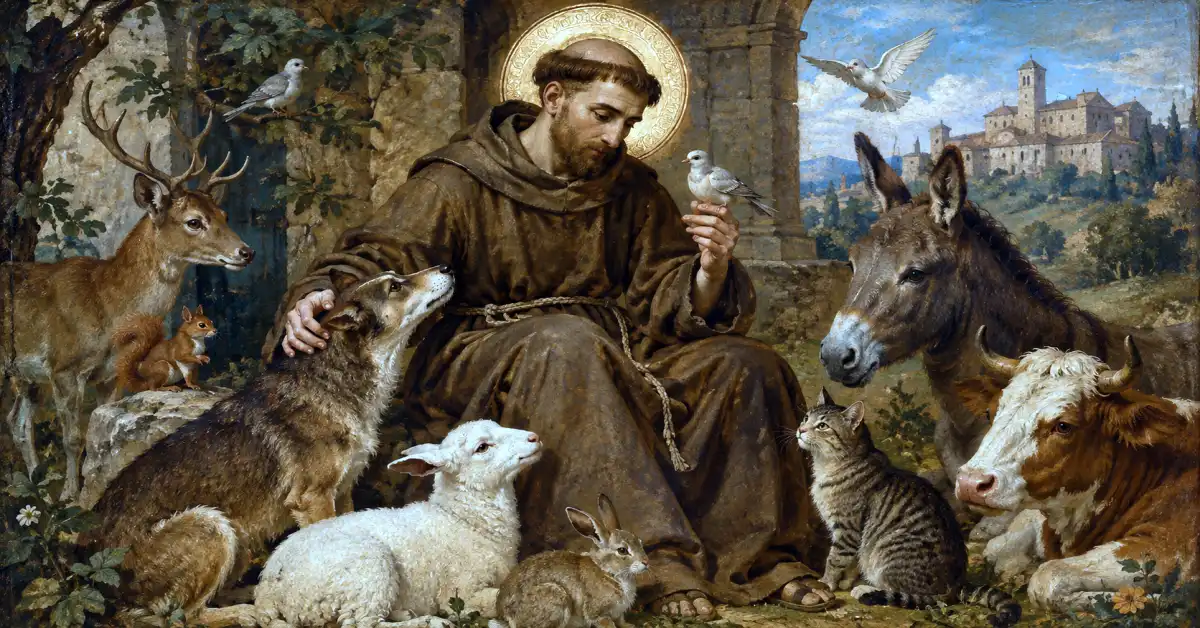
- Pag Cheese: Go find a local producer and taste it. It’s life-changing.
- Pag Lace: A UNESCO-protected, intricate lace so fine it’s made with a needle and thread. You can see women sitting in their doorways, weaving it as they have for centuries.
- Pag Salt: The “white gold” that built the island. Visit the Museum of Salt in Pag Town.
- Local Tip: For the truly adventurous, find the “Life on Mars” trail near Metajna. It’s a rugged, marked hiking path that takes you right into the heart of the island’s most lunar, barren landscape. Bring water and proper shoes.
- How to Get There: Pag is the easy one. It’s connected to the mainland by a bridge, so you can just drive or take a 1-hour bus from Zadar.
5. Pelješac Peninsula: Wine, Oysters, and a Great Wall
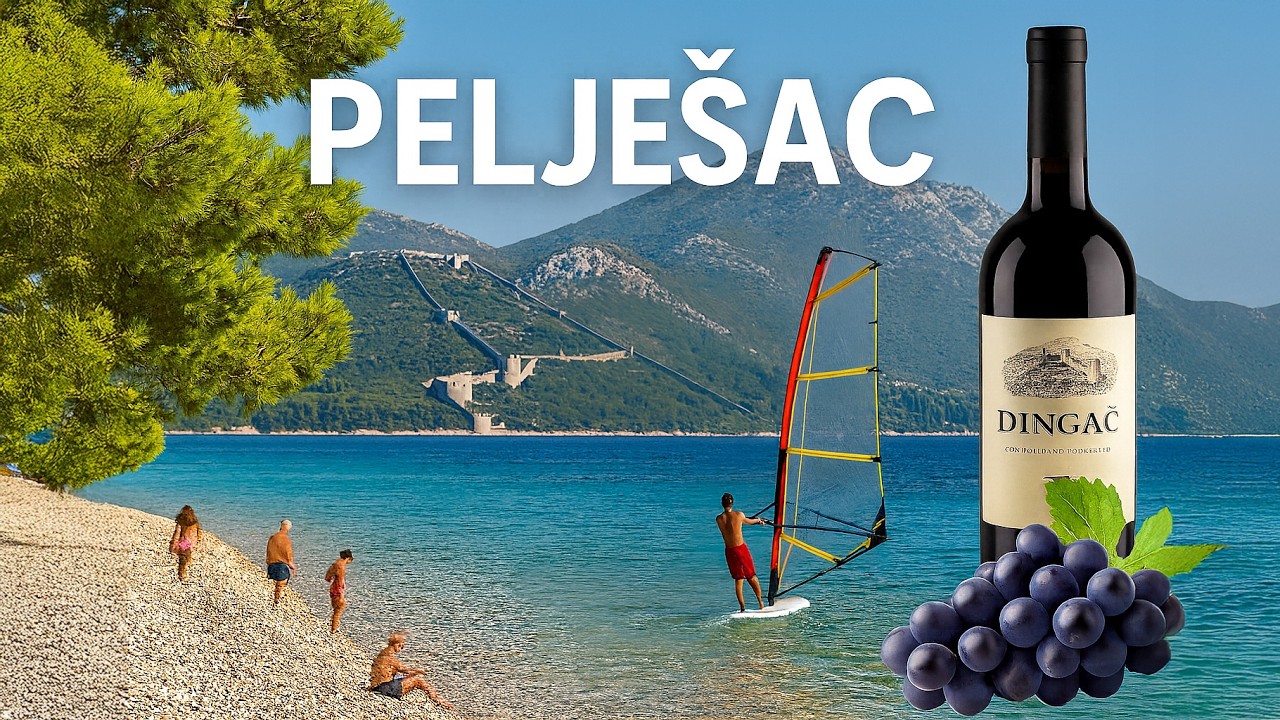
If you are a person who travels for food and wine, just stop reading and book your trip to Pelješac.
This long, rugged peninsula (an hour north of Dubrovnik) is the undisputed heart of Croatia’s red wine country. This is the home of Plavac Mali, the powerful, sun-baked red that’s a genetic cousin to Zinfandel. The most prized (and steepest) vineyards, Dingač and Postup, cling to the seaside cliffs at impossible angles.
But it’s not just wine. The peninsula’s bookend is the town of Ston.
- The Walls: Ston has the “Great Wall of Croatia,” a 7km-long fortified wall from the 14th century that is staggering to see (and climb).
- The Salt: It also has Solana Ston, one of the oldest, still-functioning salt pans in the world.
- The Oysters: The Bay of Mali Ston produces the best oysters in the Adriatic. Period.
- Local Tip: Don’t just eat oysters at a restaurant. Go to Mali Ston and find a local fisherman who will take you on his boat to the oyster beds, pull them from the sea, shuck them, and serve them to you right there with a squeeze of lemon and a splash of local wine. It’s the ultimate culinary flex.
- How to Get There: A car is essential. It’s an easy and beautiful drive from Dubrovnik. This is a road trip destination, meant to be explored slowly, stopping at every “Vino” sign you see.
6. Grožnjan & Motovun: The Truffle-Scented Hilltops of Istria
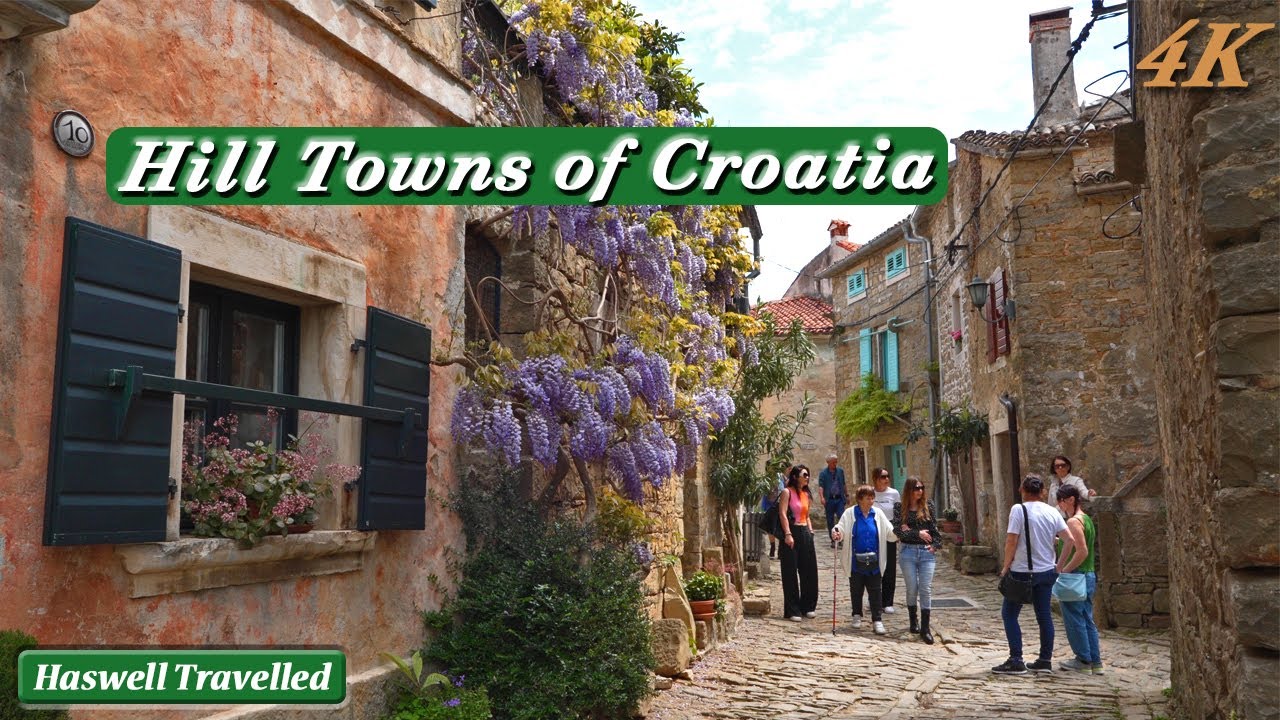
While everyone flocks to the coast, the soul of the Istria region is in its medieval hilltop towns. They’re like a less-crowded, more-affordable Tuscany. The two stars are Grožnjan and Motovun.
Grožnjan (“The Town of Artists”): This tiny, stone village was nearly a ghost town in the 1960s. Then, the government gave the empty houses to artists from all over Yugoslavia. Today, it’s a living art colony. You can’t walk 10 feet without stumbling into a private gallery, a sculptor’s studio, or a tiny courtyard with a jazz trio practicing.
Motovun: This is the dramatic one. A medieval fortress-town perched on a 1,000-foot-high hill, it rises from the morning mist of the Mirna Valley like something from a fantasy novel. This valley is also the heart of Croatia’s truffle-hunting lands. The restaurants in Motovun are all about truffle pasta, truffle steak, and truffle-infused everything.
- Local Tip: Visit Grožnjan in the late afternoon when the galleries are all open and the light is golden. Then, drive to Motovun for an early sunset dinner overlooking the valley.
- How to Get There: You need a car. This is the joy of Istria. Rent a car from Pula or Rovinj and spend a day (or three) getting lost in the hills.
7. Kornati National Park: A Sailor’s Lunarscape
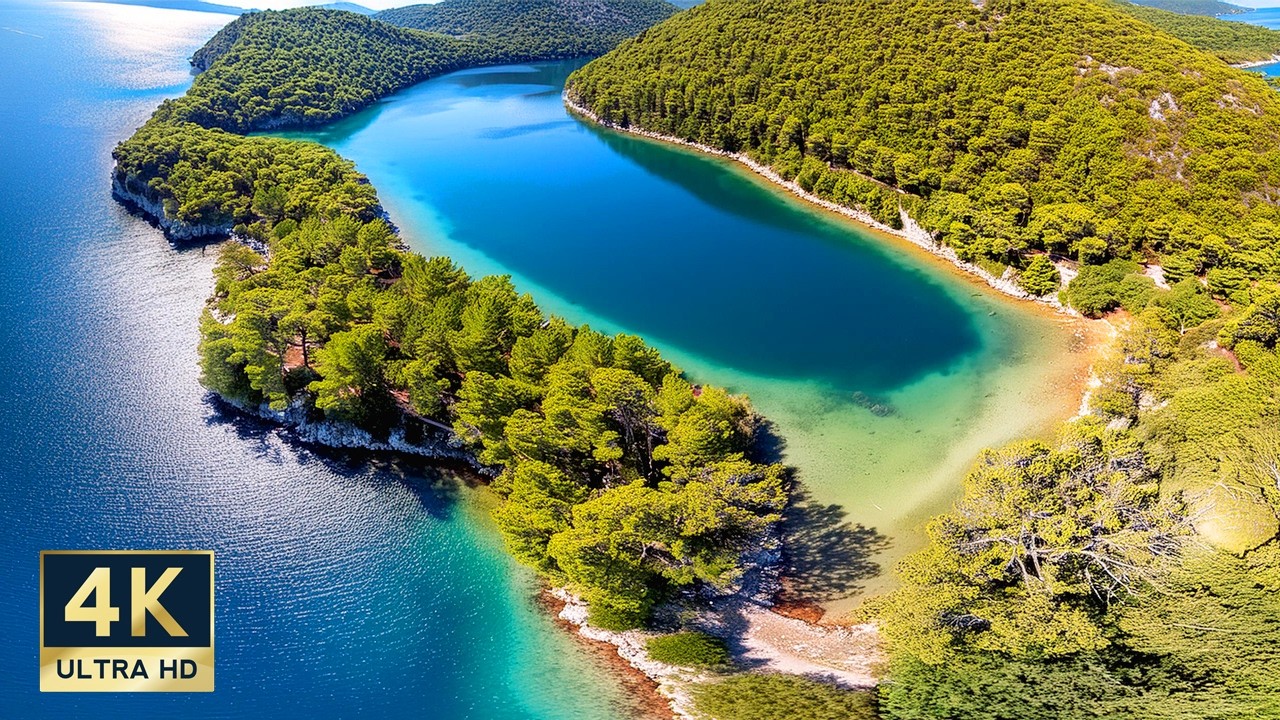
This is not a park you “hike.” This is a park you sail.
The Kornati archipelago is a “nautical paradise” of 89 uninhabited islands, islets, and reefs. It’s a dense cluster of limestone and chalk that looks like a fleet of white, stone-skinned whales sleeping in the deep blue Adriatic.
There are no real trees. No towns. No soil. It’s just sun, stone, and the clearest water you’ve ever seen. The most famous feature is the “crowns” (krune), the dramatic vertical cliffs on the outer islands that plunge straight into the sea.
This is a place of profound, beautiful emptiness. You sail for an hour, drop anchor in a silent, turquoise bay, and swim completely alone.

- Local Tip: You don’t need to be a sailor. Dozens of day-trip boats leave from Zadar, Šibenik, and (closest of all) Murter. For a real local experience, find a konoba on an island like Ravni Žakan. These are tiny, rustic restaurants in secluded bays, often run by fishermen, that serve one thing: whatever they caught that morning.
- How to Get There: By boat, and only by boat.
8. Mljet Island: The Mythical “Green Island”
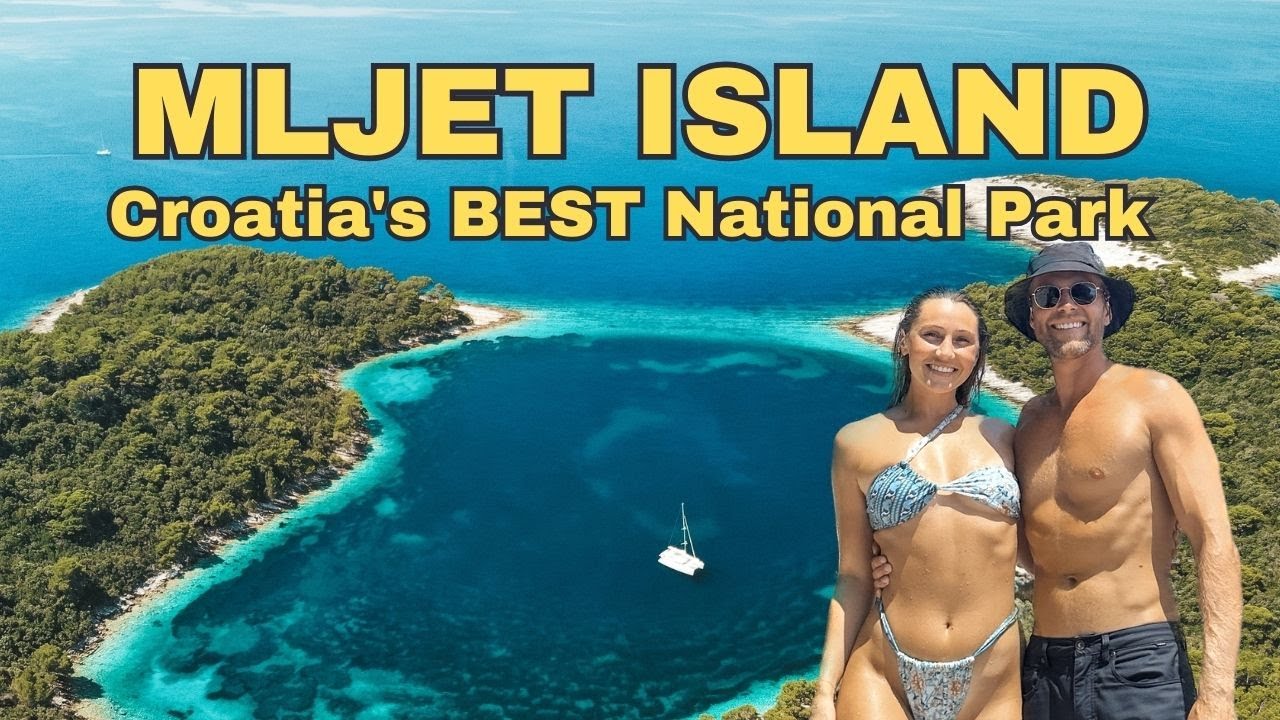
Mljet is the most seductive of Croatia’s islands. While other islands are rocky, Mljet is a blanket of lush, dense forest. It’s so green it’s almost primal.
The western third of the island is a National Park with a unique treasure: two deep, emerald-green saltwater lakes, Veliko and Malo Jezero (“Big Lake” and “Small Lake”). In the middle of the Big Lake is another tiny island, St. Mary’s, topped by a 12th-century Benedictine monastery. It’s an island, on a lake, on an island.
The other must-see is Odysseus Cave. According to legend, this is where the nymph Calypso held Odysseus captive for seven years. It’s a massive sea cave that you have to swim into from the open ocean. At midday, the sun floods in, turning the water an electric, otherworldly blue.
- Local Tip: The best way to explore the National Park is to rent a bike at Mali Most (the bridge between the two lakes). The path around the lakes is flat, shaded, and stunning. For Odysseus Cave, park on the main road at Babino Polje and follow the steep 20-minute trail down. It’s a cliff-jumping hot spot.
- How to Get There: Easy. It’s a popular catamaran day trip from Dubrovnik (about 90 minutes).
9. Šibenik: The Real Dalmatian City
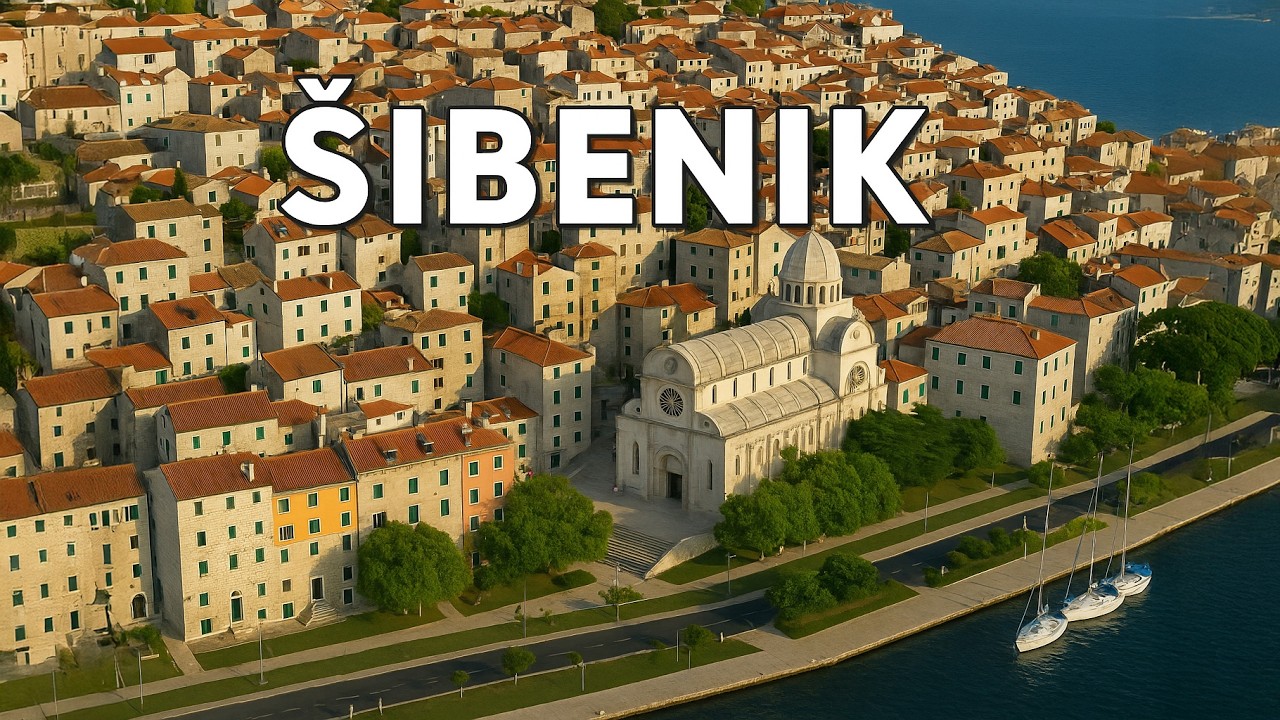
Want to know what Split felt like 20 years ago? Go to Šibenik.
It’s the only major Dalmatian city that was actually founded by Croatians (not Greeks or Romans), and it has a proud, authentic, non-touristy vibe. The old town is a maze of stone alleys, and it’s dominated not by one, but by four sea fortresses.
The crown jewel is the Cathedral of St. James, a 15th-century masterpiece made entirely of interlocking stone, with no mortar. It’s a UNESCO World Heritage site.
Šibenik is the perfect base. It’s less chaotic than Split, and it’s the gateway to two national parks: Kornati (by sea) and Krka (a 20-minute bus ride inland, famous for its swimmable waterfalls).
- Local Tip: The best thing to do is buy a ticket to St. Michael’s Fortress just before dusk. It’s been converted into a stunning open-air theater and has the single best sunset view in the city, looking out over the entire archipelago.
- How to Get There: It’s a major hub. Easy bus access from Split (1.5 hours) or Zadar (1 hour).
10. Omiš: The Pirate Town in the Canyon
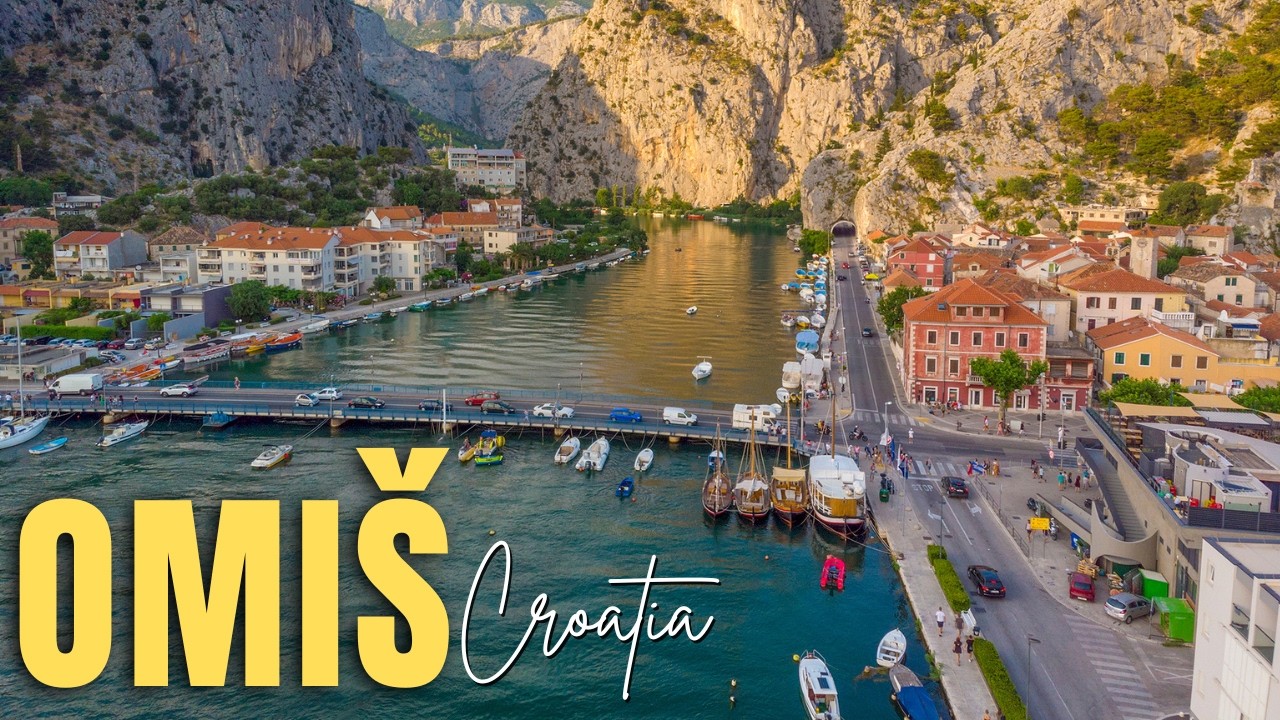
Omiš is impossible to miss. It’s a tiny town squeezed onto a river delta between the sea and the massive, red-rock canyon of the Cetina River.
This was, for centuries, the home of the Omiš Pirates. They used their fast, shallow-bottomed boats (called Sagitta) to dash out of the river, raid Venetian trade ships, and then retreat back into the canyon where the big, bulky Venetian ships couldn’t follow.
Today, that canyon is an adrenaline-junky’s playground. You can go white-water rafting in the calm, green water or, for the truly brave, do the zipline. We’re talking 8 different wires strung across the canyon, hundreds of meters up, one of which is 700 meters long.
- Local Tip: For the best view of your life, hike to the Fortica (Starigrad) Fortress. It’s a 15th-century pirate lookout perched on the very peak of the mountain ridge. There’s a “hard” 45-minute trail and an “easy” 90-minute trail. The view from the top—looking down on the town, the canyon, and the island of Brač—is something you will never forget.
- How to Get There: It’s a 30-45 minute bus ride south of Split. You can’t miss it.
So, what’s your pick? Are you ready to hunt for truffles in Istria, or would you rather sail the empty islands of Kornati? Drop a comment below with your favorite “hidden gem” or the one you’re dying to visit!

