

Midsommar Ending Explained: Rune Meanings, Real Folklore, and Dani’s Final Choice
Ever finished a movie and just stared at the blank wall for a solid ten minutes? Yeah, Ari Aster’s 2019 folk horror film Midsommar tends to have that exact effect. Between the relentless daylight, the bizarre communal rituals, and that unforgettable bear suit, the film leaves viewers with a ton to unpack. But beneath the raw shock value lies a meticulously crafted story. Ultimately, it explores grief, bad breakups, and finding your family even if that family is a murderous Swedish cult.
So, what actually happened in the final act? Was any of that terrifying festival based on real history? And seriously, what was up with all those mysterious symbols stitched into everyone’s clothes?
Key takeaways
- Dani’s Choice: By sacrificing Christian, Dani sheds her toxic past and embraces a twisted but cathartic rebirth.
- Hidden Runes: The film uses real Elder Futhark runes (like Tiwaz and Raidho) to foreshadow deaths and reveal secret motivations.
- Fact vs. Fiction: While Swedish Midsummer is very real (and mostly involves eating herring), Aster exaggerated ancient myths like Ättestupa to create cinematic horror.

The Midsommar ending explained: fire, bear suits, and rebirth
First off, let’s quickly recap the fiery finale. After winning the grueling Maypole dance, Dani is officially crowned the May Queen. Subsequently, she is forced to make a harrowing decision. The Hårga commune needs nine human sacrifices to complete their 90 year purging ritual. Already, four outsiders have been killed. Additionally, four loyal Hårga members volunteer to die. Therefore, Dani must pick the ninth and final victim: a random cult member or her terrible, emotionally distant boyfriend, Christian.
Spoiler alert: She picks Christian.

Unsurprisingly, his fate is brutal. He gets stuffed into a hollowed out bear carcass. Next, the cult places him inside a yellow, pyramid-shaped temple alongside the other sacrifices. They deliberately set the building ablaze. As the flames roar, the Hårga cultists wail and scream, physically mirroring the pain of the burning victims. Meanwhile, Dani watches from a distance. Initially, she cries in absolute agony. Then, slowly, her face shifts into a chilling, genuine smile.
Why does this matter? Because the ending isn’t just about cult violence. Fundamentally, Aster created a breakup movie wrapped in a nightmare. The burning temple represents Dani completely purging her past trauma. She destroys her dead end relationship and her agonizing grief in one fiery swoop.
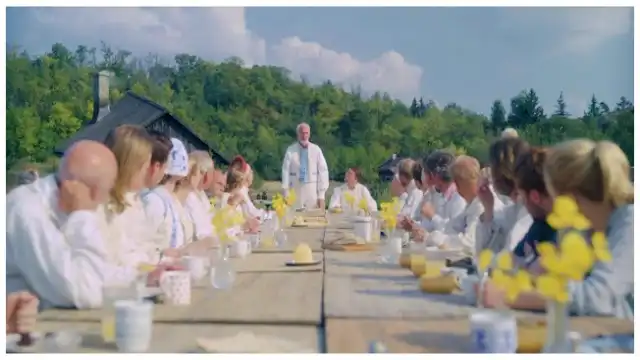
Decoding the runes: What the elder futhark symbols actually mean
If you pay close attention, Midsommar is practically dripping with runes. Specifically, Aster heavily utilized the Elder Futhark, which is the oldest form of the runic alphabet. Interestingly, these aren’t just cool set decorations. Instead, they act as hidden spoilers for the entire plot.
Here are a few major symbols to look out for:
- Tiwaz (ᛏ): Shaped like an upward arrow, this rune symbolizes honor, justice, and self sacrifice. It is also directly tied to masculine energy and the Norse god Týr. Christian wears a shirt with Tiwaz on it right before his disturbing mating ritual. Furthermore, the Maypole itself is shaped exactly like this rune, hinting at the sacrifices to come.
- Fehu (ᚠ): This F-shaped symbol means wealth or power. Pelle, the guy who lured his friends to the cult, wears this on his tunic. Ultimately, he views his friends as currency to buy his own high status within the community.
- Raidho (ᚱ) and Dagaz (ᛞ): Dani’s intricate May Queen dress features these two specific runes. Raidho normally means a journey or evolution. However, on her dress, it is backward (or merkstaved). When a rune is inverted, it takes on a dark meaning, suggesting delusion or a path to death. Meanwhile, Dagaz represents an awakening or the dawn. Even though Dani thinks she is having a positive rebirth, the inverted runes suggest she has been entirely swallowed by darkness.
- Ansuz (ᚨ): Representing knowledge, this rune is carved into Josh’s severed foot after he is murdered. Why? Because he was killed for snooping and trying to steal the cult’s sacred knowledge. It is a very sick, dark joke by the director.
Moreover, the film uses a literal blood tablet to spell out the ending. Before jumping off the cliff, an elder wipes her bloody hands on a stone grid. That tablet features runes like Gebo (gift) and Pertho (secrets), practically charting out the exact human gifts the cult requires.

Real swedish folklore vs. ari aster’s acid-trip horror
Now, you might be wondering: Is any of this actually legal in Sweden?
Thankfully, no.
Real Swedish Midsummer is a highly beloved national holiday that celebrates the summer solstice. In reality, the festival involves families heading to the countryside to relax. They wear flower crowns, dance like frogs around a maypole, and eat pickled herring with fresh potatoes. Nobody is getting sacrificed in a bear suit. Also, the festival happens every single year, not every 90 years.
However, Aster didn’t just pull his scares out of thin air. He heavily researched Norse mythology and twisted real folklore to build the terrifying Hårga cult.
- The Ättestupa (Cliff Jumping): One of the film’s most shocking scenes happens when two 72 year old elders willingly jump off a cliff. Believe it or not, Ättestupa is a real concept in Nordic folklore. Ancient myths claim that elderly people in prehistoric times would throw themselves off cliffs to avoid becoming a burden to their families. Historians heavily debate if this actually ever happened. Regardless, Aster uses it to show the cult’s terrifying devotion to the life cycle.
- The Dancing Plague: The grueling competition where Dani wins her crown is based on a real Swedish legend called the Hårgalåten. According to the myth, the devil disguised himself as a fiddler. He then forced the young people of Hårga to dance until their literal flesh fell off their bones.
- Pubic Hair Love Spells: Remember when Christian found a disturbing surprise baked into his meat pie? While modern Swedes definitely do not do this, hiding hair or bodily fluids in food was a genuine, medieval love spell used in certain parts of Europe. Gross, but historically accurate!
Why did dani smile? The psychology of her final choice
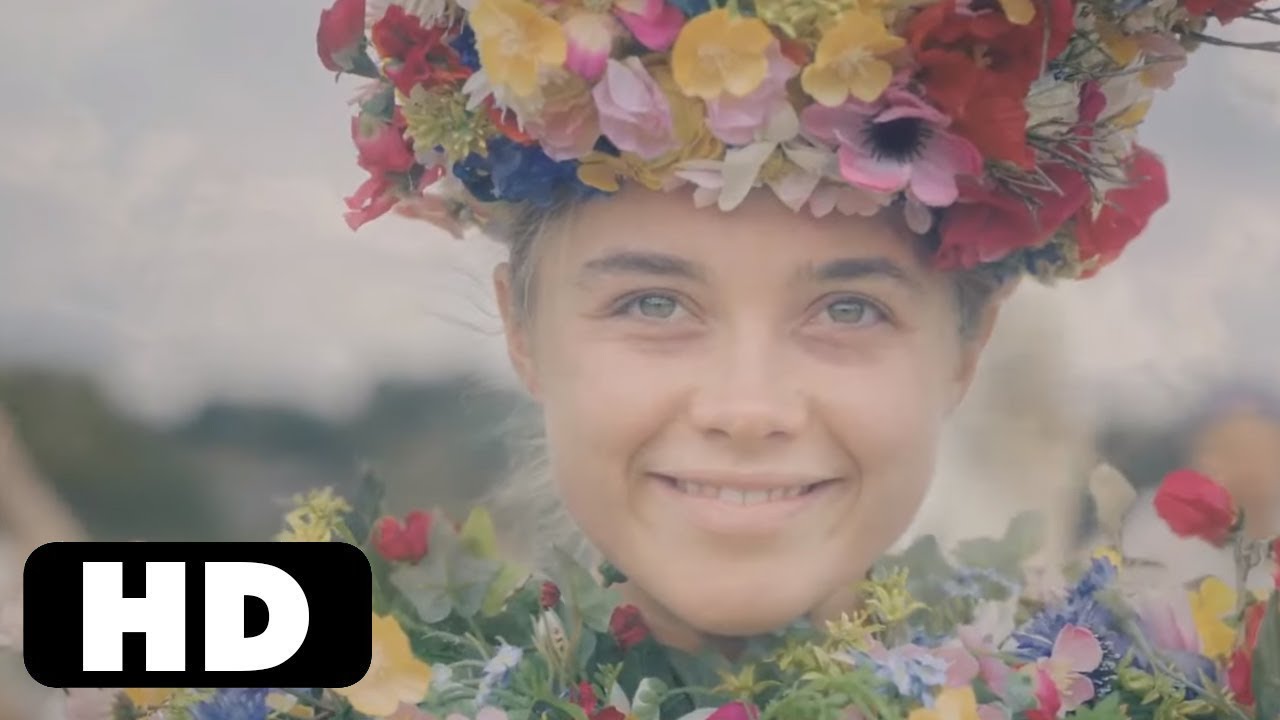
Let’s talk about that lingering final shot. Dani’s smile is arguably the most unsettling part of the whole movie. But to understand it, we have to look closely at her emotional journey.
At the start of the film, Dani suffers an unimaginable tragedy. Her sister kills herself and their parents with carbon monoxide, leaving Dani entirely alone. To make matters worse, her boyfriend Christian is gaslighting her. He remains emotionally distant and actively wants to break up with her. Consequently, she is desperately looking for a family to hold her.
The Hårga cult recognizes this intense vulnerability. They don’t just brainwash her; they validate her feelings. When she discovers Christian cheating on her (even though he was heavily coerced by the cult), the Hårga women immediately surround Dani. They mimic her breathing. They wail with her. For the first time in her life, she isn’t crying alone.
By choosing Christian to burn, Dani severs her final tie to the outside world. She isn’t just killing a bad boyfriend. She is killing her old, painful life. The smile at the end shows her fully surrendering to the cult’s embrace. She has finally found a community that shares her pain, making Midsommar a strangely twisted fairy tale. She starts as an orphaned, grieving girl and ends as a powerful queen.
Should you be scared of midsummer?
Absolutely not. If a Swedish friend invites you to their summer cottage in June, go! You will likely just get a mild sunburn and a headache from drinking too much aquavit. Aster’s true genius lies in taking something beautiful and isolating the insider vs. outsider anxiety to create pure dread.
What are your thoughts?
Did you catch any other hidden meanings in the background of Midsommar? Was Dani’s smile a sign of pure insanity, or did she finally find the family she deserved? Drop your theories in the comments below! And if you loved this deep dive into movie mythology, be sure to share this article with your favorite horror-loving friend.

