

Bangkok to Chiang Mai Sleeper Train vs Flight: Which Is Better?
So, you are planning a trip to the mountain paradise of northern Thailand. You have explored the glittering temples of Bangkok, stuffed yourself with street food, and now you are ready to head north. But one massive logistical question stands in your way. Should you book a ticket on the famous overnight sleeper train, or should you just catch a quick flight?
This classic travel dilemma divides the backpacking community. On one side, purists insist that rolling across the Thai countryside under the cover of darkness is an essential rite of passage. On the other side, pragmatists argue that spending half a day on a steel track is an absolute waste of precious vacation time.
Both methods have unique advantages, hidden costs, and specific trade-offs.
At a glance
- The Time Equation: A flight takes only 75 minutes in the air, while the overnight train requires 11 to 14 hours of travel time.
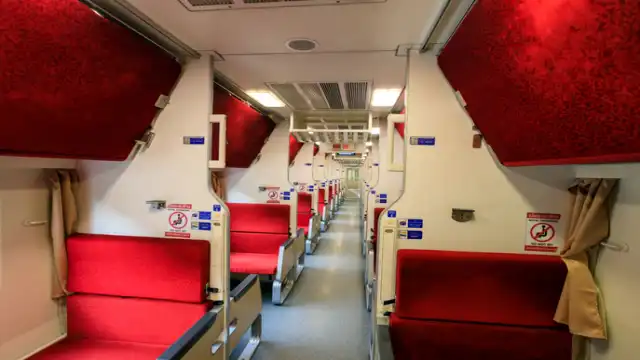
- The Comfort Factor: Lower berths on the modern Chinese-built trains offer surprisingly spacious beds, private curtains, and individual power outlets.
- The Real Cost: Budget flights often look cheaper on paper, but hidden baggage fees can quickly make them more expensive than a train ticket.
- The Ultimate Verdict: Choose the train if you want an adventurous, eco-friendly experience that saves you the cost of a hotel room. Choose the flight if your itinerary is tight and you value speed above all else.
The Big Showdown: Flight vs. Rail at a Glance
Before diving into the granular details of both options, let’s look at how they stack up side-by-side across the metrics that matter most to travelers.
| Metric | Overnight Sleeper Train (Special Express #9) | Domestic Flight (Budget Airline) |
| Travel Time | 11 hours, 35 minutes | 1 hour, 15 minutes (airtime only) |
| Departure Hub | Krung Thep Aphiwat Central Terminal | Suvarnabhumi (BKK) or Don Mueang (DMK) |
| Average Ticket Cost | 1,000 to 1,450 THB ($28 – $40 USD) | 1,200 to 2,500 THB ($33 – $70 USD) |
| Luggage Allowance | Up to 40 kg (free) | 7 kg carry-on (checked bags cost extra) |
| Accommodation | Saves you the cost of a hotel night | Requires booking a hotel for that evening |
| Carbon Footprint | Extremely low | High environmental impact |
The Overnight Train Experience: Romance on the Rails
Riding the night train up north is one of the most popular rail journeys in Southeast Asia. It is not just about getting from point A to point B. The journey itself serves as a core part of your travel adventure.
Train Options and Schedules
The State Railway of Thailand (SRT) operates several trains along the northern line every single day. However, not all trains are created equal. If you want the cleanest, most comfortable ride, you must target the Special Express Train #9 (outbound from Bangkok) and Train #10 (return from Chiang Mai).
These specific routes utilize modern, Chinese-built CNR carriages. They feature bright LED lighting, automated display screens, clean vacuum-flush toilets, and remarkably smooth suspension.
- Train #9 (Recommended): Departs Bangkok at 18:40, arrives in Chiang Mai at 07:15 the next morning.
- Train #13: Departs Bangkok at 20:05, arrives in Chiang Mai at 08:40. This option uses slightly older rolling stock but remains perfectly functional.
Classes and Comfort: The Upper vs. Lower Berth Battle
For the vast majority of travelers, the 2nd Class AC Sleeper is the absolute sweet spot. During the day, the carriage features pairs of wide, comfortable seats facing each other across a central aisle.
Around 8:00 PM, a train attendant moves down the aisle like a clockwork magician. They expertly flip the seats down, pull an upper bunk out of the ceiling, and transform the entire space into cozy bunk beds. The attendant dresses each bed with fresh, crisp sheets, a pillow, and a blanket sealed in plastic.
When booking your ticket, remember this crucial tip: always pay the small premium for a lower berth.

Why does the lower bed win every single time? It is significantly wider than the top bunk, giving you plenty of room to stretch out. You also get a large window to watch the sunrise crawl over the misty northern mountains. The top bunk sits closer to the bright ceiling lights, which stay on all night, and the freezing air conditioning vents will blow directly onto your face.
If you value total isolation, you can spring for a 1st Class AC Sleeper. These private, lockable two-berth cabins feature a private washbasin. They sell out weeks in advance because each train only carries a single first-class carriage.
Life Onboard: Food and Amenities
Can you buy food on the train? Yes, but the experience has changed. The beloved old dining cars with open windows and cold beers are gone. The modern dining car serves pre-packaged, microwaved meals that are relatively expensive and generally uninspiring.
Save your money and pack a picnic instead. Before boarding, hit up one of the many food stalls or convenience stores inside the station. Stock up on fresh fruit, sticky rice, snacks, and plenty of water. Keep in mind that alcohol is strictly banned on all Thai trains, and staff aggressively enforce this rule.
The Flight Alternative: Fast, Cheap, and Functional
If your vacation time is strictly limited, spending half a day on a slow-moving train might feel like a luxury you cannot afford. That is where domestic aviation steps in to save the day.
Airline Choices and Baggage Traps
Bangkok is blessed with an incredibly competitive domestic aviation market. Multiple airlines fly the route to Chiang Mai International Airport (CNX) dozens of times every single day.
You can choose between premium carriers or a fleet of budget operators. Your choice of airline will dictate which airport you use in Bangkok:
- Suvarnabhumi Airport (BKK): The main international hub hosts full-service flights from Thai Airways and Bangkok Airways, alongside budget options like Thai Vietjet and Thai AirAsia.
- Don Mueang International Airport (DMK): The older, low-cost carrier hub serves as the primary base for Thai Lion Air, Nok Air, and the bulk of Thai AirAsia’s domestic network.
Airfares fluctuate wildly based on how far in advance you book. During off-peak seasons, you can regularly find one-way tickets on budget apps for as low as 1,200 THB ($33 USD).
But watch out for the hidden fees! Low-cost carriers enforce a strict 7 kg limit for carry-on luggage. If you are traveling with a heavy backpack or a rolling suitcase, you will have to pay for checked baggage. Adding a 20 kg bag online can easily double the base price of your ticket, instantly destroying the perceived savings.
   [BUDGET FLIGHT PRICE MATRIX]
                │
  Base Fare: 1,200 THB
                │
                ├── Add 20kg Checked Bag (+600 THB)
                ├── Add Seat Selection (+150 THB)
                └── Add Airport Transport (+300 THB)
                │
                ▼
   True Minimum Cost: 2,250 THB
The Hidden Time Traps of Flying
Airlines boast a flight time of just 75 minutes. That sounds incredibly fast, right? Do not let that number fool you. When you calculate the true door-to-door transit time, flying loses a lot of its speed advantage.

Let’s do the actual math. You need to take a taxi or airport rail link out to the terminal, arriving at least two hours before your domestic departure. Factor in the flight time, the wait at the baggage carousel in Chiang Mai, and the taxi ride into the Old City.
Suddenly, your 75-minute flight has transformed into a four or five-hour logistical headache. You have spent half a day packing, unpacking, taking off your shoes at security, and sitting in cramped plastic seats.
Cost Breakdown: Baht for Baht
Let’s look at the financial reality. Many travelers choose the flight because a base ticket on a budget airline sometimes costs less than a second-class train ticket. This is a classic false economy.
When you ride the sleeper train, your ticket pulls double duty. It acts as your transportation and your hotel room for the night. By sleeping on the rails, you completely eliminate the cost of a hotel night in Bangkok or Chiang Mai.
Furthermore, train stations sit right in the heart of both cities. You can walk or take a cheap local bus directly to your accommodation. Airports, conversely, are located far out on the city fringes, forcing you to pay for expensive highway taxis or airport shuttle buses.
The Environmental Impact: Travel with a Clean Conscience
Are you trying to minimize your carbon footprint while traveling? Then the train is the undisputed champion of this matchup.
Aviation is one of the fastest-growing contributors to global greenhouse gas emissions. Short-haul flights, like the hop from Bangkok to Chiang Mai, are particularly inefficient because airplanes burn an immense amount of fuel simply getting off the ground and reaching cruising altitude.
Taking the train uses a fraction of the energy per passenger. It allows you to explore the beauty of Thailand without contributing to the environmental degradation of the fragile ecosystems you are coming to visit.
Station and Airport Logistics: Navigating the Hubs
The physical experience of departing from Bangkok varies wildly depending on your chosen mode of transport.
Krung Thep Aphiwat Central Terminal
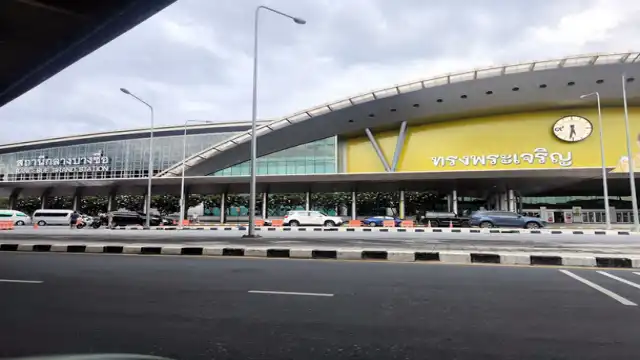
If you choose the rail option, you will depart from the massive, ultra-modern terminal formerly known as Bang Sue Grand Station. This architectural giant replaced the historic, charmingly cramped Hualamphong Station for long-distance train routes.

Navigating the new terminal is incredibly straightforward. The station connects directly to the MRT Blue Line subway system, making it easy to reach from anywhere in central Bangkok. The departure halls are vast, air-conditioned, and clearly signposted in both Thai and English.
You do not need to show up hours in advance. Arriving 30 to 45 minutes before departure is plenty of time to grab some snacks, locate your platform, and climb aboard.
How to Book: Securing Your Spot
If you have decided to take the train, you need to act fast. Because the night train is incredibly popular with both foreign tourists and local Thais traveling home for the weekend, tickets sell out quickly.
The State Railway of Thailand opens its booking window 90 days in advance for long-distance routes like Bangkok to Chiang Mai. You can purchase tickets directly through the official SRT D-Ticket Website. The site can be a bit slow and occasionally rejects international credit cards.
If you run into issues with the official portal, use a reputable online booking agent like 12Go Asia or Baolau. These platforms charge a tiny service fee, but they offer a vastly superior user interface, reliable customer support, and seamless international payment options.
The Final Verdict: Which One Wins the Crown?
We have weighed the data, checked the costs, and analyzed the logistics. The winner ultimately depends entirely on your personal travel style and schedule.
Go for the Sleeper Train if:
- You have a flexible schedule: You aren’t operating on a strict, tight timeline.
- You love the journey: You view travel as an experience to be savored, not a chore to be rushed.
- You are on a budget: You want to combine your transportation and accommodation costs into a single ticket.
- You hate luggage restrictions: You want to pack as much as you want without worrying about baggage scales.
Go for the Flight if:
- Time is your most valuable asset: You only have a week or two to see the entire country.
- You are a light sleeper: The gentle rocking and occasional metallic clunk of a train track will keep you awake all night.
- You love travel rewards: You have airline miles or credit card points you want to burn on domestic hops.
Whichever option you choose, the journey from the frantic energy of Bangkok to the misty, mountainous calm of Chiang Mai is a highlight of any Thai adventure. Pack your bags, double-check your booking dates, and get ready to explore the North!
What About You?
Are you team train or team plane? Do you prefer the romantic, slow-paced charm of the overnight rail, or do you prefer to get to your destination as fast as humanly possible?
Let us know your experiences in the comments below! If you found this comparison helpful for your trip planning, share it with your favorite travel partner.

