

Japan on a Budget: Konbini Food and Capsule Hotels Survival Guide
Have you ever dreamed of wandering through the neon-lit streets of Tokyo or exploring Kyoto’s ancient shrines? For many, that dream gets sidelined by a common fear: Japan is too expensive. We have all heard the stories of $100 melons and eye-watering taxi fares.
But here is a secret. Visiting Japan on a tight budget is entirely possible if you change how you sleep and eat.
In 2026, the global economy has shifted, and Japan has experienced some domestic inflation. Even so, the current strength of foreign currencies against the Japanese Yen makes it a golden era for international travelers. By utilizing two staples of local life — capsule hotels and convenience stores (konbini) — you can easily explore this beautiful country on a shoestring budget. Let us dive into how you can make this dream trip a reality.
Quick read
- Lodging: Capsule hotels cost roughly ¥3,500 to ¥6,500 ($22 to $41 USD) per night. They are ideal for solo travelers but require strict etiquette.
- Dining: Japanese convenience stores (konbini) like 7-Eleven, FamilyMart, and Lawson offer high-quality hot meals for under ¥1,000 ($6.30 USD).
- Supermarket Hack: To save even more, hit local supermarkets after 7:30 PM for 30% to 50% discounts on fresh sushi and bento boxes.
- Best Chains: nine hours is fantastic for minimalist sleep-tech lovers, while Anshin Oyado rules for premium amenities.
The Capsule Hotel Revolution

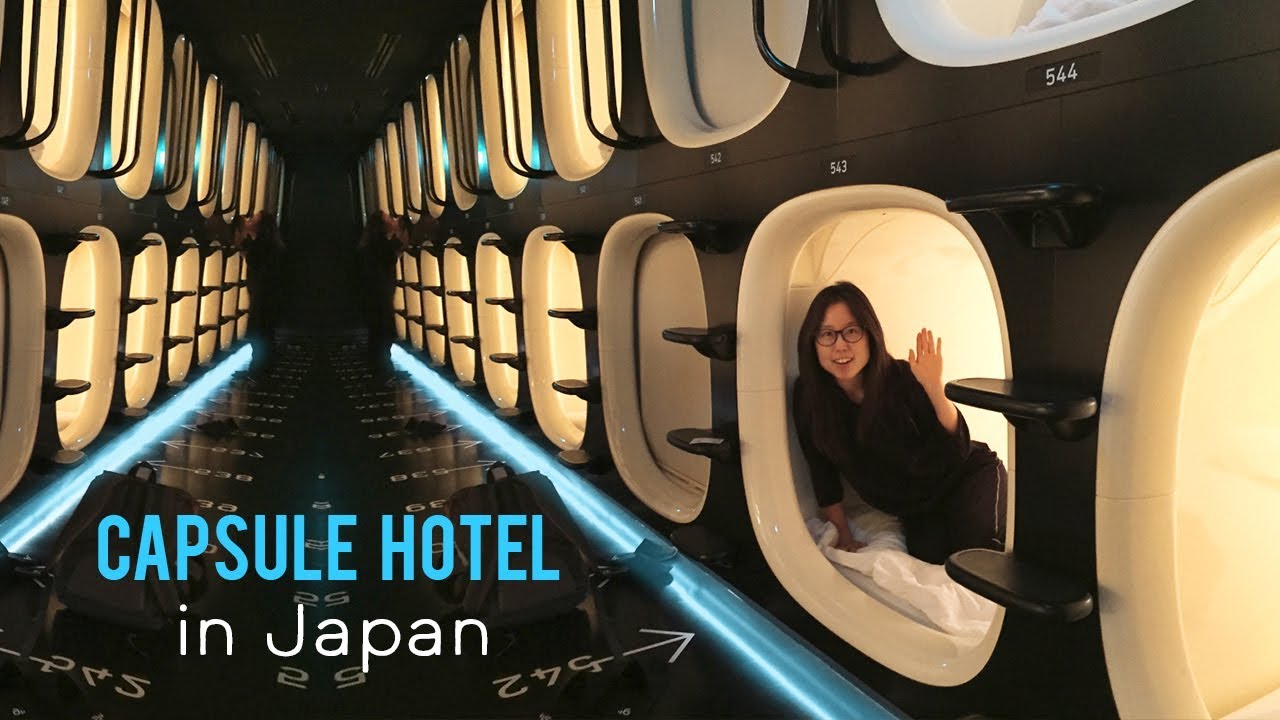
What exactly is a capsule hotel? Imagine a sleek, spaceship-style fiberglass pod stacked neatly on top of another in a clean, quiet room. They were originally designed for Japanese businessmen who missed the last train home. Today, they have evolved into a beloved, futuristic option for budget-conscious adventurers.
How Much Do They Cost?
In 2026, a standard capsule hotel room ranges from ¥3,500 to ¥6,500 ($22 to $41 USD) per night. Compared to a mid-range business hotel room that starts at ¥10,000 ($63 USD), capsules are an absolute steal. If you book well in advance on platforms like Klook, you can easily lock in the lowest rates.
Capsule Hotel Etiquette: Step-by-Step
Staying in a capsule hotel is a highly structured experience. It is not like a standard hostel where you just throw your bags on a bunk. Japanese culture prioritizes quietness, respect, and cleanliness, which is why these spaces work so well.
- The Shoe Swap: When you walk in, you must immediately remove your outdoor shoes. Lock them in a small shoe locker at the entrance and swap them for the provided slippers.
- The Check-In & Key: Hand your shoe locker key to the front desk. In return, they will give you a main locker key with a barcode or a physical key. This locker is where you will store your luggage and clothes.
- Locker Room & Amenities: Head to the locker room (usually separated by gender). Most hotels provide a bag containing a fresh towel, pajamas, a toothbrush, and slippers. Put on the pajamas — nearly everyone wears them around the common areas.
- The Bathrooms: Shared bathrooms in Japanese capsule hotels are incredibly clean. You will find individual shower stalls fully stocked with high-quality shampoo, conditioner, and body wash. Many places even feature traditional hot public baths (sento) for guests.
- Inside Your Pod: Climb into your capsule. You will find a control panel to adjust the lights, a couple of power outlets, a USB port, and sometimes a small TV. A roll-down screen or curtain provides privacy from the hallway.
Top Capsule Hotel Chains to Book
Not all pods are created equal. These are the three major chains to look out for:

- nine hours (9h): This brand is the gold standard for minimalist design. Styled like a sci-fi spaceship, its capsules focus on pure sleep ergonomics. Their brand-new Shinjuku-North location partners with Tokyo Women’s Medical University to analyze your sleep quality.
- Anshin Oyado: These capsule hotels offer a luxury budget experience, though they primarily cater to men. They feature free-flowing soft drinks, on-site hot spring baths, and even complimentary curry during select hours.
- First Cabin: If standard capsules feel too claustrophobic, this chain is your best bet. Designed to look like first-class airplane cabins, these are small, private walk-in rooms with a proper bed. They cost a bit more but provide extra breathing room.
Is a Capsule Hotel Right for You?
Let’s be real for a moment. Are these pods perfect? Not for everyone.
If you are a light sleeper, you might struggle. The walls are thin, and while everyone tries to be quiet, you will inevitably hear distant snoring or the rustle of plastic bags. Most capsule hotels also require you to check out every morning, even if you are staying multiple nights. This rule allows staff to clean the facility thoroughly, but it can be annoying to pack up your things daily.
Keep your stays here to three or four nights max. After that, your body might crave a standard room.
The Art of the Japanese Konbini (Convenience Store)
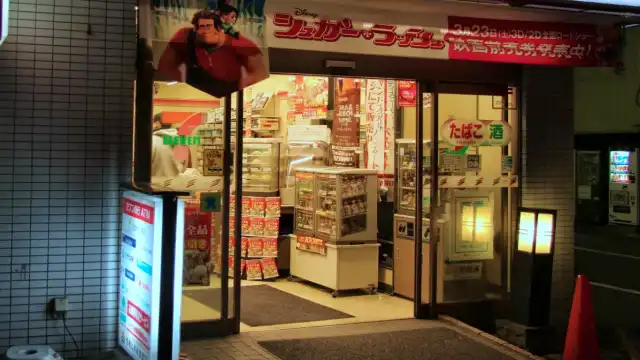
If capsule hotels solve your housing budget, the konbini handles your food.
Forget everything you know about Western gas station food. In Japan, convenience stores are a cultural phenomenon and a culinary wonderland. They serve fresh, high-quality, and deeply satisfying meals around the clock. Let’s explore how to eat like a king for under $10 a day.
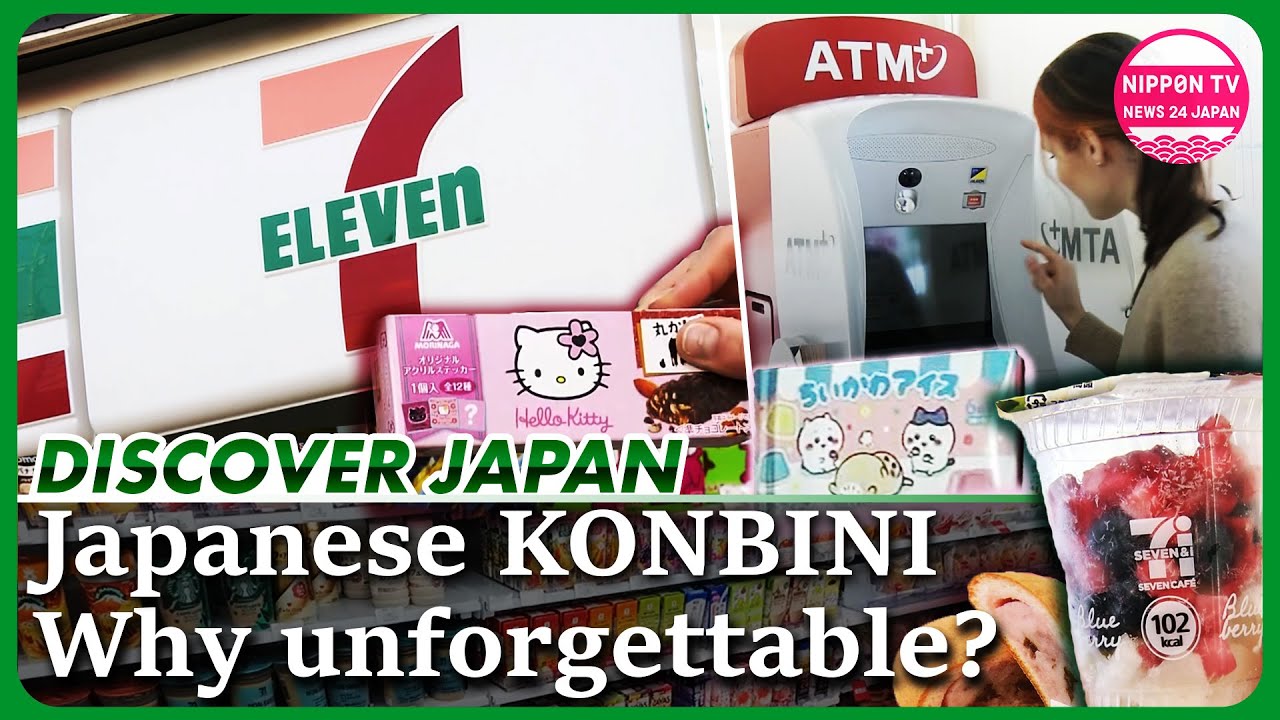
The Big Three
Three giant chains dominate the Japanese landscape:
- 7-Eleven: Known for having the highest overall food quality and the best selection of savory meals.
- Lawson: Famous for its incredible bakery section, legendary roll cakes, and Karaage-kun fried chicken.
- FamilyMart: Home to the iconic Famichiki, a piece of fried chicken so delicious it has a cult following.
Inflation vs The Tourist Exchange Rate
Lately, Japanese locals have faced “sticker shock”. Domestic food prices have risen, pushing some premium onigiri (rice balls) past the ¥200 mark.
Does this mean budget travel is ruined? Not at all.

Because the Yen remains highly favorable for travelers, a ¥200 rice ball translates to roughly $1.25 USD. A massive, filling lunch box (bento) still costs only around ¥500 to ¥700 ($3.15 to $4.40 USD). You can easily eat three satisfying meals a day for under ¥2,500 ($16 USD).
The Ultimate Konbini Food Tier List
Ready to shop? These are the absolute best items to target for your daily meals:
1. Onigiri (Rice Balls)
These triangular treats are the ultimate fuel for travelers. They consist of seasoned rice wrapped in a crisp sheet of nori seaweed, usually stuffed with a savory filling. Look for the pull-tab packaging that keeps the seaweed dry and crispy until you open it.
- The Best Fillings: Tuna Mayonnaise (Tuna Mayo), Grilled Salmon (Sake), and Pickled Plum (Umeboshi).
- Cost: ¥150 to ¥230 ($0.95 to $1.45 USD).
2. The Legendary Egg Salad Sandwich
You have probably seen this on your social media feeds, and the hype is completely justified. Made with pillowy, crustless white milk bread and a rich, creamy egg filling, it is incredibly soft and satisfying.
- Where to get it: 7-Eleven is the undisputed champion here.
- Cost: ¥250 to ¥320 ($1.60 to $2.00 USD).
3. Hot Counter Fried Chicken
Walk up to the register and peer through the glass heater. This is where the magic happens.
- Famichiki (FamilyMart): It is crispy, insanely juicy, and heavily seasoned. Placing a piece of Famichiki inside a plain FamilyMart butter roll creates a cheap, restaurant-grade chicken sandwich.
- Karaage-kun (Lawson): These are bite-sized nuggets that come in a cute cardboard box. Try the Red (spicy) or Cheese flavors.
- Cost: ¥180 to ¥240 ($1.15 to $1.50 USD).
4. Bento Boxes (Ready-to-Eat Meals)
Need a full lunch? Head to the refrigerated shelves. You will find everything from chicken katsu curry to classic beef bowls (gyudon) and spaghetti.
- The Golden Phrase: When you pay, the cashier will ask, “Atatamemasu ka?” (Would you like this heated?). Nod and say, “Hai, onegai shimasu” (Yes, please). They will pop it in their microwave and heat it to a perfect temperature in seconds.
- Cost: ¥450 to ¥750 ($2.85 to $4.75 USD).
5. Sweet Treats & Desserts
Never skip the dessert aisle.

- Baumkuchen: This spit-roasted German cake is incredibly popular in Japan. It features dozens of thin, buttery layers.
- Melonpan: A sweet bun with a cookie-dough crust that looks like a melon (but doesn’t taste like one).
- Yukimi Daifuku: Vanilla ice cream wrapped in soft, chewy mochi.
- Cost: ¥130 to ¥300 ($0.80 to $1.90 USD).
The Secret Supermarket Hack
While convenience stores are incredibly handy, local Japanese supermarkets are where the real budget-saving magic happens.
If you visit a supermarket like Seiyu, Life, or Gyomu Super around 7:30 PM, you will witness a fascinating daily ritual. A store employee will walk through the deli section holding a roll of discount stickers. They place these yellow labels directly onto the unsold bento boxes, sushi platters, and side dishes.
The discounts start at 10% to 20% off. As the clock ticks closer to closing time (usually around 9:00 PM), those discounts jump to a whopping 50% off.
This means you can easily score a fresh, high-quality 12-piece sushi platter for less than ¥500 ($3.15 USD). It is a goldmine for dinner and easily beats convenience store pricing.
A Sample $40 Daily Budget in Japan
Can you really enjoy Japan on just $40 a day? Absolutely. Here is what a typical budget-friendly day looks like:
| Expense Item | What You Get | Cost (Yen) | Cost (USD) |
|---|---|---|---|
| Lodging | Cozy capsule at a highly rated hotel like nine hours | ¥4,200 | $26.50 |
| Breakfast | 7-Eleven Egg Salad Sandwich + hot canned coffee | ¥450 | $2.85 |
| Lunch | Chicken Katsu Bento heated in-store + Green Tea | ¥650 | $4.10 |
| Dinner | 50% Off Supermarket Sushi platter + a piece of Famichiki | ¥600 | $3.80 |
| Daily Train Fare | 2-3 rides on the Tokyo Subway | ¥500 | $3.15 |
| Total | ¥6,400 | $40.40 |
By keeping your fixed costs low, you can save your money for experiences, like visiting the teamLab digital art museums or shopping for anime goods in Akihabara.
Pack Your Bags!
Japan does not have to be an expensive, once-in-a-lifetime splurge. By embracing the simple comforts of capsule hotels and enjoying the culinary delights of the local konbini, you can explore Tokyo, Osaka, and Kyoto without stress. Ready to plan your budget-friendly Japanese adventure?
Start mapping out your route today, and do not forget to book your capsule hotel early to secure the best rates! Have you ever stayed in a capsule hotel? What is your absolute favorite convenience store snack? Let us know in the comments below!

