
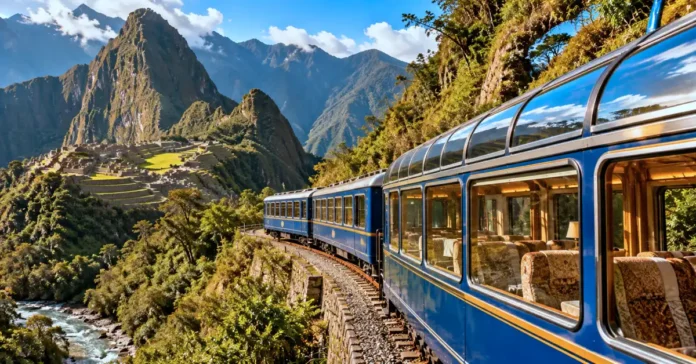
Booking your rail journey to Machu Picchu sounds easy until you face the checkout page. PeruRail presents two primary options that follow the exact same tracks down the Sacred Valley: the wallet-friendly Expedition and the scenic Vistadome. Picking the wrong carriage can quietly drain your budget or leave you staring at black window reflections for two hours.
Rail corridor
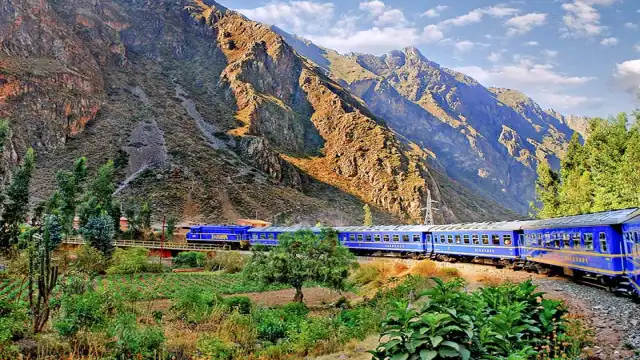
No paved road runs all the way to Aguas Calientes (officially named Machu Picchu Pueblo). Unless you lace up hiking boots for a four-day trek along ancient stone staircases, you must travel by rail. Every train runs on a narrow-gauge track alongside the rushing, brown waters of the Urubamba River. Towering granite cliffs rise straight up toward the clouds, and green jungle foliage thickens with every mile you drop in elevation.
Because both trains share the identical physical track, they share the exact same speed and schedule. A departure from the stone village of Ollantaytambo delivers you to the base of the citadel in about ninety minutes. A departure from Cusco (either Poroy station or San Pedro station) takes roughly three and a half hours.
Both services roll past terraced Inca ruins, suspension bridges, and dramatic glacier peaks. They arrive at the exact same platform. Why does one ticket cost noticeably more than the other? The difference comes down to what happens inside the train car.
Glass ceiling vs framed views
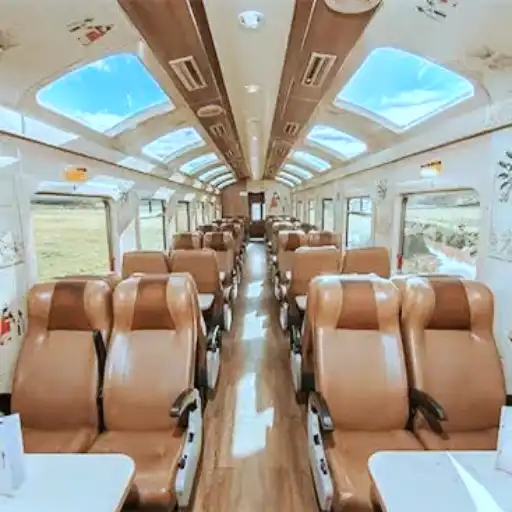
Glance inside the cars, and the physical design differences hit you right away. The standard Expedition car features classic, wide rectangular windows at seat level. Newer retrofits include modest glass skylights set into the ceiling arch, but thick metal frames separate each pane. You get a comfortable, framed view of the river gorge. Your view feels like looking through the window of a well-maintained commuter train.
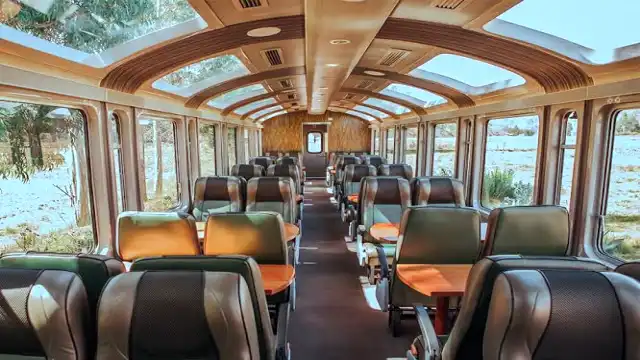
The Vistadome takes visual openness to another level. Its side windows curve directly up into the roofline, forming large, wrap-around panoramic panels. Sitting in a Vistadome seat feels almost like riding inside a rolling greenhouse.
Does that extra glass actually improve the scenery? When granite cliffs soar three thousand feet above your head, standard side windows force you to crane your neck and press your forehead against the glass. The Vistadome allows you to lean back into your seat and gaze effortlessly at snow-capped Mount Veronica as the train snakes through the gorge.
That massive canopy of glass comes with a sneaky catch. Clear skies turn that overhead glass into a magnifying lens. The Peruvian sun at high altitude is intense. Midday summer sun can heat the carriage quickly and cast blinding glare across your camera lens. Packing dark sunglasses and wearing a light sun hat inside the train is a surprisingly wise move.
Comparing the specs: Breakdown
Skipping formal tables, here is how the core features stack up when evaluated directly against one another:
- Ticket Pricing (Ollantaytambo to Aguas Calientes): Expedition tickets typically cost between $55 and $80 USD for a one-way fare. Vistadome tickets generally run between $85 and $120 USD one-way. Expect to pay roughly $25 to $40 more per person, each way, for the Vistadome experience.
- Window Configuration: Expedition uses standard rectangular windows with small overhead ceiling slits. Vistadome features oversized side windows seamlessly merged with curved glass ceiling panels, delivering almost 180 degrees of overhead visibility.
- Seating Layout and Comfort: Expedition arranges seats upholstered in woven indigenous patterns, usually grouped in sets of four around a shared polished wooden table. Vistadome features plusher leather-style seats with slightly deeper recline, ergonomic headrests, and a touch more legroom.
- Snack and Refreshment Service: Expedition provides water, hot tea, or coffee, accompanied by a small pre-packaged snack. Vistadome steps it up with a decorative snack box featuring Andean delicacies like roasted corn kernels, quinoa treats, or artisanal chocolate, paired with hot herbal coca tea or fresh fruit juice.
- Onboard Atmosphere and Entertainment: Expedition maintains a quiet, low-key vibe with ambient Andean flute music playing over the speakers. Vistadome features a high-energy live performance on the return journey, complete with a traditional masked dance and a live alpaca fashion show.
Luggage rules
Pack your bags with strict discipline. Many travelers do not realize that trains running to Machu Picchu enforce tight luggage restrictions. You cannot roll large hardshell suitcases onto either train.
PeruRail enforces a strict carry-on limit:
- One backpack weighing up to 8 kilograms (17.6 pounds) with combined dimensions under 100 centimeters (length plus width plus height).
- Alternatively, one small carry-on bag weighing up to 12 kilograms (26.4 pounds) with combined dimensions under 115 centimeters (45 linear inches).
Why the tight cap? Overhead luggage racks inside narrow-gauge carriages are extremely shallow. Massive bags blocking the aisles create an immediate fire hazard.
Leave your heavy rolling luggage behind at your hotel in Cusco or at luggage storage offices near the Ollantaytambo station. Most hotels in the Sacred Valley store excess luggage for free while you spend a night or two exploring the ruins. Carry only a small daypack containing a change of clothes, basic toiletries, rain gear, sunscreen, your passport, and your citadel entrance tickets.
If you absolutely must transport a larger suitcase because you are moving hotels permanently, PeruRail charges between $10 and $25 per checked bag depending on the route. Space in the dedicated baggage car must be reserved at least 48 hours in advance, and availability fills up fast during peak travel months.
Saqra dancers and alpaca fashion
Here is a detail that catches unprepared travelers off guard: the Vistadome becomes a mobile theater on the return route from Aguas Calientes back to Ollantaytambo or Cusco.
About thirty minutes after leaving the station, the carriage lights dim and energetic music blasts through the cabin speakers. Suddenly, an actor wearing a colorful silk suit and an elaborate horned mask bursts through the sliding carriage doors. This is the Danza de los Saqra, a traditional folkloric devil dance originating from the Paucartambo festival.
The performer leaps through the narrow aisle, striking dramatic poses, teasing passengers, and posing for playful selfies. For families with kids or folks who enjoy spontaneous cultural theater, it provides fantastic laughs and great vacation video clips. If you just spent seven hours hiking Huayna Picchu and desperately want to take a quiet nap, the loud music and clapping might feel a bit jarring.
Right after the dancer exits, the train attendants make a fast costume change. They reappear walking down the aisle modeling high-end baby alpaca wool cardigans, shawls, scarves, and ponchos. An attendant announces the garment details over the microphone, turning the train car into a miniature fashion runway. You can browse the catalog and purchase items on the spot using a credit card.
The Expedition train offers zero live entertainment. It remains tranquil from start to finish, letting you rest your eyes, read a book, or listen to your own headphones in peace.
When paying for Vistadome is a mistake
Natural daylight dictates whether the Vistadome is worth its price tag. The panoramic glass ceiling is completely useless if you travel in total darkness.
High mountain walls block morning dawn and cause the sun to vanish behind the peaks early. Keep these lighting factors in mind before booking:
- The Pitch-Black Early Bird: Catching a 5:30 AM train out of Ollantaytambo ensures you reach the ruins early. Outside the window, however, the Urubamba valley sits in pitch-black shadow until past 6:30 AM. Looking up through a glass ceiling before dawn reveals nothing except interior overhead bulbs reflecting off the pane. Paying a panoramic surcharge for a pre-dawn departure is an expensive blunder.
- The Sunset Blackout: Returning from Aguas Calientes on a train departing after 6:00 PM means the entire canyon is shrouded in night. The cliffs, trees, and river disappear. You will see zero scenery. Paying for panoramic ceiling panels on a late-night return trip makes no practical sense.
- The Rainy Season Factor (December through March): Winter in the northern hemisphere brings summer rains to the Peruvian Andes. Low clouds often fill the canyon like thick cotton. Ceiling windows can fog up from humidity, and heavy rain can obscure the high peaks. Expedition is the more economical, rational choice during soggy weather.
- The Dry Season Sweet Spot (May through September): Crisp blue skies and brilliant sunshine show off the Vistadome at its finest. Departures between 8:00 AM and 3:30 PM bathe the river corridor in warm light, making the panoramic windows worth every single penny.
Smart hybrid strategy
Why feel forced to choose just one train class for your entire journey? Savvy travelers use a simple split-ticket booking hack to maximize comfort without overspending.
Book the Expedition train on the outbound leg to Aguas Calientes. In the morning, your adrenaline runs high. Your eyes stay glued to your watch as you anticipate exploring the citadel, and your train may depart before the morning sun fully illuminates the valley floor. Saving money on the outbound ride protects your budget.
Book the Vistadome on the afternoon return journey. By 3:00 PM, you have walked miles across stone ruins and climbed endless steep stairs. Your legs are sore and your energy is low. Sinking into plush Vistadome leather seats, sipping a hot cup of coca tea, watching the afternoon canyon light dance across the granite walls, and enjoying the lively Saqra dance show creates a relaxing, celebratory finale to an unforgettable day.
Inca rail 360 and hiram bingham
PeruRail is not the only company operating along this historic rail corridor. Understanding the wider market helps you weigh your choices before buying Aguas Calientes train tickets.
Inca Rail provides direct competition with a similar lineup:
- Inca Rail The Voyager: The direct rival to PeruRail Expedition. It offers standard seating, large windows, and basic refreshments at similar budget price points.
- Inca Rail The 360°: The direct challenger to the Vistadome. This panoramic train Peru features arched glass windows, an interactive navigation app with specialized headphones, and an open-air outdoor observation car at the center of the train. If breathing crisp mountain air and snapping photos without window glare sounds appealing, The 360° is a superb contender.
At the very top of the luxury scale sits the legendary Hiram Bingham train, operated by Belmond. Styled after elegant 1920s Pullman railcars with polished wood and gleaming brass, tickets cost upwards of $500 per person one-way. That eye-watering price tag includes a fine-dining four-course meal, top-shelf cocktails, an open bar, live acoustic musicians in an observation lounge car, and private VIP bus transport up to the citadel gates. It represents a once-in-a-lifetime luxury splurge rather than standard transit.
Final booking blueprint: How to lock down your seats
Keep these practical rules in your pocket when coordinating your Ollantaytambo to Machu Picchu train schedule:
- Book weeks in advance during peak season: July, August, and holiday weeks see trains sell out well ahead of departure dates. Coordinate your train tickets immediately after securing your official Machu Picchu entrance permits.
- Pick the left side heading outbound: When boarding at Ollantaytambo heading toward Aguas Calientes, request seats on the left side of the train carriage. That side faces the winding Urubamba River for most of the trip. On the return leg back to Ollantaytambo, sit on the right side to keep the river in view.
- Keep your physical passport accessible: Station agents check your physical passport against your printed ticket before letting you step onto the boarding platform. Packing your passport deep inside your checked daypack causes chaotic delays at the turnstile.
- Arrive thirty minutes prior to departure: Boarding gates close ten minutes before wheels roll. Missing your departure means buying a whole new ticket subject to open seat availability.
Match your train class to your departure time and daylight conditions, and your ride through the Andes will become one of the greatest highlights of your entire Peruvian adventure.

