
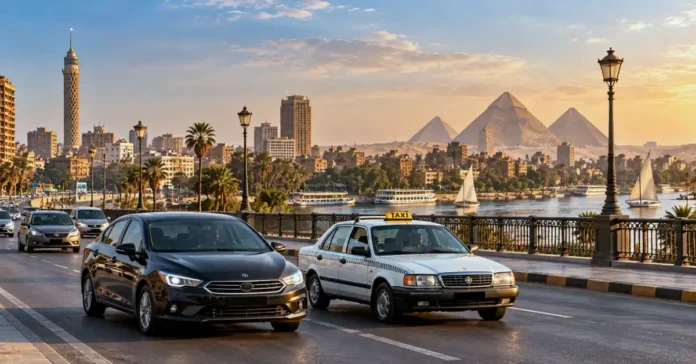
Stepping out onto Cairo’s streets drops you directly into an electric whirlwind of roaring traffic, ceaseless car horns, and eager drivers shouting for your attention. Figuring out whether to flag down a street cab or rely on an app can make the difference between an unforgettable adventure and an exhausting headache. Here is your unvarnished, street-smart navigation playbook to dodge classic tourist traps and ride across Egypt’s capital with total confidence.
Cairo Uber vs Taxi
Can you simply step off a sidewalk and wave down a taxi? Absolutely. Thousands of black-and-white and white sedan cabs cruise through the city at every hour of the day. Yet when you weigh cairo uber vs taxi, the overall experience could not be more different.
Hailing a street cab in downtown Cairo feels like stepping into an impromptu negotiation ring. You must bargain for basic services that most travelers take for granted back home. Will the driver turn on the air conditioning? Do they actually know your destination, or are they guessing based on vague landmarks? Can you agree on a price without an argument at the curb?
Ridesharing apps eliminate nearly all of that guesswork. A pre-set algorithm sets the fare before your tires even roll over the asphalt. Your route appears on a live digital map, complete with satellite navigation and a recorded record of every kilometer traveled. For most travelers, that digital barrier turns an intimidating gauntlet into a breezy commute.
White taxi scams: How the game works
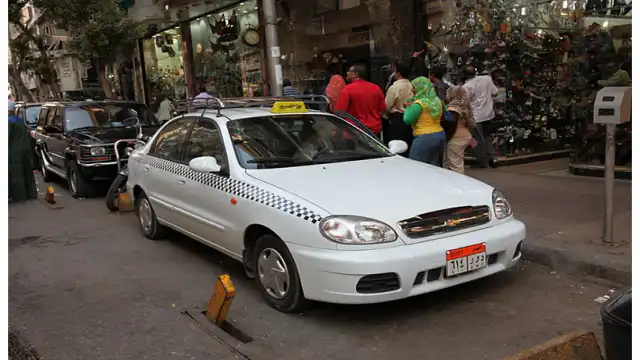
Traditional white cabs were introduced across Cairo to modernize the city’s aging fleet with mandatory digital meters and air conditioning. In theory, they offer a regulated, standardized ride. In practice, rogue operators have perfected an entire playbook of tricks designed to fleece unsuspecting tourists. Knowing how to spot cairo taxi scams avoid will keep your wallet intact.
The most notorious trick remains the classic “broken meter” excuse. You slide onto the back seat, announce your destination, and notice the digital meter display is pitch black. When you point at it, the driver taps the dashboard with a sorrowful look and insists el-addad bayez (the meter is broken). They will immediately offer a “very cheap, special price” that usually ends up costing quadruple the normal rate.

What if the meter actually turns on? Watch it carefully. Rogue drivers frequently install a hidden switch — often referred to locally as a “turbo meter” — connected to the accelerator or turn signal wire. Every time the driver shifts gears, taps the horn, or flashes their brights, the fare jumps by multiple pounds. By the time you reach your hotel, an ordinary 80 Egyptian Pound (EGP) ride has magically morphed into 350 EGP.
Then comes the sneaky currency switch. At the end of the trip, you hand the driver a 500 EGP banknote. With lightning-fast sleight of hand, the driver drops the bill under the center console, whips out an identical-looking 50 EGP note, and indignantly claims you shortchanged them. Other operators quote a flat rate of “fifty” before departure, only to angrily insist at drop-off that they meant fifty US dollars or Euros, not Egyptian Pounds.
Finally, beware of the phantom toll fee. Drivers frequently claim they must charge you an extra fee to cross the 6th of October Bridge or traverse central Cairo thoroughfares. Unless you are entering a private airport zone or traveling on a toll highway toward Alexandria or Ain Sokhna, standard city bridges carry zero passenger tolls. When taking taxis in cairo, never get into a vehicle without seeing the meter reset right in front of your eyes. If the driver refuses, step out immediately.
Why ride apps offer built in accountability
Is it really worth fighting over meters on the curb when technology exists to handle it for you? The short answer is no. Digital ride platforms provide several layers of personal security that street cabs simply cannot match.
When travelers ask, is uber safe in cairo, the response comes down to accountability. Every ride booked through an app logs the driver’s full legal name, national ID, vehicle registration, and customer rating. If a driver takes an erratic detour or behaves inappropriately, the company maintains a GPS trail of the entire route.
The platform provides a suite of practical safety tools:
- Audio Recording & RideCheck: The app detects prolonged, unexpected stops along the route and sends automated safety checks to your screen.
- Live Route Sharing: You can send your live journey status via WhatsApp to friends or family with a single tap.
- Four-Digit PIN Verification: Drivers cannot start the trip until you confirm the four-digit security code displayed on your screen, ensuring you never step into the wrong vehicle.
- Dedicated Emergency Assistance: Direct in-app hotlines connect you to local dispatch support and emergency services.
Safety protocols also extend to vehicle conditions. Street cabs often run on bald tires without functioning rear seatbelts. Ride-hailing fleets enforce strict vehicle age caps and periodic inspection standards, ensuring you ride in a modern vehicle with functioning seatbelts and working climate control. Official travel advisories, including the UK Foreign Travel Advice for Egypt, consistently recommend using pre-booked app services or private transport over street hailing for peace of mind.

Cash vs Card paradox: why drivers keep canceling
Here is a common scenario that catches visitors off guard. You fire up the app, link your travel credit card, and request a ride from Zamalek to the Grand Egyptian Museum. Three different drivers accept the booking, sit stationary for four minutes, and then cancel. What gives?
Cairo runs on cash. Local drivers operate on razor-thin daily margins, needing physical bank notes in hand to buy fuel, pay toll gates, and purchase meals throughout their shifts. Platform earnings paid by card take several days to clear into local bank accounts. High banking transaction fees and daily currency fluctuations make delayed digital payouts frustrating for drivers trying to cover immediate living expenses.
Many drivers will message you through the app chat asking: “Cash or Visa?” If you reply “Visa,” they may bluntly request that you cancel the ride.
How do you work around this quirk without getting stranded?
- Switch your app payment method to Cash: Select cash payment directly within the app settings. You still benefit from fixed platform pricing and GPS tracking, but the driver knows they will receive their money at drop-off.
- Stockpile small denominations: Never pay a 70 EGP fare with a 200 EGP banknote. Drivers rarely carry enough change, and searching for a kiosk to break large bills wastes valuable sightseeing time. Carry a dedicated pocket stuffed with 10, 20, and 50 EGP notes.
- Keep your balance fair: If a driver delivers a smooth ride with ice-cold air conditioning, round the fare up by 20 or 30 EGP. In local purchasing power, that modest tip represents real value to the driver while costing you less than pocket change.
Platform: Uber vs Careem Cairo
Choosing the right digital platform can make a noticeable difference depending on where you need to go. When comparing uber vs careem cairo, both services dominate the market, yet each caters to slightly different needs.
Uber operates as the familiar international standard. Its global interface works seamlessly without requiring you to download a new regional app. Customer support follows standardized policies, and vehicles in higher tiers (such as Uber Comfort or Uber Select) tend to be newer models with attentive drivers.
Careem, a regional pioneer acquired by Uber that operates independently, brings unique localized advantages to Egyptian streets:

- Superior local mapping: Careem’s navigation engine often handles Cairo’s confusing, unnumbered side alleys and informal districts better than Western mapping software.
- Local fleet diversity: Beyond private sedans, Careem Egypt lets users hail metered white taxis within the app interface. This gives you the speed of a street taxi with the pricing safeguards and GPS tracking of a digital app.
- Reliable backup availability: During high-traffic rush hours around Tahrir Square or Giza, Uber often runs out of nearby drivers. Opening Careem frequently reveals a cluster of available cars nearby.
What about bidding apps like inDrive? InDrive has surged across Egypt by allowing riders to propose their own fare, which drivers can accept or counter. While fares often run 20% cheaper than Uber, the platform requires cash payments, vehicle standards are noticeably looser, and safety vetting is far less stringent. Stick to Uber or Careem unless you are an experienced traveler who speaks conversational Arabic.
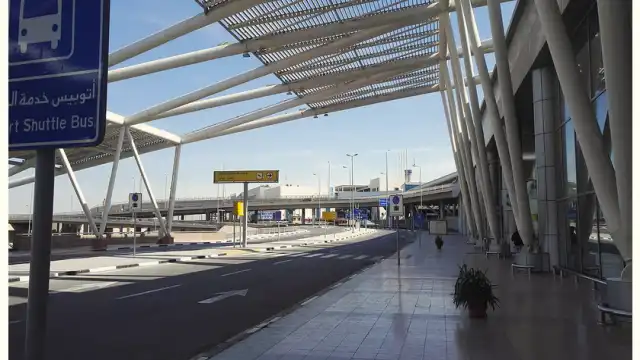
Escaping Terminal 3: Cairo Airport Navigation Guide
Arriving at Cairo International Airport (CAI) can overwhelm even seasoned globetrotters. The moment you clear customs and step through the sliding automatic doors into the Terminal 3 arrivals hall, aggressive touts will swarm you.
Men wearing fake identification lanyards will step directly into your walking path, whispering urgently: “Taxi? Limousine? Where you go? Uber is canceled today! Uber is illegal at airport!”
Do not believe a single word. These touts operate unauthorized private cars or marked cabs that charge exorbitant rates, often demanding $50 to $80 USD for a ride that should cost around 250 to 350 EGP (roughly $6 to $8 USD).
Follow these exact steps to secure your ride from cairo airport taxi to downtown:
- Get connected before you step outside: Buy an Egyptian eSIM online or pick up a local physical SIM card from the official telecom kiosks (Vodafone, Orange, or Telecom Egypt) located directly inside the baggage claim area. Never leave the terminal without working mobile data.
- Keep walking with purpose: Walk past the shouting touts without making eye contact. Give a firm “La, Shukran” (No, thank you) and keep your feet moving toward the main terminal exit.
- Exit through Gate 4: Head through Gate #4 to leave the terminal building.
- Follow the pedestrian signs to the Car Park: Look up for the overhead signs pointing toward the parking garage. Cross the roadway pedestrian lane and take the stairs down to the designated rideshare parking area.
- Locate Parking Space B5: As outlined in the official Uber Cairo Airport Terminal 3 pickup guide, drivers wait for arriving passengers in the B5 parking space within the lower lot.
- Request your ride only when you reach the parking lot: Do not request your ride while standing at baggage claim. Drivers face strict parking time limits and will cancel if you take too long to clear customs. Wait until your feet hit the parking pavement before pressing “Confirm.”
- Prepare for the small airport parking fee: Cairo airport authorities charge vehicles a nominal gate parking fee (usually around 20 to 30 EGP) upon exiting the garage. Drivers will legitimately ask you to pay this fee in cash, or they will add it to the final app fare.
Essential street smarts for solo travelers and women
Navigating Cairo safely requires understanding local cultural norms. A few simple behavioral adjustments will keep your journeys smooth and comfortable:
- Always claim the rear seat: In Egyptian culture, a passenger sliding into the front passenger seat next to a male driver implies social equality and invites casual familiarity. Sitting in the back seat establishes a clear, respectful professional boundary.
- Match Arabic numeral license plates: Egyptian license plates feature both Arabic-Indic numbers (like ١, ٢, ٣, ٤) and Arabic lettering. Take thirty seconds to familiarize yourself with how Eastern Arabic digits look, or cross-reference the translated letters and digits displayed inside your app before opening the door.
- Keep your window rolled up halfway in slow traffic: Street vendors, flower hawkers, and opportunistic thieves frequently approach idling vehicles at red lights along the Corniche. Keep your valuables out of arm’s reach from open windows.
- Memorize three core Arabic phrases: You do not need fluency to steer your ride. Three simple words command instant respect:
- Yameen (Right) and Shemal (Left) for guiding navigation.
- Ala gamb hena (Pull over right here) to stop the car instantly.
- Khalas (Enough / Finished) to firmly shut down persistent badgering.
By skipping the aggressive airport hawkers, relying on verified apps, and keeping a pocket full of small cash notes, you will breeze through Cairo’s legendary streets without falling into tourist traps. Enjoy the pyramids, soak in the Nile views, and travel with peace of mind.

