
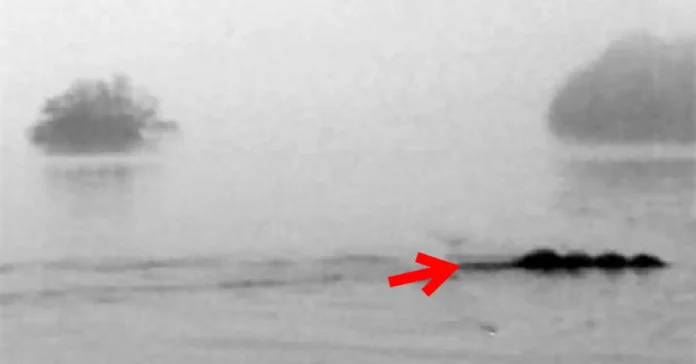
Scotland gets all the glory with Nessie, yet England hides its own aquatic mystery inside the deep, glacial waters of Cumbria. Over the past twenty years, locals, kayakers, and tourists have reported seeing a massive, humped creature gliding across Lake Windermere — a beast affectionately nicknamed Bownessie. Digging into the photographic evidence, sonar scans, and biology of England’s largest natural lake reveals what is actually lurking beneath the surface.
Timeline of the Lake Windermere Mystery

Unlike Scotland’s Loch Ness Monster, whose folklore stretches back to the sixth century, the Windermere monster is a surprisingly modern phenomenon. Locals sometimes call the creature “Winnie,” though the punchier nickname Bownessie — borrowed from the lakeside town of Bowness-on-Windermere — stuck after media reports exploded in the mid-2000s.
Why did sightings suddenly spike after 2005? Veteran witness Steve Burnip pointed to a practical shift: in March 2005, the Lake District National Park Authority enforced a strict 10 mph speed limit on Windermere. Once roaring speedboats and water-skiers cleared out, the lake grew quieter — making surface disturbances far easier to spot.
Here is how the modern sighting timeline unfolded:

- 2006 – The Wray Castle Sighting: Journalism lecturer Steve Burnip stood near Wray Castle on the lake’s northwestern shore when he spotted a dark, snake-like shape roughly 20 to 30 feet long with three distinct humps moving against calm water.
- 2007 – The First Photograph: Windermere photographer Linden Adams captured an image of a mysterious dark object cutting across the surface, helping popularize the name “Bownessie”.
- February 2011 – The Kayakers’ Snapshot: IT graduate Tom Pickles, 24, and fellow kayaker Sarah Harrington, 23, snapped the most famous photo of the Lake Windermere mystery while paddling near Belle Isle.
- 2012 & January 2014 – The Vicar’s Accounts: Local vicar Colin Honour reported spotting a five-to-six-metre humped shape near Wray Castle in 2012, and snapped ripples from another unexplained disturbance in early 2014.
- September 2014 – The Timelapse Frame: Amateur photographer Ellie Williams set up a camera to film wildlife at the southern end of Windermere and accidentally caught a arched, swan-necked silhouette gliding across the frame.
Inside the Most Famous Witness Reports
When you look closely at eyewitness accounts, two cases stand out from the usual blurry ripples.
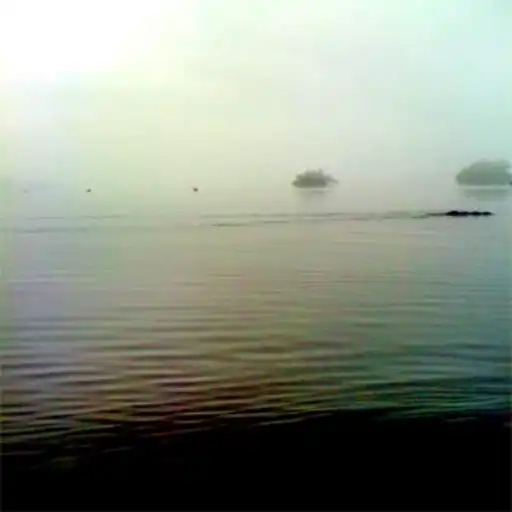
First is the February 2011 encounter by Tom Pickles and Sarah Harrington. Paddling through morning mist, they initially thought a large dog was swimming toward them. Within seconds, they realized the dark shape stretched roughly the length of three cars. Pickles grabbed his mobile phone and snapped a photo showing three dark humps breaking the glassy surface before the creature submerged. Both kayakers admitted they were so rattled they paddled straight back to shore.
Second is Ellie Williams’ 2014 photograph. Unlike most accidental sightings where someone fumbles for a phone in panic, Williams had mounted her camera on a tripod for a time-lapse sequence. When she reviewed the frames later, one image showed a dark, curved back and neck rising out of the water. Because she had photographed both shorelines beforehand, she insisted nobody was nearby staging a boat prank.
Yet even compelling eyewitnesses run into a frustrating problem: human perception on open water is notoriously unreliable. Without a ruler floating next to an object, a 4-foot log or a swimming bird at 200 yards can easily trick the brain into seeing a 30-foot leviathan.
Scientific Explanations: What Is Actually in Windermere?
Before jumping to prehistoric plesiosaurs, marine biologists and lake ecologists point out what actually lives inside Windermere. Stretching 10.5 miles long and dropping to a maximum depth of 219 feet (67 metres), Windermere is huge by English standards — yet it isn’t an unmapped abyss.
Dr. Ian Winfield, a veteran lake ecologist who worked at Windermere for decades (with Lancaster University and the Centre for Ecology & Hydrology), has weighed in repeatedly on the Bownessie phenomenon. Scientists conduct monthly echo-sounding (sonar) surveys across the lake to monitor fish stocks. If a breeding population of bus-sized reptiles lived there, sonar operators would see massive acoustic targets regularly. They haven’t.
So, what explains the humps, wakes, and photos? Researchers point to five grounded culprits:
- Boat wakes and standing waves: Even with a 10 mph speed limit, Windermere hosts over 10,000 registered boats. When wakes from distant vessels bounce off steep rocky shorelines or underwater ledges, intersecting wave crests form a neat row of three or four dark humps that look exactly like a undulating sea serpent.
- Giant European eels or pike: Windermere holds large northern pike (reaching over 1.1 metres) and European eels. While rare sterile female eels can grow thicker and longer than normal, they still top out around five or six feet — nowhere near thirty feet.
- Wandering grey seals or otters: Windermere drains into Morecambe Bay via the River Leven. Grey seals — Britain’s largest native carnivores, growing up to three metres long — occasionally swim upriver following salmon runs. A family of otters swimming nose-to-tail also creates the classic “multi-hump” illusion.
- Non-native catfish or sturgeon: Illegal releases of exotic fish happen across British waterways. Wels catfish can grow past eight feet, and sturgeons have bony plates along their backs that resemble dragon ridges when breaking the surface.
- Waterlogged timber and tyre hoaxes: Submerged tree trunks buoyed by trapped gases frequently bob up, roll in currents, and sink again. Skeptics have also noted that Tom Pickles’ 2011 photo bears an uncanny resemblance to three half-submerged tractor tyres tethered together.
Bownessie vs Nessie: How England’s Monster Compares
Calling Bownessie “England’s Loch Ness Monster” makes for great headlines, yet comparing the two lakes side-by-side highlights massive geographical differences.

| Feature | Bownessie (Lake Windermere) | Nessie (Loch Ness) |
| Location | Cumbria, North West England | Scottish Highlands |
| Lake Length | 10.5 miles (17 km) | 23 miles (37 km) |
| Maximum Depth | 219 feet (67 metres) | 755 feet (230 metres) |
| Water Volume | 0.3 cubic kilometres | 7.4 cubic kilometres (more than all lakes in England and Wales combined) |
| First Recorded Sighting | 2006 (modern media era) | 565 AD (Saint Columba biography) |
| Primary Explanations | Boat wakes, grey seals, large fish, drifting logs | Eels, boat wakes, floating timber, optical mirages |
Look at that volume gap: Loch Ness holds more than twenty times the water of Windermere. Even more telling, Windermere freezes over during severe winters and sits surrounded by densely populated tourist towns. Hiding a giant undiscovered predator in a busy, relatively shallow English lake is infinitely harder than hiding one in a deep, peat-darkened Scottish fjord.
Tourism Impact: Why Windermere Loves Its Cryptid
Does it really matter whether Bownessie is a flesh-and-blood monster or an optical illusion? To local businesses across Bowness, Ambleside, and Windermere, the legend is pure gold.
The Lake District National Park already draws millions of visitors every year for hiking and boat tours. Adding a playful cryptid mystery turns a standard ferry ride on Windermere Lake Cruises into an impromptu monster hunt for families and kids. Local bed-and-breakfasts playfully advertise “Bownessie-spotting” views from lake-facing rooms, children’s authors have turned the creature into a friendly storybook character, and amateur cryptozoologists still bring binoculars and hydrophones to the shore every summer.
Ultimately, British cryptids survive not because sonar proves they exist, but because human curiosity refuses to let a good mystery die. Until someone pulls undeniable biological proof from the mud of Cumbria, Bownessie remains what Windermere does best: a harmless, captivating ripple on the water that makes you look twice before heading back to shore.

