

Extinction and Sightings: The Truth About the Tasmanian Tiger
The Tasmanian tiger — scientifically known as the thylacine — is the ultimate biological cold case. Officially declared extinct, this unique marsupial still haunts the Australian bush in the minds of many. Thousands of unconfirmed sightings flood databases every year.
Are they really gone? the tragic history, the ongoing sightings, and the mind-blowing science trying to bring them back from the dead.
At a glance
- The Tragic End: The last known captive thylacine died in a Hobart zoo on September 7, 1936.
- Ongoing Sightings: Thousands of unconfirmed sightings are reported across Australia, with recent whispers of activity in South Australia in 2025 and 2026.
- De-Extinction Is Real: Biotechnology company Colossal Biosciences successfully sequenced the entire thylacine genome in early 2025. They are actively working to bring the species back.
- Ecosystem Heroes: Scientists believe reintroducing this apex predator could save modern Tasmanian ecosystems from collapse.
What Exactly Was the Tasmanian Tiger?
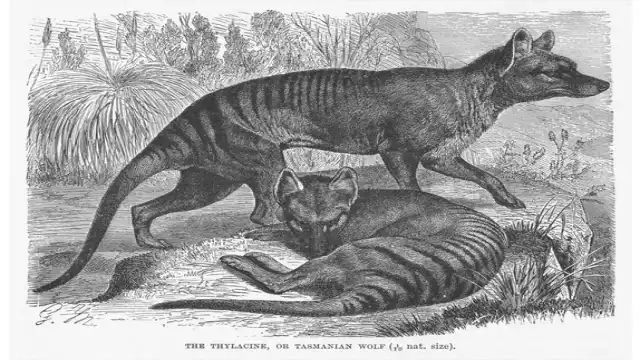
First off, it wasn’t a tiger. It wasn’t a wolf, either.
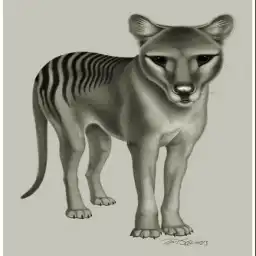
The thylacine (Thylacinus cynocephalus) was a carnivorous marsupial. That means it carried its young in a pouch, much like a kangaroo or a koala. Standing about two feet tall at the shoulder, it sported a stiff tail and distinctive dark stripes running down its lower back.
They were notoriously shy. Thylacines hunted at night and generally avoided humans at all costs. Their most bizarre feature? A jaw that could open up to 120 degrees.
Before European settlement, an estimated 5,000 thylacines roamed the island of Tasmania. They used to live on the Australian mainland too, but competition with dingoes wiped them out there around 3,000 years ago. Tasmania became their final sanctuary.
The Bounty That Doomed a Species
When European colonizers arrived in the early 1800s, they brought sheep. Naturally, they needed someone to blame when those sheep went missing.

The thylacine became an easy scapegoat. Feral dogs actually caused most of the livestock losses, but the settlers ignored that fact. Fear and ignorance took over. By 1888, the Tasmanian government offered a bounty for every dead thylacine. They paid £1 for an adult and 10 shillings for a pup.
Hunters slaughtered thousands. Habitat destruction and introduced diseases finished the job.
The last confirmed wild thylacine was shot in 1930. Just six years later, the final captive animal died of suspected neglect at the Beaumaris Zoo in Hobart on September 7, 1936. Ironically, the government had just granted the species protected status 59 days prior.
Are They Still Out There? Sightings
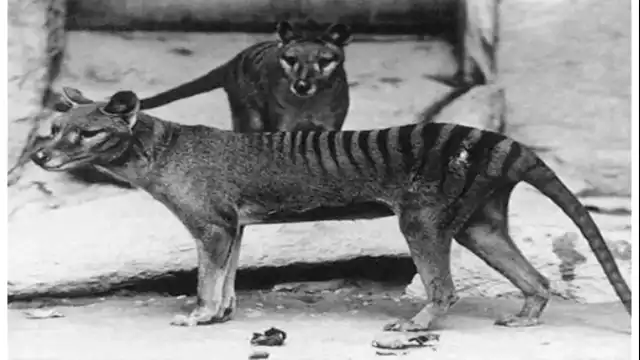
Here is where the story gets weird. The thylacine was officially listed as extinct in 1986. Yet, people never stopped seeing them.
Databases tracking thylacine encounters hold thousands of reports. They come from hikers, farmers, and even former park rangers.
- Mainland Australia: Hundreds of sightings have been logged in Victoria and Western Australia.
- Recent Buzz: In late 2025 and early 2026, rumors flared online about alleged daytime sightings in the Riverland region of South Australia. Two separate pairs of witnesses claimed to see the striped animal darting through the brush.
- The Tasmanian Wilderness: Deep in the dense, unexplored forests of Tasmania, locals still insist a small population survives off the grid.
Why do these reports keep coming?
Our brains are hardwired to look for patterns. A mangy fox, a feral dog, or even a large feral cat can look remarkably like a thylacine in low light. The shadows play tricks on us. Until someone produces a clear photograph, a body, or undeniable DNA evidence, science cannot recognize these sightings as fact.
Still, the sheer volume of reports keeps the legend breathing. We want them to be alive. We feel guilty about wiping them out.

Bringing the Tiger Back: The Science of De-Extinction
What if we don’t have to search the woods anymore? What if we can just build one in a lab?
Enter Colossal Biosciences. This American biotechnology company isn’t writing science fiction. They are treating extinction as a reversible problem. Armed with hundreds of millions in funding, they are actively working to resurrect the woolly mammoth, the dodo, and yes, the Tasmanian tiger.
The Genetic Breakthroughs of 2024 and 2025
Things are moving incredibly fast. You might think cloning a dead animal is impossible, but scientists are rewriting the rulebook.
In late 2024, Colossal announced they had reconstructed a 99.9% accurate thylacine genome. They extracted the DNA from a 110-year-old “pickled” skull preserved in a museum. By January 2025, they entirely completed the sequence. We now have the complete biological blueprint of a Tasmanian tiger.
So, how do you birth an extinct animal?
- Find a Surrogate: Scientists use the fat-tailed dunnart, a tiny mouse-sized marsupial that shares a lot of DNA with the thylacine.
- Edit the Genes: Using CRISPR technology, they tweak the dunnart’s stem cells to match the extinct tiger’s genetic code.
- Grow the Embryo: Marsupials give birth to tiny, jellybean-sized young that finish growing in a pouch. In early 2025, Colossal successfully used an artificial uterus to culture fertilized marsupial embryos more than halfway through pregnancy.
They are quite literally building the cradle for a resurrected species.
Why go through all this trouble?
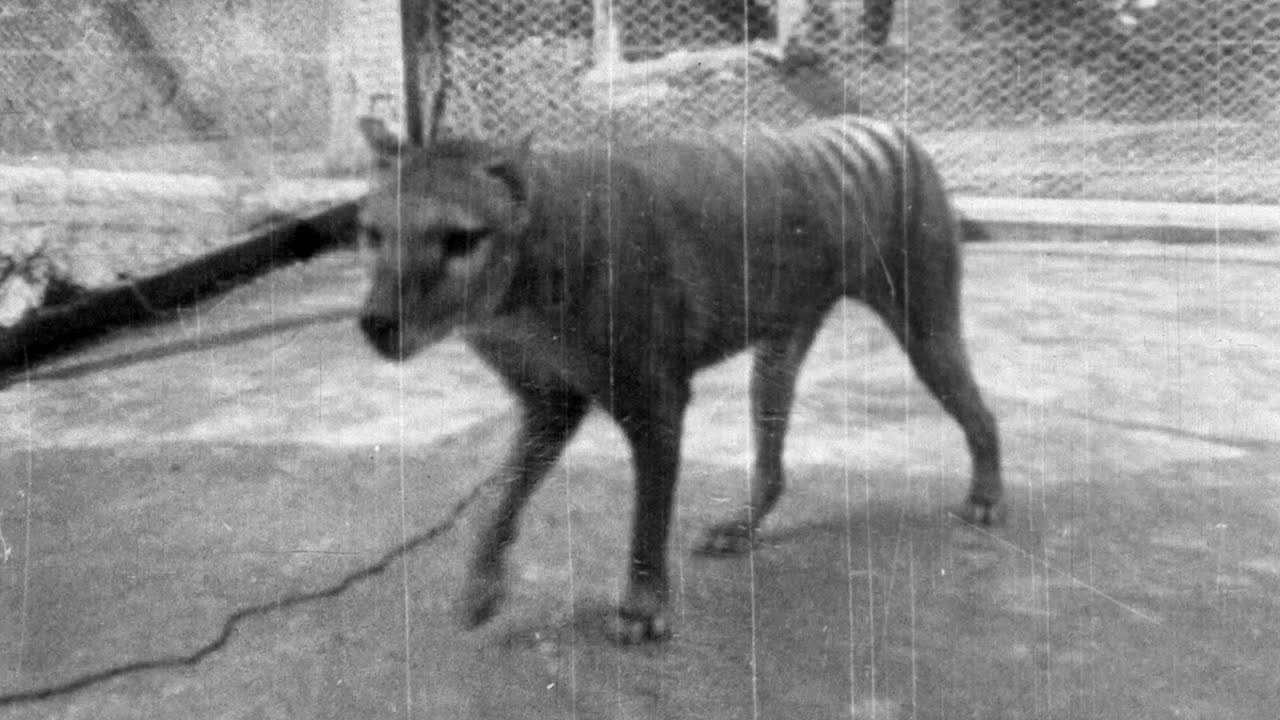
You might be asking yourself a logical question. Why spend millions of dollars bringing back a weird striped dog?

It isn’t just a vanity project. Extinction leaves a massive hole in the environment.
The thylacine was Tasmania’s apex predator. They kept the food web balanced. When we wiped them out, the ecosystem broke down. Today, a horrific, contagious facial tumor disease is decimating the Tasmanian devil population.
Sick animals spread the cancer when they bite each other. If the thylacine were still around, it would naturally prey on the sick and weak devils. This would cull the diseased animals from the population, stopping the spread in its tracks.
Bringing back the Tasmanian tiger could literally save modern species from suffering the exact same fate.
Future of the wild
Are Tasmanian tigers still alive? Out in the dark woods of the Australian bush, the answer is almost certainly no. The ghosts people see are likely born from wishful thinking and tricks of the light.
Inside the pulsing, high-tech labs of Dallas and Melbourne, however, the answer is a resounding almost.
We are standing on the edge of a biological revolution. We destroyed the thylacine through greed and ignorance. Now, we might just possess the tools to fix our biggest mistake.
What do you think? Should we bring extinct animals back to life, or should we let nature take its course? Drop your thoughts in the comments below! If you found this dive into cryptid science fascinating, share it with a friend who loves a good mystery.

