
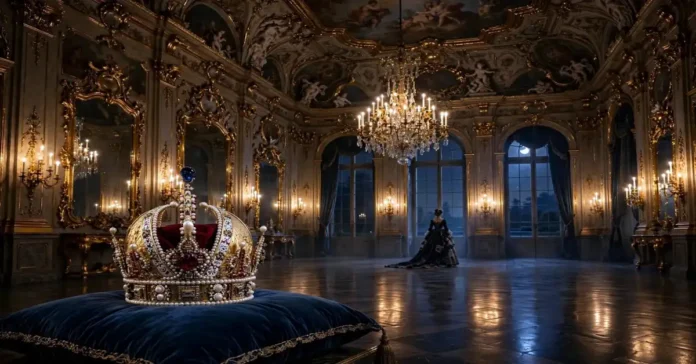
Netflix’s German historical drama The Empress wrapped up its third and final six-episode run on November 12, 2026, leaving fans breathless over its mix of palace intrigue, forbidden romance, and imperial collapse. While Devrim Lingnau and Philip Froissant deliver electrifying performances as Elisabeth and Franz Joseph, showrunner Katharina Eyssen took massive creative liberties to squeeze nearly a decade of Habsburg history into six hours of television. Let’s peel back the velvet curtains of Vienna’s Hofburg Palace to compare The Empress Season 3 true story against what nineteenth-century court archives actually record.
Emperor Franz’s Post-War Trauma vs Reality
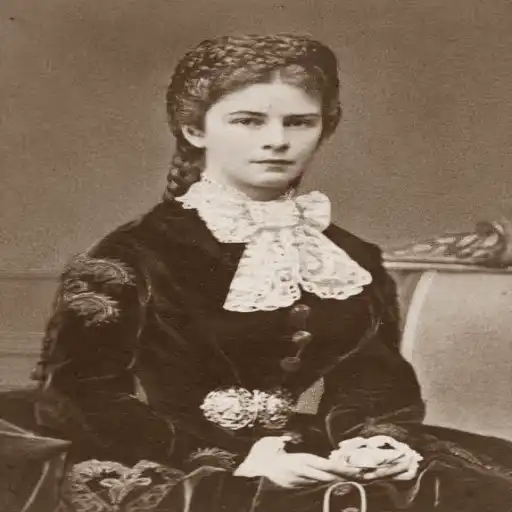
Season 3 opens in the smoking aftermath of the 1859 Second Italian War of Independence (the Sardinian War). On screen, Philip Froissant’s Franz returns to Vienna shattered by guilt, haunted by the slaughter at the Battle of Solferino, and desperate to lock his family inside a gilded cage to protect them.
Did the real Emperor Franz Joseph I suffer that exact emotional breakdown? Not quite — though the military disaster genuinely shook the Habsburg Empire to its core.
- The Real Battlefield Reality: Franz Joseph personally took command of the Austrian army at Solferino in June 1859, witnessing horrific casualties alongside his opponent, French Emperor Napoleon III.
- The Political Aftermath: Losing Lombardy didn’t turn the real 29-year-old emperor into a brooding recluse. Instead, it shattered his neo-absolutist grip on power, forcing him to fire unpopular ministers and reluctantly experiment with constitutional reforms to keep his bankrupt empire from imploding.
- The Marriage Strain: In the show, Franz tries to “clip Elisabeth’s wings” out of protective paranoia. In real life, their marriage hit rock bottom around 1859–1860 because Elisabeth discovered Franz was carrying on affairs during his military campaigns, pushing her to withdraw sexually and emotionally after three rapid pregnancies.
What Happened to Elisabeth of Austria Season 3: The Madeira & Corfu Escapes
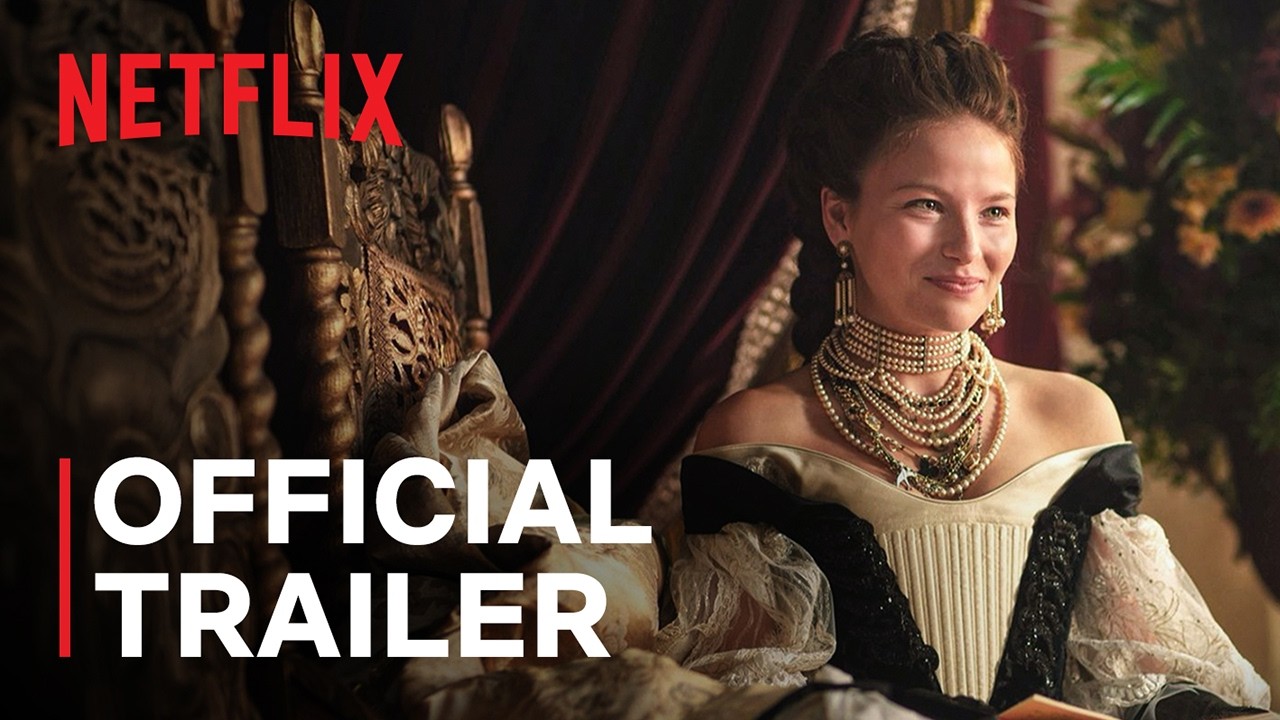
One of the most gripping arcs in what happened to Elisabeth of Austria Season 3 revolves around her desperate need to escape Vienna’s suffocating court rules and her overbearing mother-in-law, Archduchess Sophie. Here, Netflix’s writers hit remarkably close to the historical bullseye — even if they compressed the timeline.

By late 1860, the real 22-year-old Empress was physically and mentally collapsing. Court physicians diagnosed her with a mysterious, life-threatening “lung disease” (likely a mix of severe psychosomatic stress, acute depression, and extreme starvation diets).
To save her life, doctors ordered an immediate change of climate, triggering a two-year odyssey away from Vienna:
- Winter in Madeira (November 1860 – April 1861): Elisabeth sailed aboard Queen Victoria’s loaned steam yacht Victoria and Albert to the Portuguese island of Madeira. Separated from her husband, her children, and Sophie’s rules, she spent six months hiking mountain trails, writing poetry, and regaining her strength.
- The Four-Day Relapse (May 1861): The moment Elisabeth stepped back into Vienna in May 1861, her symptoms violently returned — coughing fits, fevers, and total refusal to eat.
- Convalescence on Corfu (June – October 1861): Doctors immediately shipped her off to the Greek island of Corfu. Miraculously, the moment her boat cleared the Austrian coast, her appetite returned and her fever vanished. Court gossips whispered that Sisi’s “lung disease” was actually an allergy to her mother-in-law.
While Season 3 weaves her coastal escapes directly into high-stakes diplomatic rescue missions, the real Sisi used her travels to transform from a shy Bavarian teenager into an assertive woman who refused to let Sophie raise Crown Prince Rudolf like a miniature soldier. (Years later, Sisi loved Corfu so much she built the lavish Achilleion Palace there.)
Count Andrássy and Elisabeth
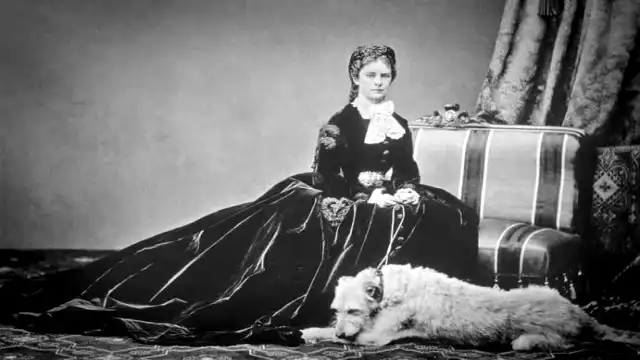
If you watched Season 3 expecting sparks to fly between Elisabeth and exiled Hungarian rebel Count Gyula Andrássy (played by Dejan Bućin), Netflix definitely delivered the swoon-worthy drama — even hinting at paternity rumors surrounding Sisi’s youngest child.

So what is the real truth behind Count Andrássy Elisabeth The Empress? History tells a far more nuanced — and frankly cooler — story than a standard period-drama love triangle.
Count Andrássy was every bit as dashing in real life as he appears on screen. Nicknamed “the handsome hanged man” because Austrian authorities had sentenced him to death in absentia (and hanged him in effigy) after the failed Hungarian Revolution of 1848, he spent years in exile in Paris and London before receiving amnesty in 1857.
When he finally met Elisabeth in the mid-1860s, the chemistry was undeniable, yet historians agree on a few vital facts:
- Deep Mutual Infatuation: Andrássy openly admired the Empress, and Elisabeth leaned heavily on his wit, charm, and political savvy. She called him her “true friend” in private letters.
- No Proof of an Affair: Despite vicious rumors spread by Viennese aristocrats who hated Hungary, serious biographers — including Brigitte Hamann — found zero evidence that they ever consummated a physical affair. Both were fiercely loyal to their public roles, and Sisi remained hyper-conscious of royal dignity.
- What About the Baby Rumors? Viennese gossips claimed Sisi’s fourth child, Archduchess Marie Valerie (born in Budapest in April 1868), was fathered by Andrássy. Modern historians completely debunk this — not only was Elisabeth surrounded by watchful attendants, but as Marie Valerie grew up, she looked unmistakably like her father, Emperor Franz Joseph.
Instead of a secret bedroom tryst, their real passion was politics. Together, they engineered one of the biggest geopolitical turnarounds in European history.
The Austro-Hungarian Compromise & The Empress Series Finale Ending Explained
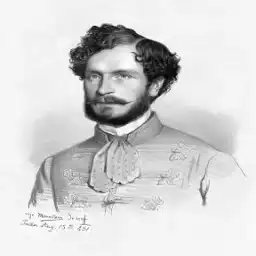
In The Empress series finale ending explained, the show stages a dramatic climax where Elisabeth champions Hungarian autonomy to save the fractured empire, culminating in the creation of the Dual Monarchy — intercut grimly with the execution of Franz’s reckless younger brother, Maximilian, in Mexico.

How closely does this finale match The Empress Season 3 real events? Let’s look at the real timeline:
| Event | Netflix Season 3 Timeline | Actual Historical Timeline |
| Austro-Hungarian Compromise (Ausgleich) | Happens right after the Italian crisis as Elisabeth brokers peace between Franz and Andrássy. | Signed in February 1867, following Austria’s crushing defeat by Prussia in the 1866 Austro-Prussian War. |
| Hungarian Coronation | Celebrated as the crowning triumph of Sisi and Franz’s renewed partnership. | Took place on June 8, 1867, at Matthias Church in Buda, with Andrássy serving as Hungary’s first Prime Minister. |
| Maximilian’s Execution in Mexico | Cross-cut directly against the triumphant coronation to underline the bloody cost of Habsburg ambition. | Actually happened 11 days later, on June 19, 1867, in Santiago de Querétaro, Mexico, on the orders of Benito Juárez. |
Netflix nailed the poetic irony of those two June 1867 events occurring just days apart. In real life, Elisabeth genuinely played a decisive back-channel role in persuading a reluctant Franz Joseph to grant Hungary equal constitutional status within the newly minted Austro-Hungarian Empire. She fluent-tested herself in Hungarian, hired Hungarian ladies-in-waiting like Ida Ferenczy, and used her emotional leverage over Franz to bring moderate Hungarian leaders like Ferenc Deák and Count Andrássy to the negotiating table.
Where History Went After the Credits Rolled
Netflix ends The Empress on a triumphant, hopeful note in 1867, sparing viewers the dark tragedies that defined Sisi’s later decades. By stopping right at the Hungarian coronation, the show freezes Elisabeth at the absolute peak of her beauty, political influence, and hard-won independence — long before the 1889 Mayerling suicide of her son Rudolf and her own tragic assassination in Geneva in 1898.
Want to revisit the exact scenes from the final trailer? You can watch Netflix’s official Season 3 trailer on YouTube or read Netflix’s official Tudum announcement for behind-the-scenes details on how the cast said goodbye to Vienna.

