

Is Autism a Disorder or a Difference? Neurodiversity Explained (World Autism Awareness Day April 2)
Have you ever wondered why some brains just seem to operate on a completely different frequency? Welcome to the neurodiversity conversation. For decades, society viewed autism strictly through a clinical lens. Doctors labeled it a disorder that needed to be fixed. However, times are changing rapidly. Today, many advocates argue that autism is simply a difference in human wiring. Consequently, a fierce debate continues: is autism actually a disorder, or is it just a difference?
To answer this accurately, we need to dive directly into the facts. World Autism Awareness Day happens every April 2. Therefore, there is literally no better time to unpack what neurodiversity actually means in the modern era.
Key takeaways
- New Data: The CDC reports that 1 in 31 children in the U.S. is identified with autism as of their 2025 update.
- Neurodiversity: Sociologist Judy Singer coined this term in 1998 to describe natural brain variations.
- 2026 Theme: World Autism Awareness Day focuses on “Autism and Humanity – Every Life Has Value”.
- Perspective Shift: Moving from the medical model (fixing deficits) to the social model (accommodating differences) is crucial for inclusion.
What Exactly is Neurodiversity?
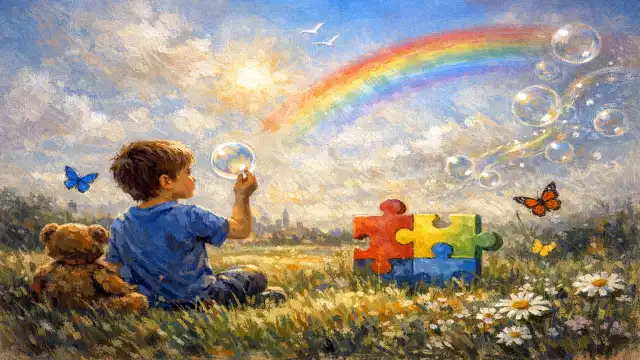
Let’s clear the air right away. Neurodiversity is not a medical diagnosis. Instead, it is a broad concept. Think of it exactly like biodiversity, but applied to human brains. In 1998, an Australian sociologist named Judy Singer officially coined the term. She wanted to recognize that everyone’s brain develops in a highly unique way. Because of that reality, there is absolutely no single definition of a “normal” brain.
Singer proposed that autistic people are not broken. Rather, they possess brains that function differently, featuring distinct strengths and weaknesses. Furthermore, she argued that these neurological differences should be fiercely respected as a natural category of human diversity. This core idea eventually sparked a massive social justice movement. Today, the neurodiversity movement advocates for treating conditions like autism, ADHD, and dyslexia as valuable variations rather than mere defects.
Neurotypical vs Neurodivergent
You will often hear these two specific terms tossed around. What do they actually mean?
- Neurotypical: A person whose brain functions in a way society generally considers “standard.”
- Neurodivergent: An individual whose brain operates differently from the typical majority. Naturally, this includes autistic folks.
Interestingly, neurodivergent serves as an umbrella term. Hence, it covers much more than just the autism spectrum. Countless people identify as neurodivergent without possessing any formal medical diagnosis.
What the CDC data shows
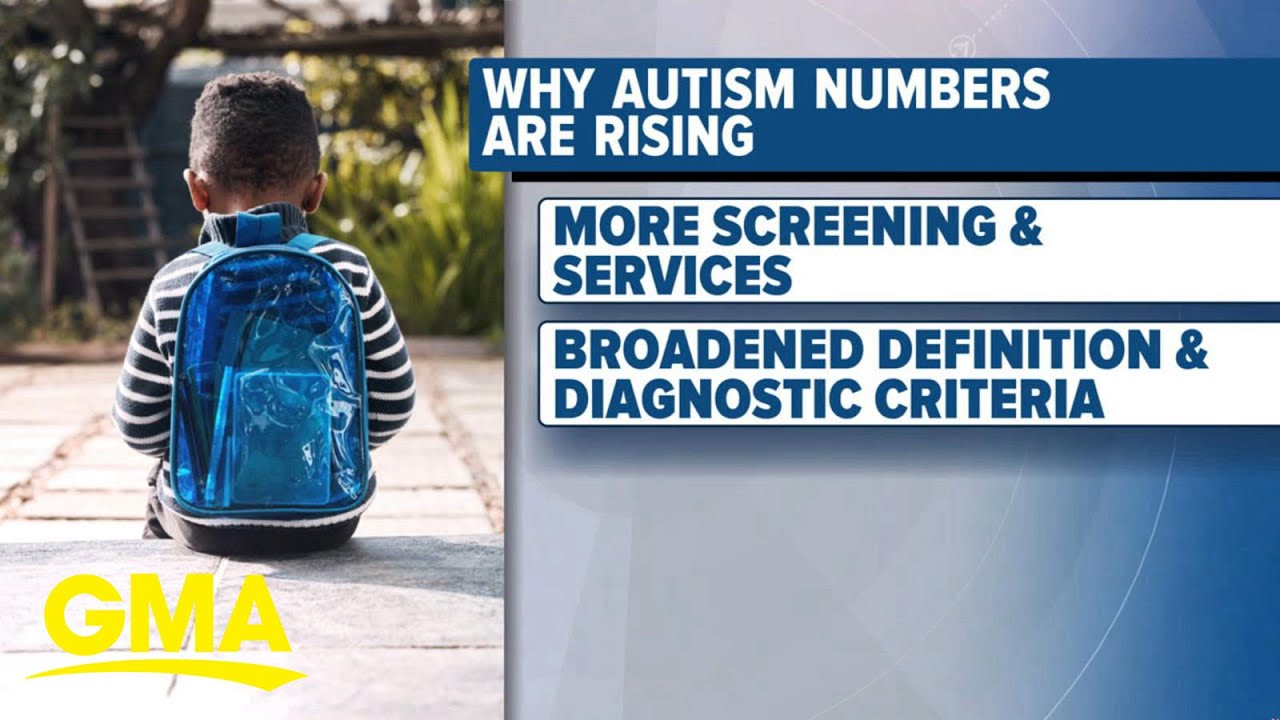
To fully grasp the scope of the autism conversation today, we must look at the hard numbers. Recently, the Centers for Disease Control and Prevention (CDC) released updated surveillance figures. Specifically, the April 2025 report revealed a notable increase in prevalence. Currently, 1 in 31 8 year old children in the United States is diagnosed with Autism Spectrum Disorder (ASD). This represents a significant jump from the previous official estimate of 1 in 36.
Why the sudden spike? Are more people suddenly becoming autistic? Not necessarily. Experts attribute this steady rise to better screening tools, broader diagnostic criteria, and massively increased public awareness. Consequently, more children in historically underserved communities are finally getting properly identified.
- The Gender Gap: ASD remains 3.4 times more prevalent among boys than girls.
- Racial Demographics: Surprisingly, prevalence is currently highest among American Indian/Alaska Native, Asian/Pacific Islander, and Black children compared to white children.
- Access Matters: Early identification has vastly improved. For example, children born in 2018 were almost twice as likely to be identified with ASD by age 4 than those born in 2014.
Ultimately, the collected data paints a very clear picture. Autism is incredibly common. Therefore, building a genuinely inclusive society is not just a niche issue; it directly impacts millions of families worldwide.
Core debate: disorder or difference?
Now, let’s tackle the main question head on. Is autism a disorder, or is it a difference? Truthfully, the answer depends entirely on who you ask. We can examine this complex issue through two very distinct frameworks.
Medical model
Historically, mainstream psychiatry has strictly relied on the medical model of disability. This specific approach views autism purely as a disorder. According to the Diagnostic and Statistical Manual of Mental Disorders (DSM-5), ASD is characterized by persistent deficits in social communication and restricted, repetitive patterns of behavior.
From a purely clinical standpoint, labeling autism as a disorder serves a highly practical purpose. Diagnosis directly unlocks access to vital life resources. For instance, families need medical codes to secure insurance coverage for therapies, school accommodations, and support services. Without the “disorder” label securely in place, many individuals would abruptly lose access to the help they desperately need. Moreover, some autistic people experience severe daily challenges. These might easily include non speaking communication, self injurious behaviors, or significant intellectual disabilities. For them, calling autism merely a quirky “difference” can feel incredibly dismissive of their intense struggles.
Social model
Conversely, the social model of disability completely flips the script. This alternative framework argues that people are actually disabled by society, not by their physical bodies or brains. Imagine a wheelchair user facing a tall building equipped with only stairs. The stairs are the disabling factor, not the wheelchair.
Similarly, the social model passionately views autism as a difference. Many autistic advocates argue that their biggest life hurdles come from living in a rigid world designed specifically for neurotypical people. Bright fluorescent lights, unspoken social rules, and highly inflexible work environments create massive barriers. If society willingly adapted to accommodate these natural differences, the “disability” aspect of autism would shrink dramatically.
So, where do we ultimately land? Most modern experts settle comfortably somewhere in the middle. Autism is a profound neurobiological difference that can absolutely cause genuine disability. However, much of that resulting disability is heavily worsened by unaccommodating environments. As Judy Singer originally noted, the neurodiversity movement solidly aligns with disability rights. It strongly insists that disability should never diminish a person’s core humanity.
Exploring the autism spectrum: strengths and challenges
Autism is a massive spectrum. Naturally, no two autistic people are exactly alike. As the popular community saying goes, “If you’ve met one person with autism, you’ve met one person with autism.” Some individuals require round the clock intensive care. Meanwhile, others live totally independently, hold demanding corporate jobs, and raise large families.
Previously, doctors used terms like “Asperger’s Syndrome” to describe certain traits. However, in 2013, the medical community merged these outdated labels into the broader Autism Spectrum Disorder diagnosis. Furthermore, the community now actively discourages using “high functioning” or “low functioning” labels. Instead, they prefer discussing specific support needs.

Common areas of friction
Living in a predominantly neurotypical world requires immense daily energy from neurodivergent individuals. They frequently face highly specific hurdles:
- Sensory Overload: The modern world is unbelievably loud. Autistic brains process sensory input quite differently. Consequently, a crowded grocery store or a ticking clock can feel physically painful.
- Executive Functioning: Organizing daily tasks, managing complex schedules, and constantly switching focus can be utterly exhausting.
- Social Burnout: Autistic folks frequently engage in “masking.” Masking basically means hiding autistic traits to blend in flawlessly with non autistic peers. Ultimately, this constant daily performance leads to severe nervous system exhaustion.
- Communication Styles: Neurotypical people routinely rely on subtle body language and hidden subtext. In contrast, autistic individuals typically prefer direct, literal communication. This frequent mismatch repeatedly causes painful misunderstandings.
Hidden strengths of neurodivergence
We definitely spend too much time exclusively discussing what autistic people struggle with. But what about their undeniable strengths? Research actively shows that the genetic traits underlying autism have provided critical evolutionary advantages for humanity. Many autistic individuals clearly possess incredible skills.
- Deep Focus: Also known as hyperfocus, this intense state allows individuals to dive deeply into specific subjects they are passionate about.
- Pattern Recognition: Many autistic people spot subtle errors, hidden trends, and tiny details that others miss entirely.
- Innovative Thinking: Because their unique brains are wired differently, they naturally approach complex problems from completely original angles.
- Honesty and Loyalty: Direct communication ensures you always know exactly where you stand. Furthermore, autistic individuals often display fierce loyalty to their personal values and loved ones.
World Autism Awareness Day 2026: Autism and Humanity
Every single April 2, the entire globe observes World Autism Awareness Day (WAAD). The United Nations originally established this special day to fiercely highlight the urgent need to improve the quality of life for autistic people.
What exactly is happening in 2026? This year, the global observance is held under a very powerful theme: “Autism and Humanity – Every Life Has Value.”
This specific theme represents a crucial paradigm shift. It actively highlights the inherent dignity, equal civil rights, and unconditional worth of every single autistic person. Sadly, dangerous misinformation sometimes dominates public discourse. Therefore, the 2026 virtual event strategically serves as a loud call to action. Organizers desperately want society to move permanently beyond limiting, deficit based narratives. The primary focus is deeply recognizing how autistic lives are truly integral to our shared human future.
From awareness to acceptance
For many years, the primary societal goal was simply basic “awareness.” People wore blue puzzle pieces and casually shared statistics online. Yet, basic awareness is incredibly passive. Knowing someone merely exists does not automatically mean you are treating them well.
Today, major advocacy groups are aggressively pushing for a cultural rebrand. They desperately want to shift the public focus toward “Celebrate Differences” and push for genuine acceptance. Acceptance is fiercely active. It requires changing outdated policies. It demands hiring neurodivergent talent. Above all else, it necessitates actively listening to autistic voices instead of constantly talking over them. When modern societies finally embrace neurodiversity, they actually strengthen global innovation and community resilience.
How to support neurodivergent individuals everyday
Understanding the theory of neurodiversity is only the very first step. Applying these inclusive principles in real life matters most. How can allies genuinely make a tangible difference?

In the workplace
Corporate spaces are notoriously hostile to neurodivergent minds. Open plan offices, vague management instructions, and forced networking events constantly create unnecessary friction. Here is exactly how employers can step up immediately:
- Offer Extreme Flexibility: Allow permanent remote work options or highly flexible hours.
- Adjust the Environment: Willingly provide noise canceling headphones. Swap out harsh fluorescent lights for softer desk lamps.
- Communicate Clearly: Ditch the confusing corporate jargon entirely. Give incredibly clear, written instructions with explicit deadlines attached.
- Rethink Interviews: Traditional job interviews mostly measure charismatic social skills, not actual technical ability. Consequently, many highly qualified autistic candidates get unfairly overlooked. Instead, offer practical, skills based assessments.
In schools
Traditional education systems frequently force round pegs violently into square holes. To help neurodivergent students truly thrive, educators absolutely must adapt their methods.
- Create Quiet Zones: Always give students a safe, silent place to retreat when they feel overwhelmed.
- Allow Stimming: Stimming (self stimulatory behavior like hand flapping or rocking) critically helps autistic people regulate their overloaded nervous systems. Stop punishing kids for simply moving their bodies naturally.
- Embrace Special Interests: If a child profoundly loves trains, use trains to creatively teach math, reading, and history.
In personal relationships
If you currently have an autistic friend or family member, making small changes means the absolute world to them.
- Believe Them: If they directly say a specific noise hurts physically, believe them immediately. Do not ever tell them they are just overreacting.
- Give Processing Time: Sometimes, autistic folks simply need a few extra seconds to fully process verbal information. Wait patiently. Do not repeat the exact same question louder.
- Ditch the Expectations: Let go of arbitrary, neurotypical social rules. If your best friend does not make constant eye contact, it certainly does not mean they are ignoring you.
Busting common myths about autism
Dangerous misinformation spreads quickly across the internet. Let’s permanently dismantle some prevalent myths using actual, verified science.
- Myth 1: Vaccines definitely cause autism.
- Fact: Decades of rigorous global research definitively prove vaccines do not cause autism. The highly flawed 1998 study linking the two was completely retracted, and its disgraced author permanently lost his medical license.
- Myth 2: Autistic people completely lack empathy.
- Fact: Autistic people very often experience profound, overwhelming empathy. However, they might express it quite differently. The psychological “Double Empathy Problem” suggests that neurotypical and neurodivergent people simply struggle equally to read each other’s unique social cues.
- Myth 3: Autism is exclusively a childhood condition.
- Fact: Autistic children inevitably grow up to be autistic adults. Brain wiring absolutely does not magically change on an 18th birthday. Yet, most funding and resources tragically vanish after childhood, leaving adults completely stranded.
- Myth 4: We are currently experiencing a massive autism epidemic.
- Fact: The rapidly rising prevalence rate (now 1 in 31) merely reflects better diagnostic practices, not a viral epidemic. We are finally just recognizing marginalized people who were previously ignored by the medical system.
Bottom line on neurodiversity
If you aggressively skimmed the article, here is exactly what you desperately need to know. Autism is a completely natural variation of the human brain. While it is classified medically as a disorder to grant vital access to healthcare, countless people experience it simply as a profound neurological difference. The absolute latest CDC data boldly shows 1 in 31 U.S. children are identified with autism. Because the modern world is rigidly designed for typical brains, autistic folks constantly face significant disabling barriers. However, when actively provided with the right accommodations, they powerfully bring unique strengths, deep focus, and innovative problem solving to our local communities. As World Autism Awareness Day 2026 strongly emphasizes, every single life has immense value. Inclusion is definitely the future.
Conclusion
So, is autism a disorder or a difference? Perhaps it is truly both. It is an undeniable neurological difference that actively creates real disability within a rigidly neurotypical world. But a genuine disability does not automatically equal a tragic deficit. Our society is undeniably richer, smarter, and far more creative precisely because of neurodiversity.
We have finally moved way past the dark era of trying to “cure” natural human variations. Instead, the ultimate goal is radical acceptance. We actively must build schools that gently nurture different minds. Furthermore, we absolutely must design corporate workplaces that highly value diverse problem-solving. Ultimately, we must passionately foster inclusive communities where being different is simply the new normal.
Join the Conversation!
Did this deep breakdown change exactly how you view neurodiversity? Don’t keep this crucial knowledge entirely to yourself. Share this article immediately with your friends, family, or coworkers to spark a vital conversation. Let’s move boldly beyond mere awareness and start practically building a world that truly celebrates differences. Drop a quick comment below how can we actively make our daily environments much more inclusive for neurodivergent minds today?
Sources help:
- https://www.autismspeaks.org/news/autism-prevalence-rises-1-31-children-us
- https://www.britannica.com/topic/neurodiversity
- https://www.cdc.gov/autism/media/pdfs/2025/04/ADDM-Community-Report-SY2022.pdf
- https://autismcenter.org/autismprevalence/
- https://www.neurodiversityhub.org/what-is-neurodiversity

