
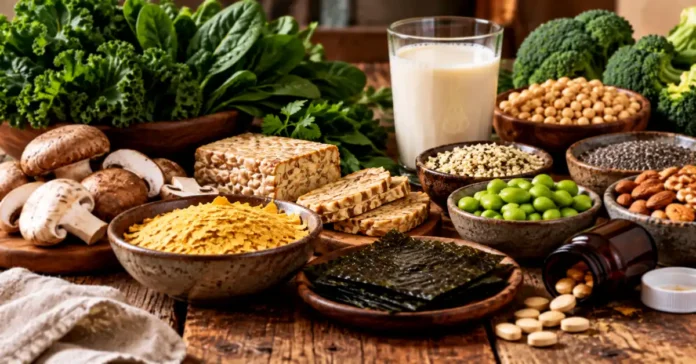
Embracing a plant-based plate does wonders for your heart, your carbon footprint, and animal welfare. Behind all the colorful grain bowls and vibrant smoothies lurks a silent biochemical truth that nobody eating plants can afford to ignore. Without a steady supply of vitamin B12, your body will eventually run out of fuel to protect your nerves and build red blood cells.
What B12 actually does in your body
Vitamin B12, known in scientific circles as cobalamin, is a bright red compound built around a single atom of cobalt. You need it in microscopic quantities, yet life halts without it. The nutrient acts as an essential cofactor for two vital enzymes: methionine synthase and L-methylmalonyl-CoA mutase.
These enzymes might sound like complex textbook jargon, but they run everyday bodily maintenance. Methionine synthase helps manufacture DNA, repair cellular structures, and transform homocysteine into harmless amino acids. The second enzyme, methylmalonyl-CoA mutase, helps your cells generate energy and synthesize myelin.
Myelin works exactly like the plastic coating wrapped around an electrical wire. It coats your nerve fibers, insulating electrical impulses so thoughts, physical sensations, and muscle reflexes travel instantly from head to toe. Stripping away that insulation creates catastrophic short circuits throughout the nervous system.
Plants produce thousands of powerful phytochemicals, antioxidants, and vitamins. They synthesize vitamin C, carotenoids, folate, and vitamin E in abundance. Yet, not a single plant, tree, or fungus on planet Earth produces vitamin B12.
Why do plants lack this crucial nutrient? They simply do not have the genetic coding or the biological need for it. Only specific bacteria and ancient single-celled organisms called archaea possess the internal machinery to synthesize cobalamin.
Animals do not manufacture B12 on their own either. Cows, sheep, and goats absorb B12 because bacteria living inside their digestive tracts ferment grasses and produce the compound internally. Wild animals get it by drinking untreated stream water and grazing on soil-crusted forage. Humans used to ingest incidental bacteria from our environment, too.
Modern sanitation, chlorination, and sterile food washing systems eradicated deadly waterborne plagues like cholera and dysentery. That public health victory came with an unintended side effect: it scrubbed naturally occurring B12 bacteria entirely out of our plant food supply. Supplementing this nutrient is not an indictment of veganism; it is simply the natural trade-off for living in a clean, sanitized world.
Every year on October 1st, people gather across the globe to celebrate World Vegetarian Day. As thousands try plant-based meals for the first time, getting honest, science-backed guidance on this single nutrient prevents preventable health scares down the road.

Truth about Spirulina, Nori and Dirty Soil
Scroll through social media long enough and you will encounter plenty of romantic myths about natural plant sources of B12. Some influencers claim that ancestral humans never took pills, so eating unwashed organic root vegetables or drinking wild spring water should suffice. Others insist that fermented foods like tempeh, miso, sourdough, or dried seaweeds provide all the B12 a vegan could ever need.
Relying on these sources is dangerous roulette. Thorough laboratory evaluations show that unwashed organic produce yields negligible amounts of active B12, while exposing your gut to harmful agricultural parasites, E. coli, and heavy metals.
The seaweed claim holds an even more deceptive trap. Sea vegetables like spirulina, chlorella, and raw nori frequently contain what biochemists classify as pseudovitamin B12 analogues.
- Chemical Mimicry: Pseudovitamin B12 molecules possess a chemical ring that looks nearly identical to active cobalamin under basic laboratory assays.
- Zero Biological Activity: These analogues fail to bind effectively to human cellular enzymes, meaning they cannot support nerve function or red blood cell manufacturing.
- Receptor Blockade: Worse still, these inactive impostors latch onto your internal transport proteins and mucosal receptors. They actively compete with real B12, effectively blocking your gut from absorbing genuine cobalamin!
Research summarized by the Harvard T.H. Chan School of Public Health emphasizes that dried seaweeds and fermented foods are never reliable sources of this vitamin. If a food product does not state active vitamin B12 on its verified nutritional label, treat it as containing zero B12.
The complex maze of Cobalamin Absorption
Why can’t you just swallow a pill containing your exact daily requirement and call it a day? The answer lies in the quirky, bottlenecked way human digestion handles cobalamin absorption.
Unlike water-soluble vitamins like vitamin C, which slide across your intestinal lining with minimal effort, cobalamin requires an elaborate biological escort service:
- The Acid Bath: In whole animal foods, B12 is tightly glued to animal proteins. Gastric acid and pepsin inside your stomach must uncouple the vitamin so it floats free. In fortified foods and supplements, the B12 is already free, bypassing this step.
- The Chaperone: Once liberated, specialized cells in your stomach lining known as parietal cells release a transport glycoprotein called intrinsic factor.
- The Binding Handshake: Intrinsic factor binds firmly to the free B12 inside the small intestine, shielding the delicate molecule from digestive destruction.
- The Gateway: This paired complex travels all the way down to the final section of your small intestine, the terminal ileum. Specific mucosal receptors recognize intrinsic factor and pull the B12 into your bloodstream.
Here comes the real plot twist: your ileum’s intrinsic factor receptors saturate very quickly. During any single meal or digestive window, your intrinsic factor pathway can only absorb roughly 1.5 to 2.0 micrograms of B12.
What happens to the rest? Your body relies on a secondary, passive route known as passive diffusion. Along the entire length of your intestinal tract, approximately 1% of any oral dose passes directly into the bloodstream without intrinsic factor’s help.
This tiny 1% diffusion rate explains why over-the-counter supplements look absurdly overdosed compared to standard dietary charts. To absorb a safe amount through passive diffusion, you must ingest a dramatically larger quantity.

Daily RDA Micrograms vs Supplement Reality
The National Institutes of Health (NIH) lists the official baseline daily RDA micrograms for adult men and women at 2.4 mcg. That tiny figure goes up to 2.6 mcg during pregnancy and 2.8 mcg during lactation.
If your body only burns through 2.4 micrograms daily, why do supplement bottles contain 500, 1,000, or 2,500 micrograms? Because of the 1% passive absorption rule.
To keep your tissues completely saturated, choose one of three straightforward routines endorsed by leading dietitians and The Vegan Society:
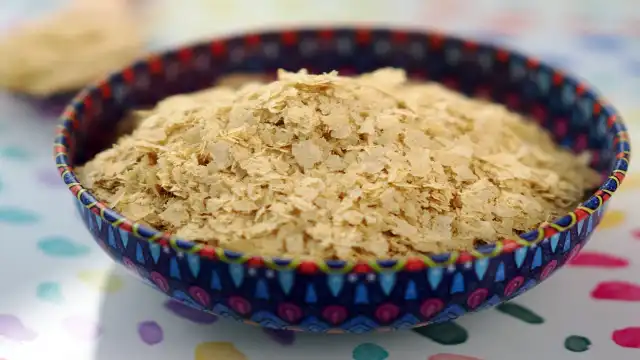
- The Fortified Food Method: Eat fortified items two to three times throughout the day, hitting at least 3.0 micrograms total. Great staples include fortified soy milk, enriched breakfast cereals, and fortified nutritional yeast. Because each meal delivers a modest dose hours apart, your intrinsic factor receptors refresh, allowing efficient uptake each time.
- The Daily Supplement Method: Take a single chewable tablet or liquid drop providing between 25 and 100 mcg daily. A 50 mcg pill easily delivers your baseline needs: about 1.5 mcg via intrinsic factor plus 1% of the remaining 48.5 mcg (about 0.5 mcg) through passive diffusion, yielding a safe 2.0 mcg net absorption.
- The Weekly Power Dose: Take a high-dose supplement providing 2,000 to 2,500 mcg once per week (or 1,000 mcg twice weekly). When you gulp 2,000 mcg at once, your intrinsic factor absorbs 1.5 mcg, while passive diffusion carries roughly 20 mcg across your intestinal wall. That single burst reloads your internal reserves for the entire week!
No tolerable upper intake limit exists for vitamin B12. Because cobalamin is water-soluble, any excess floating through your circulation gets filtered out by your kidneys and harmlessly flushed away in your urine.
Methylcobalamin vs Cyanocobalamin
Walk into any health food store and you will spot a lively debate printed across supplement labels: methylcobalamin vs cyanocobalamin. Internet bloggers often describe methylcobalamin as “superior and natural” while painting cyanocobalamin as an “unnatural, synthetic toxin.”
Let’s look past the marketing noise and look at the chemistry:
- Cyanocobalamin: This molecule pairs cobalamin with a single cyanide molecule. That sounds alarming until you understand proportions. The amount of cyanide in a 1,000 mcg supplement is infinitesimally tiny — vastly less than what your body naturally processes when eating an apple, a handful of almonds, or a cup of broccoli. Cyanocobalamin is exceptionally stable, resistant to heat, and unfazed by ambient light. Once inside your liver, your body easily cleaves off the tiny cyanide group and converts the core cobalamin into active coenzyme forms.
- Methylcobalamin: This is one of the two active coenzyme forms your cells use directly. While it skips a conversion step, it is notoriously fragile. Methylcobalamin degrades rapidly when exposed to sunlight, room temperature, or air. If your bottle sits on a bright kitchen counter for three months, the actual potency can plummet significantly.
Decades of clinical research prove both forms effectively prevent and reverse deficiency. If you want maximum stability, long shelf life, and budget-friendly reliability, cyanocobalamin remains the gold standard. If you smoke heavily or have chronic kidney dysfunction, methylcobalamin or hydroxocobalamin may be preferred by your physician to reduce metabolic cyanide clearance burdens.
Why deficiency takes years to surface
Have you ever met a vegan who claimed they never take vitamins and feel completely energetic after two years? They are probably telling the truth, but they are living on borrowed time.
The human liver is remarkably thrifty. It hoards a backup reservoir of roughly 2,000 to 5,000 micrograms of B12, recycling it through bile over and over again. Your body only expends about 1 to 2 micrograms per day.
Because of this massive storage vault, it takes anywhere from two to five years of zero B12 intake for your body’s reserves to run completely dry. This slow decline is a double-edged sword. It shields you from short-term dietary slips, but it also creates a false sense of security that lures people into skipping their supplements.
When your liver reserves finally hit rock bottom, problems arrive in two distinct clinical phases:
- The Blood Crisis: Your bone marrow struggles to manufacture red blood cells properly. Without B12, cells cannot divide normally, swelling into massive, fragile, dysfunctional shapes. This condition is called megaloblastic anemia. Tissues starve for oxygen, causing crushing fatigue, pale or yellowish skin, breathlessness, and racing heartbeats.
- The Nerve Breakdown: Left unchecked, the lack of myelin maintenance wreaks havoc across your nervous system. These B12 deficiency neurological symptoms often start quietly: a strange tingling or “pins and needles” sensation in your toes, cold hands, numbness, poor balance, brain fog, sudden memory lapses, and unexplained depression.
Here is the most critical warning every plant-based eater must remember: high dietary folate can mask B12 deficiency!
Vegans naturally consume heaps of folate from leafy greens, beans, lentils, and citrus fruits. High folate intake bypasses the cellular roadblock that causes megaloblastic anemia, keeping your blood cells looking completely normal on routine tests.
Your doctor might review your basic complete blood count (CBC) and pronounce you in great health, even while your nerve sheaths are silently eroding in the background. If nerve degradation progresses untreated into subacute combined degeneration of the spinal cord, the neurological damage can become permanent.
Why serum B12 is not enough
Getting regular blood work is smart self-care, but ordering the wrong marker will leave you with a false sense of security.
Here is how the standard lab tests stack up:
- Total Serum B12: This is the routine test most doctors run. It measures all B12 circulating in your bloodstream. Unfortunately, it measures both active B12 and useless pseudovitamin analogues. If you have been snacking on seaweed or energy bars, your total serum B12 can show up in the “normal” range while your tissues are functionally starving.
- Methylmalonic Acid (MMA): The undisputed gold standard functional biomarker. When your cells possess adequate active B12, they quickly convert methylmalonyl-CoA into succinyl-CoA. When active B12 drops, that reaction stalls, causing methylmalonic acid to spill into your blood and urine. An elevated MMA test provides ironclad, early proof of cellular B12 starvation long before anemia or nerve symptoms appear.
- Total Homocysteine: When B12 or folate runs low, homocysteine levels in your blood spike. While a valuable secondary flag for cardiovascular and metabolic stress, it is less specific than MMA because a deficiency in folate or vitamin B6 can also drive it upward.
- Holotranscobalamin (“Active B12”): Only about 10% to 30% of circulating B12 binds to the specific transport protein (transcobalamin II) that actually delivers the vitamin to working tissues. Testing holotranscobalamin measures this active fraction directly, giving a much sharper picture than total serum tests.
If you suspect your levels are slipping, ask your healthcare provider for a serum methylmalonic acid (MMA) test alongside your standard lab work. Catching cellular depletion early means you can fix it with higher doses before a single nerve fiber gets hurt.
Practical habits to protect your health for the long run
Staying protected against deficiency does not require complicated routines or expensive designer supplements. A few reliable lifestyle habits will keep your levels solid for decades to come:
- Pick One Method and Stick to It: Decide whether you are a daily person or a weekly person. If you take a multivitamin every morning, pick one with at least 25 to 100 mcg of B12. If you dislike pills, buy a bottle of 1,000 mcg chewables and take one every Sunday and Wednesday.
- Keep Your Jars Out of the Light: B vitamins are sensitive to bright ultraviolet light and high heat. Store your bottles inside a dark pantry cabinet or desk drawer rather than on a sunny windowsill or above the stove.
- Check the Nutritional Yeast Label: Not all nutritional yeast is created equal. Non-fortified versions taste wonderful and provide protein, but only fortified nutritional yeast provides B12. Check the Nutrition Facts panel on the back to verify cobalamin is listed.
- Listen to Your Body: Do you notice a persistent tingling sensation in your fingertips? Are you stumbling over simple words or feeling unusually unsteady on your feet? Do not write it off as simple stress or lack of sleep. Check your levels immediately.
Eating a vibrant, plant-based diet is one of the most positive choices you can make for your health and the environment. Taking a tiny, low-cost supplement a couple of times a week ensures you can enjoy every benefit of plant-based living with absolute confidence, sharp mental clarity, and rock-solid nerve health.

