
Meet Coffea arabica and Coffea canephora
Before talking about flavor notes, we need to clear up a common misconception. Arabica and Robusta are not just different varieties of the same bush like Granny Smith and Honeycrisp apples. They are two entirely separate botanical species with completely different genetic blueprints.
Arabica (Coffea arabica) is actually an accidental child of nature. Thousands of years ago in the wild forests of South Sudan and Ethiopia, two different parent plants cross-pollinated: Coffea eugenioides and Coffea canephora. The resulting hybrid was an allotetraploid plant carrying four complete sets of chromosomes (forty-four in total). It inherited delicate aromatic potential from one parent and structural vigor from the other.
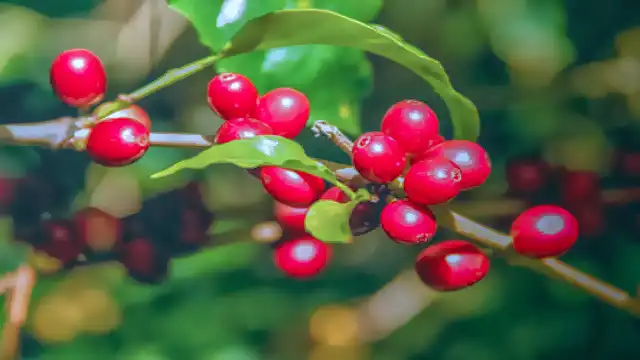
Robusta is the trade name for Coffea canephora. Unlike its high-maintenance descendant, canephora is a diploid plant with twenty-two chromosomes. It grows as a rugged, thick-trunked shrub or small tree capable of reaching thirty feet in the wild.
You can spot the difference between the two beans with a quick glance at your counter:
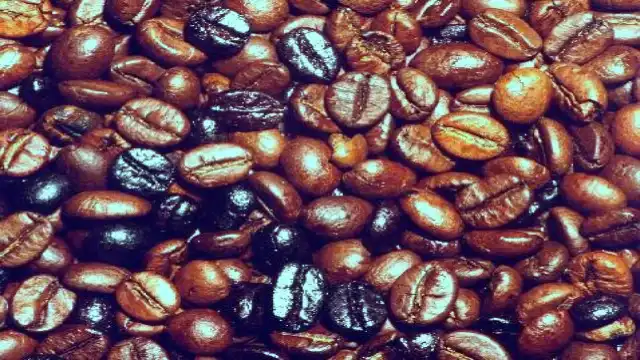
- Arabica Beans: Noticeably oval and elongated. The center crease forms a meandering, gentle “S” shape.
- Robusta Beans: Distinctly smaller, rounder, and plumper. The center crease cuts straight across the bean like an incision.
Growing conditions draw another sharp line between them. Arabica is fragile. It demands cool subtropical climates, gentle mountain mist, and altitudes between 3,000 and 6,500 feet. Push Arabica into scorching midday heat, and the tree stresses out, dropping its cherries before they ripen.
Robusta shrugs off punishing heat waves. It thrives at sea level and up to 2,500 feet in sweltering equatorial lowlands where downpours are relentless and bugs swarm by the billions.
Why arabica tastes like fruit and robusta tastes like cacao
Why do coffee bags describe Arabica with romantic notes like jasmine, blueberry, or caramel, while commercial Robusta gets pegged as rubbery or burnt?
The answer comes down to raw molecular chemistry: sugars and fats.
Arabica contains roughly 60% more lipids (natural oils and fats) than Robusta. Raw Arabica beans boast an oil content between 15% and 17%, whereas Robusta hovers between 10% and 11%.
Why do lipids matter so much to your taste buds? Lipids serve as flavor carriers. During the brewing process, these volatile aromatic compounds dissolve into your cup, coating the surface of your tongue with a silky, velvety shield. This oily coating prolongs the aftertaste and carries delicate floral aromatics straight to your olfactory receptors.
The sugar gap is even wider. Arabica packs nearly twice the concentration of sucrose found in Robusta. Sucrose makes up 6% to 9% of an Arabica bean’s dry weight, compared to a modest 3% to 5% in Robusta.
When green coffee hits the blistering steel of a roasting drum, those natural sugars undergo the Maillard reaction and intense caramelization. High sucrose levels trigger a cascade of aromatic compounds:
- Furans that smell like spun sugar, sweet caramel, and toasted bread.
- Aldehydes that give off bright scents of stone fruit and crisp berries.
- Organic acids that balance sweetness with vibrant energy.
Robusta simply does not possess enough base sugar to fuel that same fruity sweetness. When roasted dark, its lower sugar and lipid levels produce deep, heavy flavor profiles centered around dark cocoa, roasted hazelnuts, tobacco leaf, and charred oak.
Is that automatically bad? Not if you love a punchy, grounding morning brew that can cut straight through eight ounces of steamed whole milk!

Caffeine as nature’s ultimate bug spray
Ever wonder why coffee plants produce caffeine in the first place? Plants do not make chemicals to help sleepy humans survive Monday morning budget meetings.
To the natural world, caffeine is a potent chemical weapon.
Insects and garden pests find caffeine highly toxic. When a hungry beetle or caterpillar chews on a coffee cherry packed with caffeine, the alkaloid disrupts its nervous system, paralyzes its feeding instincts, and acts as a deadly deterrent. Caffeine also leaches into the surrounding soil through dropped leaves, discouraging rival seeds from sprouting too close to the mother tree’s roots.
Robusta trees developed this botanical shield to perfection. Because they evolved in muggy, low-altitude jungles crawl-filled with parasites, the plant had to arm itself heavily to survive.
Examining the caffeine content by bean reveals why Robusta is so nearly indestructible on the farm:
- Arabica: Contains roughly 1.2% to 1.5% caffeine by dry weight. An average eight-ounce brewed mug delivers around 95 to 130 milligrams of caffeine.
- Robusta: Packs 2.2% to 2.7% caffeine by dry weight — nearly double its cousin’s dose! That same mug brewed with pure Robusta delivers between 180 and 240 milligrams of stimulant kick.
That enormous caffeine concentration gives Robusta stunning agricultural resilience. It stands up to coffee leaf rust (Hemileia vastatrix), a fungal plague that wiped out entire Arabica plantations across Sri Lanka and Central America.
With global temperatures climbing and climate volatility threatening high-altitude Arabica farms, agricultural researchers at World Coffee Research are actively studying canephora genetics. Robusta’s tough-as-nails immune system could very well hold the genetic keys to saving the global coffee supply over the next half-century.
Coffee bean acidity vs chlorogenic acid
Step into a third-wave coffee shop and you will hear baristas rave about “juicy acidity.”
New coffee drinkers often flinch at that word. Who wants an acid bath in their morning mug?
In specialty coffee tasting, acidity does not refer to burning stomach acid or batteries. It describes that pleasant, mouthwatering crispness that makes an apple snap or a squeeze of fresh lime pop on your palate.
Arabica beans are packed with gentle organic acids:
- Citric Acid: Delivers lively, bright citrus notes like lemon, orange, and grapefruit.
- Malic Acid: Brings the refreshing, crisp tartness of green apples and pears.
- Phosphoric Acid: Creates a tingling, effervescent sensation on the tongue, similar to a cold soda.
What about Robusta? You might assume Robusta is less acidic because it tastes heavier and darker. Paradoxically, chemistry tells a much more nuanced story.
Sensory coffee bean acidity is very different from chemical pH. Robusta contains staggering levels of chlorogenic acid (CGA) — a family of polyphenols and powerful antioxidants. While Arabica contains about 5.5% to 8% chlorogenic acid by dry weight, Robusta clocks in at 7% to 10%.
During the high heat of a roast, chlorogenic acids break down into two specific compounds: caffeic acid and quinic acid.

Quinic acid is the exact molecule responsible for that sharp, astringent, medicinal bitterness lingering on the back of your tongue when you drink burnt coffee. Combined with its double hit of naturally bitter caffeine, Robusta’s high chlorogenic acid load masks any delicate fruity acids that might have been present in the green cherry.
The silver lining? Those massive chlorogenic acid reserves make Robusta an antioxidant goldmine. If your primary health goal is loading up on cellular-protecting polyphenols, a cup of dark Robusta runs circles around light Arabica.
Crema production and the italian espresso miracle
Have you ever pulled a shot of espresso at home and been disappointed by a sad, watery ring of pale foam that vanished before you could pick up your spoon?
Enter the Italian espresso secret.
Walk into an authentic espresso bar in Naples or Rome, and the barista will hand you a short ceramic demitasse topped with a dense, hazelnut-colored blanket of foam so thick that a spoonful of white sugar sits resting on top of it for three whole seconds before sinking.
That crown of foam is crema. It forms when water heated to roughly 200°F is forced through tightly packed, finely ground coffee under nine bars of mechanical pressure.
Under that immense force, trapped carbon dioxide gas dissolves straight into the brewing water. When the dark liquid exits the tiny holes of the portafilter into normal atmospheric pressure, the dissolved gas expands instantly, creating millions of microscopic bubbles.
Why does Robusta dominate Arabica when it comes to crema production?
The explanation involves a surprising physical paradox. You might think coffee oils help build foam. In reality, lipids act as foam destabilizers! Just like a drop of vegetable oil instantly collapses dish soap suds in your sink, high concentrations of coffee lipids spread across air bubbles and cause them to pop.
Because Arabica contains roughly 60% more lipids than Robusta, its crema is naturally thinner, delicate, and prone to rapid breakdown.
Robusta has fewer oils to pop those expanding bubbles. It also boasts higher levels of soluble proteins, structural polysaccharides, and trapped carbon dioxide from roasting. These proteins gather around the gas bubbles like microscopic mortar, building a resilient, elastic foam wall.
A 10% or 20% pinch of quality Robusta blended into an Arabica roast gives the final shot:
- A towering, stable crema that lasts for minutes without separating.
- A heavy, velvety mouthfeel that coats the palate.
- A bold, punchy backbone that keeps milk from diluting the soul of your cappuccino.
Specialty coffee scoring and fine robusta
For nearly a century, Robusta suffered from a tragic chicken-and-egg problem.
Because global commodity markets traded Robusta at a massive discount compared to Arabica, farmers treated it like trash. They stripped trees bare in a single pass — mixing unripe green cherries with overripe black rot — and dried the whole harvest on muddy dirt floors where wet beans absorbed musty, moldy flavors. Then they tossed the crop into burlap sacks and shipped it off to become cheap instant crystals.
Could a bean treated with such disrespect ever taste clean? Of course not!

Fortunately, a passionate band of farmers, roasters, and sensory scientists decided to challenge that narrative.
The Coffee Quality Institute (CQI), an internationally recognized organization dedicated to improving coffee value and farming livelihoods, introduced a groundbreaking framework: the Q Robusta program.
Just like Arabica uses licensed Q Arabica Graders to rate lots on a 100-point scale, the industry now uses official specialty coffee scoring to evaluate canephora.
Any coffee scoring 80 points or higher on the standardized CQI sensory sheet earns the coveted title of Fine Robusta.
To hit that 80-point threshold, farmers treat Robusta with the exact same care traditionally reserved for championship Geisha lots:
- Selective Hand-Picking: Pickers walk the plantation multiple times, harvesting only perfectly ripe, burgundy-red cherries bursting with natural sugars.
- Precision Fermentation: Producers experiment with extended anaerobic maceration, honey processing, and controlled washing to unlock hidden enzymatic aromatics.
- Elevated Drying: Cherries dry slowly on raised African mesh beds with constant air circulation, preventing musty dirt contact.
What does a properly cultivated, specialty-graded Fine Robusta actually taste like?
It will blow your assumptions out of the water. High-grade lots from places like the highlands of southern India, Vietnam’s Central Highlands, Uganda, and Brazil’s Amazonian basin present zero rubbery harshness.
Instead, your cup fills with intense notes of Belgian dark chocolate, salted caramel, roasted macadamia nuts, warm cardamom, and dried figs. The acidity remains gentle and rounded, balanced by an unbelievable syrupy sweetness.
With International Coffee Day arriving on October 1, forward-thinking roasters around the globe are spotlighting these Fine Robusta micro-lots as standalone single-origins rather than hiding them away in nameless commodity blends.
Brewing Playbook
Grab the wrong bean for the wrong brewing device, and you are bound to end up with a disappointing cup. Understanding the chemistry allows you to match your coffee beans to your morning gear like a seasoned barista.
- Pour-Over Drip (Hario V60, Chemex, Kalita Wave): Stick to specialty Arabica. Paper filters trap heavy oils and sediment, allowing light, shimmering organic acids and volatile floral notes to take center stage. Robusta’s heavy body and low acidity tend to taste flat, woody, and uninspired through paper drippers.
- Moka Pot (Stovetop Espresso): Both beans shine here, but a 50/50 blend hits the sweet spot. The concentrated steam pressure extracts Robusta’s rich cacao notes without pushing the extraction into harshness, delivering that authentic, old-school Roman breakfast flavor.
- French Press: Arabica produces a rich, rustic cup with prominent body due to the metal mesh filter. If you want to experiment with Fine Robusta here, choose a medium-light roast with a slightly coarser grind and keep brew water around 195°F to avoid pulling excessive chlorogenic bitterness.
- Home Espresso Machines: Try a classic 80/20 Italian-style blend (80% washed Arabica for fruit and balance, 20% Fine Robusta for crema and body). The resulting extraction looks like liquid gold and cuts cleanly through any milk foam you pour over it.
- Cold Brew: Robusta is an absolute secret weapon in cold immersion. Cold water extracts far fewer bitter chlorogenic acids while pulling out immense sweetness, dark chocolate notes, and huge doses of caffeine. It yields an ultra-smooth, creamy concentrate that makes brilliant iced lattes.
Harmony over rivalry
Looking at coffee through an “Arabica good, Robusta bad” lens is like declaring acoustic violins superior to electric bass guitars. They are built for completely different jobs!
Arabica offers nuance, delicacy, and sparkling floral fruitiness. It asks you to slow down, sip quietly, and analyze the subtle terroir of a single Ethiopian hillside.
Robusta offers raw power, rich chocolate depth, velvety texture, and an unbeatable genetic shield against an uncertain agricultural future.
Whether you are pulling thick, hazelnut-topped espresso shots on a crisp autumn morning or celebrating the farmers who harvest these wild cherries, appreciating the chemistry inside both beans makes every single sip that much sweeter.

