

7 Shocking Signs of Alien Life in 2026: NASA’s Latest Discoveries That Could Change Everything
Are we alone in the universe?
For decades, the answer has been a deafening silence. But in 2025, that silence is getting noisy.
We aren’t just looking for “little green men” anymore. We’re finding “glitches” in the cosmic matrix-chemical ghosts on distant worlds, impossible gases in toxic clouds, and rocks on Mars that look suspiciously like fossilized microbes. NASA and global space agencies have dropped a series of bombshells this year that have shifted the conversation from “if” to “when.”
Whether you’re a tech geek or just someone who looks up at the stars and wonders, these discoveries will make your hair stand on end. We are closing in on the answer. And the evidence is mounting faster than we can process it.
Here are the 7 shocking signs of alien life discovered or confirmed in late 2024 and 2025 that could change everything we know about our place in the cosmos.
1. Mars: The “Cheyava Falls” Bio-Mystery
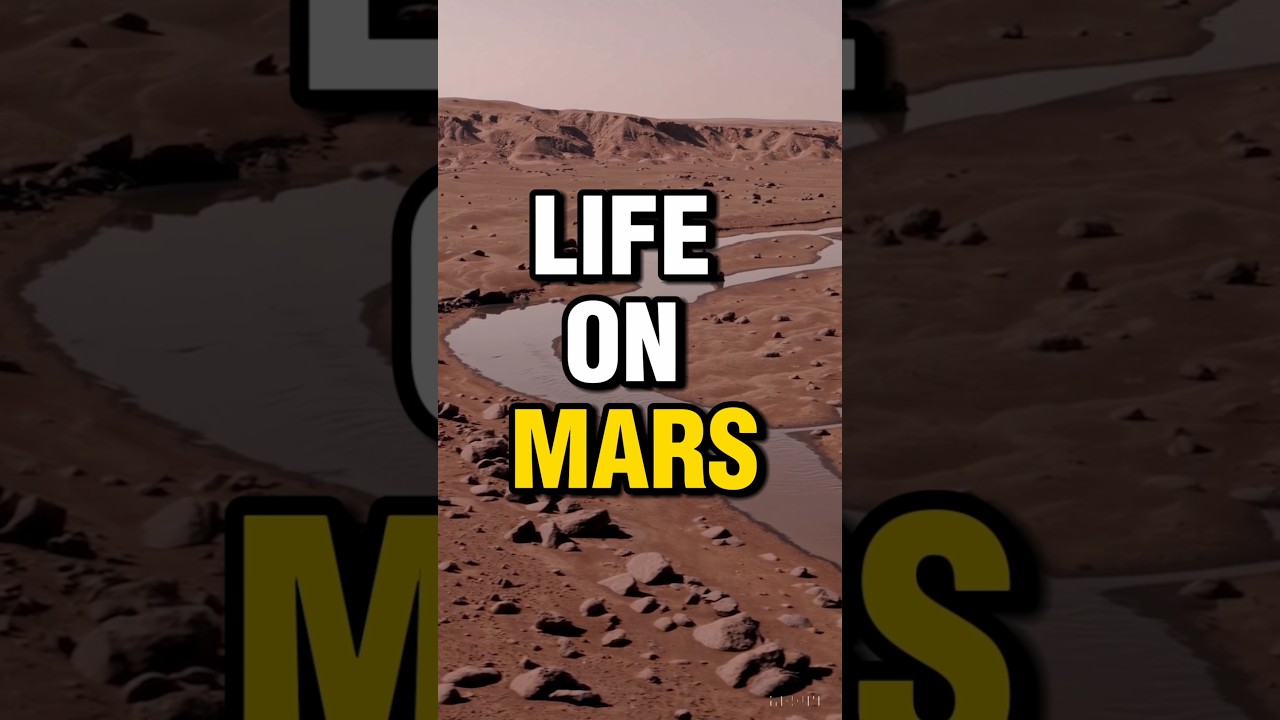
Let’s start right next door. Mars has always been the tease of the solar system, but in September 2025, NASA’s Perseverance rover sent back data that made scientists spill their coffee.
The rover analyzed a rock sample nicknamed “Cheyava Falls” in the Jezero Crater. What did it find? A chemical cocktail that, on Earth, screams “life was here.”
- The Shocking Find: The rock contains vivianite and greigite – minerals that often form when microbes munch on iron.
- The “Leopard Spots”: The rock features tiny, irregular spots with black rings, resembling leopard skin. On Earth, these textures are fossilized records of ancient microbial colonies.
NASA is playing it safe, calling them “potential biosignatures.” But let’s be real: this is the closest we’ve ever come to holding a Martian fossil. As Dr. Katie Stack Morgan from JPL put it, it’s the “most puzzling, complex, and potentially important rock” the mission has ever seen.

Mars isn’t just a dead red rock. It might be a fossilized graveyard of ancient neighbors.
2. K2-18 b: The “Life Gas” Debate Isn’t Over

Remember the hype around K2-18 b, the “Hycean” world (ocean-covered planet) 120 light-years away? In 2023, the James Webb Space Telescope (JWST) sniffed out Dimethyl Sulfide (DMS) – a gas that, on Earth, is only produced by life (specifically, marine plankton).
Fast forward to mid-2025. A new, deeper analysis was released. Did they debunk it? No.
- The Update: The signal for DMS is still there. It’s faint. It’s “inconclusive” (hovering below the “5-sigma” gold standard for proof). But it hasn’t gone away.
- Why It Matters: If this was just random noise, the signal should have vanished with more data. Instead, it’s hanging around like a stubborn ghost.
The planet also has a carbon-rich atmosphere and liquid oceans. Even without the DMS, it’s a prime candidate. But if that DMS signal gets confirmed? We’ve found alien plankton.
3. Enceladus: The “Perfect Potion” for Life
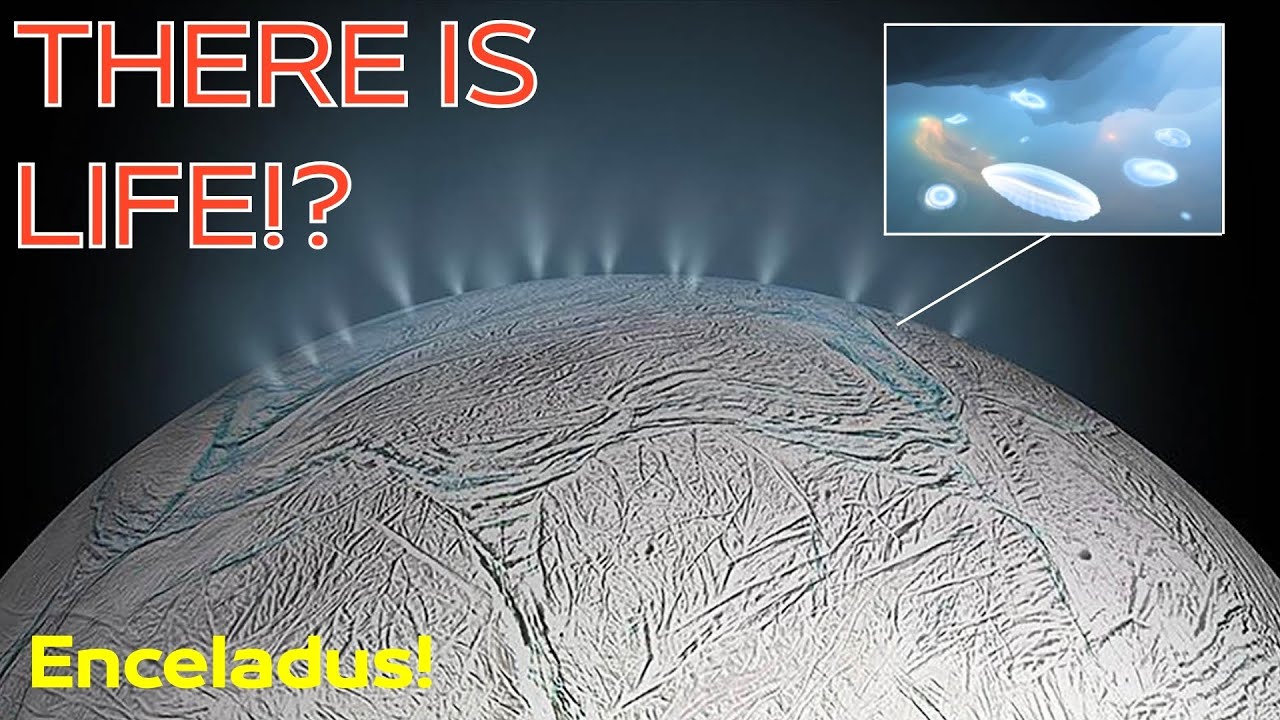
Saturn’s moon Enceladus is an ice ball with a warm ocean hidden inside. We’ve known it shoots water geysers into space. We knew it had organic molecules. But it was missing one key ingredient: Phosphorus.
Without phosphorus, you can’t build DNA. You can’t build RNA. You can’t have life as we know it.
- The 2025 Confirmation: Scientists analyzing fresh models and Cassini archival data confirmed that not only is phosphorus present, but it is abundant – concentrations are 100 times higher than in Earth’s oceans.
- The Verdict: Enceladus is no longer just “potentially” habitable. It is strictly habitable.
It has the heat, the water, the organics, and now, the chemical backbone for genetics. If life isn’t there, it’s almost weirder than if it is.
4. Titan: “Partly Cloudy with a Chance of Life?”
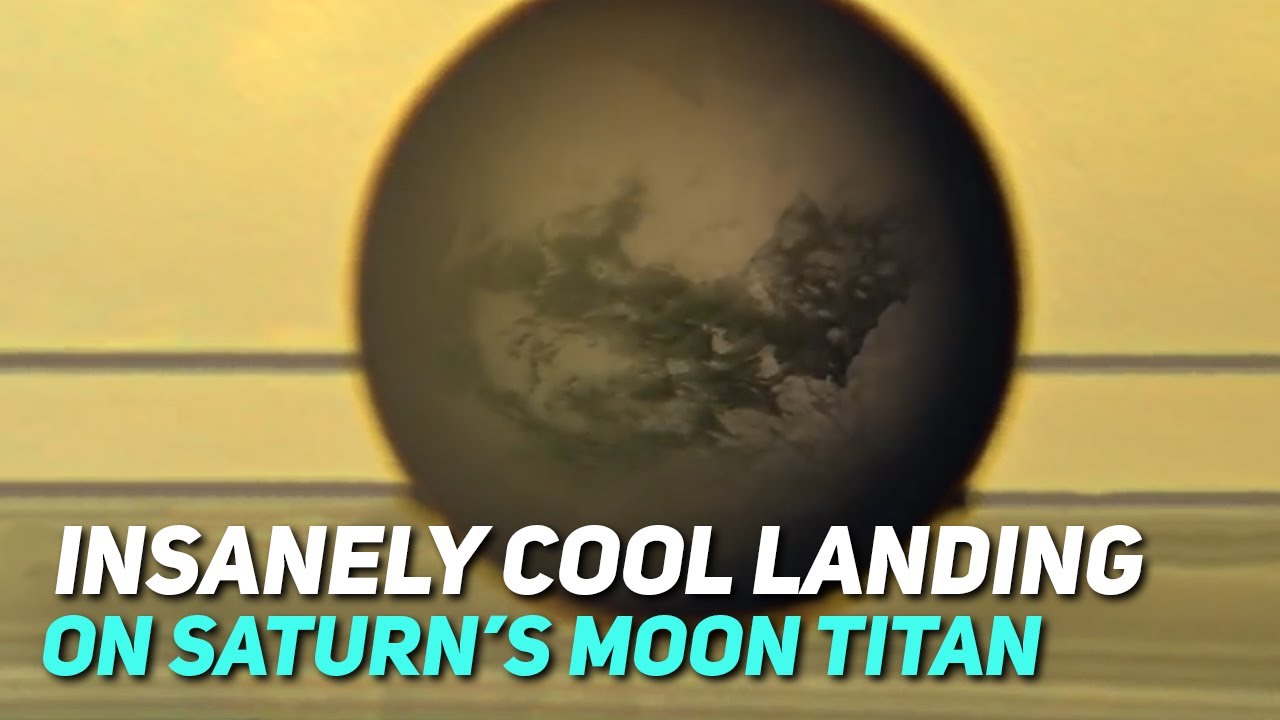
Saturn’s largest moon, Titan, is the only other place in the solar system with rain, rivers, and seas. The catch? They are made of liquid methane and ethane.

In May 2025, a collaboration using JWST and the Keck Observatory revealed something stunning: active cloud convection in Titan’s northern hemisphere.
- Why It’s Shocking: Titan has active weather patterns that mimic Earth’s, driven by a cycle of hydrocarbons.
- The New Molecule: Webb also detected a new, strange carbon molecule in the atmosphere that scientists are struggling to identify. It suggests a chemical complexity we didn’t expect.
Titan is a laboratory for “life, but not as we know it.” These new weather maps show a dynamic, changing world, not a frozen relic.
5. Venus: The “Zombie” Signal That Won’t Die
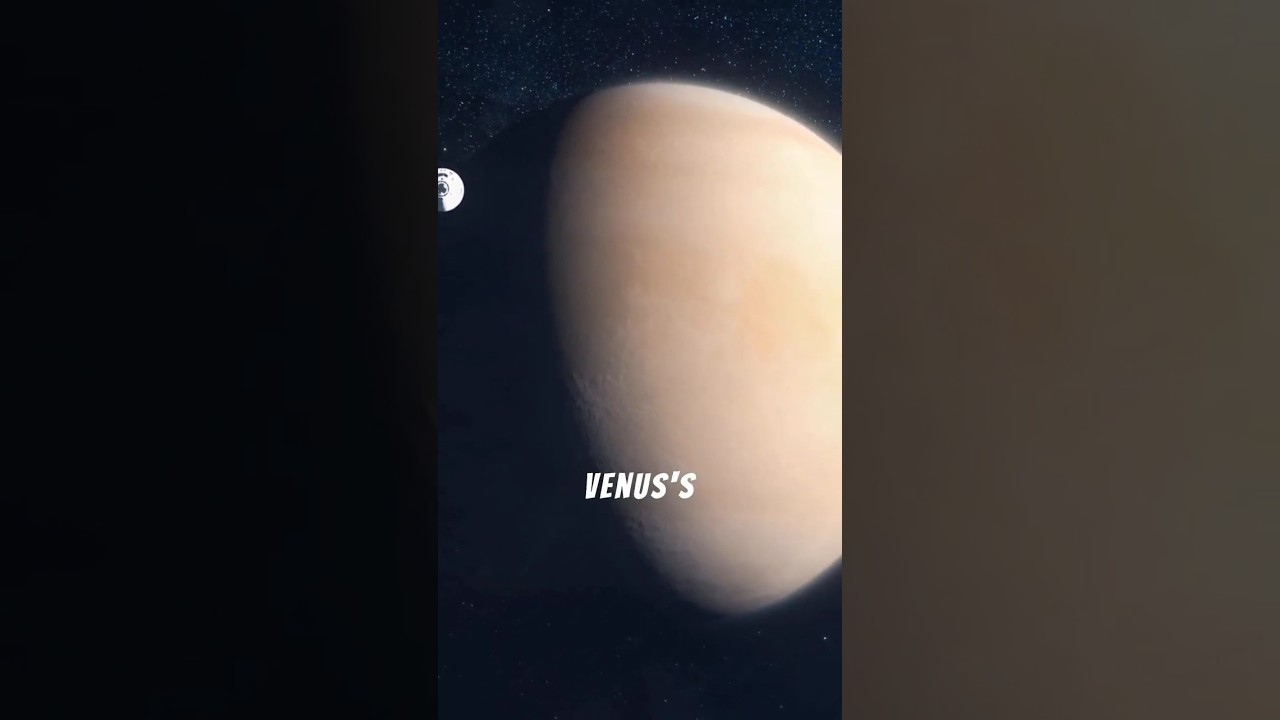
Venus is hell. It crushes metal and melts lead. Yet, the saga of phosphine-another potential biomarker gas—continues to baffle experts.
First detected in 2020, then disputed, the signal is back with a vengeance.
- Update: A team from the UK presented new evidence of phosphine deeper in the Venusian clouds than previously thought.
- The Reaction: This has triggered the announcement of the VERVE mission concept, a dedicated probe to hunt for these gases.
Why is phosphine shocking? Because in Venus’s oxidizing atmosphere, it should be destroyed instantly.
Something is constantly making it. Is it weird volcanoes? Or is it microbes floating in the temperate upper clouds, eating sunlight and burping gas?
6. 3I/ATLAS: The New Interstellar Visitor
In July 2025, astronomers spotted a new object entering our solar system: 3I/ATLAS.
Like its predecessor ‘Oumuamua, this object didn’t come from around here. It came from another star system. But unlike the rocky cigar-shape of ‘Oumuamua, 3I/ATLAS is displaying “alien” chemistry.
- The weirdness: As it heats up, it’s venting Methanol and Hydrogen Cyanide in quantities that don’t match our local comets.
- The Theories: While likely a comet from a distant exoplanet system, its chemical makeup gives us a direct sample of the “soup of life” from another star.
Harvard astronomer Avi Loeb has already flagged it as a target of interest. Even if it’s just a rock, it proves that the ingredients for life are being ferried across the galaxy, seeding worlds as they go.

7. The “Protocol” Shift: Humanity Gets Ready
Perhaps the most telling sign isn’t a rock or a gas, but a change in human behavior.
In late 2025, the International Academy of Astronautics (IAA) SETI Committee officially updated its “Post-Detection Protocols.”
- What is it? This is the rulebook for what humanity does if we find aliens.
- The Shift: The old rules were vague. The new 2025 draft is specific, addressing social media, fake news, and geopolitical security.
Why update the fire drill unless you smell smoke? This bureaucratic move suggests that top scientists believe detection is becoming a realistic possibility, not just science fiction. We are preparing the “Welcome” (or “Warning”) mats.
What Does It All Mean?
We are standing on a precipice. In 2025, we didn’t find a crashed saucer or shake hands with a Vulcan. But we found the fingerprints.
We found the fuel for life on Enceladus. We found the fossils of life on Mars. We found the breath of life on K2-18 b. The universe is screaming at us that it is alive.
The question is no longer “Are they out there?”
The question is: “Are we ready to meet them?”
Stay curious. The sky is full of secrets, and we’re just starting to whisper back.
Do you think we’ll find definitive proof by 2030? Drop a comment below with your theory! And if you want to stay ahead of the cosmic curve, subscribe to our newsletter for breaking space news as it happens.

