

8 Forgotten 1970s Cult Classics With Bizarre Final Kill Scenes
The 1970s were a grimy decade for cinema. The optimism of the ’60s had curdled, leaving a residue of paranoia, cynicism, and dread. This wasn’t the era of slick, jump-scare-driven horror; this was the age of the slow burn, the downbeat ending, and a pervasive sense of unease. Filmmakers weren’t just trying to scare you; they were trying to make you feel like the whole world was broken.
And nothing showcased this better than the way they killed their characters.
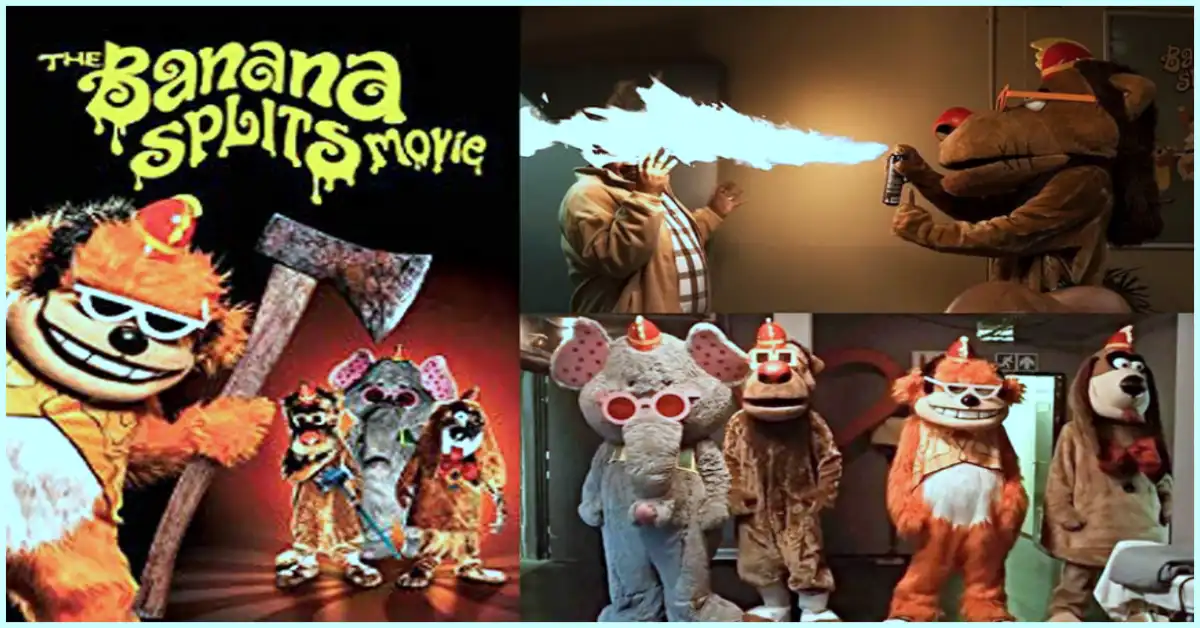
Forget a simple stabbing or a gunshot. The final kills in these 70s cult classics were often weirder, more conceptual, and far more disturbing than mere gore. They were bizarre, existential punctuation marks at the end of deeply strange sentences. these aren’t just death scenes; they are cinematic fever dreams that will stick with you forever.
Let’s fire up the wood-paneled station wagon and dive into the weirdest corners of the cinematic crypt.
The Cabinet of Curiosities: 8 Films That Ended Weird
1. Phase IV (1974)
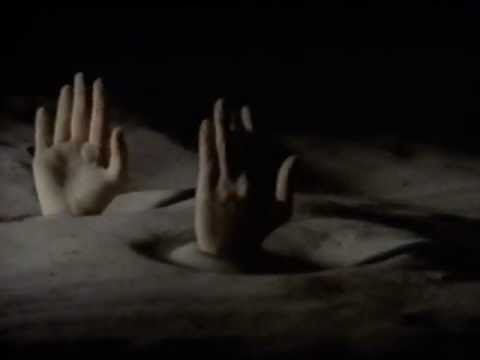
- The Vibe: The only feature film directed by legendary graphic designer Saul Bass. A strange cosmic event causes the ants of the Arizona desert to develop a terrifying collective intelligence, and two scientists in a geodesic dome are humanity’s last stand.
- The Bizarre Final Kill: This is less a “kill” and more a complete and total assimilation. The final girl, Kendra, is cornered by the ants. Instead of killing her, they subject her to a psychedelic, non-narrative transformation sequence. The final shot implies that she and the last surviving scientist have been forcibly evolved into the first members of a new human/ant hybrid species. It’s the death of humanity as we know it, presented as a weirdly beautiful, terrifying acid trip.
- Why It’s a 70s Thing: This ending taps directly into the decade’s ecological anxiety and fear of a new, incomprehensible intelligence. The “enemy” isn’t a monster; it’s a natural order reasserting itself in a way we can’t possibly fight. The psychedelic visuals are a hangover from the ’60s, now twisted into something deeply unnerving.
2. The Wicker Man (1973)
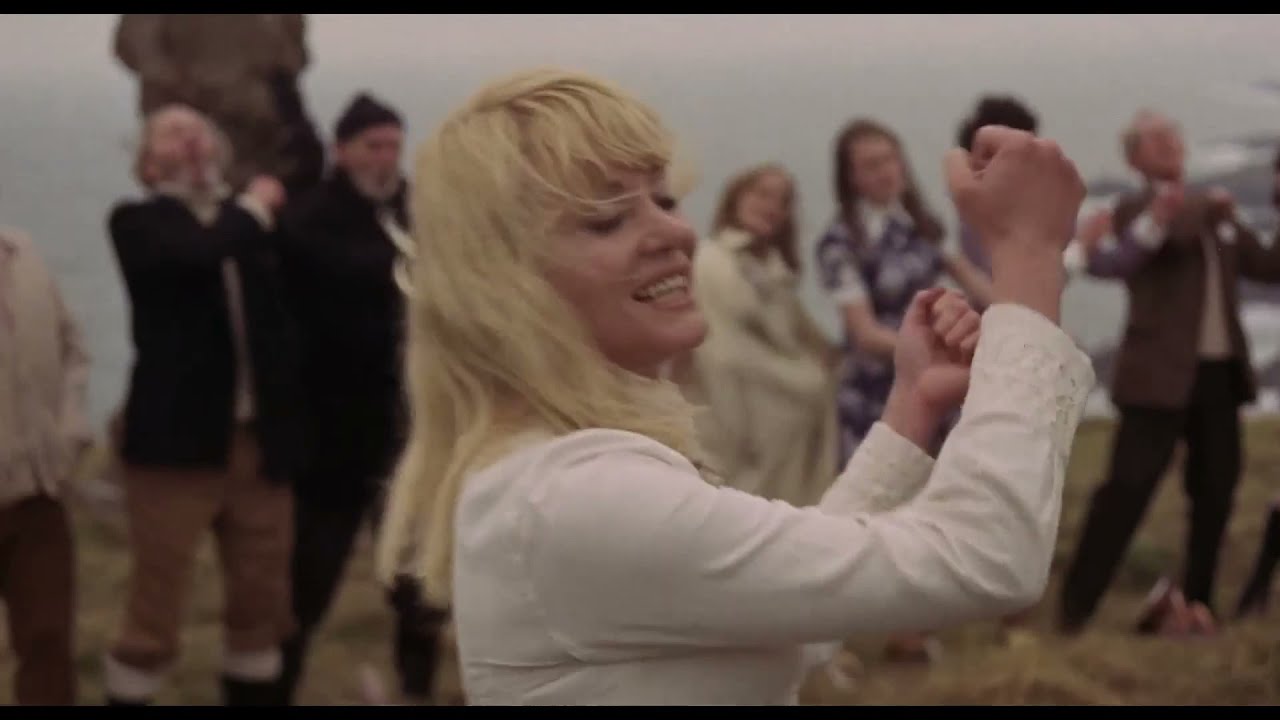
- The Vibe: A devoutly Christian police sergeant, Neil Howie, travels to a remote Scottish island to investigate a missing girl. He finds a community of pagans led by the charming Lord Summerisle (Christopher Lee) and is horrified by their open sexuality and strange rituals.
- The Bizarre Final Kill: The film’s entire plot leads to this iconic moment. Howie discovers there is no missing girl; it was all a lure. He is the intended sacrifice. The islanders shove him inside a giant wicker man, along with various animals, and set it ablaze as they joyfully sing a folk song. The kill is bizarre because of the sheer, unadulterated glee of the killers, who genuinely believe this is a righteous act to ensure a good harvest.
- Why It’s a 70s Thing: It’s the ultimate expression of the ’70s “back-to-nature” counter-culture curdling into something sinister. It reflects a profound distrust of insular communities and the conflict between the old ways (paganism) and the new (modern Christianity), with the new way losing horribly.
3. Tourist Trap (1979)
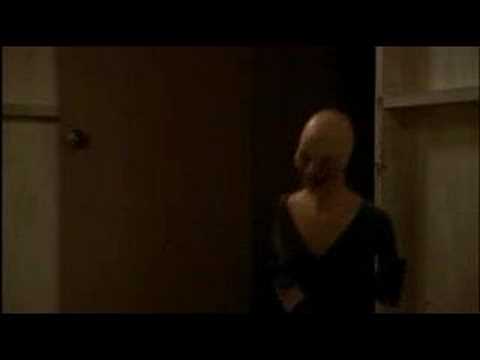
- The Vibe: A group of young friends gets stranded at a roadside museum owned by the seemingly kindly Mr. Slausen. They soon discover his “family” is a collection of horrifyingly lifelike, telekinetically animated mannequins.
- The Bizarre Final Kill: This film is a buffet of bizarre kills, but the core concept is the most disturbing. The villain doesn’t just kill his victims; he turns them into mannequins, encasing them in plaster while they are still alive and screaming. The final shot shows the “final girl” has gone completely insane, driving away with the now-sentient mannequin versions of her dead friends propped up in the car, all of them laughing. It’s a fate far, far worse than death.
- Why It’s a 70s Thing: The film channels the decade’s fascination with the uncanny and the breakdown of identity. The line between human and object, living and dead, is completely erased. It’s a low-budget, deeply creepy takedown of the nuclear family ideal, with Slausen’s mannequin family being a grotesque parody of it.
4. God Told Me To (1976)
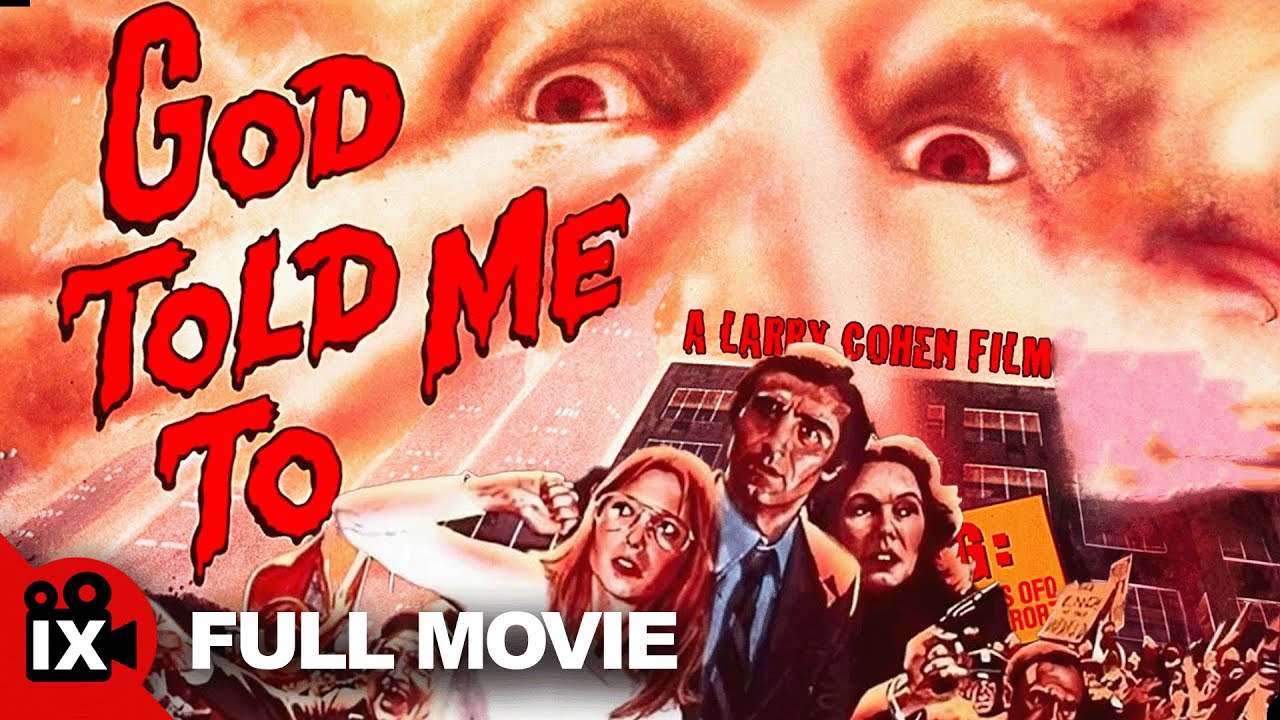
- The Vibe: A devout Catholic NYPD detective investigates a rash of random mass murders where each killer—from a rooftop sniper to a rampaging cop—utters the same final words: “God told me to.”
- The Bizarre Final Kill: The trail leads to a Christ-like figure named Bernard Phillips. The detective confronts him, only for Phillips to reveal he is a hermaphroditic alien entity, the product of an extraterrestrial virgin birth. He opens his shirt to reveal a glowing, vagina-like orifice in his side. In the ensuing struggle, the building catches fire, and the alien “God” is immolated, screaming, as the detective escapes. The death of a literal false god in a collapsing tenement building is about as bizarre as it gets.
- Why It’s a 70s Thing: Larry Cohen’s film is a pure distillation of post-Watergate paranoia and the crisis of faith. It posits that the institutions you trust—religion, the police—are vehicles for a horrifying, external influence. The bizarre, gender-fluid nature of the alien villain was profoundly challenging and strange for the era.
5. Deathdream (aka Dead of Night) (1974)
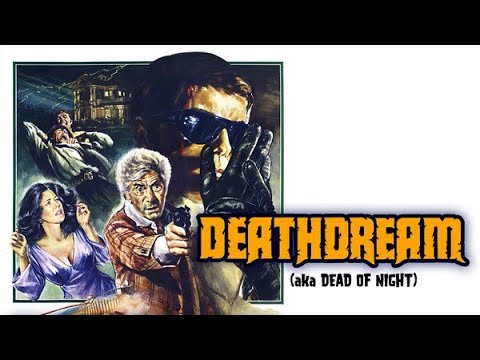
- The Vibe: A young soldier named Andy is reported killed in action in Vietnam. That same night, he inexplicably returns to his family’s doorstep. But he’s not right. He’s cold, antisocial, and has a terrifying secret: he’s an undead creature who needs blood to keep from decaying.
- The Bizarre Final Kill: Andy isn’t defeated by a hero. After his murderous nature is revealed, he is cornered in a graveyard. His distraught mother embraces him, and as she does, his body finally gives out. He rapidly decays in her arms, turning into a skeleton and dust, finding a kind of peace only as he is re-buried. It’s a grotesque, heartbreaking, and deeply strange “death” for a character who was already dead.
- Why It’s a 70s Thing: This is one of the most potent cinematic allegories for the Vietnam War. Andy is the walking embodiment of the trauma America’s sons brought home. His bizarre, sorrowful end isn’t a triumphant victory over evil; it’s a quiet, tragic portrait of a soldier who never really escaped the war, reflecting a nation’s deep-seated unease and guilt.
6. Long Weekend (1978)

- The Vibe: A bickering, unhappy couple goes on a camping trip to a remote Australian beach to try and save their marriage. They are profoundly disrespectful to the environment: they litter, chop down a tree for no reason, and run over a kangaroo.
- The Bizarre Final Kill: Nature itself takes its revenge. The entire ecosystem slowly turns on them in subtle, creepy ways. The final kill for the husband is the culmination. After his wife is killed by an eagle and a spectral dugong (a sea cow whose calf he had shot), he finally makes it back to the main road. He flags down a truck… which runs him over because the driver is blinded by the glare from his discarded beer bottles. The final kill is karmic, caused by his own litter.
- Why It’s a 70s Thing: This is pure 70s eco-horror, born from the nascent environmentalist movement. It’s a paranoid fantasy where Mother Nature isn’t just a force but a conscious, vengeful entity. The death isn’t from a monster, but from the slow, creeping consequences of disrespect.
7. The Sentinel (1977)
- The Vibe: A fashion model with a troubled past moves into a beautiful Brooklyn brownstone, only to discover it’s populated by bizarre, eccentric sinners and sits atop the gateway to Hell. The Catholic Church needs a new sentinel to guard it.
- The Bizarre Final Kill: The “kill” here is spiritual and eternal. To save her soul and prevent the demons from escaping, the protagonist, Alison, takes the place of the blind, dying priest who was the previous sentinel. In the final scene, we see her, dressed in a nun’s habit, sitting alone in the top-floor apartment. She is now blind. Her job, for the rest of eternity, is to sit in a chair and guard the gate. It’s the death of her life, her freedom, and her senses.
- Why It’s a 70s Thing: It reflects the decade’s revival of religious horror, but with a deeply cynical twist. Salvation isn’t a joyous ascension to heaven; it’s a lonely, terrifying, eternal damnation on Earth. It’s a fate worse than death, presented as a noble sacrifice.
8. Let’s Scare Jessica to Death (1971)
- The Vibe: A mentally fragile woman, Jessica, is released from an institution and moves to a remote Connecticut farmhouse with her husband and their friend. She slowly becomes convinced that the town is populated by vampires and that a mysterious girl living in their house is their leader.
- The Bizarre Final Kill: The film’s genius is its ambiguity. Is Jessica relapsing, or is this all real? The climax sees her husband and friend, now clearly vampires, trying to convert her. She escapes in a rowboat. As she drifts in the lake, she sees the vampiric townsfolk, including her husband, surface from the water, their pale bodies floating. The final kill is the death of her reality. She is alone, possibly insane, in a boat surrounded by either monsters or ghosts of her own making. The narrative itself dies, leaving only Jessica’s terror.
- Why It’s a 70s Thing: This is the ultimate folk-horror expression of post-60s disillusionment. The communal farm life, an ideal of the counter-culture, becomes a source of vampiric evil. The film’s refusal to give a clear answer mirrors the decade’s uncertainty and the blurring lines between perception and reality.
The Method in the Madness: Why Were ’70s Kills So Strange?
This wasn’t just random weirdness. This era’s bizarre endings were a direct product of the times.
- Paranoia is King: Post-Watergate and the Vietnam War, you couldn’t trust anyone or anything—not the government, not the church, not your neighbors, and sometimes not even your own mind. The kills reflect a world where the rules are broken.
- Existential Dread Over Jump Scares: The goal wasn’t just to make you jump; it was to make you feel profoundly uncomfortable long after the credits rolled. A conceptually bizarre death lingers in a way a simple stabbing doesn’t.
- The Death of the Counter-Culture: The “peace and love” dream was over. These films often show utopian ideals (communes, returning to nature) curdling into nightmares, and the strange endings reflect that disillusionment.
- Practical Effects Ingenuity: Without CGI, filmmakers had to get creative. This led to strange, surreal, and often nightmarish practical solutions that gave these scenes a tangible, unsettling quality.
These films are celluloid snapshots of an anxious time. Their strange, unforgettable endings are precisely what makes them timeless cult classics, still waiting in the grainy darkness to be rediscovered.
What deep-cut ’70s film has a bizarre ending that’s seared into your brain? Share your favorite cinematic oddities in the comments.

