

Creepy Kids in Horror: Top 10 Underrated Terrors from Movies
There’s nothing scarier than a creepy kid in a movie, Why? Because childhood is supposed to be the one safe zone. It’s where innocence lives. When a child’s face twists into a malicious smile or they start talking in a guttural voice, it violates a fundamental law of nature. It’s the ultimate betrayal.
The cinematic effect is immediate and absolute. It short-circuits our protective instincts, turning the thing we are wired to nurture into the thing we desperately need to escape. Consequently, these characters bypass our rational defenses and hit us straight in the primal fear center of the brain.
We’re cutting through the clichés to rank the 10 creepiest kids in horror movie history. Furthermore, we’ll analyze why these small-fry terrors still induce nightmares even after decades of jump scares. Get ready for some deeply unsettling nostalgia.
1. Regan MacNeil: The Original sinister child, The Exorcist (1973)
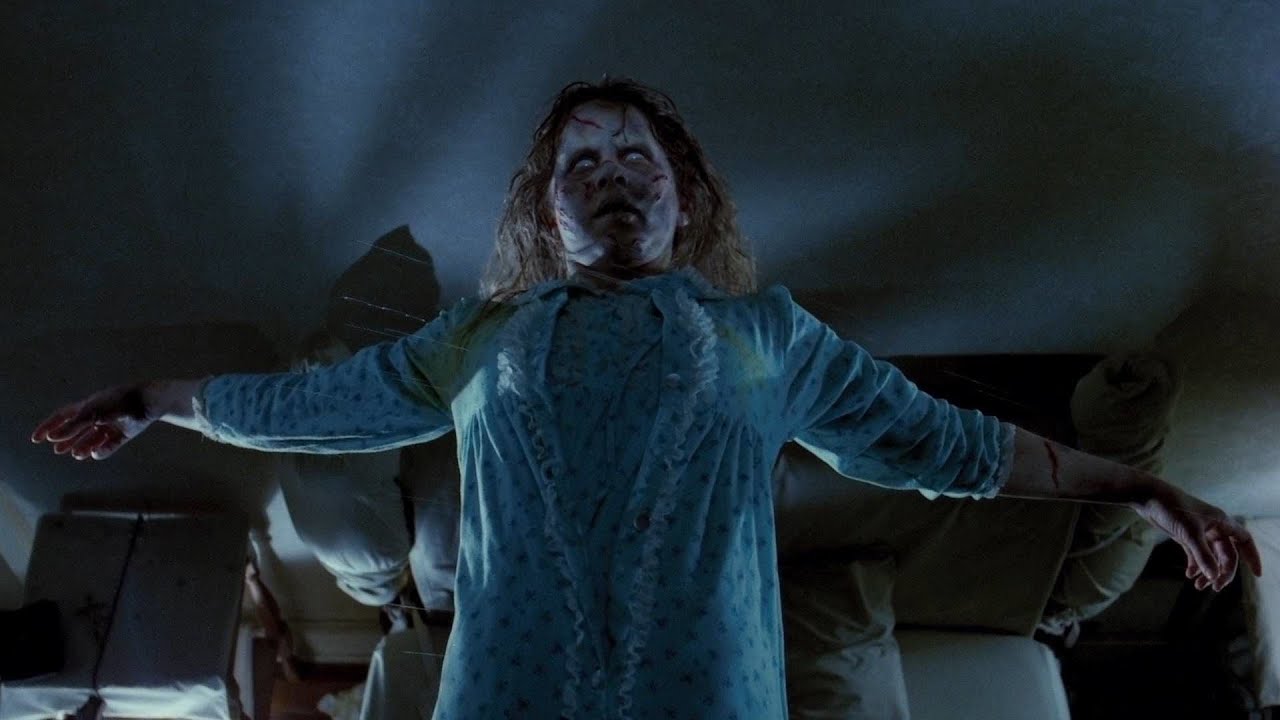
- The Horror: Demonic possession and the ultimate violation of the body.
- The Creep Factor: Regan isn’t just a monster; she’s a victim who becomes a monster.
Before 1973, creepy kids were just mischievous. After Regan MacNeil, they became tools of Satan. This film works because it starts with a sweet, normal pre-teen girl. She’s playful, curious, and totally innocent.
Then the possession hits.
The transformation is still gut-wrenching, even today. It wasn’t just makeup; it was the psychological horror of a little girl speaking in obscenities, inflicting grievous self-harm, and performing the infamous spider walk. The movie forces us to watch her mother’s helplessness, which is the most terrifying thing of all.
Regan’s horror is timeless because it’s about the total loss of control. It asks the scariest question a parent can face: What if the person you love most is suddenly occupied by pure evil?
2. Damien Thorn: The Antichrist’s quiet dread, The Omen (1976)
![The Omen [1976]: Damien Thorn Meets His Watchdog](https://www.gsnsp.com/wp-content/cache/flying-press/28009d0e3ae8e5fb74d5d11b1b3ecd12.jpg)
- The Horror: Theological fate and predestination.
- The Creep Factor: He doesn’t have to do anything. Others die for him.
Damien Thorn is the Antichrist, yet he is quiet, reserved, and almost passive. You won’t find him flinging furniture. His true power lies in the fact that he is the eye of the storm.
Damien doesn’t scream; he just stares. Wherever he goes, chaos follows: nannies hang themselves, priests are skewered by lightning, and his mother miscarries. He’s the ultimate narrative nightmare.
The most unnerving thing about Damien, however, is his complete lack of emotion. There is no joy, no sadness, and certainly no guilt. He is a walking, breathing void of evil, a terrifying reminder that some battles are cosmically predetermined.
3. Esther: The Ultimate betrayal of innocence, Orphan (2009)
![Orphan (2009) - Leena Klammer Reveal Scene [1080p/Full HD]](https://www.gsnsp.com/wp-content/cache/flying-press/5594808bda9461fb6e06c1d9cc80e0b3.jpg)
- The Horror: Psychological inversion and identity fraud.
- The Creep Factor: The adult mind trapped in a child’s body.
Esther is the reigning queen of modern creepy kids, largely thanks to the final, brilliant twist. We watch this sophisticated, deeply malicious child torment her adoptive family for an hour and a half, believing she is just a disturbed nine-year-old.
Consequently, when we discover that Esther is actually Leena Klammer, a 33-year-old murderous sociopath with a rare hormonal disorder that stunts her growth, the movie snaps into terrifying focus. Her terror is entirely human, devoid of supernatural influence, which makes it feel closer and more possible.
2025 Reflection: Esther works so well because she weaponizes her appearance. She exploits our automatic trust in small, vulnerable children. It’s the ultimate nightmare of recognizing genuine malice too late.
4. Gage Creed: A Child’s rage, undead forever, Pet Sematary (1989)
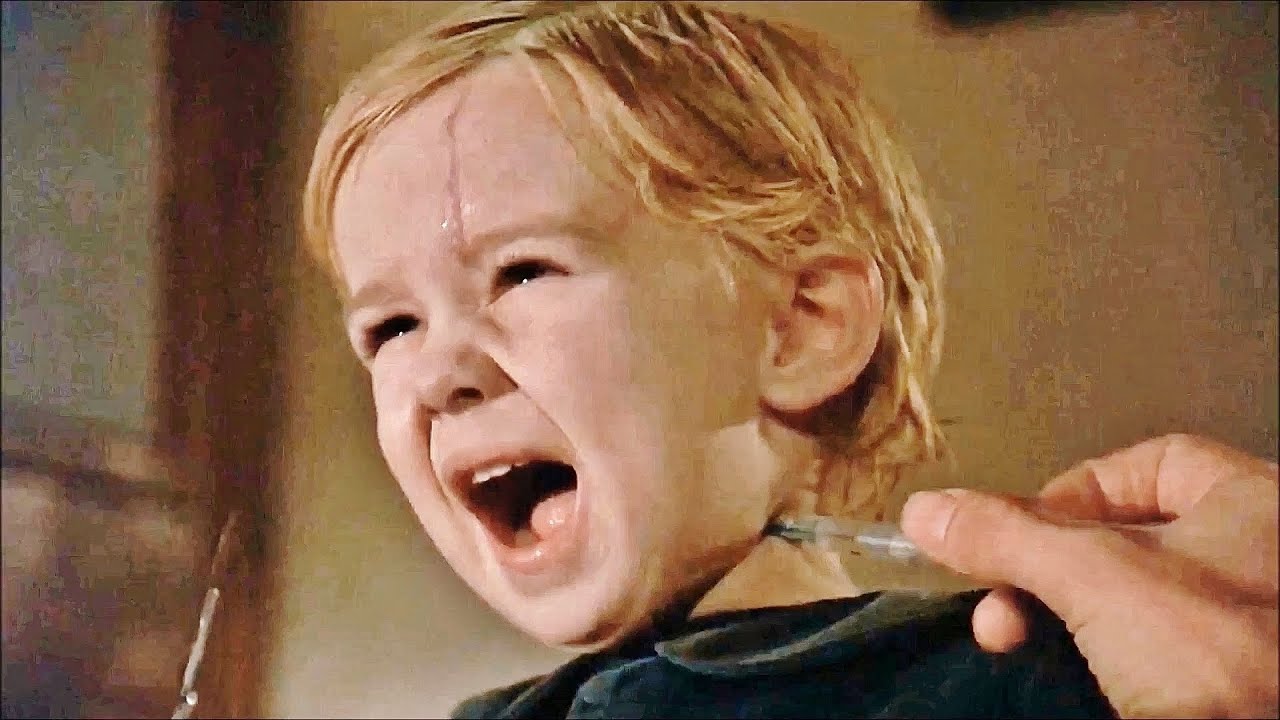
- The Horror: Grief turned to monstrosity.
- The Creep Factor: The voice. That tiny, dead voice.
The death of Gage Creed is the inciting tragedy of Stephen King’s masterpiece. But his return is pure nightmare fuel.
When Gage is resurrected after being buried in the cursed Micmac burial ground, he doesn’t come back whole. He comes back as a small vessel of pure, playful malevolence. He retains the physical agility of a toddler, making him an unpredictable blur of destruction.
Moreover, the unsettling contrast between his innocent face and his murderous actions (like hacking poor Jud Crandall’s Achilles tendon) is horrifying. He runs around with a tiny surgical scalpel, giggling, saying things like, “I want to play with you.” Are you laughing or screaming? That ambiguity is what makes him terrifying.
5. Samara Morgan: The Digital ghost, The Ring (2002)
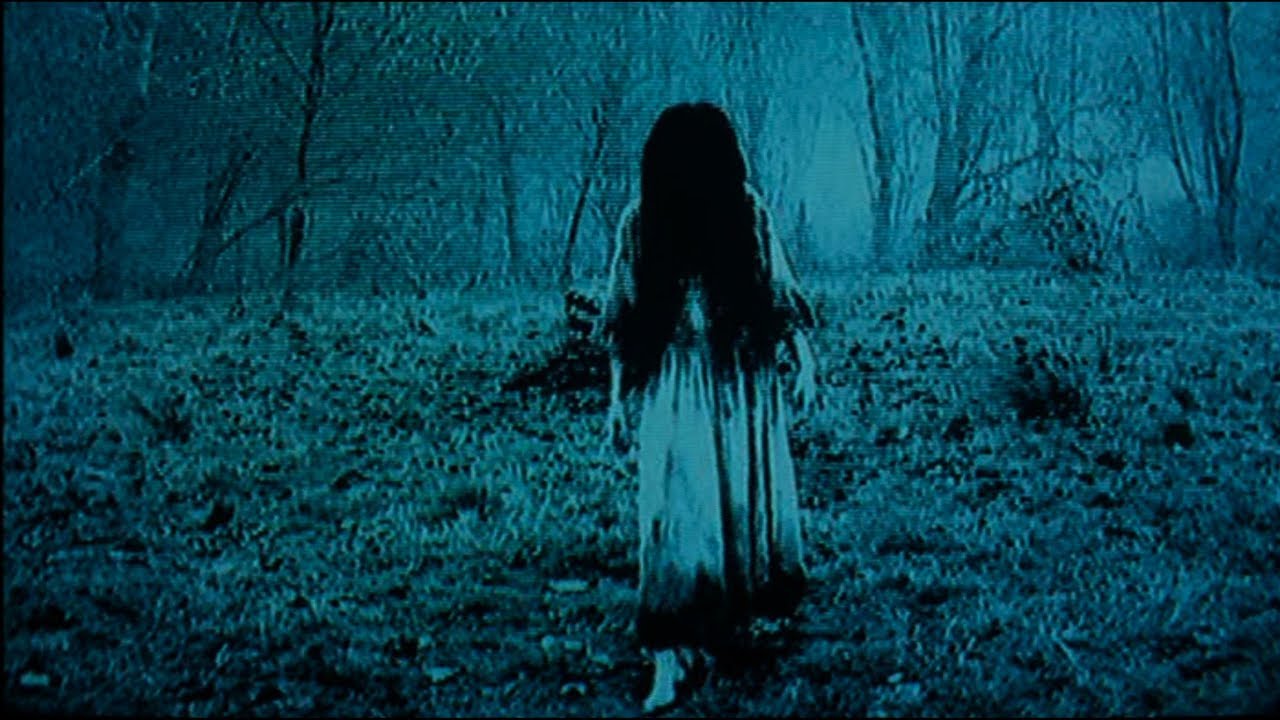
- The Horror: Technological curse and water-logged vengeance.
- The Creep Factor: The jerky, silent movement and the black hair covering her face.
Samara Morgan is the defining creepy kid of the digital age. Emerging first in the Japanese Ringu (Sadako Yamamura), her American counterpart perfectly translated the dread for a new generation.
She is the ghost of a drowned girl whose psychic rage was captured on a seven-day video tape. If you watch the tape, you are marked. Samara isn’t just haunting a place; she’s haunting media.
Her horror is inescapable. You can’t board up the well she was thrown down; she’s in your television, your phone, and your stream. She represents the fear that our technology is not safe, and that even innocent images can hold deadly curses.
6. The Grady Twins: Perfectly harmonized dread, The Shining (1980)
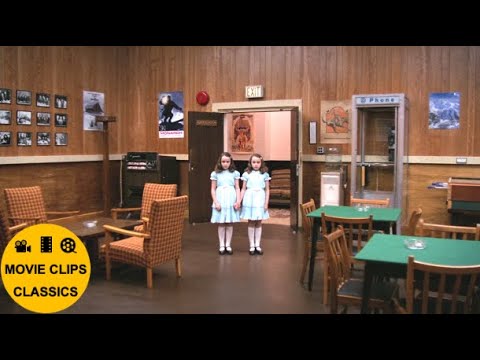
- The Horror: Psychological breakdown and paranormal unity.
- The Creep Factor: Their synchronized, flat delivery and unnatural cleanliness.
They aren’t technically twins. two sisters murdered by their father, but in the Overlook Hotel, they appear as the Grady Twins, don’t need blood or violence to be terrifying. They stand at the end of a long hallway, looking perfectly polished in matching blue dresses, eyes devoid of life.
The genius of their creepiness is their harmony. “Come and play with us, Danny. Forever… and ever… and ever.” Their flat, monotone voices deliver the invitation to eternal doom as if they were reading a shopping list. This uncanny synchronicity suggests a spiritual corruption so complete that they no longer possess individual souls.
7. Toshio Saeki: The Staring, white boy, Ju-On / The Grudge (2002)
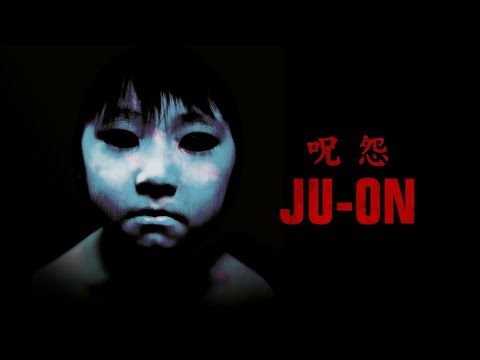
- The Horror: Vengeful residual haunting (Onryō).
- The Creep Factor: The chalk-white skin, the wide, unblinking eyes, and the cat-like death rattle.
If Samara embodies the drowned, Toshio Saeki embodies the suffocated. He is the spectral son of Kayako Saeki, part of the terrible curse that haunts the Tokyo house.
Toshio’s horror is quiet and invasive. He doesn’t talk; he just stares from inside a duvet cover, or behind a door. His movements are unnatural, jerky, and silent. He often appears accompanied by a chilling cat-like croak, a disturbing sound that suggests he’s fused with the death of his cat.
Consequently, unlike the Western demon, Toshio isn’t seeking salvation or causing chaos for fun. He is a piece of residual rage, an image of pain and death that simply transfers itself to anyone who enters his orbit.
8. Isaac Chroner: The Cult leader who hates adults, Children of the Corn (1984)
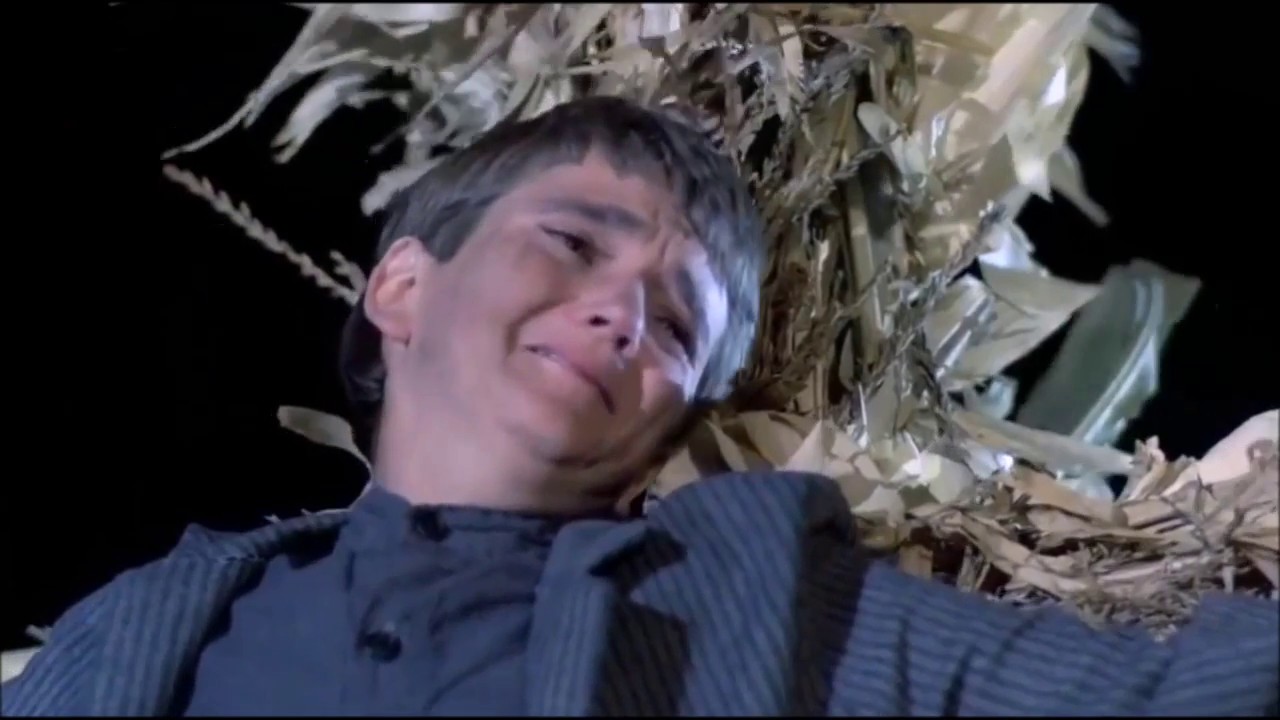
- The Horror: Cult fanaticism and theocratic violence.
- The Creep Factor: His rigid, fire-and-brimstone intensity.
Isaac Chroner isn’t possessed; he’s convinced. He is the terrifying 12-year-old preacher who convinces all the children in Gatlin, Nebraska, to murder every adult in town and worship “He Who Walks Behind the Rows.”
Isaac represents the chilling potential of organized fanaticism. His creepiness stems from his unnatural, adult-like control and unwavering certainty. He speaks in biblical rhetoric, demands obedience, and sacrifices children who question his authority.
In a world increasingly polarized, the idea of a charismatic child using zealotry to orchestrate mass violence feels unnervingly contemporary. Are children truly innocent if they are taught to hate? Isaac proves they can be the most effective instruments of dogma.
9. Eli: The Vampire who needs a protector, Let the Right One In (2008)
![Let the Right One In (2008) - 'The Father' scene [1080]](https://www.gsnsp.com/wp-content/cache/flying-press/ef2c3c42663f68b539ca573edbb703f6.jpg)
- The Horror: Sympathetic monster and predatory dependence.
- The Creep Factor: The quiet melancholy and the ancient eyes.
Eli (or rather, the ancient vampire masquerading as a 12-year-old) is arguably the most complex character on this list. Eli is undeniably creepy, yet also heartbreakingly vulnerable.
Eli’s horror is not in the jump scare; it’s in the moral gray area. Eli needs blood to live, forcing a lonely, bullied boy (Oskar) to become the vampire’s protector and, implicitly, its facilitator of murder.
The true horror of Eli is the predatory need. The child face invites sympathy, but the ancient mind uses that sympathy to create a new, dark companion. The final scene, where Eli’s box is seen traveling with Oskar, implies the horrifying continuation of this deadly, eternal relationship.
10. The Girl in the Red Coat: unseen and unavoidable, Don’t Look Now (1973)
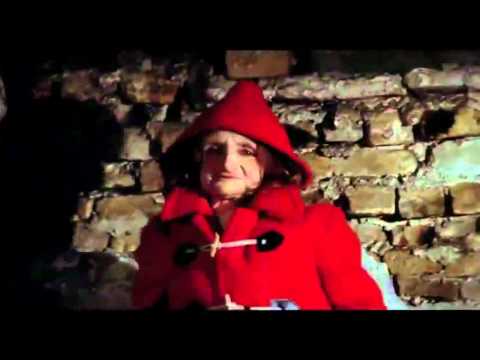
- The Horror: Misidentification, loss, and crushing fate.
- The Creep Factor: The crushing realization that the object of your grief is the instrument of your doom.
The character is only ever called Christine, but she is remembered as The Girl in the Red Coat.
The film centers on a grieving father (Donald Sutherland) who repeatedly glimpses a small figure in a red coat in Venice—the same coat his deceased daughter wore. He believes it is his daughter’s ghost.
The final reveal is a punch to the gut. The figure is not a ghost. It is a tiny, ancient, murderous dwarf, dressed in his daughter’s red coat, who swiftly murders him.
This is the creepiest kind of horror. It uses the innocent imagery of childhood grief (the red coat) to lead the father right into the hands of a literal monster. The horror isn’t supernatural; it’s the crushing, ironic twist of fate that proves his grief blinded him to the real danger.
The psychology of miniature mayhem
Why do these characters persist in our nightmares, even after the special effects have aged?
The core reason is simple: The Subversion of Expectation.
- Social Contract: Society tells us to protect children. Horror uses that instinct against us.
- Physical Power: A child cannot overpower an adult. When they do, the only explanation is a dark, external force (demons, curses, ancient rage).
- The Uncanny Valley of Behavior: When a child talks with adult sophistication (Esther) or ancient malice (Damien), it triggers deep discomfort. It’s a glitch in the human operating system.
These 10 characters aren’t just movie villains; they are archetypes of betrayed innocence, and they continue to be the ultimate, deeply personal nightmare fuel for audiences.
What is the Creepiest Horror Movie Kid Ever?
Did we miss your favorite miniature maniac? Drop a comment below and tell us which creepy kid still makes you check under the bed!

