

What Is Lynchian? Breaking Down David Lynch’s One-of-a-Kind Style
You’ve probably heard someone call a weird dream, an unsettling small town, or a strangely calm conversation “Lynchian.” But what does that actually mean?
Here’s the short version: Lynchian describes the eerie feeling you get when something ordinary suddenly feels wrong, dreamlike, or quietly threatening — the exact vibe filmmaker David Lynch built his entire career on. It’s become such a recognizable mood that it earned its own entry in the Oxford English Dictionary. Let’s break down where the word came from, what it actually describes, and why nobody’s managed to fully copy it.
Need to know
- “Lynchian” describes art (usually film, but not always) that mixes something wholesome or mundane with something dark, surreal, or unsettling.
- The term traces back to a 1984 issue of the film magazine Cinefantastique, and it eventually made it into the Oxford English Dictionary.
- David Lynch built his style through dream logic, unconventional sound design, and a deep fascination with what hides underneath “normal” American life.
- His best-known works — Eraserhead, Blue Velvet, Twin Peaks, and Mulholland Drive — each show a different flavor of the same uneasy feeling.
- Lynch passed away on January 16, 2025, at age 78, but “Lynchian” has outlived him as a permanent part of how we talk about movies.
So What Does Lynchian Actually Mean?

According to the Oxford English Dictionary, Lynchian means something characteristic of or reminiscent of David Lynch’s films and TV work, noted for juxtaposing surreal or sinister elements with mundane, everyday environments, often using striking visuals to create a dreamlike sense of mystery or menace. That’s the dictionary version. Here’s the human version: it’s when something looks totally normal but feels deeply off, and you can’t quite explain why.
Think about it this way. A diner is just a diner — until the lighting’s a little too harsh, the waitress smiles a little too long, and the background hum sounds less like a fridge and more like something breathing. That tension, where comfort and dread sit right next to each other, is the whole trick.
Late writer David Foster Wallace put it best when he described Lynchian as a specific kind of irony where the deeply disturbing and the painfully ordinary blend together so completely that the disturbing thing reveals itself as having been hiding inside the ordinary the entire time. Translation? The horror isn’t hiding behind normal life. It’s baked right into it.
Here’s a fun fact most people don’t know: the word didn’t start as some academic film term. It first showed up in print in a September 1984 issue of the magazine Cinefantastique, which featured Lynch’s film Dune on the cover. From there it just… stuck around, the way good slang does, until it eventually graduated into the dictionary.
Who Was David Lynch, Anyway?
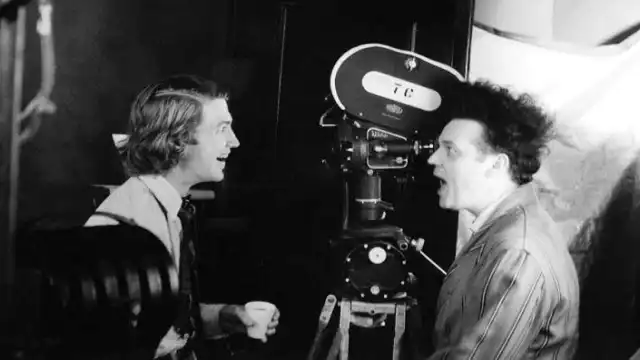
If you only know Lynch from memes about a guy delivering oddly calm weather reports, here’s the fuller picture.
David Keith Lynch was born on January 20, 1946, and originally trained as a painter, not a filmmaker. He studied painting at the Pennsylvania Academy of Fine Arts in Philadelphia before making the jump into short films. That painter’s eye never really left him — it shows up constantly in how deliberately his films are framed and lit.
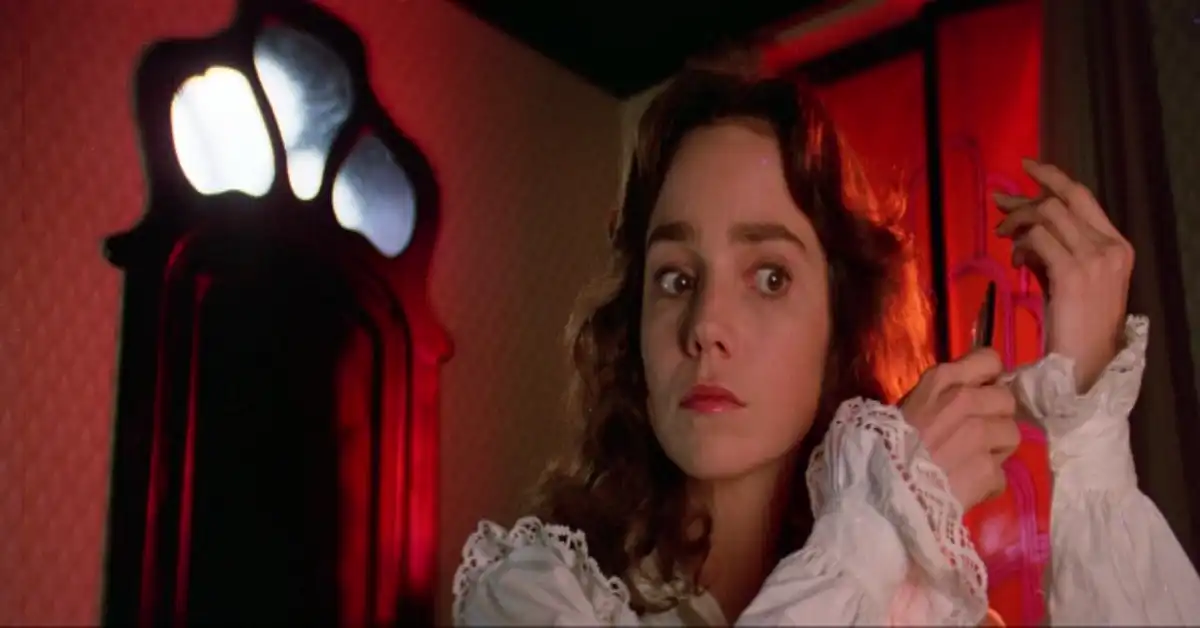
His first feature, Eraserhead, took five brutal years to finish. He shot it starting in 1972, largely with friends, after the American Film Institute gave him a $10,000 grant that wasn’t nearly enough, and he ended up supported by a loan from his father along with money from a paper route delivering The Wall Street Journal. Not exactly the glamorous origin story you’d expect for a future cinema legend, but that scrappy, do-it-yourself energy never really left his work either.
From there, his career took off in directions nobody could’ve predicted. He went on to direct The Elephant Man, Blue Velvet, and Mulholland Drive — all three earning him Academy Award nominations for Best Director — along with Wild at Heart, which won the Palme d’Or at Cannes. He also tried his hand at big-budget science fiction with Dune in 1984, which he later disowned after the studio took control away from him. Lesson learned, apparently — he spent the rest of his career fighting hard to keep creative control.
One detail that explains so much about his work: starting in 1973, Lynch began practicing Transcendental Meditation after his sister suggested he try it, and he kept it up twice a day for the rest of his life. He genuinely credited meditation with helping him access the ideas behind his most famous films. Whatever you think about meditation, the guy walked the walk for over fifty years.
The Ingredients That Make Something “Lynchian”
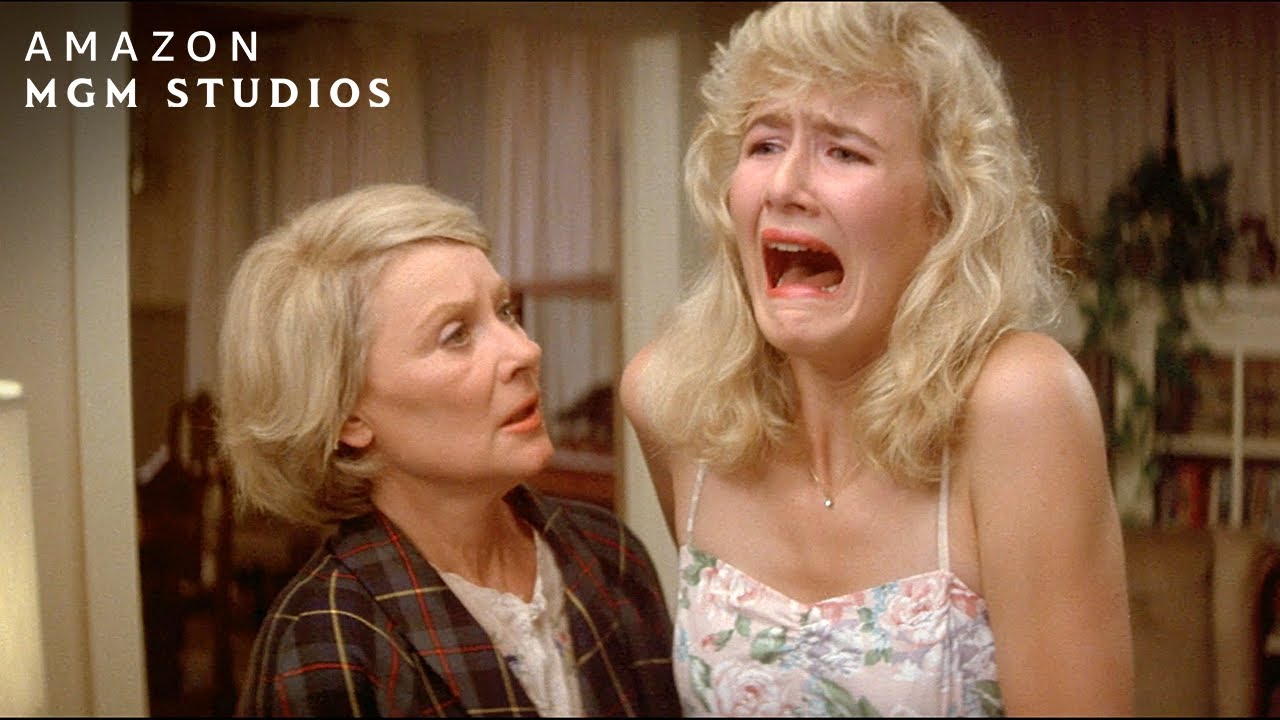
Okay, so what’s actually going on under the hood? A few specific ingredients keep showing up.
1. Picture-Perfect Surfaces With Something Rotten Underneath
This is the big one. Lynch loved setting up a scene that looks straight out of a 1950s postcard — green lawns, white picket fences, cheerful neighbors — and then slowly letting you realize something’s deeply wrong underneath it. The opening of Blue Velvet nails this perfectly: idyllic suburban imagery, a man watering his lawn, until he suddenly collapses, and the camera dives down into the grass to reveal insects crawling around in the dirt.
That’s not subtle symbolism. It’s basically Lynch telling you, point blank: look closer, because the nice stuff is covering something up.
2. Dream Logic Instead of Normal Plot Logic
Ever had a dream where the scene just… changes, and somehow you don’t question it until you wake up? That’s how a lot of Lynch’s films move. Characters swap identities. Timelines fold in on themselves. Scenes connect through feeling and symbolism rather than clean cause-and-effect. It’s confusing on purpose. Lynch wasn’t interested in handing you a tidy explanation — he wanted you to feel your way through the story instead of solving it like a puzzle.
3. Sound That Does Half the Work
You might not consciously notice it, but sound is doing serious heavy lifting in every Lynch project. He was deeply hands-on with sound design, often working alongside collaborators to build ambient, industrial drones that don’t necessarily match what’s happening on screen. A quiet hallway might hum with a low mechanical buzz that has no logical source. It puts you on edge without you knowing exactly why, which is precisely the point.
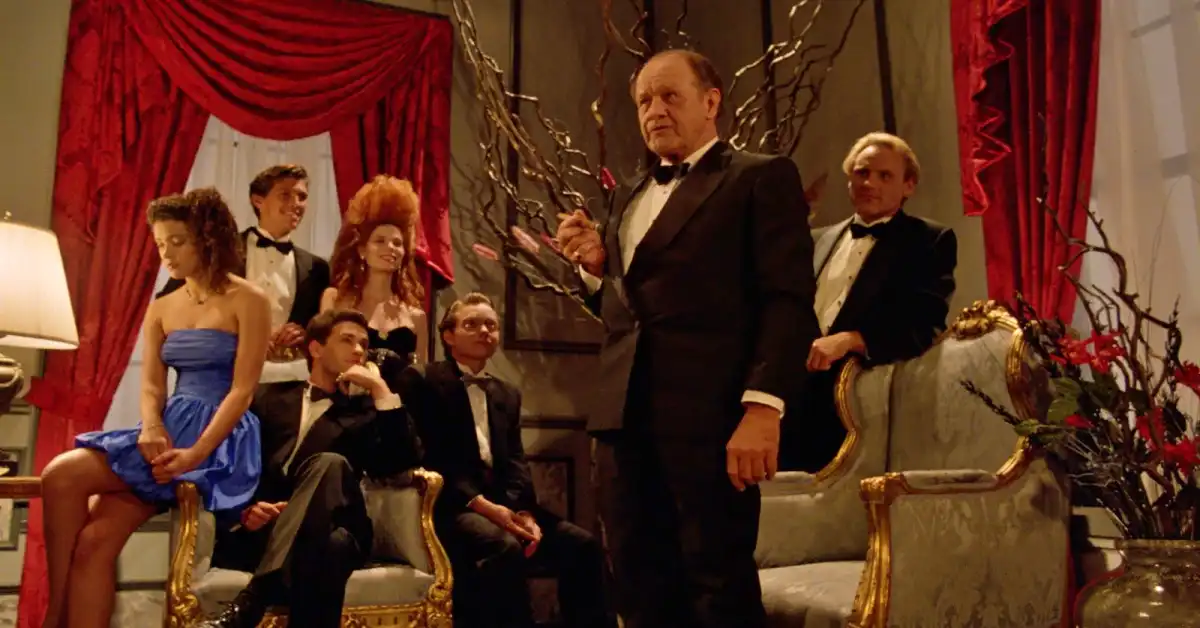
4. The Uncanny — Familiar, but Wrong
Psychologists use the term “uncanny” to describe something that’s almost normal but just slightly off enough to feel unsettling (think of a doll that looks too realistic). Lynch leaned into that feeling constantly. A character’s smile lasts a beat too long. A line of dialogue gets delivered with weirdly flat affect. None of it breaks any laws of reality, but your gut still tells you something’s wrong.
5. Real Darkness, Real Humor
Here’s something that surprises people who’ve only heard Lynch described as “creepy” — his work is genuinely funny in places, sometimes laugh-out-loud absurd. He clearly had a sense of humor about how strange his own brain worked, and you can catch glimpses of that even in his bleakest films.
Lynch’s Films That Basically Define the Word
Want a quick crash course in Lynchian filmmaking through his own work? These four are the essential starting points.
- Eraserhead (1977) — His full-length debut, shot in stark black and white, follows a man dealing with a deeply disturbing, almost inhuman baby. It’s grim, strange, and unforgettable. This is Lynch at his rawest and most unfiltered, before Hollywood polish ever touched his style.
- Blue Velvet (1986) — A college student stumbles into a criminal underworld hiding beneath his picture-perfect small town. This is the movie most people point to when they want to show someone what Lynchian means, rather than explain it.
- Twin Peaks (1990–1991, plus a 2017 revival) — A murder mystery in a tiny logging town that somehow spirals into demons, alternate dimensions, and a backwards-talking dwarf in a red room. It brought Lynch’s surrealism to network television, which honestly still feels like a small miracle.
- Mulholland Drive (2001) — A nightmarish, fractured look at Hollywood ambition and identity, often ranked among the greatest films of its decade by critics. If you want the most “dreamlike” Lynch experience possible, start here.
Why Lynch Never Explained His Own Movies
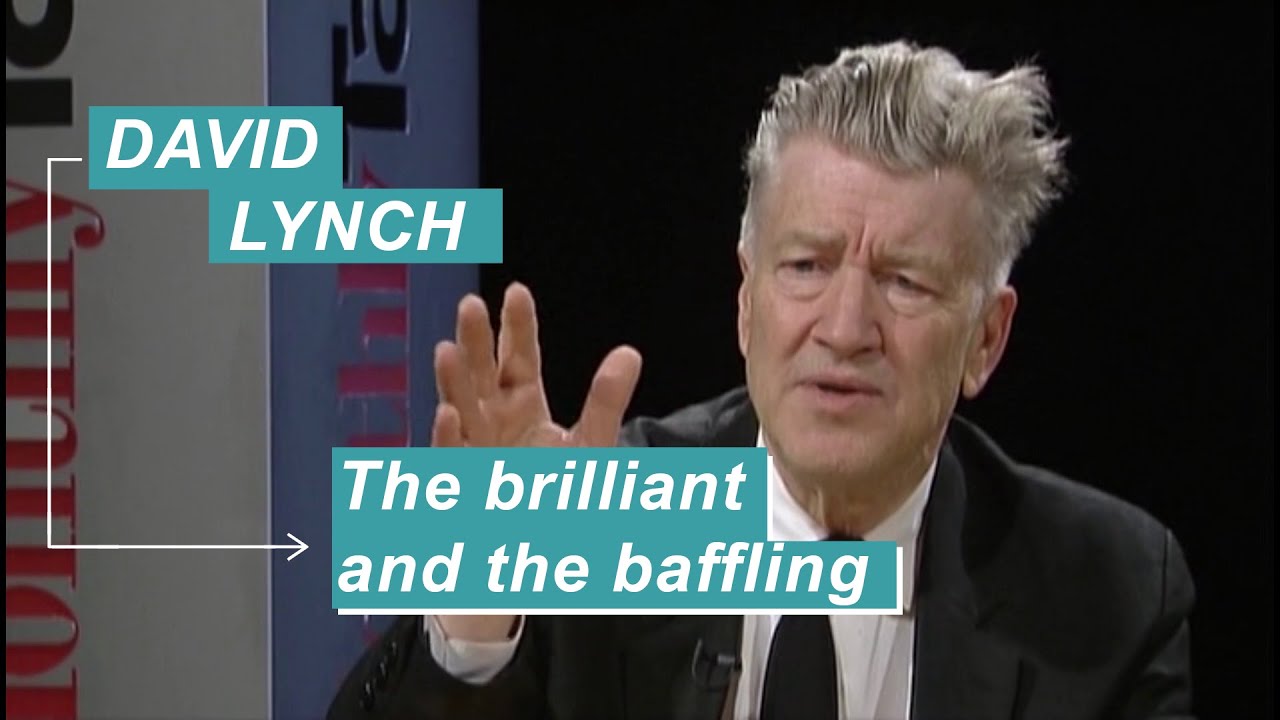
Ask Lynch what one of his films meant, and you’d usually get a shrug, a laugh, or some version of “I haven’t got a clue.” That wasn’t him dodging the question. He genuinely believed explanations ruined the experience.
His philosophy was simple: the feeling is the meaning. If you intellectually decode every symbol, you lose the emotional gut-punch that made the scene work in the first place. He wanted you to sit with confusion and discomfort rather than google your way out of it five minutes later.
Is that frustrating sometimes? Sure, absolutely. But it’s also exactly why his films still get debated decades later instead of being forgotten the moment the credits roll.
David Lynch’s Final Years and Passing
Lynch passed away on January 16, 2025, in Los Angeles, at age 78. According to his death certificate, the immediate cause was cardiac arrest, with chronic obstructive pulmonary disease as the underlying cause, and dehydration listed as a contributing factor. He’d been diagnosed with emphysema after decades of smoking, and his health took a sharp turn after he was evacuated from his home during the Los Angeles wildfires that January. He was cremated, and his ashes were laid to rest at Hollywood Forever Cemetery.
Tributes poured in from collaborators and fans across the industry, and it’s worth noting just how much affection surrounded his passing — the kind reserved for artists who genuinely changed how people think, not just how movies look.
Lynchian world
Most filmmakers get described using comparisons. Wes Anderson gets compared to Wes Anderson. Tarantino gets compared to Tarantino. But almost no other director earned a standalone adjective that regular people use in everyday conversation, completely outside film criticism circles.

That’s the real proof of how singular Lynch’s vision was. You don’t need to have seen a single one of his movies to instinctively understand what someone means when they call a weird hotel lobby, an unsettling motel sign, or an oddly cheerful stranger “Lynchian.” The word escaped film school vocabulary entirely and became part of how we describe reality itself, whenever reality starts feeling a little too strange to be a coincidence.
So next time something feels almost normal but not quite, you’ll know exactly what to call it.
FAQs About Lynchian Style
Where did the word “Lynchian” come from?
It first appeared in print in a September 1984 issue of the film magazine Cinefantastique, which featured David Lynch’s film Dune on its cover.
Is “Lynchian” an official dictionary word?
Yes. The Oxford English Dictionary includes it, defining it as work that’s characteristic of David Lynch’s films, known for blending surreal or sinister elements with mundane settings.
What’s the easiest David Lynch movie to start with?
Blue Velvet is usually the go-to recommendation, since it captures the core “wholesome surface, dark underneath” idea in a relatively approachable, narrative-driven way compared to some of his more abstract later work.
Did David Lynch ever explain what his movies meant?
Almost never on purpose. He believed explaining a film stripped away the emotional experience he was trying to create, and he preferred audiences interpret his work personally rather than follow one “correct” answer.
When did David Lynch die, and what films is he best remembered for?
Lynch died on January 16, 2025, at age 78. He’s most remembered for Eraserhead, The Elephant Man, Blue Velvet, Twin Peaks, and Mulholland Drive.
Curious which David Lynch film matches your taste, or want a beginner-friendly watch order? Drop a comment below, and feel free to share this with whoever in your group chat keeps saying “that’s so Lynchian” without actually explaining what they mean.

