

Table of Contents
Pinky Pinky. The name might sound childish. But for many, it means fear. Hatred. Rape. Torment.
This isn’t just a spooky story for some. It’s a belief. A creature always out there. Waiting.
This is a tough topic. Let’s look at what people say.
What Is Pinky Pinky? The Legend.
They say it’s half man, half woman. Its Zulu name? Umdlwenguli Obomvu.
Today, this creature is said to live in cities. Shows up in Black townships across South Africa.
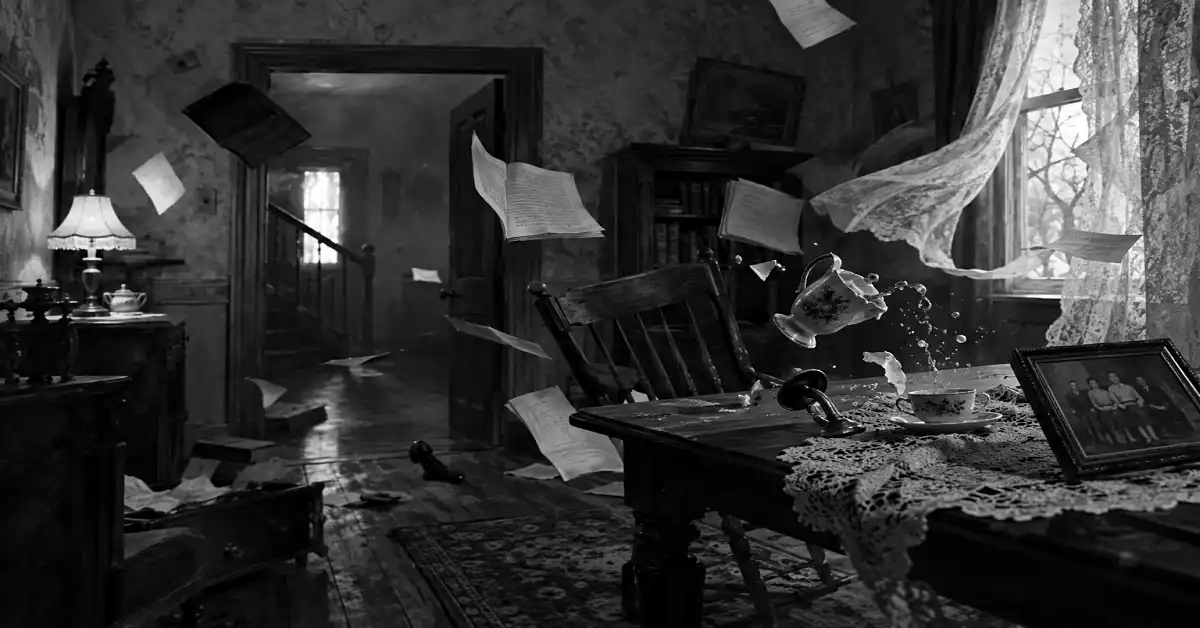
Sightings often happen in clusters. Pinky Pinky hides where young girls might be alone. School toilets. Edges of woods.
The stories are grim. At best, a molester of young girls. At worst, a savage rapist. A murderer.
This legend is mostly unknown in white South African society. Often dismissed.
But for many young African girls? Pinky Pinky is terrifyingly real. A nightmare figure. Sometimes linked to real reports of sexual abuse.
It’s serious enough that schools have closed. Police have investigated. “Is there something to this bloody Pinky Pinky business?” they’ve asked.
What Does It Look Like?
Descriptions change. But some things stay the same:
- A pink-skinned, feminine man. Early middle age.
- Wears a mix of men’s and women’s clothes.
- If you surprise it, you see its face. Human. But ugly, mottled, often bald.
- If it sees you looking? Its face blurs. All you see are two pink eyes.
Victims reportedly say it corners a girl. Speaks in a musical, woman’s voice. “Will you play with Pinky Pinky?” “Be friends?”
Answer yes or no, it doesn’t matter. It then exposes itself. Tries to force sexual acts.
Reports say it looks like a very ugly woman. But with a large male penis. No pubic hair.
Sometimes, it just “flashes.” Other times, it’s much, much worse.
Where Did This Story Come From? Political Unrest & Real Fears.
Not much is written about Pinky Pinky in formal books. Some film students started a movie in 2005. (Hard to find if it was ever finished.)
Many think Pinky Pinky is an urban legend. Born from political troubles. Social anxiety.
And there’s a harsh reality here. Rape and abuse of women and girls is incredibly high in South Africa.
It makes sense that these deep fears could focus on one “monster.”
The source text for this mentioned a 2008 report:
An Interpol study said South Africa led the world in rapes. A woman raped every 17 seconds. This didn’t count child rapes. One in two women, it was estimated, would be raped in their lifetime. About 28 to 30 percent of teens said their first sexual encounter was forced. (Source: Rape statistics South Africa – 9 January 2008, as cited in the original material).
Those are awful numbers. So, a figure like Pinky Pinky? It reflects real terror.
Older Roots? A Darker History?
But the source text suggests there’s more. Older, darker threads.
Journals from 19th-century settlers in Africa? They talk about strange beasts. Unknown creatures.
- Rev. John Littlemoss (1921) wrote about the Namwanga people. They feared “pink outcasts” near waterfalls. Banished people. Lived like beasts, mated with animals, stole village girls. Warriors who searched for this tribe? Never came back.
- Frank McMillan (1939, Belgian Congo) wrote a letter. He saw “pale-skinned men with savage intelligence.” Building huts. Enslaving others. He wondered if they were a lost expedition. An unknown race. He died before he could find out more.
Three Strands: A Theory on Pinky Pinky’s Origin
The people who wrote the original material i’m working from? They talked to Black South Africans. They think the Pinky Pinky legend might come from three sources, all tangled together.
- Albinism: This is a genetic thing. Lack of pigment in skin, hair, eyes. “Pink people.”In some African cultures, people with albinism were (and sometimes still are) seen as abnormal. Magical. Sadly, many faced horrible violence.A 2008 British newspaper story talked about a refuge for albinos in Tanzania. They were being hunted and killed for body parts. For black magic. “Living ghosts,” locals called them.The theory? In some places, people with albinism were driven out. Forced to live on the edges of society. Surviving any way they could. These “living ghosts” might have become one part of the Pinky Pinky story.
- Colonial Abuse: When white explorers and settlers came to Africa? New power dynamics.The original text says powerful newcomers often abused their power. It wasn’t unusual for a farm owner (or his sons) to force himself on a young African maid. Sometimes violently.This fear, this abuse, could have twisted. Morphed into a part of the monster legend.
- Intersex Conditions (Hermaphrodism): This is also genetic. A person born with both male and female genitals. More common than people think.But like albinism, it was often seen as wrong. Abhorrent. A taboo subject in many African cultures.These individuals, misunderstood and feared, could be another strand in the Pinky Pinky tapestry. The “half man, half woman” part.
Real or Not, The Fear Is Real.
So, is Pinky Pinky a real creature? Maybe. Maybe not.
But the fear it represents? That’s absolutely real. Young African women face very real threats of assault, abuse, rape.
It’s tragic, the source material notes, that vulnerable groups – young women, and people with albinism – are linked in such a terrifying legend.
Pinky Pinky might be a story. But it’s a story born from real pain. Real history. And real, ongoing dangers.
That’s something to think about. Hard.

