

Epic of Gilgamesh Explained: The Oldest Story’s Secrets to Immortality & Friendship
Imagine a story so old that when the Ancient Greeks were writing the Iliad, this tale was already considered ancient history. Seriously. Before the Bible was compiled, before Romeo met Juliet, and long before Marvel created the Avengers, there was Gilgamesh.
Written on clay tablets in ancient Mesopotamia (modern-day Iraq) over 4,000 years ago, the Epic of Gilgamesh isn’t just a dusty history lesson. It is the original blueprint for the human experience. It tackles the stuff that keeps us up at night: Why do we die? What is the point of friendship? How do we leave a legacy?
You might expect a story this old to be boring or hard to read. It’s not. It’s surprisingly relatable, filled with monster fights, bromance, divine tantrums, and a frantic search for the secret to living forever.
Quick read
- Written: c. 2100–1200 BCE (Mesopotamia).
- Main Lesson: Death is inevitable, but life gives us meaning through connection and creation.
- Parallels: Contains a Flood story that predates the biblical Noah narrative (Tablet XI).
- Vibe: Action-adventure meets philosophical therapy session.
Who Was Gilgamesh?

First, we have to look at the man himself. Gilgamesh wasn’t just a fictional character; most historians agree he was likely a real king of Uruk around 2700 BCE. But the Epic turns him into a superhero.
The text describes him as two-thirds god and one-third man. You’d think being a demigod would make him a chill leader, right? Wrong.
At the start of the story, Gilgamesh is out of control. He bullies his people, challenges young men to fights they can’t win, and takes whatever (and whoever) he wants. He is the definition of toxic leadership. He has all the power but none of the wisdom.
The people of Uruk cry out to the gods for help. “Create a match for him!” they beg. They need someone to check his ego.
Consequently, the gods listen. They don’t kill Gilgamesh; instead, they create his mirror image.
Enkidu: The Wild Card
The gods create Enkidu.
If Gilgamesh is the city, civilization, and power, Enkidu is the pure, untamed wild. He lives in the forest, runs with gazelles, and breaks hunter’s traps. He doesn’t even know he’s human.
After a run-in with a temple priestess named Shamhat (who civilizes him in a… very enthusiastic week-long encounter), Enkidu learns to eat bread, drink beer, and wear clothes. But he retains his raw strength.
Hearing about Gilgamesh’s arrogance, Enkidu marches to Uruk to stop him.
Fight That Changed Everything
They meet in the streets. They brawl. It’s a seismic clash of titans that shakes the walls of the city. But here is the twist. Neither wins.
They fight to a standstill, look at each other, and realize they are equals. In that moment, the rivalry vanishes. They embrace and become best friends.
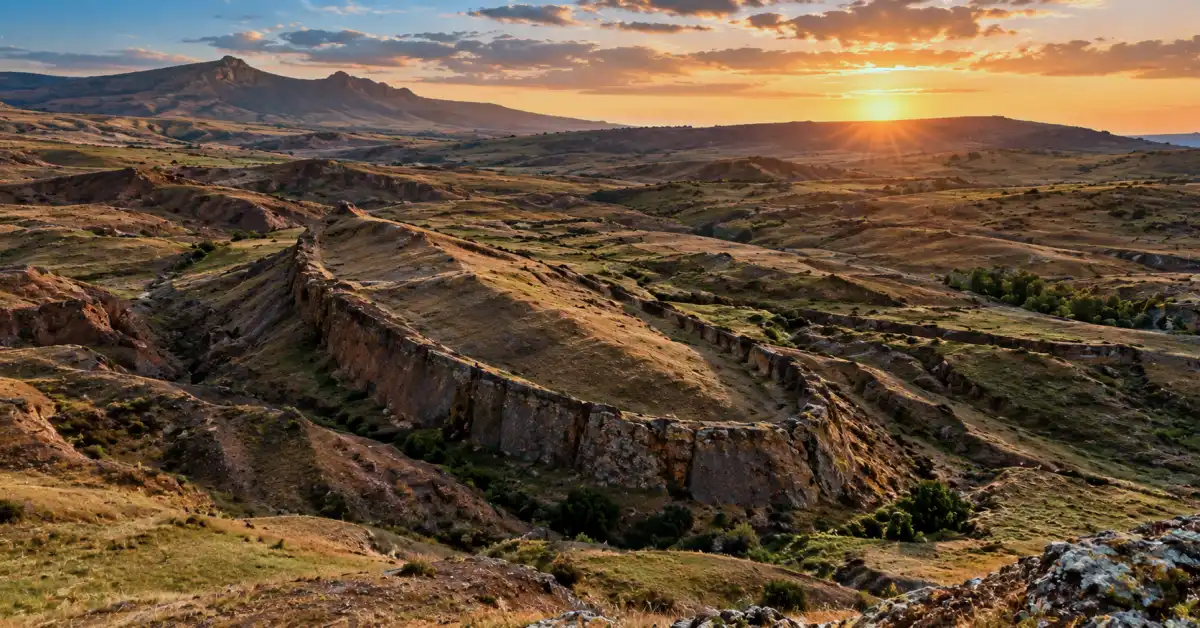
This is the first recorded “bromance” in history. It teaches us a vital lesson: We need people who challenge us. Gilgamesh didn’t need a servant; he needed a peer. Enkidu calms Gilgamesh’s restlessness, and Gilgamesh gives Enkidu a purpose.
Slaying Monsters & The Hubris Trap

Now that they are a team, they decide to do what all ancient heroes do: go look for trouble.
Gilgamesh wants glory. He convinces Enkidu to travel to the Cedar Forest to kill its guardian, the terrifying monster Humbaba. Enkidu is hesitant because he knows the forest is dangerous, but he goes anyway. That’s loyalty.
They kill Humbaba. But they don’t stop there.
Don’t Mess With Ishtar
After their victory, Gilgamesh cleans up and looks so good that Ishtar, the goddess of love and war, proposes to him.
Most men would say yes. Gilgamesh? He literally lists all her ex-boyfriends and how badly she treated them, then rejects her to her face. Ouch.
Furious, Ishtar sends the Bull of Heaven to destroy Uruk. Gilgamesh and Enkidu team up again, kill the Bull, and Enkidu even slaps Ishtar with the Bull’s haunch.
They are on top of the world. They feel invincible. But the higher you fly, the harder you fall.
Tragic Turn: Mortality Hits Hard
The gods meet in council. “Someone has to pay for killing Humbaba and the Bull,” they decide. They choose Enkidu.
Enkidu falls ill. He suffers for twelve days. As he dies, he describes the House of Dust (the underworld) where kings act as servants and everyone eats clay. It is a bleak, terrifying vision.
When Enkidu dies, Gilgamesh unravels.
“He covered his friend’s face like a bride’s… He roared like a lioness robbed of her cubs.”
This is the pivot point of the entire epic. Gilgamesh isn’t just sad; he is terrified. For the first time, he realizes that he is one-third man, and that part of him is going to die.
If Enkidu who was just as strong as him can rot, then Gilgamesh can too.
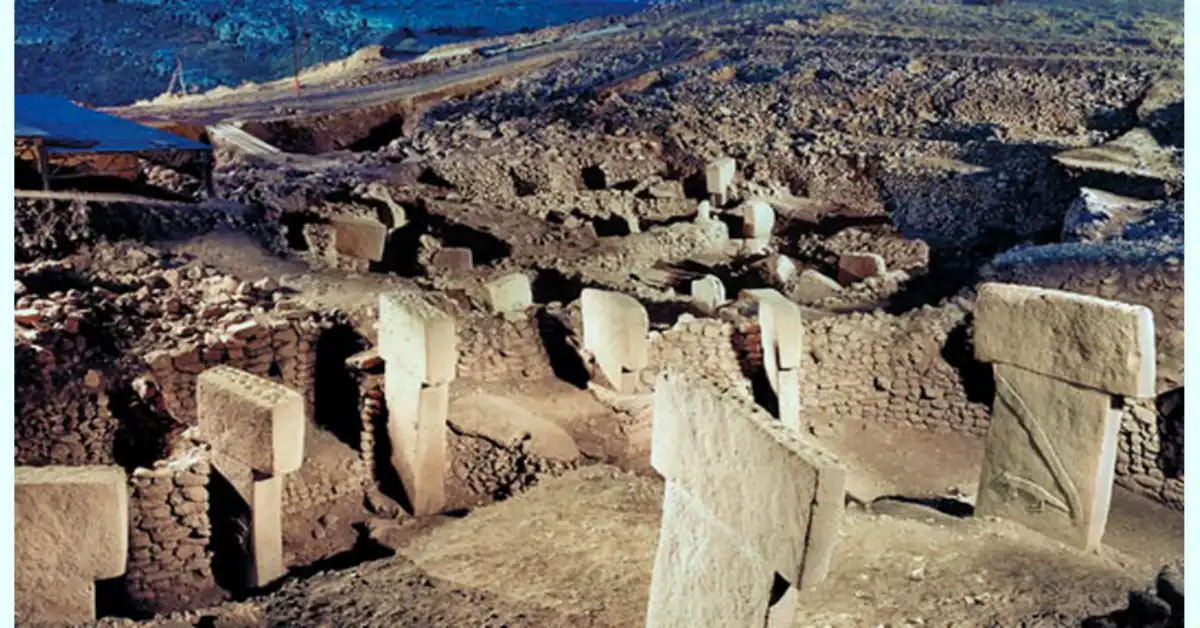
Quest for Immortality
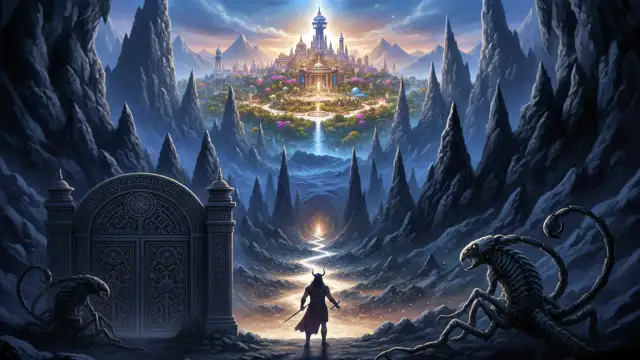
Gilgamesh abandons his throne. He throws away his royal robes, puts on lion skins, and wanders the wilderness. He looks like a madman.
His goal? To find Utnapishtim.
According to legend, Utnapishtim is the only human to whom the gods granted eternal life. He survived a Great Flood (sound familiar?). Gilgamesh believes this old man holds the secret to cheating death.
Tests of Utnapishtim
After a journey that involves traveling through the path of the sun in total darkness and crossing the Waters of Death, Gilgamesh finally finds Utnapishtim.
He asks for the secret. Utnapishtim looks at this exhausted, dirty king and basically asks, “Why are you chasing the wind?”
However, Utnapishtim offers him a challenge. “If you want to conquer death, try conquering sleep first.” Stay awake for seven days.
Gilgamesh sits down and immediately falls asleep. He sleeps for seven days straight.
He fails. He proves he is human.
As a consolation prize, Utnapishtim tells him about a plant at the bottom of the ocean that restores youth. Gilgamesh dives down, gets the plant, and plans to take it back to Uruk to share with the elders.
Final cruel Twist
On the way home, Gilgamesh stops to bathe in a cool pool. He leaves the plant on the shore.
A snake smells the plant, slithers up, eats it, and immediately sheds its skin becoming young again. The snake gets the immortality; Gilgamesh gets nothing.
He sits down and weeps. It’s over.
What Gilgamesh Actually Found
Gilgamesh returns to Uruk empty-handed. No plant. No friend. No immortality.
But as he approaches the city, he stops. He looks at the massive walls he built. He looks at the bustling markets and the people living their lives.
He turns to the boatman accompanying him and points out the masonry, the foundations, and the greatness of the city.
This is the moment of enlightenment.
Gilgamesh realizes he cannot live forever in his body. However, he can live forever through what he builds and how he rules. Immortality isn’t about never dying; it’s about leaving something behind that lasts.
He picks up his stylus and writes his story on a stone tablet. The very story we are reading now.
4,000-year-old cool story
You might be thinking, “Cool story, but I don’t plan on fighting a Bull of Heaven.” fair point. Yet, the themes of Gilgamesh are woven into the fabric of our daily lives. Here is why it resonates:
- The Power of Friendship: We are social creatures. Like Gilgamesh, we are often at our worst when we are isolated. We need “Enkidus” to ground us and share our burdens.
- The Fear of Death: We all have that moment where we realize our time is limited. It drives us to work harder, create art, or have children. That “existential dread” is universal.
- Defining Success: Gilgamesh started by thinking success was power and dominance. He ended by realizing success was service and legacy.
- The Human Flaw: Even demi-gods fail. Gilgamesh failed his quest for the plant. He failed to save his friend. But he kept going.
FAQ’s
Why did the gods create Enkidu instead of just destroying Gilgamesh?
The gods created Enkidu to act as a physical and moral mirror to Gilgamesh, intending to distract the tyrannical king from oppressing the people of Uruk. Rather than punishing the city by killing its ruler, they provided a perfectly matched rival to channel Gilgamesh’s violent energy into friendship and heroism.
What is the literary significance of Gilgamesh being two-thirds god and one-third human?
This impossible biological ratio highlights the core tragedy of Gilgamesh’s existence; he possesses the immense power and pride of the divine, yet his fractional human side anchors him to an inescapable death. It guarantees that his desperate quest for physical immortality is doomed from the very beginning.
Why does Gilgamesh reject the goddess Ishtar’s marriage proposal?
Gilgamesh rejects Ishtar because he is fully aware of her treacherous history of cursing, crippling, or transforming her past mortal lovers once she grows bored of them. He boldly insults her by listing her past victims, a decision that triggers her wrath and leads to the unleashing of the Bull of Heaven.
What does the snake stealing the plant of youth symbolize at the end of the epic?
The snake stealing the rejuvenating plant symbolizes the natural cycle of life and the absolute futility of mankind’s attempt to cheat death. Because snakes shed their skin to physically “renew” themselves, the ancient authors used this event to explain why serpents appear to rejuvenate while humans are forced to age and die.
How does the flood story of Utnapishtim differ from the biblical story of Noah?
While the Biblical flood was sent as a moral punishment for humanity’s wickedness, the Mesopotamian flood in Gilgamesh was sent by the god Enlil simply because human overpopulation had become too noisy and disrupted his sleep. Furthermore, Utnapishtim is granted literal eternal life after surviving, whereas Noah remains a mortal man.
What role does Shamhat play in the civilizing of Enkidu?
Enkidu is civilized through a week-long sexual awakening with the temple priestess Shamhat, which grants him human consciousness but causes the wild animals to reject him. Shamhat then acts as his guide to humanity by introducing him to bread, beer, bathing, and clothing, officially severing his ties to the animal kingdom.
Conclusion
The Epic of Gilgamesh teaches us that while we can’t beat death, we can beat the fear of it. We do that by living well, loving our friends, and building things whether it’s a city, a family, or a story that outlast us.
Gilgamesh didn’t get the magic plant. He got something better. He got wisdom. And because he wrote it down, 4,000 years later, he actually did achieve immortality. We are still talking about him, aren’t we?
What is your “Uruk”? What are you building that will outlast you? Drop a comment below or share this with the “Enkidu” in your life who keeps you sane!

