

Europe is an absolute dream. You picture yourself sipping espresso in Rome, wandering the Louvre in Paris, or soaking up the sun on a Spanish beach. The reality usually lives up to the hype. But lurking just outside those famous landmarks is a massive, highly organized shadow economy.
Scammers love tourists. According to recent travel data, Europe welcomed over 700 million visitors in 2024. Countries like Spain alone saw 94 million tourists that same year. That ocean of excited, slightly lost, and jet-lagged travelers creates the perfect hunting ground for con artists.
You might think you are too smart to get tricked. Most victims do. These aren’t just random acts of theft; they are psychological traps honed over decades. By May 2026, street hustlers have combined old-school sleight of hand with modern digital trickery.
Let’s break down the five biggest travel scams in Europe right now. More importantly, we will show you exactly how to walk away with your wallet — and your pride — fully intact.
Quick read
- Politeness is a liability: Scammers weaponize your natural desire to be polite. Learning to comfortably say “no” and walk away is your best defense.
- Distractions hide theft: Physical interactions (like spilled mustard or a shoved clipboard) are almost always a cover for pickpocketing.
- Scams are going digital: Transportation and accommodation scams now heavily utilize fake apps and cloned property listings.
- Awareness beats paranoia: Staying safe doesn’t mean acting fearful. It simply requires basic situational awareness and knowing the hustler’s script before they even speak.
1. The “Free” Friendship Bracelet (Paris, Milan, Rome)

The Setup
You are walking up the beautiful steps to the Sacré-Cœur in Paris. The sun is shining. Suddenly, a charming local steps right into your path. Before you can even react, he loops a colorful string around your wrist or finger. He smiles warmly and calls it a “gift” or a symbol of peace.
The Catch
Once that string is tied, the friendly smile vanishes completely. The scammer suddenly demands payment for his “art.” If you refuse, he starts causing a loud scene. Suddenly, three or four of his physically intimidating friends materialize out of the crowd. They box you in. Most travelers hand over a €20 bill just to escape the highly uncomfortable situation.
The Psychology
This trick relies entirely on the social contract. From childhood, we are taught that rejecting a gift is incredibly rude. Scammers know you don’t want to cause a loud argument in a foreign country. They use that fear of public embarrassment directly against you.
The Defense
Keep your hands in your pockets when walking through heavily touristed plazas. If someone approaches you holding string or cheap jewelry, do not make eye contact. A firm, loud “No” works wonders. Never let a stranger physically touch you. If they manage to loop a string on you, let it drop to the ground and keep walking. You owe them absolutely nothing.
2. The Spilled Condiment or “Bird Poop” Trick (Barcelona, Madrid, Athens)
The Setup
Imagine strolling down Las Ramblas in Barcelona. You suddenly feel a wet splat on your shoulder. Gross. It looks like bird droppings, or maybe mustard from a passing hotdog vendor. Almost immediately, a friendly stranger rushes over holding tissues. They point at the mess, looking highly concerned, and start furiously wiping your jacket.

The Catch
While this good Samaritan is aggressively “cleaning” your shoulder, their other hand is busy. They are expertly sliding your phone out of your pocket or slipping your wallet from your bag. By the time you thank them for their kindness and they walk away, your valuables are long gone.
The Psychology
Panic completely overrides logic. When you feel something disgusting hit your clothes, your brain short-circuits. Your focus narrows entirely to the stain. The scammer exploits this temporary sensory overload. You feel grateful for the sudden help, leaving your guard completely down.
The Defense
If anything spills on you, step away from anyone rushing to help. Put your back against a solid wall immediately. This prevents anyone from slipping behind you. Politely but firmly refuse any physical assistance. Clean the mess yourself once you are safely inside a locked bathroom or a secure cafe.
3. The Digital Phantom Rental (London, Paris, Florence)

The Setup
Booking a European summer vacation in 2026 is brutal. Prices are sky-high, and inventory is low. Then, you find a miracle on a third-party booking site or social media group. It is a stunning Parisian apartment overlooking the Eiffel Tower, priced at half the normal going rate. The host is incredibly responsive and friendly.
The Catch
The host asks you to take the conversation off the official platform, usually moving to WhatsApp. They request a wire transfer, crypto payment, or a direct bank deposit to “secure the booking” and avoid platform fees. You pay the money. Months later, you arrive in Europe with your heavy luggage, only to find the address doesn’t exist. Alternatively, a confused local opens the door and tells you they actually live there year-round.
The Psychology
Fear of missing out (FOMO) drives this modern digital fraud. Travelers feel immense pressure to lock down affordable accommodation before it disappears forever. Scammers use urgency and stolen photos to create a false sense of security.
The Defense
Never pay for accommodation outside of official platforms like Airbnb, Booking.com, or reputable hotel websites. If a host asks you to wire money directly, run away immediately. Use Google Reverse Image Search on the property photos. If you see the exact same living room listed in five different European cities, you are definitely looking at a scam.
4. The Broken Taxi Meter & Fake Apps (Istanbul, Prague, Naples)
The Setup
You step out of the airport terminal, exhausted after a ten-hour flight. A man in a nice suit asks if you need a taxi. He leads you to a car. Or perhaps, you hail a standard cab on the street. The driver throws your bags in the trunk and speeds off before you even buckle your seatbelt.
The Catch
Halfway to your hotel, you notice the meter isn’t running. When you point it out, the driver taps the machine and claims it is broken. He quotes you an astronomical cash price. In a newer 2026 twist, some drivers claim to be using ride-share platforms but show you a spoofed screenshot on their phone with a wildly inflated fare. If you argue, they threaten to leave you on the side of a busy highway with your luggage.

The Psychology
You are trapped in a moving metal box in a city you do not know. The power dynamic heavily favors the driver. Exhaustion makes you much less willing to fight back. You just want to get to your hotel bed.
The Defense
Always use official, heavily marked taxi ranks. Before getting inside the vehicle, point to the meter and ask, “Meter?” Do not get in until they actively turn it on. Better yet, stick to well-known ride-hailing apps like Uber, Bolt, or FreeNow where the price is digitally locked in beforehand. If a street driver refuses to use the meter, simply grab your bags and walk away.
5. The Fake Petition and Charity Swarm (Paris, Berlin, Rome)
The Setup
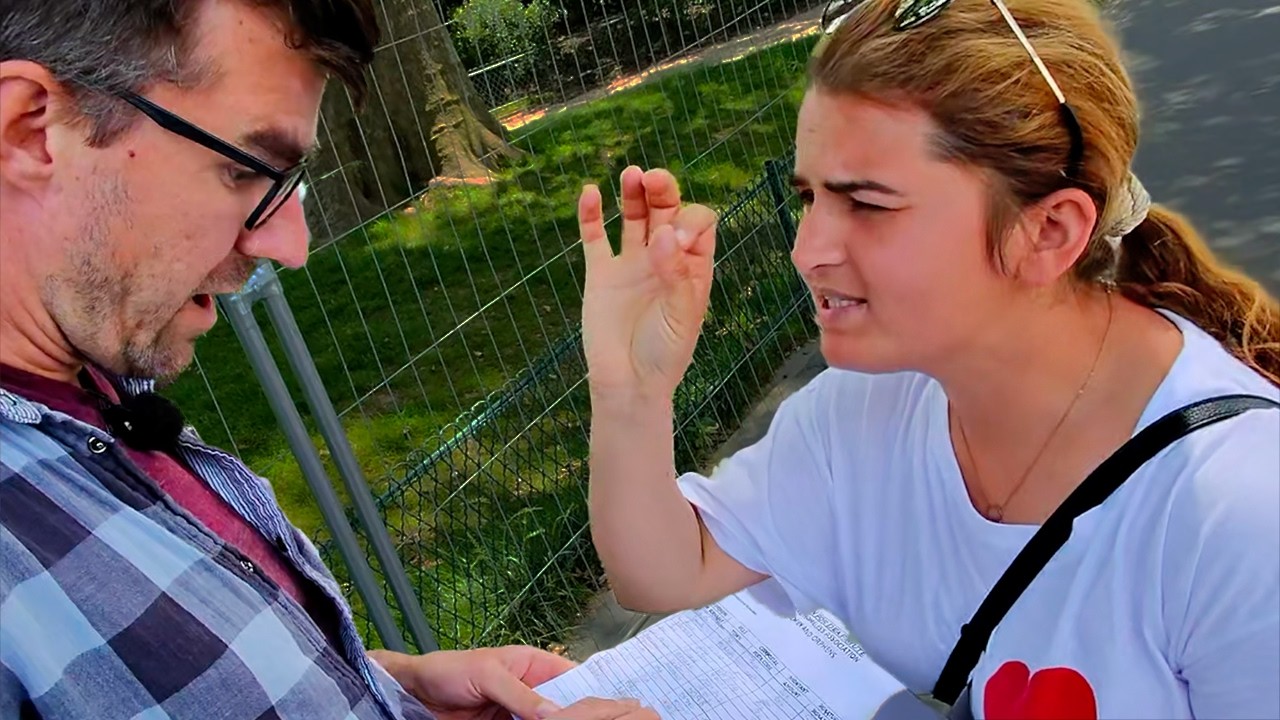
You are admiring the Colosseum in Rome. A group of young people, often teenagers, approaches you with clipboards. They gesture frantically, pretending to be deaf or mute. They shove the clipboard directly into your chest, asking for your signature to support a children’s charity or a new community center.
The Catch
The clipboard serves two malicious purposes. First, it physically blocks your line of sight. You look down to read the paper, completely losing track of your lower body. Second, while you are distracted by signing the paper or digging for a tiny donation, the teenagers’ hands dart under the clipboard. They snatch your wallet, phone, or passport. They vanish into the dense crowd within seconds.
The Psychology
Con artists heavily exploit your natural empathy. Nobody wants to be rude to a teenager advocating for a seemingly noble cause. By using the “deaf/mute” tactic, they force you into an awkward, non-verbal interaction that demands your full visual attention.
The Defense
Ignore anyone waving a clipboard near major tourist sites. Legitimate charities rarely aggressively canvas tourists in the middle of crowded historical plazas. Do not engage. Keep your hands firmly on your bags and walk straight through the group.
Why Politeness is Your Worst Enemy in Europe
Let’s have a real talk about street survival. If there is one common thread connecting every single scam on this list, it is human politeness.
Tourists desperately want to be seen as good guests. You don’t want to look like the ugly, arrogant foreigner. You want to be culturally respectful. Scammers absolutely depend on this mindset. They know you will force a polite smile while they tie a bracelet on you. They bet real money that you will stop to read their fake petition.
You must unlearn this behavior when navigating crowded tourist hotspots. In a big city, ignoring a stranger who approaches you aggressively is not rude. It is basic street smarts. Walk with clear purpose. Look like you know exactly where you are going, even if you are hopelessly lost. If you need to check Google Maps, step inside a cafe or a quiet store to do it safely.

Essential Travel Security Tips for 2026
Avoiding scams requires more than just knowing the verbal tricks. You need to physically protect your belongings from fast hands.
- Ditch the obvious backpack: Backpacks are incredibly easy to unzip in a dense crowd without you feeling a thing. Switch to a secure crossbody bag. Keep it resting on your front chest, not your hip.
- Leave the flashy gear at home: Nothing screams “target” louder than a giant DSLR camera swinging from your neck, stark white sneakers, and expensive designer jewelry. Blend in.
- Carry backup cards: Never take all your credit cards out at once. Keep one card and a little cash in your day bag. Leave your main debit card and your physical passport locked inside your hotel room safe.
- Trust your gut: If a situation feels overly urgent, chaotic, or confusing, just leave immediately. You do not owe anyone an explanation.
What to Do If You Actually Get Scammed
Even the smartest travelers get caught off guard occasionally. If you realize your wallet is missing or you handed over cash to a fraudster, do not panic.
1. Secure Your Finances Immediately
Time is your biggest enemy. The moment you realize your cards are gone, freeze them through your banking app. Most modern banking apps allow you to lock a debit or credit card instantly with a single tap. Do not wait until you get back to the hotel. Scammers will try to max out your contactless payment limits within minutes.
2. File a Local Police Report
You will almost certainly never see your stolen items again. The local police know this. You know this. However, filing a formal report is absolutely mandatory if you want to claim the financial loss on your travel insurance. Go to the nearest police station. Be patient, as the process can take a few hours and might require a translator. Keep the physical copy of the police report highly secure.
3. Contact Your Embassy
Did the scammers manage to steal your actual passport? Stop whatever you are doing. Head straight to your country’s local embassy or consulate. They can issue an emergency, temporary passport that allows you to fly home. You will need new passport photos and a copy of your police report to process this quickly.
4. Forgive Yourself
This is the most important step. Being scammed feels deeply violating. You might feel stupid or highly embarrassed. Don’t. Professional con artists do this for a living, eight hours a day, seven days a week. They are incredibly good at their jobs. A lost phone or a stolen €50 note is highly frustrating, but it does not have to ruin your entire European vacation. Take a deep breath, grab a fantastic local dinner, and reset your mindset.
Final Thoughts
Europe is absolutely breathtaking. Do not let the fear of tourist scams stop you from enjoying every single second of your trip.
The vast majority of locals you meet will be incredibly kind, helpful, and welcoming. By simply knowing these five common tricks, you instantly make yourself a hard target. Scammers are notoriously lazy. They don’t want a fight; they want an easy, clueless victim. Show them you know the game, and they will move right past you.
Have you ever encountered a clever street hustle while traveling abroad? Did you fall for it, or did you manage to walk away? Drop your craziest travel scam stories in the comments below, and share this guide with anyone planning a European getaway this summer!

