

I Witnessed an Exorcism in Russia: The Reality of the Orthodox ‘Otchitka’ Ritual
The heavy wooden doors of the church closed, shutting out the freezing Russian wind. Inside, the air was entirely thick with the smell of burning beeswax candles and sharp frankincense. Hundreds of people stood shoulder to shoulder under faded golden frescoes. Everything felt deeply solemn. Then, someone screamed.
It wasn’t a normal shout. This was a guttural, terrifying howl that echoed straight off the vaulted ceilings. Soon, another voice joined in. Then another. A woman in the front row suddenly collapsed, thrashing violently on the stone floor while barking like a feral dog.
Welcome to Otchitka.
If your only reference for exorcisms involves Hollywood movies, spinning heads, and Catholic priests yelling in Latin, you need to completely reset your expectations. The Russian Orthodox rite of exorcism is profoundly different. It is raw, incredibly loud, and deeply unsettling.
As a traveler fascinated by dark history and cultural anthropology, I wanted to understand why thousands of Russians still flock to these intense spiritual cleansings. What exactly happens when the human mind breaks down and seeks a supernatural cure?
Quick read
- Otchitka is communal: Unlike private Catholic exorcisms, the Russian Orthodox version often happens in large, crowded group settings.
- A brutal sensory experience: The ritual involves intense prayers, holy water, and extreme physical reactions from the congregation, including vomiting and shouting.
- New strict rules: The Russian Orthodox Church heavily regulated the practice recently, banning it for people diagnosed with mental illnesses to prevent severe psychological harm.
- The trauma connection: Modern spikes in exorcism requests heavily correlate with political instability, war trauma, and the rise of a bizarre “exorcism economy.”
What Exactly is Otchitka?
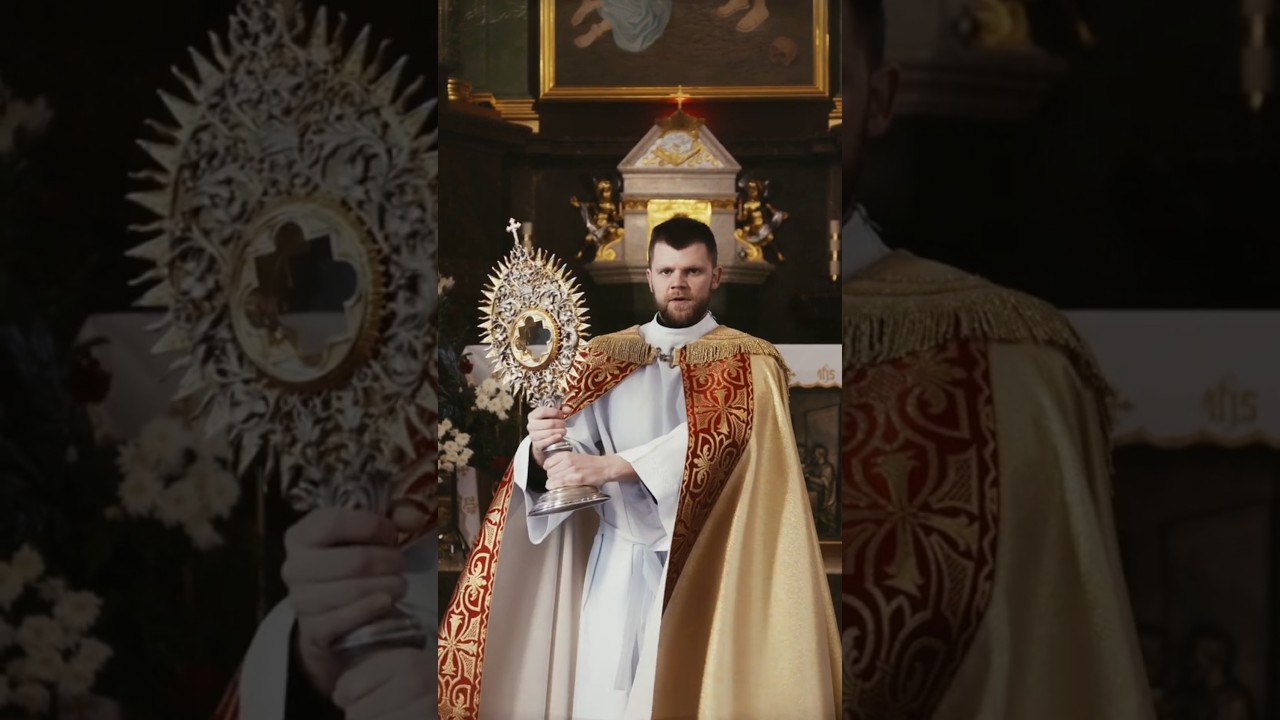
Let’s get the terminology straight right off the bat. The word Otchitka (отчитка) translates roughly to “reading out.”
It refers directly to the priest reading a specific, lengthy set of ancient prayers designed to cast out impure spirits. The ritual traces its roots back to the 17th century when the Orthodox Church adopted certain texts from the influential Metropolitan Peter Mogila.
Catholic exorcisms usually happen behind closed doors. A priest, a medical doctor, and a bishop secretly evaluate a single possessed individual. Russian otchitka flips that script entirely. Historically, it was a massive group event. Pilgrims traveled from all over the country to pack into a single church.
You stand there for hours. The presiding priest reads aggressive prayers demanding the devil leave the afflicted. He violently splashes holy water across the crowd. He anoints heads with holy oil. Throughout this hours-long marathon, the congregation reacts. People weep uncontrollably. Some curse at the priest using shocking profanity. Others faint completely dead away.
It feels less like a quiet spiritual intervention and more like a chaotic spiritual warzone.

Inside the Trinity-Sergius Lavra
To truly get this phenomenon, you have to look at its epicenter: the Trinity-Sergius Lavra in Sergiyev Posad, a town just outside Moscow. For decades, this stunning monastery was the absolute undisputed capital of Russian exorcism.
The man at the center of it all was Archimandrite Herman (German) Chesnokov. Until his death in 2020, Father Herman was essentially a rockstar in the Orthodox world. People genuinely believed he possessed a rare, divine gift for fighting demons.
Watching archival footage of his services — or experiencing similar rites in person — leaves a permanent mark on your brain. The priest commands total authority. When he walks through the crowd, the possessed physically recoil. You see middle-aged men violently shaking. You watch elderly babushkas suddenly speak in deep, masculine voices, hurling insults at the cross.
Why do they react this way? Believers will tell you the demon inside the host is terrified of the holy water and the name of Christ. Skeptics see something else entirely: a massive, shared psychological release.
From Soviet Suppression to Spiritual Boom
You cannot understand modern Russian exorcism without talking about the Soviet Union. For 70 years, the communist government aggressively crushed organized religion. Churches were blown up. Priests were sent to brutal gulags.
State-sponsored atheism was the strict law of the land. The government heavily promoted science and reason. If someone acted erratically or claimed to hear voices, the state simply threw them into a psychiatric hospital. There was no room for demons in a Marxist utopia.
Then, the USSR collapsed in 1991.
A massive ideological vacuum swallowed the country overnight. People were starving, confused, and suddenly free to explore religion again. A massive wave of mysticism swept across the shattered nation. Citizens desperately wanted spiritual explanations for their immense suffering. The Orthodox Church experienced a gigantic revival.
During this turbulent 1990s era, otchitka exploded in popularity. Everyday priests started performing the ritual to satisfy public demand. Desperate parents brought their drug-addicted children to churches, begging priests to cast out the “demon of heroin.” Wives dragged abusive, alcoholic husbands to the altar.
Demons became a highly convenient scapegoat for a broken society.
Demons or Disease?
This brings us to the most uncomfortable question. What are you actually witnessing during an exorcism? Are these people harboring ancient evil, or are they profoundly sick?

Mental health professionals who study the otchitka phenomenon point to several distinct medical explanations.
- Schizophrenia and Psychosis: Many symptoms of “possession” perfectly mirror severe psychotic breaks. Auditory hallucinations, violent outbursts, and extreme paranoia are classic markers.
- Tourette Syndrome: Sudden verbal tics, barking, and uncontrollable swearing (coprolalia) mimic the exact behaviors priests attribute to demonic influence.
- Mass Hysteria: Put two hundred highly suggestive, deeply religious people in a dark room. Tell them demons are present. Play intense chanting music. Eventually, the psychological pressure bursts. If one person starts screaming, the group dynamic gives others subconscious permission to lose control.
Anthropologists call this a “cultural performance.” The afflicted person knows exactly how a possessed individual is supposed to act. They fulfill the expected role. It provides a bizarre sense of comfort. After all, it is much easier to hear, “You have a demon that can be cured by a prayer,” rather than, “You have a chronic brain disease requiring lifelong medication.”
The Russian Orthodox Church Cracks Down
By the 2020s, the situation had gotten entirely out of hand. Viral videos of rogue priests forcefully holding down screaming teenagers flooded Russian social media. The public began asking tough questions.
The top brass at the Moscow Patriarchate realized they had a massive PR disaster on their hands. In 2022, a special church commission began drafting an official document to heavily regulate the practice of exorcism.
By 2023 and 2024, the new rules were crystal clear. The Church firmly dropped the hammer on unregulated demon-chasing.
- Medical Screening is Mandatory: Priests are now strictly forbidden from performing exorcisms on individuals suffering from diagnosed mental illnesses. They must learn to distinguish between genuine spiritual attacks and psychiatric conditions.
- No More Free Agents: A regular parish priest cannot just decide to hold an otchitka. They must receive direct, written permission from their ruling bishop.
- No Charging Money: Exorcism cannot be treated as a profitable business. The Church banned priests from demanding payment for the ritual.
- Privacy is Key: Filming these highly vulnerable moments and posting them online is strictly forbidden.
The Patriarchate actively admitted that many alleged possessions were actually medical issues. By drawing a hard line, the Church attempted to protect vulnerable citizens from spiritual abuse.
Exorcism Economy
You would think those strict rules solved the problem completely. Unfortunately, human nature always finds a workaround.
Fast forward to today. The psychological toll of global instability, economic sanctions, and the ongoing trauma stemming from the Ukraine conflict has created a deeply wounded population. When people experience immense grief or PTSD, they often seek radical solutions.
Because official Orthodox priests are now heavily restricted from performing otchitka, a shady underground market has emerged. Journalists have documented a booming “exorcism economy” thriving across social media platforms like Telegram.
Fake mediums, self-proclaimed psychics, and defrocked priests now offer their services online. They prey directly on desperate families. Reports show these modern charlatans charge upwards of 20,000 rubles (roughly €200) just for an initial Skype consultation to determine if a demon is present.
Families deal with teenagers suffering from severe depression or PTSD. Instead of seeking a licensed therapist — which still carries a heavy cultural stigma in rural Russia — they wire money to an online exorcist. It is a highly dangerous game that leaves the most vulnerable members of society completely exposed to financial ruin.
The Unbreakable Comfort of the Ritual
So, why does otchitka survive? Why do rational people still subject themselves to this terrifying ordeal?
Because the human desire for a clean slate is universal.
When you sit in that cold church and watch the ritual unfold, you realize something profound. Many of the people thrashing on the floor aren’t faking it for attention. They are carrying invisible, crushing burdens. They carry the weight of generational poverty, horrific trauma, addiction, and grief.
Society tells them to suck it up. The medical system might be too expensive or entirely unavailable in their remote village.
But inside the church? Their pain is finally acknowledged. The priest tells them that their suffering isn’t their fault. A literal monster caused it. And more importantly, the priest offers a concrete way to destroy that monster. When the holy water hits their face, they experience a massive, exhausting catharsis. They leave the building feeling physically lighter.
Whether the demon was a literal creature from hell or just the heavy ghost of severe trauma, the sense of relief is genuinely real to them.
Leaving the Shadows Behind
Walking out of the Trinity-Sergius Lavra after the service ended felt like stepping onto another planet. The bright winter sun hit the snow. Tourists casually snapped photos of the golden onion domes, completely unaware of the intense psychological battle that just happened a few yards away.
Otchitka exists squarely at the intersection of faith, history, and mental health. It is a brutal reminder of how fragile the human mind really is. We all have demons. Some of us talk to a therapist about them. Others travel thousands of miles to have a priest scream them away.
Both methods seek the exact same thing: peace.
What do you think? Is there room for ancient spiritual rituals in modern mental health treatments, or should practices like exorcism be left entirely in the past? Drop your thoughts in the comments below! If you found this deep dive fascinating, share it with a friend who loves exploring the darker corners of human history.

