

The Ethiopian Bible: History of the Garima Gospels and Ancient African Texts
Imagine discovering a hidden vault that rewrites everything you know about history. Now, picture that vault sitting not beneath a famous European cathedral, but high atop a rugged mountain in northern Ethiopia.
For centuries, Western scholars debated the origins of early Christianity. They pointed exclusively to Greece, Rome, and the Middle East. But they completely overlooked a massive piece of the puzzle sitting right in the Horn of Africa.
The Ethiopian Orthodox Tewahedo Church doesn’t just hold onto a few old relics. It guards the largest biblical canon on Earth, boasting a staggering 81 books. On top of that, an isolated monastery in the Tigray region houses the Garima Gospels. These texts are the oldest surviving complete illustrated Christian manuscripts in the world.
Are you picturing dusty, crumbling pages? Think again. These manuscripts feature vibrant colors, intricate designs, and ancient scriptures that vanished from Western Bibles centuries ago. Let’s get into the fascinating history of the Ethiopian Bible, the legendary Abba Garima, and the texts that survived while the rest of the world forgot them.
Key takeaways
- A Massive Canon: The Ethiopian Bible contains 81 books, significantly outnumbering the Catholic (73) and Protestant (66) versions.
- Scientific Validation: Oxford University radiocarbon dating confirmed the Garima Gospels date back to 390–660 AD, proving local monks right and Western scholars wrong.
- Preserved Masterpieces: Kept safe at the Abba Garima Monastery, these texts feature some of the earliest Christian illuminated artwork on the planet.
- Lost Texts Found: Ethiopia protected crucial ancient works like the Book of Enoch and the Book of Jubilees when they were banned or lost elsewhere.
- Deep African Roots: Christianity was adopted as the state religion in the Aksumite Empire (modern-day Ethiopia) as early as 330 AD.
The Ethiopian Bible
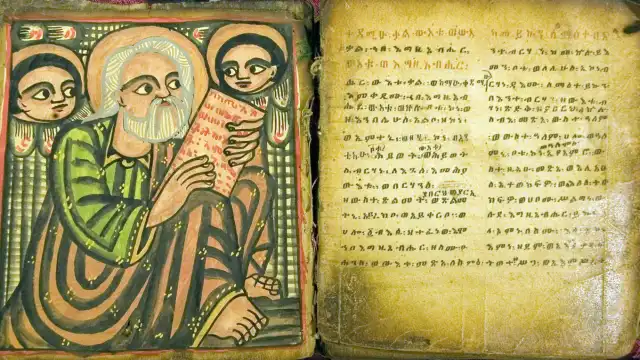
Most of us are highly familiar with the standard 66-book Bible sitting in hotel drawers. If you grew up Catholic, you might know the 73-book version. But the Ethiopian Bible laughs at those numbers.
With 81 books, the Ethiopian Orthodox Tewahedo Church claims the largest canon in traditional Christendom. Why is their Bible so thick? Because the Ethiopian church didn’t wait around for European councils to tell them what to read.
Back in 330 AD, King Ezana of the Aksumite Empire made Christianity the state religion. This made Ethiopia one of the earliest Christian nations on the globe. They translated their scriptures into Ge’ez, an ancient Semitic language that remains the liturgical language today. Because they were geographically isolated from the theological squabbles of Rome and Constantinople, Ethiopian monks simply kept copying and reading the texts they originally received.
When Western church leaders started trimming down the Bible to fit their specific dogmas, Ethiopia ignored them. They didn’t attend the later European councils. They just kept their heads down, their faith strong, and their ink flowing.
Enoch and Jubilees
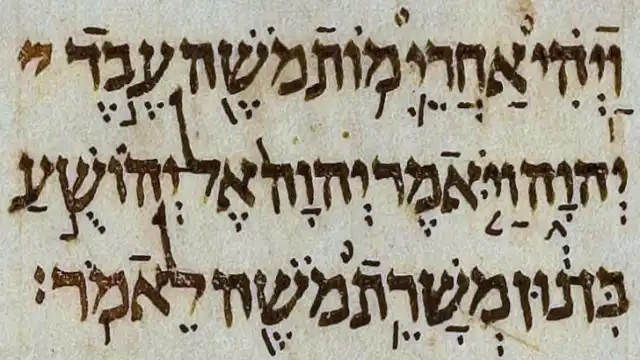
So, what exactly is inside those extra books? Some incredibly wild, fascinating history.
Have you ever wondered about angels, giants, and the deep mysteries of the flood? You won’t find much about them in a standard King James Bible. But you will find them vividly detailed in the Book of Enoch (1 Enoch).
Western churches slowly phased Enoch out over the centuries. They deemed it too apocalyptic or just non-canonical. All complete copies of the Book of Enoch vanished from Europe completely. Scholars actually thought the book was gone forever.
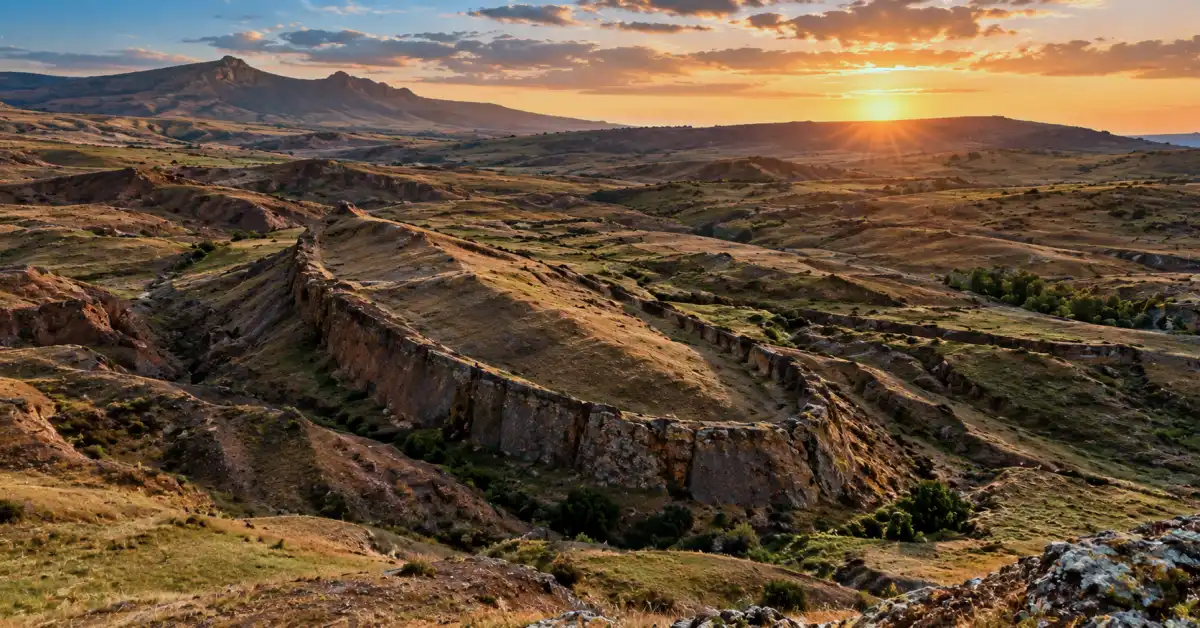
Then, explorers realized the Ethiopian Church had been reading it the entire time.
Enoch isn’t just a footnote in Ethiopia; it’s a deeply revered text. The book details the fall of the “Watchers” (angels who rebelled against God) and the origins of the Nephilim (a race of giants). Early Christians clearly loved it. The writer of the New Testament book of Jude even quotes Enoch directly, proving the text was heavily influential in the first century.
The Book of Jubilees is another massive historical treasure. Often called “Lesser Genesis,” Jubilees gives a heavily detailed, expanded account of the events from creation to Moses. It provides names for characters who remain anonymous in the standard Genesis text, like the mysterious wives of Cain and Seth.
By holding onto these scriptures, African monks basically saved a crucial chunk of Jewish and early Christian history. Without them, our understanding of ancient theology would be full of holes.
The Garima Gospels
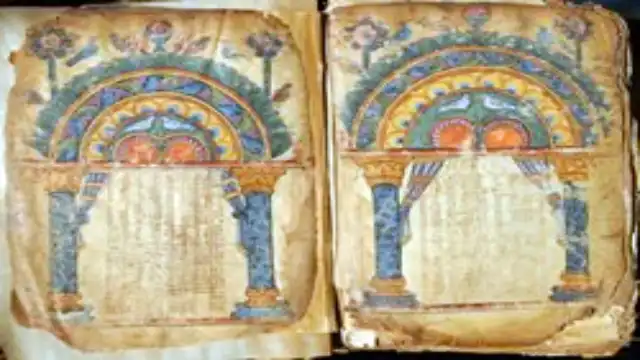
Let’s shift gears from what’s in the Ethiopian Bible to the physical books themselves. Enter the magnificent Garima Gospels.
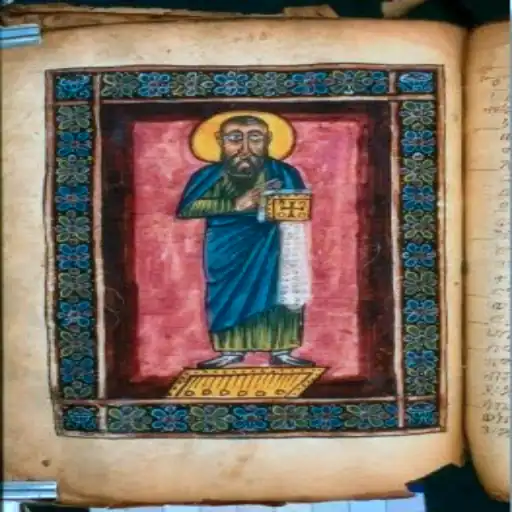
These aren’t just old books. They are absolute masterpieces. Consisting of two main volumes, Garima 1 and Garima 2, these texts are written on thick goat vellum (parchment made from animal skin). But the real showstopper? The jaw-dropping illustrations.
We are talking about vivid portraits of the Evangelists, intricate geometric canon tables, and gorgeous depictions of exotic birds and plants. The colors are still blindingly bright today. The scribes used natural pigments derived from local minerals that somehow defied the decay of time.
For a long time, Western art historians looked at photographs of these gospels and made a very arrogant assumption. In the 1960s, a French scholar named Jules Leroy declared the Garima Gospels couldn’t possibly be older than the 11th century. He assumed African monks simply copied Byzantine styles much later in history.
The local Ethiopian monks fiercely disagreed. They insisted the books were written by Abba Garima himself around the year 500 AD.
Who won the argument? Science stepped in to settle the score.
Around a decade ago, samples of the parchment were sent to Oxford University for radiocarbon dating. The results shocked the academic world. Garima 2 dated between 390 and 570 AD. Garima 1 dated between 530 and 660 AD.
The monks were telling the truth all along. These ancient African texts are actually the oldest surviving complete illuminated Christian manuscripts on Earth. They predate the famous European Lindisfarne Gospels by at least two hundred years!
The Legend of Abba Garima and the Stopped Sun
You can’t talk about these books without diving into the epic legend behind them. Let’s look at the man who gave the gospels their famous name.
Abba Garima was one of the “Nine Saints.” These were a group of dedicated missionaries who fled the Byzantine Empire in the late 5th century to escape religious persecution. They settled in the Axumite Kingdom and began spreading Christianity to the rural populations.
Garima was said to be a royal with miraculous healing powers. King Gabra Masqal built him a monastery near Adwa, nestled high in the mountainous Tigray region.
Legend states that Abba Garima decided to write and illustrate the complete Gospels in a single day. Obviously, copying hundreds of pages by hand takes an unbelievable amount of time. As the story goes, God saw Garima’s intense devotion and literally stopped the sun from setting. The daylight stretched on and on until the saint finished his monumental task.
Did a man write two entire gospel books in a single, supernaturally long day? Probably not. But the legend highlights the deep spiritual reverence the Ethiopian people hold for these texts. To them, the Garima Gospels aren’t just historical artifacts. They are holy relics imbued with divine energy.
How Ethiopia Guarded the Scriptures
How did a bunch of 1,500-year-old books survive in such great condition? The answer lies in extreme geography and fierce dedication.
The Abba Garima Monastery sits at an elevation of over 6,500 feet. It is remote, rugged, and incredibly hard to reach. This natural fortress protected the texts from countless violent invasions.
Between the 9th and 14th centuries, Muslim armies swept through the surrounding areas. Many Christian sites were destroyed. Yet, the Garima Gospels survived untouched. Historians suspect the monks hid the precious volumes in secret mountain caves until the danger safely passed.
Even worse, in the 1930s, fascist Italian forces under Mussolini invaded Ethiopia. They looted countless artifacts and burned libraries to the ground. Still, the gospels remained entirely safe.
The monks of Abba Garima never allowed these books to leave their sight. No foreign museum ever borrowed them. No Western university ever acquired them. They stayed exactly where they belonged—in the hands of the people who cherished them most.
Why the West Missed Out
For generations, biblical scholarship has been incredibly Eurocentric. When people picture ancient monks translating scripture, they usually imagine old men in damp English or Italian abbeys.

The history of the Ethiopian Bible shatters that tired stereotype. It proves that Africa was a vibrant, highly intellectual hub of early Christianity long before much of Europe even learned to read.
Think about the sheer dedication required to preserve 81 distinct books over 1,600 years. The Ethiopian Orthodox Church didn’t just passively hold onto these texts. They actively studied them, chanted them in Ge’ez during massive liturgical ceremonies, and wove them deeply into their cultural DNA.
Today, scholars are finally waking up. Organizations are beginning to scan and digitize Ethiopian manuscripts. This ensures the raw data is preserved, while the physical books remain untouched in their mountain sanctuaries.
A Human Connection Across Time
Reading about ancient history can sometimes feel a bit dry. Try to put yourself right in the shoes of a monk living in 500 AD.
You are sitting in a stone room. The mountain air is thin and bitterly cold. You dip your quill into a pot of crushed natural pigment. Carefully, you draw the vibrant red robes of Saint Mark the Evangelist. You know that the book you are creating will outlast you. But you have zero idea that 1,500 years later, people across the globe will stare at your artwork through glowing glass screens, marveling at your specific skill.
That is the true magic of the Garima Gospels. They bridge the gap between ancient devotion and modern curiosity. They remind us that the human desire to seek the divine, tell grand stories, and create lasting beauty is absolutely universal.
Unlocking the Future of Biblical History
The narrative around early Christianity is rapidly shifting. We are no longer just looking at Rome or Greece. We are looking directly at Axum. We are looking at Adwa. We are looking at the resilient highlands of Ethiopia.
The 81-book Ethiopian Bible challenges us to radically broaden our horizons. It asks us to question why certain texts were excluded from our own modern traditions. It invites us to explore the wild, mystical visions of Enoch and the deep historical roots of Jubilees.
Most importantly, it demands ultimate respect for the African scribes, monks, and saints who guarded these historic treasures with their very lives.
Next time someone brings up the history of the Bible, you have a completely new story to tell. Skip the Council of Nicaea. Forget King James for a minute. Tell them about Abba Garima, the sun that stood perfectly still, and the brilliant, colorful pages hidden on an Ethiopian mountaintop.
Are you fascinated by the hidden chapters of human history? The past is full of incredible stories that mainstream education often leaves entirely behind. Dive deeper into the lost texts of the ancient world! Share this article with a fellow history buff, drop a comment below with your thoughts on the Book of Enoch, and never stop questioning the history you’ve been taught.

