
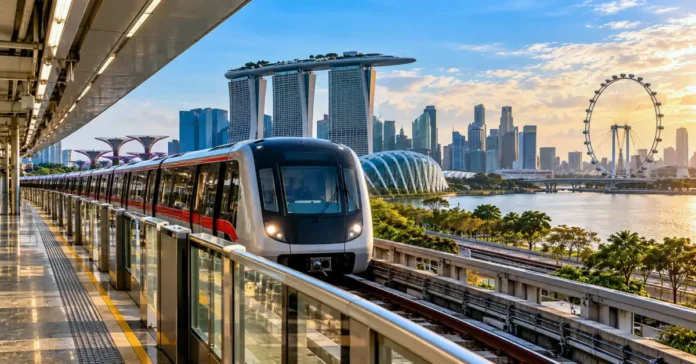
Stepping into Singapore’s Mass Rapid Transit network feels like entering one of the cleanest, smoothest transit systems on the planet. That spotless reputation stays intact because authorities enforce strict statutory transit laws from the exact second you tap past the fare gates. A casual sip of bottled water or an innocent bag of snacks can suddenly hit your wallet with a hefty penalty if you misunderstand how these rules work.
Regulation 14 Explained
Singapore’s transit rules are not polite suggestions printed on posters to make riders feel guilty. They are legal statutes passed by Parliament under the Rapid Transit Systems Regulations, which operate beneath the primary Rapid Transit Systems Act.
The heart of the eating and drinking ban lives inside Regulation 14. This statute explicitly states that no person shall:
- Consume or attempt to consume any food or drinks while in or upon any part of the railway premises that is not designated as an eating area.
- Have in their possession any food or drinks unless they are securely wrapped, packed, or sealed inside a container that prevents spills or crumbs from falling onto railway premises.
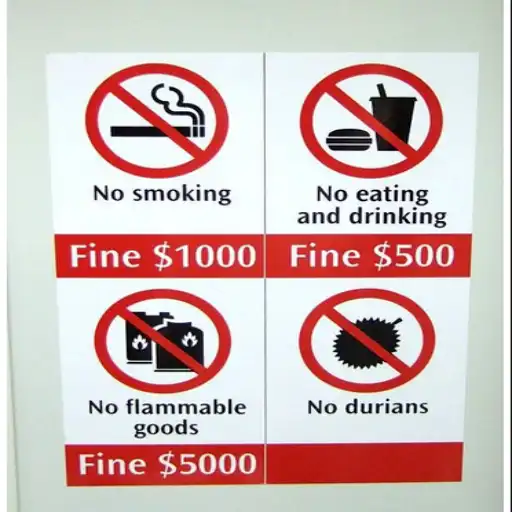
What happens if an officer spots you taking a bite of a curry puff or holding an open cup of bubble tea? Under the Schedule of Penalties attached to the regulations, violating Regulation 14 carries a composition sum better known as a singapore mrt $500 fine.
Notice the word attempt in the statute. Merely unwrapping a candy bar or breaking the plastic seal on a canned beverage while standing on an underground platform technically constitutes an attempt to consume. The law gives enforcement officers full authority to intervene before the food even touches your lips.
Zero tolerance ban: plain water, mints, and gum
Visitors frequently assume the rules only target greasy takeaway meals, bubbling sodas, or sticky snacks. Surely taking a quick sip of plain water in tropical heat cannot hurt anyone, right?
Think again. Can you drink water on singapore mrt? The short answer is an absolute no.
Under official enforcement standards maintained by the Land Transport Authority (LTA) and rail operators SMRT and SBS Transit, water is treated exactly like soda, iced coffee, or soup. The rationale boils down to passenger safety and system maintenance:
- Spilled plain water turns polished granite station tiles and smooth train floorings into dangerous slip hazards, especially during rush-hour stampedes.
- Liquid puddles that seep into train door tracks or floor seams can short-circuit delicate electronic cabling underneath the carriages.
- Banning all liquids creates an unmistakable, zero-ambiguity rule that station officers can enforce without testing what liquid sits inside your reusable flask.
What about popping a breath mint or throat lozenge? Popping a lozenge or cough drop inside the train cabin still counts as consuming food. While a lone commuter discreetly slipping a throat lozenge into their mouth rarely triggers an immediate confrontation, doing so openly remains a technical infraction.
Chewing gum faces an even stricter boundary. Singapore famously banned the import and retail sale of chewing gum back in 1992 under the Control of Manufacture Act. Chewing gum on an MRT platform or train violates Regulation 14. If someone spits gum onto the platform floor or plasters it over train door sensors, the offense escalates under Regulation 15 (prohibiting spitting, littering, and soiling railway property), which carries statutory penalties climbing all the way to $5,000 upon conviction.
Infant feeding and baby bottles
Traveling parents often ask whether infants get a legal hall pass. Can you bottle-feed a crying baby or soothe a hungry toddler with milk while riding the train?
Strictly speaking, the written text of Regulation 14 does not contain an automatic statutory exemption for infant formula or baby food. Train captains and station inspectors know that formula spills create foul smells and sticky floor patches just like any other dairy drink.
However, Singaporean station staff apply pragmatic human judgment rather than blind robotic force:
- Station personnel will almost never pounce on an exhausted mother holding a crying newborn with a milk bottle inside a moving carriage.
- If staff see you feeding a toddler biscuits, crackers, or purees on the platform, they will usually approach and politely request that you put the food away immediately.
- When your child desperately needs feeding, step off the train at the next stop and head straight to the Passenger Service Centre.
Virtually all major interchange stations and newer MRT stations along the Thomson-East Coast, Downtown, and Circle Lines feature dedicated nursing rooms. These climate-controlled rooms provide hot water dispensers, comfortable nursing armchairs, diaper-changing tables, and electrical outlets. Using these clean, designated facilities keeps your baby calm and protects you from uncomfortable interactions with transit enforcement.
Where does the paid area begin?
Many commuters wonder where this legal umbrella actually starts. Can you finish your iced coffee while walking down the station stairs? Can you munch on a pastry near the ticketing machines?
The legal boundary hinges on the fare-gate threshold:
- The Unpaid Area: The station concourse located outside the fare gates — where automated ticket machines, retail shops, bakeries, and convenience stores operate — is generally considered unpaid territory. you can freely eat buns purchased from station bakeries or sip drinks while walking through these commerciel retail alleys, provided you dispose of your trash properly.
- The Paid Area: The moment your EZ-Link card, SimplyGo Mastercard, or phone taps the sensor and the fare gates slide open, you cross into the designated railway zone. From that yellow floor line onward — including all escalators, underground walkways, lift lobbies, platform benches, and the train cabins themselves — the eating and drinking prohibition takes immediate legal effect.
If you are carrying takeout dinner or groceries, you do not have to leave them behind. You can transport boxed meals, takeout coffee cups, and bubble tea through the paid zone, provided the items remain securely sealed inside carriers, sealed cups with unbroken plastic film, or closed bags. Holding an open cup with a straw poked through the lid invites immediate scrutiny from station marshals.
Eyes everywhere: CCTV coverage and TransCom patrols
Do people really get caught for taking a swallow of water, or is the $500 penalty just an empty scare tactic? Enforcement in Singapore is remarkably efficient, organized, and vigilant.
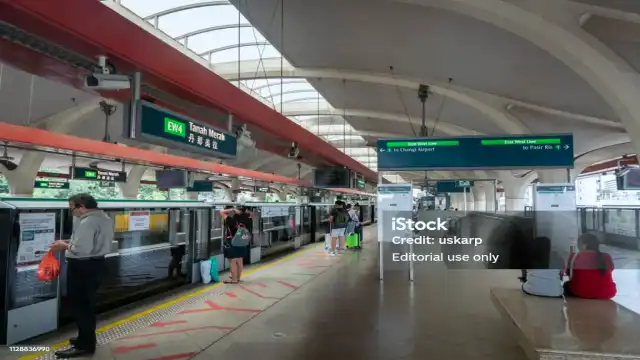
Station platforms and train cars are blanketed with high-resolution closed-circuit cameras. Operators sitting inside the Station Control Room monitor live platform feeds around the clock. If an operator spots someone setting up a picnic on a bench or repeatedly drinking from a bottle, they will broadcast a direct PA announcement over the platform speakers or dispatch a roving station officer to intervene.
Physical enforcement falls into two distinct categories:
- SMRT and SBS Transit Station Staff: Station managers and customer service ambassadors patrol platforms during operating hours. They have the legal standing to check tickets, inspect suspicious packages, and issue formal warning notices to violators.
- TransCom (Public Transport Security Command): TransCom is a specialized division of the Singapore Police Force. Uniformed officers carrying sidearms patrol MRT interchanges, platforms, and train cars in pairs or squads. They regularly conduct random identity checks, screen baggage, and assist transit inspectors in handling stubborn or uncooperative offenders.
Beyond official cameras, you must account for fellow commuters. Singapore has a strong culture of social accountability. Commuters will not hesitate to point out the rules to someone openly eating on a train, and incidents of brazen rule-breaking often end up recorded on mobile phones and circulated across local social community groups within hours.
How rules apply on the road
Does the same legal machinery apply when you step off the train and hop onto a public double-decker bus?

Public buses operate under a slightly different administrative framework known as the Conditions of Carriage for Public Buses, supervised directly by the Land Transport Authority.
Key details define bus rules:
- Eating and drinking remain strictly prohibited across all public bus services.
- Bus captains hold legal authority under the carriage conditions to refuse boarding to anyone holding open food or drink containers.
- Drivers can halt the vehicle, order a passenger to stop consuming food immediately, or eject uncooperative passengers from the bus without a fare refund.
- Expanded regulations governing public transport decorum empower authorized personnel to penalize passengers up to $500 for disruptive behavior, blasting loud music on personal speakers, or resting dirty footwear on seats.
While bus drivers focus heavily on navigating city traffic and cannot watch every passenger upstairs on a double-decker bus, onboard cameras record every row. If your spilled beverage stains seat upholstery or causes another rider to slip, the bus captain will radio the control center, and you may find transit officers waiting at the next interchange.
Other heavy transit fines you need to know
Eating and drinking represent just one portion of the MRT rulebook. If you want to keep your journey completely trouble-free, keep these additional statutory violations in mind:
- Smoking Anywhere on Transit Grounds: Smoking, including the use of electronic vaporizers (vapes), is strictly banned inside stations, on platforms, and under all covered overhead station walkways. Under Regulation 6, smoking carries a statutory fine of up to $1,000. Remember that possessing or using vapes anywhere in Singapore is illegal under the Tobacco (Control of Advertisements and Sale) Act, carrying hefty standalone police fines.
- Bringing Flammable Goods: Carrying flammable liquids, gas canisters, paint thinner, fireworks, or uninspected fuel onto transit premises violates Regulation 9 and triggers a crushing fine of up to $5,000.
- The Famous Durian Prohibition: Walk past any station entry point and you will spot a distinct circular sign showing the thorny durian fruit crossed out with a bold red slash. Durians emit a pungent, lingering aroma that easily permeates air-conditioning ducts in underground tunnels. While durians do not carry an explicit standalone dollar fine under Regulation 14, station marshals will flatly refuse entry to anyone attempting to carry them past the turnstiles.
- Interfering with Train Doors: Forcing open automated train doors or obstructing platform screen doors violates Regulation 26 and carries fines up to $1,000. The doors will not gently bounce open like elevator doors; shoving them causes safety interlocks to trip, halting the train and delaying thousands of commuters behind you.
- Misusing Emergency Devices: Smashing emergency stop buttons or pulling safety levers on escalators or train tracks without a genuine life-safety emergency violates Regulation 25, drawing penalties up to $5,000.
What to do if you accidentally breach station rules
Suppose you absentmindedly took a sip from your thermal water bottle on a hot afternoon, and a transit officer taps your shoulder. What should you do next?
Panicking or arguing will turn a minor misstep into a serious legal confrontation. Follow this practical, step-by-step action plan:
- Cease the Action Immediately: Cap your water bottle, seal the snack, and pack it completely away inside your bag without offering excuses.
- Remain Calm, Courteous, and Cooperative: Never raise your voice, touch the officer, or walk away. Officers possess legal authority under the Rapid Transit Systems Act to detain uncooperative individuals until the police arrive.
- Produce Your Identification: You must produce your NRIC, Employment Pass, student pass, or foreign passport upon request. Failing or refusing to provide your personal particulars constitutes a separate criminal offense under transit legislation.
- Explain Legitimate Medical Context: If you took a sip of water or ate a hard candy because you felt faint, have diabetes, or needed to swallow prescribed heart medication, explain this calmly. Authorized officers possess discretionary leeway. For minor, accidental first-time slips where medical necessity is evident, officers frequently issue a verbal caution or a written warning advisory rather than a financial penalty.
- Handling a Notice of Offence: If the officer decides to proceed with formal enforcement, they will issue a physical or digital document titled a Notice of Offence. This notice details the exact regulation breached, your personal information, and a designated composition fine amount (typically between $30 to $500 depending on the severity of the act and prior history).
- Submitting an Official Appeal: You are given a specific window (usually 14 days) to pay the compound fine via AXS stations or the official LTA payment portal. If you had an undeniable medical emergency, you can lodge an appeal directly through the LTA feedback and appeals portal. Provide clear evidence: a certified medical memo from your doctor, clinic receipts, or proof of a chronic condition that necessitated immediate hydration or sugar intake. LTA reviews appeals on a case-by-case basis and will waive fines for verified emergency circumstances.
Practical commuter habits for everyday ease
Surviving Singapore’s transit rules without stress does not require deep legal expertise. Adopting a few simple commuter habits keeps every journey painless:
- Hydrate before the turnstile: Take your long, cold drinks while standing in the unpaid concourse area right outside the fare gates. Finish your drink, toss empty disposable cups into the recycling bins, and tap in with empty hands.
- Use spill-proof bags: If you pick up hot meals from a hawker centre or buy bubble tea for dinner, ask the vendor for a sturdy plastic takeaway bag. Tie the handles securely before you descend the escalator to show station staff that your food is sealed for transport.
- Take advantage of nursing pods: Download the local transit map or check station directories near the Passenger Service Centre to locate family-friendly care rooms instead of trying to juggle feedings inside crowded trains.
- Keep emergency lozenges discreet: If you suffer from a persistent dry cough during your trip, suck on a lozenge before passing the gates, or step off the train onto an open platform to address the coughing fit safely.
Singapore’s transit network stays clean, safe, and whisper-quiet because commuters uphold these basic shared standards every day. Treat the fare line as a clear physical boundary, stow your snacks away, and you will glide across the Lion City without a hitch.

