

Passover Plagues Through the Ages: How Jewish Communities Interpret and Reenact the Exodus Miracles
Let’s dive into the Passover Seder. It’s a meal packed with ritual, symbolism, and a story that’s been told for over 3,000 years. We eat the matzah (cracker-like bread of affliction), the maror (bitter herbs of slavery), and we lean back like free people. It’s a story of liberation.
But then we get to a dark and uncomfortable part of the tale: the Ten Plagues. Blood. Frogs. Lice. Boils. A list of horrors God inflicted upon the Egyptians to secure the Israelites’ freedom. How do you commemorate that? Do you just read the list and move on?
Not even close.
The way Jewish communities around the world interpret and reenact the plagues is one of the most fascinating and diverse parts of the Seder. It’s a masterclass in making history feel immediate. This isn’t just about remembering; it’s about re-living. And how you do it says everything about your ancestors, your culture, and what you believe the story is truly about.
The Core Ritual: Why We Spill Our Wine
Let’s start with the tradition most people in the West are familiar with, common in Ashkenazi (Central and Eastern European) homes. When reciting the Ten Plagues, we diminish the wine in our cups.
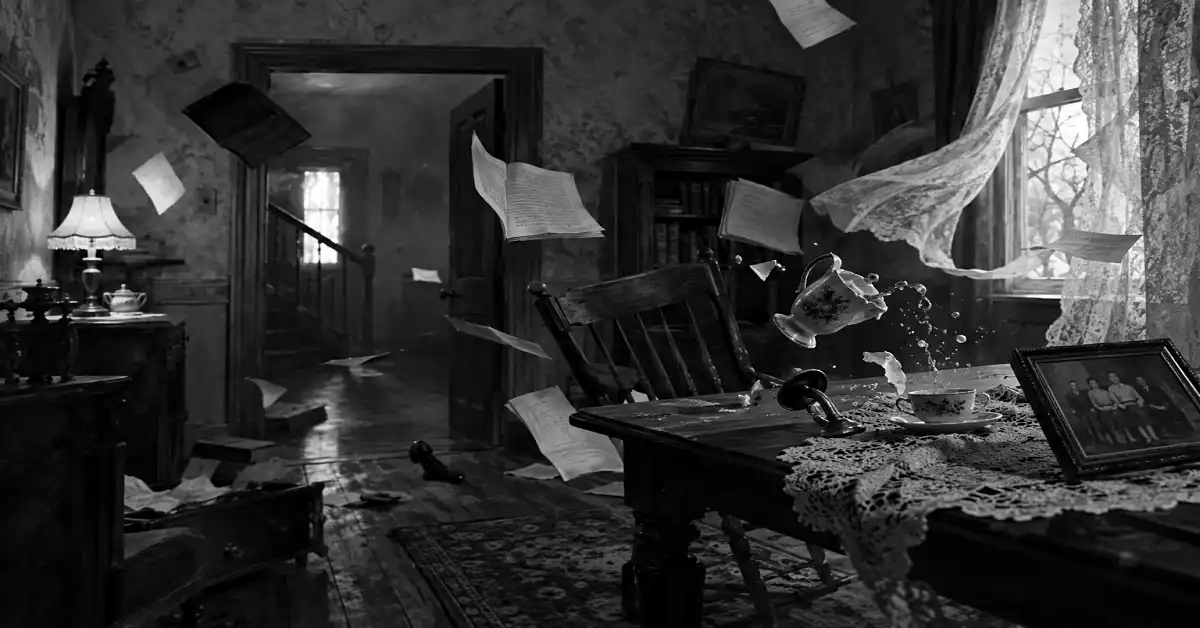
There are two main ways this is done:
- Dipping a finger: You dip your pinky finger into your cup of wine or grape juice and place a drop on your plate for each plague.
- Spilling from the cup: You pour a small amount of wine out of your cup for each plague.
But why do we do this? What’s the point? This is where the beauty of interpretation comes in. There are two main explanations, and they reveal two very different ways of thinking.
- Explanation 1: Diminishing Our Joy. This is the most common answer you’ll hear. The Seder is a joyous celebration of freedom, symbolized by the full cup of wine. But our joy cannot be complete when we recall the suffering of the Egyptians. Even though they were our oppressors, they were still human beings, children of God. So, we symbolically remove a drop of our joy for each plague, acknowledging the tragic cost of our liberation. It’s a profound lesson in empathy.
- Explanation 2: Warding Off Evil. This interpretation is older, with roots in folklore and mysticism. In this view, the plagues are not just historical events; they represent destructive, demonic forces. By “spilling” the plagues out of our cups, we are performing a symbolic act of purification. We are casting out these negative powers from our homes and our lives, ensuring they don’t harm us. It’s less about empathy and more about spiritual self-defense.
Right there, in one simple act, you have the entire tension of the Seder: the joy of freedom wrestling with the sorrow of its cost.
A Journey Through the Plagues: Traditions from Around the World
This is where it gets really cool. If you think dipping a finger is the only way, buckle up. Jewish communities from North Africa, the Middle East, and beyond have developed far more theatrical and visceral ways to bring the plagues to life.
Sephardic & Mizrahi Theatrics: Making It Real
For many Sephardic (from Spain and the diaspora) and Mizrahi (from the Middle East and North Africa) Jews, the plagues are a moment for high drama.
In many homes from Egypt, Morocco, and Iraq, the head of the household doesn’t just recite the plagues; they act them out. They fill a large bowl with water. When they say Dam (Blood), they pour in some red wine or vinegar. When they say Tzfardei’a (Frogs), they might make hopping motions with their hands. It’s loud, it’s messy, and it’s unforgettable—especially for kids.
The goal is to fulfill the central commandment of the Seder: “V’higadta l’vincha“—”And you shall tell your child.” How do you get a kid to listen to a long story? You make it interesting. You make them ask, “Why are you doing that?”
Persian Precision: Casting Out the Evil
Iranian (Persian) Jews take the “warding off evil” interpretation to another level. They also remove wine from their cups, but they do so with incredible intention.
The wine drops for the plagues are collected in a separate, designated bowl—a “plague bowl.” This wine is now considered tainted, filled with the essence of the plagues. At the end of the Seder, the head of the household takes this bowl outside and disposes of the contents in a place where people won’t walk, like the corner of the yard. As they pour it out, they might recite a phrase to ensure the plagues are cast out from their home and family for good. It’s a powerful and deliberate ritual of spiritual cleansing.
Tunisian Tales: The Fish of Protection
Here’s a beautiful custom from the Jews of Tunisia. They place a small, whole fish on a separate plate as part of the Seder table. During the recitation of the plagues, this plate is passed over the heads of the children.
What’s the meaning? The fish, living in water, was immune to many of the plagues that struck the land. It represents life and divine protection. Passing it over the children’s heads is a living prayer, a physical gesture meant to shield them from harm and surround them with life, even as the story recounts death and destruction.
Ethiopian (Beta Israel) Rupture: A Clean Break
The traditions of Beta Israel, the Jewish community of Ethiopia, offer a different lens. Their practices developed for centuries in isolation from the rabbinic world, so their observance of Passover (called Pasika) has unique features.
While they have now largely adopted the mainstream Seder, their historical approach to the holiday embodies a powerful physical reenactment of liberation. One of their core traditions was to smash all their earthenware pottery the day before Passover.
Why? It symbolized a complete and total break from the past year. Just as their ancestors left Egypt with nothing but what they could carry, they would start anew with fresh dishes. It’s a radical act of spring cleaning, a tangible way of saying, “We are leaving the old world behind and entering a new state of freedom.” It’s a powerful metaphor for renewal that other communities capture in words, but that the Beta Israel community enacted with their hands.
Modern Plagues: Bringing the Story into the 21st Century
The beauty of these rituals is that they are alive. In many modern, progressive Jewish communities, the list of ten plagues is no longer seen as static. People have started adding to it to connect the ancient story to modern struggles for freedom.
During the Seder, after reciting the ten biblical plagues, many families will add ten “modern plagues,” removing a drop of wine for each:
- Racism
- Homelessness
- Climate change
- Sexism
- Gun violence
- Misinformation
- Poverty
- Indifference to the plight of refugees
This practice transforms the Seder from a historical reenactment into a call to action. It forces participants to ask: What are the “plagues” afflicting our world today? And what is our responsibility to fight them? Organizations like HIAS (the Hebrew Immigrant Aid Society) often publish supplemental readings for Seders that directly connect the Exodus story to the global refugee crisis.
Conclusion
From a simple drop of wine to a bowl of tainted vinegar, from a protective fish to the shattering of pottery, the ways Jews commemorate the plagues are a testament to the power of ritual.
These traditions do more than just mark a passage in a book. They force us to engage with the story on a sensory level. They make us feel the discomfort, acknowledge the moral complexity, and celebrate the miracle of freedom with our whole bodies. They ensure that the story of the Exodus is never just a story. It’s an experience.
Does your family have a unique tradition for a holiday that makes it come alive? Share it in the comments below.

