

Censors vs. Directors: 5 Films That Were Banned Only in Their Home Country
Imagine pouring your soul into a piece of art, a story you believe needs to be told. You create a film that speaks a truth—your truth. Now, imagine the only people in the world who aren’t allowed to see it are your own people.
It’s a bizarre and cruel irony.
While most of us think of film censorship as a universal ban, some of the most powerful movies in history faced a strange fate: they were celebrated at international festivals like Cannes and Venice, lauded by critics, and watched by audiences worldwide, all while being locked away in their home country.
This isn’t just about movies being “too controversial.” This is about governments and censors being so terrified of a story that they try to make it disappear from the place it matters most. It’s a battle between the artist’s voice and the state’s power.
look at five incredible films that became global sensations while being treated as criminals at home.
1. The Great Dictator (1940, Germany)
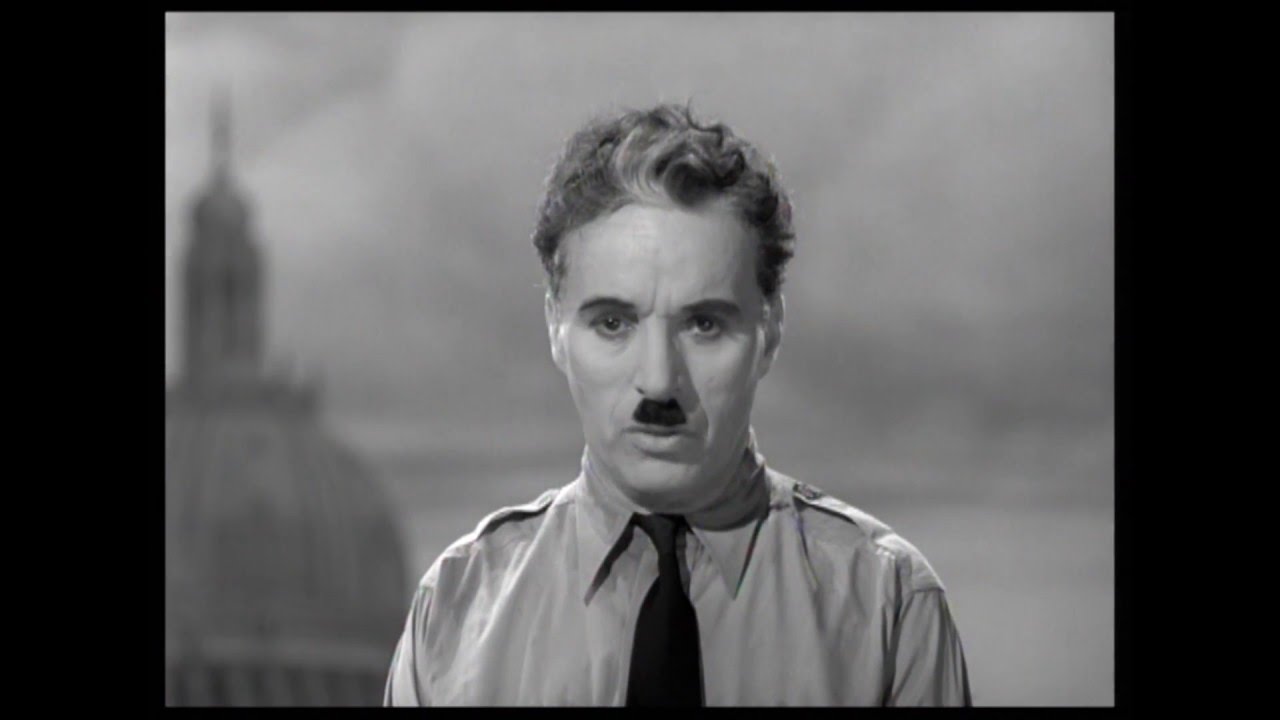
The Film: Charlie Chaplin’s first true “talkie” is a masterpiece of political satire. Chaplin, in a dual role, plays both a humble Jewish barber and Adenoid Hynkel, the ruthless, buffoonish dictator of Tomainia—a thinly veiled, savage parody of Adolf Hitler. The film mocks the absurdity of fascism, anti-Semitism, and nationalist fervor.
Why It Was Banned at Home: This one’s a bit of a trick question, but it fits the spirit perfectly. The film was made in the USA, but it was about Germany, and Hitler himself banned it. He considered it a personal insult, a piece of Jewish propaganda (despite Chaplin not being Jewish). The idea of his carefully crafted image of terror and power being reduced to a bumbling, speech-garbling clown was intolerable.
The Bizarre Irony: While the film was banned across all of Nazi-occupied Europe, historical accounts suggest that Hitler, out of some morbid curiosity, obtained a copy and screened it privately. Not just once, but twice. No one knows what he thought, but the image of the world’s most feared dictator watching himself be ridiculed by the world’s greatest comedian is a story for the ages.
Its Global Journey: Elsewhere, The Great Dictator was a phenomenon. It was a brave and defiant act, released before the U.S. had even entered World War II. It became Chaplin’s most commercially successful film, and its final speech—a passionate plea for humanity, democracy, and kindness—remains one of the most powerful monologues in cinema history. It was a global rallying cry against a tyranny that couldn’t bear to look at its own reflection in the mirror.
2. Battleship Potemkin (1925, Soviet Union… eventually)
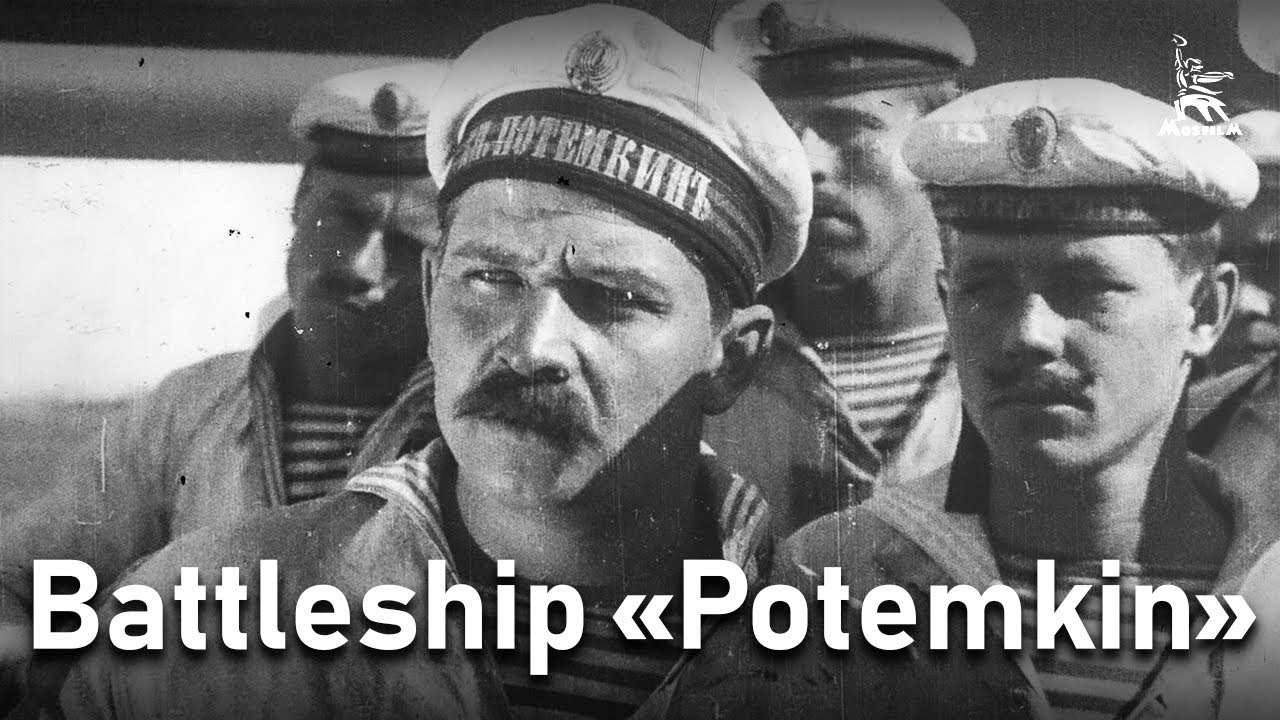
The Film: Directed by Sergei Eisenstein, this is one of the most influential films ever made. It’s a revolutionary propaganda piece dramatizing a 1905 naval mutiny against the Tsarist regime. The film is famous for its pioneering use of montage—a style of rapid-fire editing designed to create a powerful emotional and intellectual response. The “Odessa Steps” sequence, depicting a massacre of unarmed civilians, is iconic and has been referenced in countless films since.
Why It Was Banned at Home: Here’s where the story gets twisted. The film was initially commissioned and celebrated by the Soviet Union as a glorious tribute to the revolutionary spirit. However, as Joseph Stalin’s power grew and his regime became more paranoid and oppressive, the film’s message of rebellion became a threat. It celebrated an uprising against authority—any authority. By the 1930s, Stalinist censors feared it could inspire dissent against their own government. The film was heavily re-edited, and for a time, possessing an original cut was dangerous.
Its Global Journey: Internationally, Battleship Potemkin was a revelation. It was hailed as a groundbreaking work of art. But its power was so palpable that it terrified other governments, too. It was banned in the UK, France, and even parts of the US for fear that it would incite riots and communist uprisings. It was a film so effective at its job—promoting revolution—that it became a pariah in both capitalist and, eventually, the very communist state that created it. It was a cinematic hot potato, a testament to the raw power of images.
3. A Clockwork Orange (1971, United Kingdom)
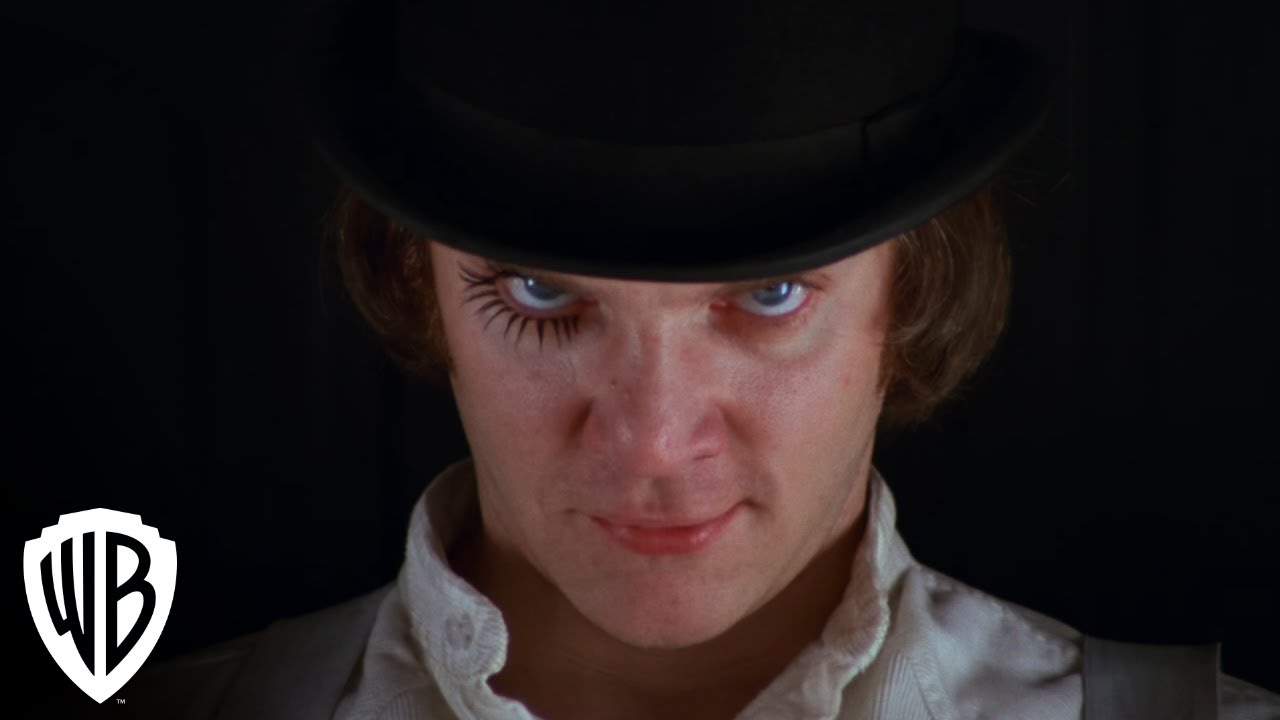
The Film: Stanley Kubrick’s dystopian masterpiece, based on Anthony Burgess’s novel, is a disturbing exploration of free will. It follows Alex DeLarge, a charismatic and ultraviolent youth who, after being arrested, is subjected to an experimental aversion therapy called the “Ludovico Technique” that renders him incapable of violence, or even of defending himself.
Why It Was Banned at Home: This is one of the strangest cases in censorship history because the film wasn’t banned by the government—it was banned by its own director. After its release in the UK, the film was accused of inspiring copycat crimes. The media frenzy became so intense that Kubrick and his family received death threats.
Fearing for his family’s safety and deeply disturbed by the public’s misinterpretation of his work, Kubrick used his directorial power to withdraw the film from British distribution in 1973. It remained unseen in the UK, legally, until after his death in 1999.
Its Global Journey: While Brits were unable to see it, the rest of the world could. In the United States, it was nominated for four Academy Awards, including Best Picture and Best Director. It was hailed as a brilliant, if challenging, piece of cinema, sparking intense philosophical debates about morality, crime, and the state’s right to control human nature. For 27 years, one of the most important British films ever made was celebrated everywhere except Britain, locked away by the very man who created it.
4. The Circle (Dayereh) (2000, Iran)
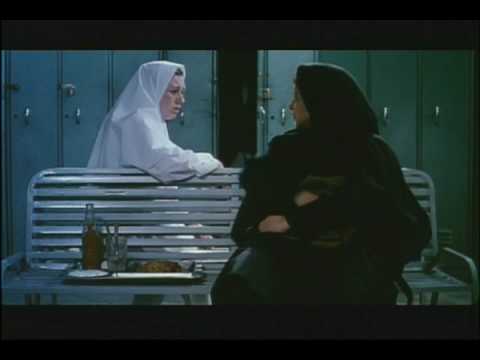
The Film: Directed by the brilliant Jafar Panahi (who has faced decades of persecution from the Iranian government), The Circle is a devastating look at the lives of women in modern Iran. The film follows several women, some of whom have just escaped from prison, as they navigate a society where their freedom is severely restricted. Without a male guardian, they can’t travel, get a hotel room, or even smoke in public without fear of arrest. The film is shot in a stark, neorealist style, making the oppression feel immediate and suffocating.

Why It Was Banned at Home: The Iranian government banned the film for its “dark and insulting” portrayal of Iranian society. It exposed the systemic misogyny and the hopeless, circular logic of the country’s patriarchal laws. The film dared to show the unvarnished reality for women whose lives are not their own. For the regime, this honesty was an act of profound dissent.
Its Global Journey: Panahi smuggled a print of the film out of the country, and its reception was electric. It premiered at the Venice Film Festival, where it won the Golden Lion, the festival’s highest honor. Critics around the world praised it as a courageous, masterfully crafted work of art. It was Iran’s official submission for the Best Foreign Language Film at the Academy Awards (though it wasn’t nominated). The film gave a voice to the voiceless on a global stage, turning the regime’s attempt at suppression into a worldwide announcement of its injustices. Panahi has since been repeatedly arrested and banned from filmmaking, but he continues to create in secret—a true artistic rebel.
5. Parzania (2007, India – Specifically Gujarat)
The Film: This Indian drama is based on the true story of a 10-year-old Parsi boy, Azhar Mody, who disappeared during the 2002 religious riots in Gujarat, India. The film follows the heartbreaking journey of his family as they search for him, set against the backdrop of horrific communal violence. It’s a powerful and deeply human story about loss and the devastating consequences of religious hatred.
Why It Was Banned at Home: While the film was cleared by the Central Board of Film Certification for all of India, it was subjected to an unofficial, “shadow” ban in the state where the events took place: Gujarat. At the time, the state government was led by Narendra Modi, who is now the Prime Minister of India. Cinema owners and distributors in Gujarat faced threats of violence and vandalism from Hindu nationalist groups if they dared to screen the film. They feared riots and damage to their properties, so they simply didn’t show it. The government did nothing to ensure the film’s safe exhibition.
Its Global Journey: The film was screened at film festivals around the world. It was acclaimed for its sensitive handling of a brutal subject and its call for peace and accountability. The film’s director, Rahul Dholakia, won India’s prestigious National Film Award for Best Direction. Yet, the people of Gujarat, the very community whose story it told, were prevented from seeing it. It was a chilling example of how censorship can be enforced not by official decree, but by an atmosphere of intimidation and fear.
What do you think? Do you know of any other films that faced this strange fate? Does banning a film in its home country only make its message more powerful? Let us know in the comments below!

