

Hosting Thanksgiving. It’s the Super Bowl of home cooking. You’re not just a cook; you’re a project manager, a diplomat, a bouncer, and a sanitation expert, all while trying to make sure 12 pounds of poultry doesn’t taste like sawdust.
We all focus on the flavor. The brining, the basting, the perfect flaky crust. But here’s the real-talk: Your number one job as the host isn’t to make a memorable meal. It’s to make sure no one gets sick or ends up in the ER.
A dry turkey is a bummer. A salmonella-laced turkey is a lawsuit.
Thanksgiving is, statistically, a high-risk day for two very specific things: foodborne illness and kitchen fires. But don’t panic. You’re not just a host; you’re the kitchen MVP. You got this. We’re going to walk through the non-negotiable, dead-simple rules for making sure your holiday is memorable for the right reasons.
1. The Great Thaw: This Is Where It All Goes Wrong

This is it. The single biggest mistake people make. You pull a 20-pound frozen brick from the freezer on Wednesday night, stick it on the counter, and hope for the best.
Stop. Do not do this.
Your kitchen counter is bacterial nightmare fuel. The USDA calls the temperature range between 40°F and 140°F (4°C – 60°C) the “Danger Zone.” This is the mosh-pit where bacteria like salmonella and E. coli multiply at terrifying speeds. When you leave a turkey on the counter, the outside thaws first, entering the Danger Zone while the inside is still an ice cube. By the time the center is thawed, the outside has been a bacterial frat party for 12 hours.
Here are the only three safe ways to thaw your bird, according to the U.S. Department of Agriculture (USDA):

- In the Refrigerator (The Best Way): This is the slowest, safest, and easiest method. Just put the frozen turkey (in its wrapper) on a rimmed baking sheet (to catch drips) on the bottom shelf of your fridge.
- The Math: Allow one full day (24 hours) for every 4 to 5 pounds of turkey. A 20-pound bird needs 4-5 days. Yes, you read that right.
- In Cold Water (The “Oh Crap, I Forgot” Way): This is faster, but it’s work. Put the turkey in a leak-proof plastic bag. Submerge it in a sink full of cold tap water.
- The Rule: You must change the water every 30 minutes. This keeps the water cold enough to prevent bacteria growth. Allow about 30 minutes per pound.
- In the Microwave (The “I Panic-Bought This 2 Hours Ago” Way): Check your microwave’s manual. This is a last resort. You must cook the turkey immediately after it’s thawed because the microwave will have created hot spots that are already in the “Danger Zone.”
2. The 165°F Rule Is Not a Suggestion. It’s a Law.
Forget every piece of folk wisdom you’ve ever heard.
- “The juices should run clear.” (Nope. Unreliable.)
- “The little red pop-up timer.” (Garbage. They are notoriously inaccurate and often pop after the breast is already dry.)
- “Just cook it for 20 minutes per pound.” (A blind guess at best.)
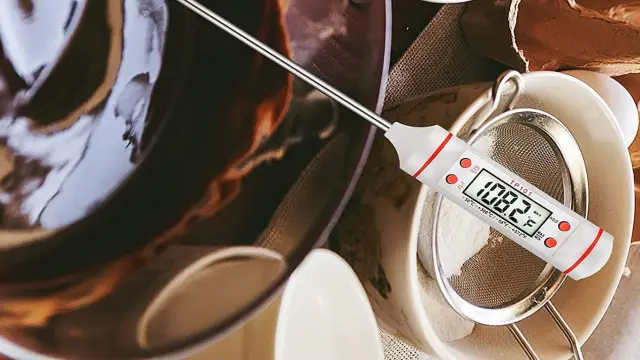
There is one way, and only one way, to know your turkey is safe to eat: A food thermometer.
This is your single most important tool. A good instant-read digital thermometer is a $20 investment that separates a great cook from a lucky one.
The magic number, according to the Centers for Disease Control and Prevention (CDC), is 165°F (74°C).
This isn’t the temperature of the oven. This is the internal temperature of the bird. You must check it in three specific places:
- The thickest part of the breast
- The innermost part of the thigh
- The innermost part of the wing
In all three places, the thermometer must read 165°F. If it doesn’t, put it back in the oven. This temperature is the kill-shot for bacteria like Salmonella.
A Note on Stuffing: If you cook your stuffing inside the bird, the center of that stuffing also must reach 165°F. This is almost impossible to do without turning your turkey breast into jerky. The safest (and best) way? Cook your stuffing in a separate casserole dish.
3. Your Kitchen Is a Contamination Zone (Act Like It)
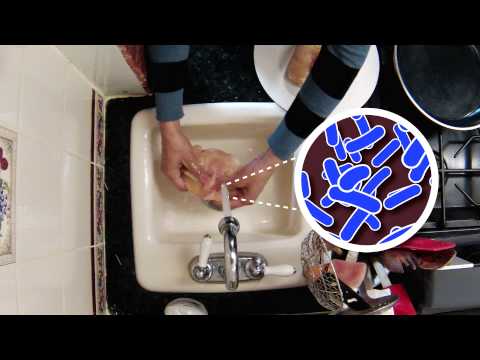
That raw turkey? It’s a biohazard. Assume it, and its juices, are covered in bacteria. The CDC explicitly advises against washing your raw turkey.

Why? You are not “cleaning” it. You are aerosolizing bacteria. You’re giving that salmonella a spa-day mist, splattering it all over your sink, your counters, your cutting board, your clean dish towel.
The only thing that kills the bacteria is heat (see Tip #2). All you’re doing by washing it is cross-contaminating your entire kitchen.
This is your new mantra: Separate and Sanitize.
- Separate: Use different cutting boards. One plastic, color-coded board for raw meat. A completely separate wood or plastic board for your vegetables. Never, ever, let that onion for your salad touch the board you just used for the turkey.
- Sanitize: Wash your hands. Wash them with soap and warm water for 20 seconds every single time you touch the raw bird. Wash any knives, platters, or counters that the raw turkey touched with hot, soapy water.
4. The 2-Hour Rule for Leftovers Is Not a Joke
The “Danger Zone” (40°F – 140°F) applies after cooking, too. Once the food is on the table, you have a two-hour window.
You have 2 hours, max.
After two hours at room temperature, that food is no longer safe. Bacteria are multiplying, and they’re creating toxins that reheating can’t kill. This is how you get food poisoning the next day.
- Set a timer when the food comes out.
- Get those leftovers into shallow containers (to help them cool faster) and into the fridge promptly.
- Tell Uncle Frank he can’t “graze” for the next four hours. The buffet is closed.
5. Don’t Deep-Fry Your House (A Turkey Fryer PSA)
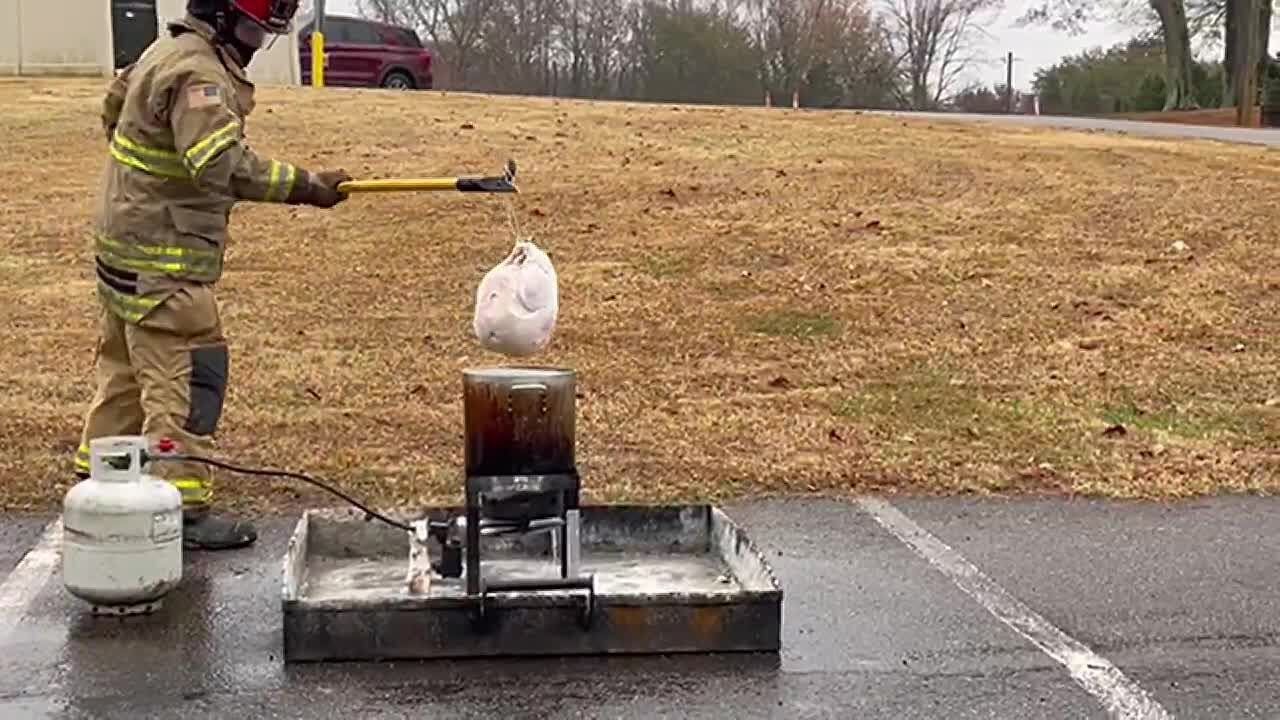
Every year, we see the videos. The garage erupting in a 20-foot fireball. The siding melting off the house.
Turkey fryers are unbelievably dangerous. The National Fire Protection Association (NFPA) has famously refused to certify any turkey fryer, stating they are not safe for home use. But if you are going to ignore that (and let’s be real, you are), you must follow these rules.

This isn’t a joke. This is how you avoid burning your home to the ground.
- NEVER Use It Inside. Not in the garage, not on a covered patio, not in a breezeway. It must be outside, on a level, non-flammable surface (like concrete), at least 10 feet away from your house, your deck, and any trees.
- NEVER Overfill the Oil. This is the #1 cause of fires. To find the right oil level:
- Put the thawed, dry turkey in the empty fryer pot.
- Fill the pot with water until it’s about an inch above the turkey.
- Take the turkey out.
- Mark that water line. That is your max-fill line for the oil.
- NEVER Put a Frozen Bird in Hot Oil. Ever. Not even a “partially frozen” one. The ice will instantly vaporize, causing a steam explosion that sends 350°F oil everywhere. The bird must be completely thawed and bone-dry.
- NEVER Walk Away. This is not a “set it and forget it” operation. Have a fire extinguisher rated for grease fires (Class B or K) right next to you. Do not use water; you’ll make it explode.
6. Be an Allergy Ally (Not an Ambulance-Caller)
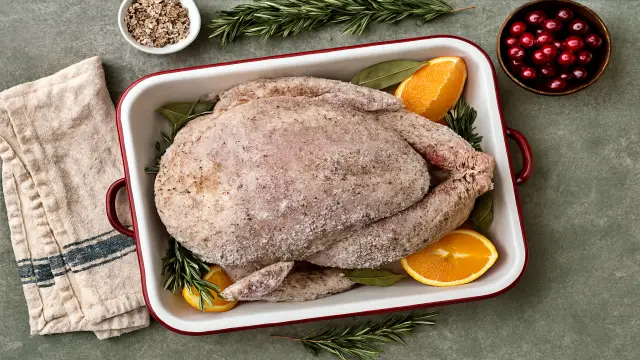
Your job as host includes knowing what could kill your guests. Food allergies are not “preferences”; they are serious, life-threatening medical conditions.
- Ask Guests in Advance: When you invite people, ask a simple question: “Hey, just checking—are there any food allergies or dietary restrictions I should know about for Thanksgiving?”
- Prevent Cross-Contact: This is different from cross-contamination. If your niece has a severe nut allergy, you can’t just “pick the pecans off” the sweet potatoes. The residual protein is enough to cause a reaction.
- Use completely separate utensils, bowls, and cutting boards for allergy-safe dishes.
- Cook the allergy-safe dish first.
- Wipe down counters before you start.
- Label Everything: Get some little cards and pens. Label the dishes. “Green Bean Casserole (contains nuts).” “Mashed Potatoes (contains dairy).” Your guests with allergies will be profoundly grateful.
7. Keep Your Pets (and Small Kids) Safe
![[THANKSGIVING] Be SAFE with Dogs this Thanksgiving | Good Dog In A Box (2019)](https://www.gsnsp.com/wp-content/cache/flying-press/bbffc21ddd383438c240eb0d23c8f0b1.jpg)
The kitchen is a warzone on Thanksgiving. It’s not a place for kids or pets.
- For Pets: Remind your guests not to feed the dog. Cooked turkey/chicken bones can splinter and perforate their intestines. Onions, garlic, raisins, grapes, and chocolate are all toxic to dogs. Xylitol, an artificial sweetener found in some “sugar-free” baked goods, is extremely lethal. Keep them out of the kitchen and away from the trash.
- For Kids: The main dangers are burns and choking.
- Burns: Keep pot handles turned in on the stove, so a small child can’t grab them. Keep hot drinks and dishes away from the edges of tables.
- Choking: Grapes, hard candies, and nuts are all perfect choking-sized hazards for toddlers. Keep them out of reach.
8. The Kitchen Is a Combat Zone: Have a First-Aid Plan
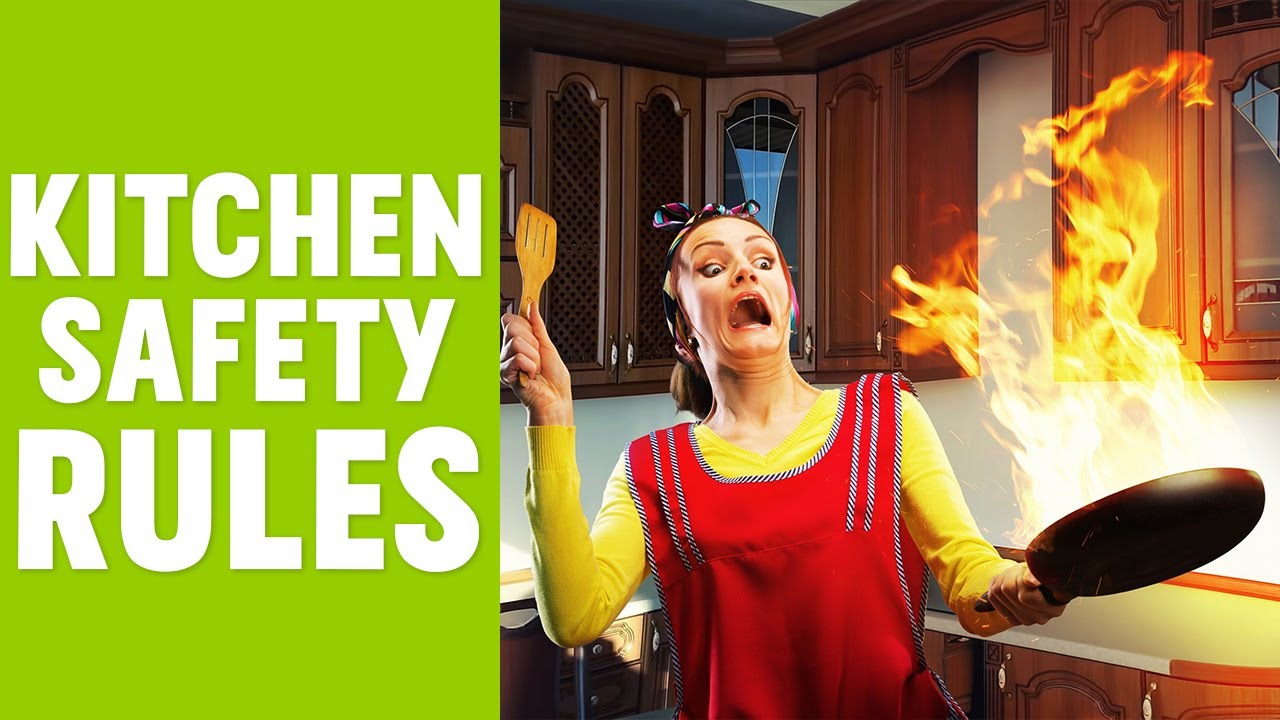
Two final things: fires and cuts.
- Fire: Have a working fire extinguisher in the kitchen. Know how to use it. (Pull, Aim, Squeeze, Sweep). Never, ever try to put out a grease fire with water. Throw baking soda on it or smother it with a metal lid.
- Knives: A dull knife is more dangerous than a sharp one. Why? Because you have to use more force, making it more likely to slip and cut you. A sharp knife does the work for you. Keep a small first-aid kit with bandages and antiseptic handy. You’ll be 100 times more likely to get a small cut than to have a perfect, TV-ready meal.
A Safe Host Is a Great Host
Look, this might sound like a lot. It might sound like it’s taking the fun out of it. It’s not.
This is the real work of being a host. It’s the boring, un-glamorous stuff that you do in the background so that your friends and family can have a perfect, happy, and blissfully unaware holiday. Nailing the food safety is just as important as nailing the gravy.
Do it right, and the only thing your guests will remember is the great food and the good company. And that, my friend, is how you win Thanksgiving.
What’s your number-one Thanksgiving hosting tip or safety “near-miss” story? Share it in the comments below—let’s all learn from each other!

