

The Unfiltered Guide to the Blue Lagoon: Cost, Best Time, & Insider Tips
be honest. You’ve seen the photos. That milky-blue water set against black volcanic rock. It’s the visual shorthand for “Iceland.”
But then you hear the whispers. It’s a tourist trap. It’s so expensive. It’s not even natural.
So, whats the real deal? Is the Blue Lagoon a must-do, or is it a high-priced hot tub you should skip?
I’m here to cut through the marketing. This is your complete, no-fluff guide to visiting the Blue Lagoon. We’ll cover the real cost, the best time to go (and when not to), and the insider tips that will save you from looking like a lost tourist.
First: The Big Question. Is the Blue Lagoon Open & Safe?

Before we get to prices and hair conditioner, let’s address the elephant in the room: the volcanoes.
You’ve probably seen the news about the volcanic activity on the Reykjanes Peninsula. It’s been very active throughout 2023, 2024, and 2025. This is the region where the Blue Lagoon is located.
- Here’s the deal: The lagoon has had temporary, safety-related closures when eruptions are imminent. This is a good thing—it means they are hyper-vigilant about safety.
- As of late 2026: The Blue Lagoon is open. But this can change with little notice.
Your first and most important action item: Do not, I repet, do not plan your trip without checking the official Blue Lagoon website for real-time operational status. This is the single source of truth.
The Price Tag: How Much Does It Actually Cost?
This is where most people’s eyes water. Let’s break it down.
You must pre-book. Always. You cannot just show up. Slots sell out weeks or months in advance, especially in high season.
The price is dynamic, meaning it changes based on the day and time slot you choose. The cheapest slots are usually the first of the morning or the last at night.
Here are the main packages:
1. The “Comfort” Package (Starts from ~$80 USD)
This is the standard, entry-level ticket. It includes:
- Entrance to the Blue Lagoon
- The Silica Mud Mask (from the in-water mud bar)
- Use of a towel
- One (1) drink of your choice (smoothie, beer, wine, soda)
2. The “Premium” Package (Starts from ~$100+ USD)
This includes everything in “Comfort,” plus:
- Two additional face masks (algae, mineral, etc.)
- Use of a bathrobe
- A glass of sparkling wine if you dine at the Lava restaurant
Honest Verdict: Which Ticket Should You Buy?
Just get the “Comfort” package.
Why? The “Premium” perks aren’t really worth it.

- The bathrobe? You just hang it up on a public hook with 100 other identical robes while you’re in the water. Most people just use their towel.
- The extra masks? The silica one is the main event. You’re not missing much.
Save your money. The “Comfort” package gives you the full experience. The only reason to go Premium is if you really want a robe for the 30-second walk from the door to the water.
Pro-Tip for Families: Kids aged 2-13 get in free with a paying adult. This is a huge money-saver. Note the minimum age is 2 years old.
How to Get There: Your Transport Options
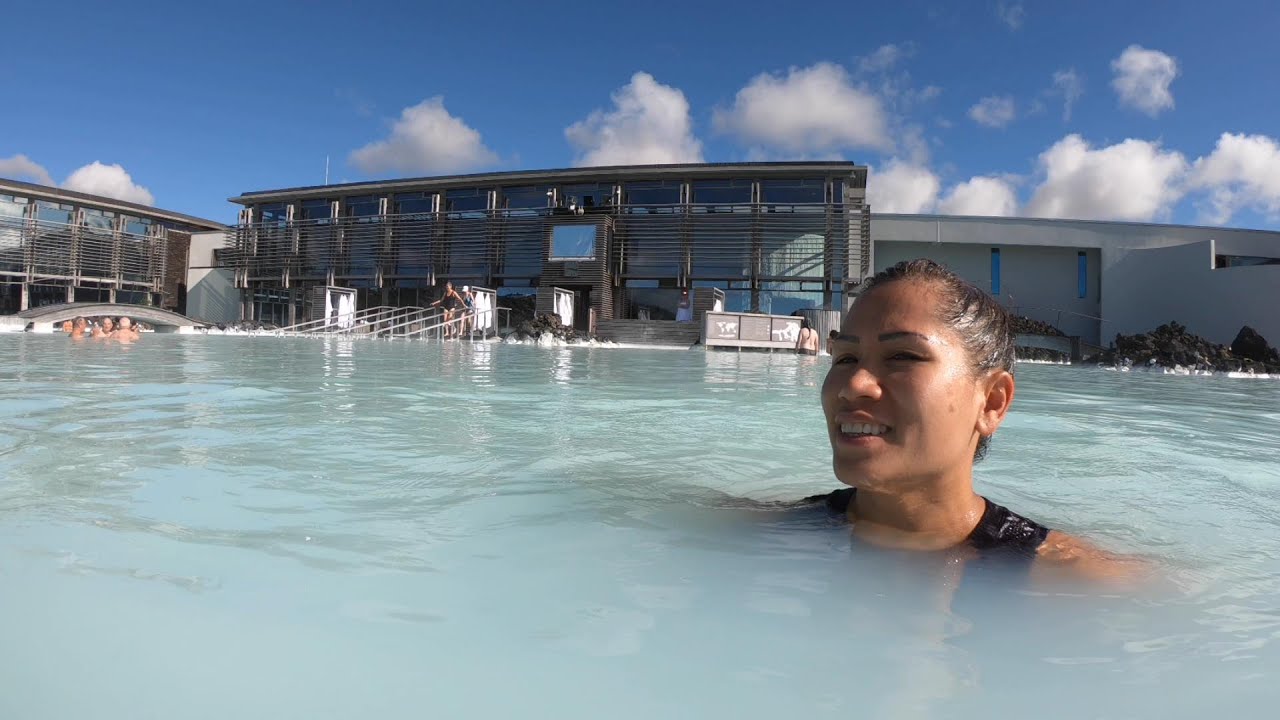
The Blue Lagoon is not in Reykjavik. It’s strategically placed in a lava field about:
- 20-25 minutes from Keflavík Airport (KEF)
- 40-45 minutes from Reykjavik
This location makes it the perfect stop right after you land (to cure jet lag) or right before you fly out.
You have two main options:
- Rental Car: If you’ve rented a car for your Iceland trip, this is easiest. There is a massive, free parking lot.
- Shuttle Bus: This is the most popular option. Companies like Reykjavik Excursions and Destination Blue Lagoon run constant, reliable buses from both KEF airport and multiple stops in Reykjavik. You must book this in advance, ideally when you book your Lagoon ticket.
What you CANNOT do:
- Take public transport (it doesn’t go there).
- Call an Uber or Lyft (they don’t exist in Iceland).
When to Go: Best Time of Day & Year
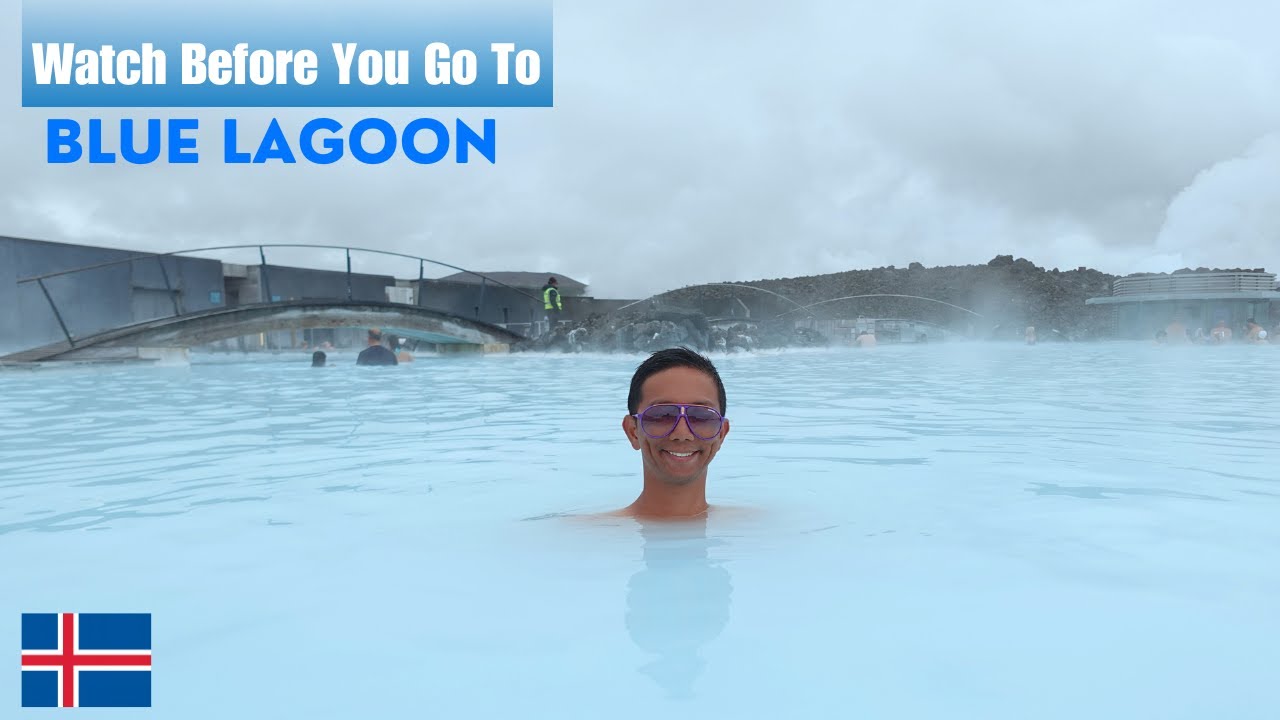
This choice will dramatically change your experience.
Best Season
- Winter (November – February): This is magic. The air is freezing, but the water is a toasty 100°F (38°C). The steam rising off the water is thick, making it feel mystical and private. This is also your only chance to see the Northern Lights from the lagoon if you book an evening slot.
- Summer (June – August): This is the high season. It’s crowded and prices are at their peak. The upside? You get the Midnight Sun, and soaking at 10 PM while it’s still bright daylight is a bizarre and cool experience.
- Shoulder Seasons (April-May, Sept-Oct): A good compromise. Fewer crowds than summer, and prices are a bit lower.
Best Time of Day
- First Thing in the Morning: Book the very first slot (e.g., 8:00 AM). You get the “clean” lagoon before the crowds pile in. The light is soft, and it’s quiet.
- Sunset / Evening: This is the other best option. Seeing the sky change colors from the water is stunning. In winter, this is your Northern Lights slot.
The Busiest Time? 10 AM to 3 PM. It’s a human soup. Avoid it if you can.
10 Insider Tips: The “$hit You Need to Know”
Here’s the stuff most guides forget.
- THE HAIR TRICK (This is #1 for a reason): The water is packed with silica. It will not permanently damage your hair, but it will make it feel like dry, crusty straw for a week.
- The solution: In the shower (see #2), slather your hair with the free conditioner they provide. Load it up. Do not rinse it out.
- Tie it up in a high bun.
- Try your best not to get your hair wet in the lagoon.
- Yes, You MUST Shower Naked. This is not optional. It’s Icelandic law and etiquette for all public pools. You must shower, with soap, without your swimsuit before entering.
- Don’t panic: The locker rooms are clean, modern, and have private shower stalls with frosted glass doors. No one is looking at you. Just do it.
- Ditch All Your Jewelry. The silica and sulfur can tarnish or damage jewelry, especially silver. Take off your rings, necklaces, and earrings. Leave them in your locked locker. If you drop a ring in that milky water, it is gone forever. Your Wristband is Your Key AND Your Credit Card. When you check in, you get an electronic wristband. It locks and unlocks your specific locker.
- Go to the Other Luggage Storage. Are you coming from/to the airport with your big suitcase? You cannot take it into the main building. There is a separate luggage storage building in the parking lot before you get to the main entrance. It costs about 800 ISK (around $5-6 USD) per bag. It’s safe and secure. Drop your bags first.
- Stay Hydrated. Seriously. You’re in a giant hot tub. You will get dehydrated, and the Icelandic air is very dry. Drink water before you go in, and make sure your one free drink isn’t your only drink.
- Bring a Waterproof Phone Case. You’ll want photos. A waterproof pouch with a lanyard is a million times better than trying to hold your $1,000 phone with a wet, slippery hand.
- Kids 8 and Under MUST Wear Floaties. This is another non-negotiable rule. The lagoon floor is uneven, and it’s for safety. They provide the floaties for free.
- You Can “See” It for Free (Sort of). On a super tight budget? There is a public walking path that winds around the lagoon, and a viewing platform near the main entrance. You can walk through the lava field and see the blue water for free. You just can’t get in.
- Take Your Time. Your ticket is for a specific entry time, but there is no exit time. Once you are in, you can stay as long as you want (until closing). Most people spend about 2-3 hours.
The Final Verdict: Is the Blue Lagoon Worth It?
So, is it a “tourist trap”?
Yes. Of course it is. It’s arguably the biggest tourist trap in Iceland.
…but it’s also a trap worth falling into.
It’s expensive, it’s crowded, and it’s 100% man-made (the water is just the mineral-rich byproduct of the nearby geothermal power plant).
But you know what? It’s also amazing. Floating in steaming, bright-blue water in the middle of a black, moss-covered lava field is an experience you simply cannot get anywhere else. It’s iconic for a reason.
If you go with the right expectations – knowing it will be pricey and full of other people – you will have an incredible time. It’s a perfect, relaxing way to start or end your Icelandic adventure.
So, what do you think? Are you adding the Blue Lagoon to your Iceland itinerary, or are you skipping it for one of the country’s smaller, more local hot pots?

