
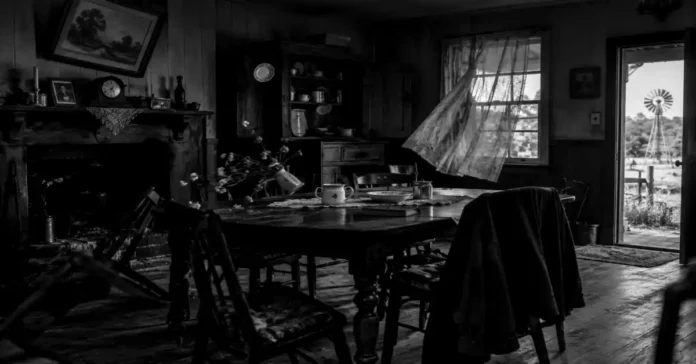
A ghost that throws plates is annoying. A ghost that sets your cabin on fire and knocks a teenager unconscious is something else entirely. That’s the claim at the center of the Granite Creek poltergeist, a 1935 case from the ruins of Queensland’s Palmer River goldfield. Before you decide what to believe, it helps to know exactly where the story comes from — and where it doesn’t.
The setting: a goldfield already dying
By 1935, the Palmer River goldfield wasn’t the place it used to be. Back in the 1870s, it was one of the biggest gold rushes in Australian history — more than 20,000 miners, most of them Chinese, poured into the region after James Venture Mulligan reported rich alluvial deposits in 1873 (Queensland Government heritage register). It was also brutally violent. Conflict between European miners, Chinese miners, and the Kuku Yalanji people who already lived there shaped the field’s first decade, and clashes at places like Hells Gate became notorious (Queensland Places).
By the early 20th century, though, the gold was mostly gone. What remained were a handful of stubborn holdouts scraping by on tin instead — which is exactly the world Joe Jones and his mining partner, Dick Clarke, were living in when this story begins. They’d staked a claim on a place called Cannibal Creek. Not far away, at Granite Creek, a man named Jimmy Ah Quay grew vegetables and dug for scraps of tin.
That’s the real part. Everything after this point comes from one man’s memory, written down years later.
The only witness
Here’s the detail that matters most, and the one a lot of ghost-story retellings quietly skip over: there’s exactly one source for the entire Granite Creek case. Joe Jones wrote his account of the events in 1938, three years after they supposedly happened. It sat unpublished for over three decades until the Cairns Historical Society printed it in 1971 under the title “The Granite Creek Ghost.” That publication is independently confirmed — it shows up in the Society’s own bulletin index as “Jones, J. Prospector, ‘Granite Creek Ghost’, September 1971.”
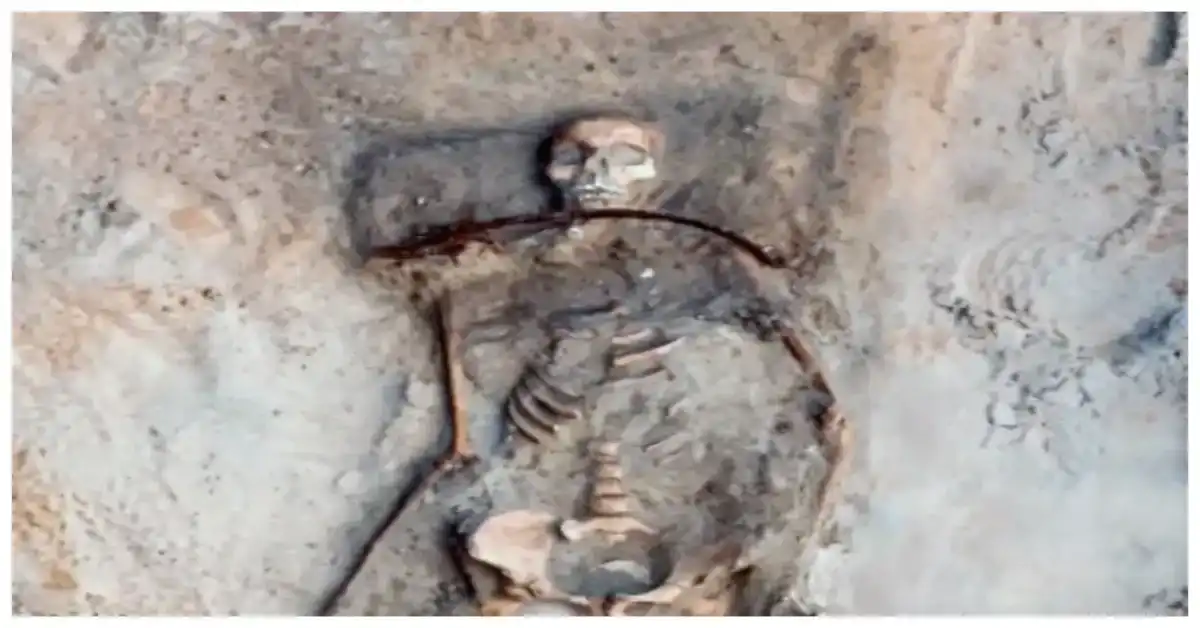
So the paper trail checks out. What doesn’t check out — because there’s nothing to check it against — is the story itself. No police report. No newspaper coverage from 1935. No corroborating witness statement. Just one prospector’s memory, recorded years after the fact, about events nobody else wrote down at the time.
Does that mean Jones made it up? Not necessarily. People in remote mining camps in the 1930s weren’t exactly filing incident reports with the local paper. But it does mean we’re reading testimony, not documented history, and those are two very different things.
What jones says happened
According to his account, Quay’s neighbor — an unnamed Chinese man suffering from an unspecified illness — died in January 1935. Quay buried him and burned his belongings, a common enough precaution against disease at the time. The following month, Jones and Clarke helped Quay prepare to mine with gelignite, and Quay brought in a young assistant named Willie Hip Wah.
A few days later, Quay and Willie showed up at Jones’ camp carrying everything they owned. Quay’s explanation was blunt: “My place haunted… We can’t live there; ghost come; he break up everything.” Jones and Clarke assumed it was a prank — maybe Willie just wanted an excuse to head back to town — so they went to “catch the ghost” themselves.
What followed, in Jones’ telling, escalated fast. Their horses panicked and bolted the moment they arrived. Fuse coils jumped around on the floor. Plates lifted off the table on their own. By nightfall, the men described a full “tornado” of flying cans, bottles, and tools, loud enough to make a deafening racket against the tin roof. When they moved outside to see if it would follow — it did, pelting Quay specifically with debris and smashing two lanterns in a row.
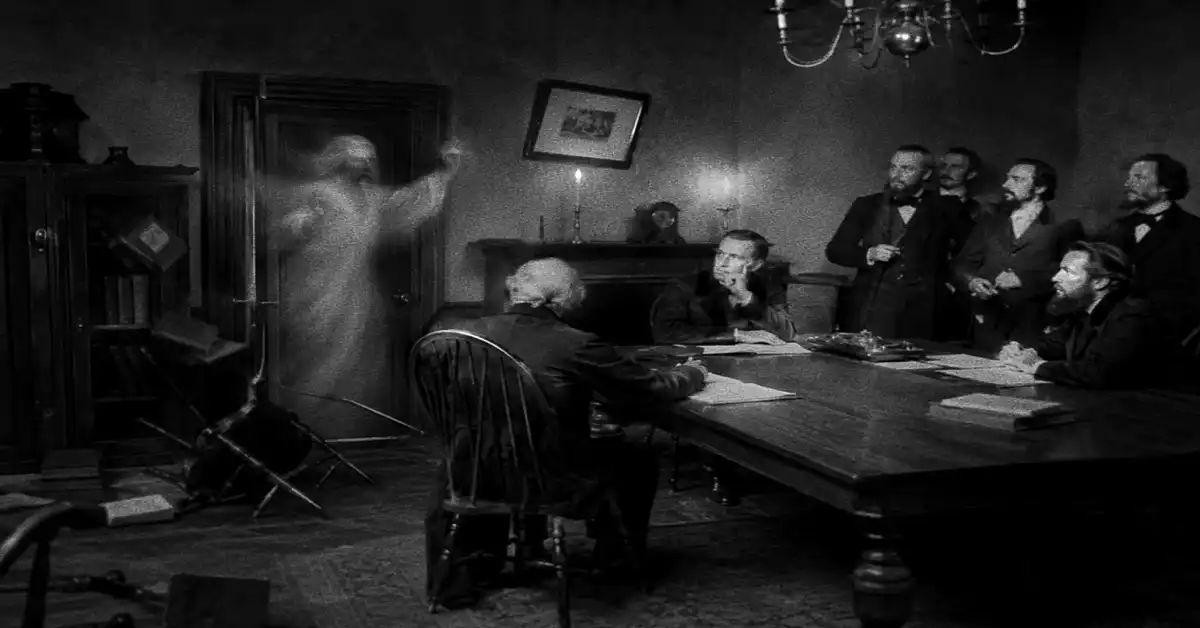
The most disturbing moment came later that night. Willie went to bed and screamed for help; the others found something had wrapped a rug so tightly around his head that they struggled to remove it, and he stayed unconscious until morning. By dawn, the cabin itself was on fire, and it burned to the ground — though Jones noted, oddly, that the flames never spread to anything around it.
Testimony vs What can actually be verified
This is where the case gets interesting for anyone who wants to think about it seriously instead of just retelling it. Here’s a rough breakdown:
Independently verifiable:
- The Palmer River goldfield’s decline by the 1930s into small-scale tin mining
- The 1971 publication of Jones’ manuscript by the Cairns Historical Society
- The broader historical presence of Chinese prospectors and mining partnerships in that region
Resting entirely on Jones’ word, with zero outside confirmation:
- Every supernatural event described — the flying objects, the fire, the rug incident
- The existence and death of Quay’s unnamed neighbor
- Willie Hip Wah’s later career as a Cooktown baker
- Basically the entire narrative arc of the haunting itself
That second list is the whole story. Every dramatic beat you’d want to fact-check — the fire, the assault on Willie, the reason for the haunting — depends completely on one manuscript written three years after the fact, by someone who had every reason (grief, isolation, trauma, or simple embellishment over time) to remember things vividly rather than accurately.
So what actually happened at granite creek?
Honestly? Nobody outside that cabin will ever know for sure, and that’s not a cop-out — it’s just the reality of working with a single, uncorroborated, decades-delayed account.
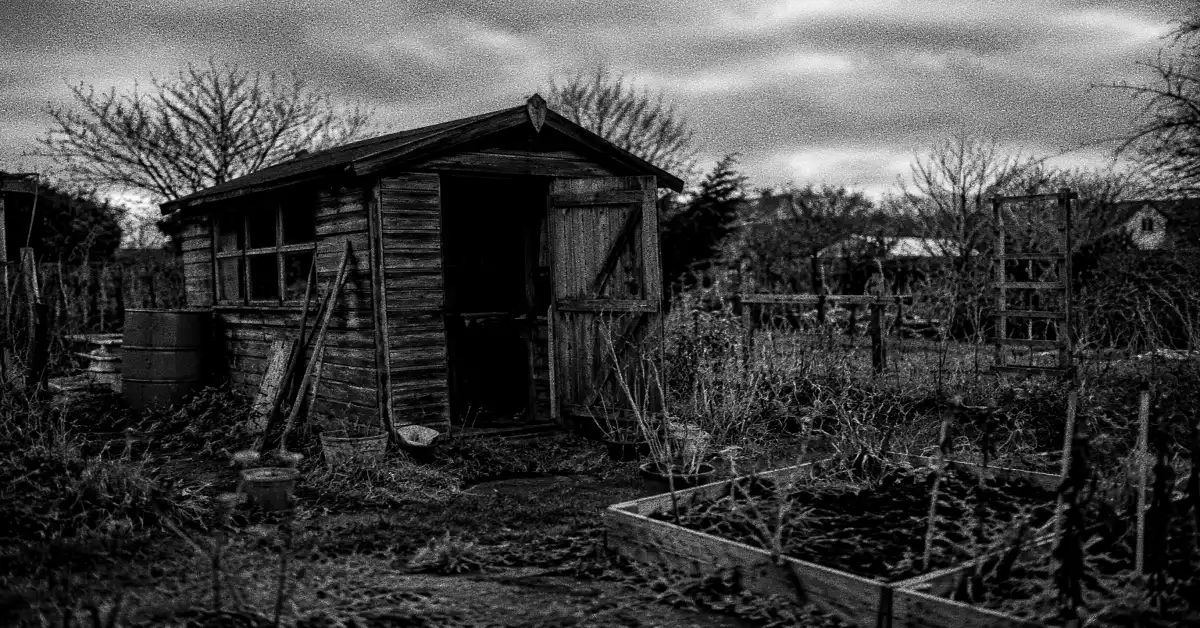
A few possibilities are worth chewing on. Gelignite fires and camp accidents were common on remote Queensland goldfields, and a genuine cabin fire combined with a stressful death and a spooked, isolated crew could easily curdle into a shared story of “the ghost did it.” Group panic is a real phenomenon — once one person insists something supernatural is happening, others start interpreting ordinary chaos (a fire catching, objects knocked over in the dark) through that same lens. Add in wartime trauma (Clarke references his WWI experience directly), isolation, grief over a recent death, and a fire that could have killed someone, and you’ve got fertile ground for a story that feels true even if some of it got exaggerated in the retelling.
None of that disproves anything. It just means the fair, honest answer is: this is a dramatic piece of oral-turned-written folklore from a real, harsh place in Australian history, and it deserves to be read as testimony first, fact second.
Ghost stories that come with genuine violence tend to stay in circulation longer than the “footsteps in the hallway” variety, and Granite Creek has that violence in spades — a man knocked unconscious, a cabin burned to nothing, animals bolting in terror. It’s also a rare glimpse into the isolated, multicultural, and often forgotten later years of the Palmer goldfield, long after the famous 1870s rush had faded from memory.
Whether you read it as a real haunting, a fire compounded by fear and folklore, or something in between, the Granite Creek case is a solid reminder of something worth keeping in mind with any historical ghost story: check who’s telling it, when they wrote it down, and whether anyone else was in the room to say the same thing. Sometimes that’s all the difference between a documented event and a really good campfire tale.
References: Queensland Government Heritage Register – Palmer Goldfield Mining Landscape; Queensland Places – Palmer River; Cairns Historical Society bulletin index (Dalton’s Sources for North Queensland History).

