

How Seniors Can Outsmart Holiday Shopping Scams
The holidays are coming. It’s a time for family, food, and finding that perfect gift for the grandkids. It’s also open season for scammers.
Let’s talk turkey. These aren’t the clumsy, typo-filled emails of the past. Today’s scammers are sophisticated, professional criminals who use psychology and technology to build traps that are incredibly easy to fall into. They especially love to target folks in small towns during the holiday rush, betting on a little less cynicism and a lot more holiday stress.
This isn’t a guide that’s going to talk down to you. You’ve run a household, raised a family, and managed your money for decades. You’re not gullible. But you are on their radar.
So, how do you fight back? By learning their playbook. We’re going to break down exactly how these scams work, using the stories of real people—or people so real they might as well be your neighbor—who got tricked.
Why They Target You (And It’s Not What You Think)
First, let’s get one thing straight. Scammers target seniors not because they think you’re foolish, but for a few calculated reasons:
- You Have Money: You’ve likely got a retirement nest egg or savings, making you a more profitable target than a 20-year-old with student debt.
- You’re More Trusting: You grew up in a time when a person’s word meant something. Scammers exploit this decency.
- You’re Less Likely to Report: Often, victims feel a sense of shame or embarrassment and don’t report the crime, which lets the scammers get away with it.
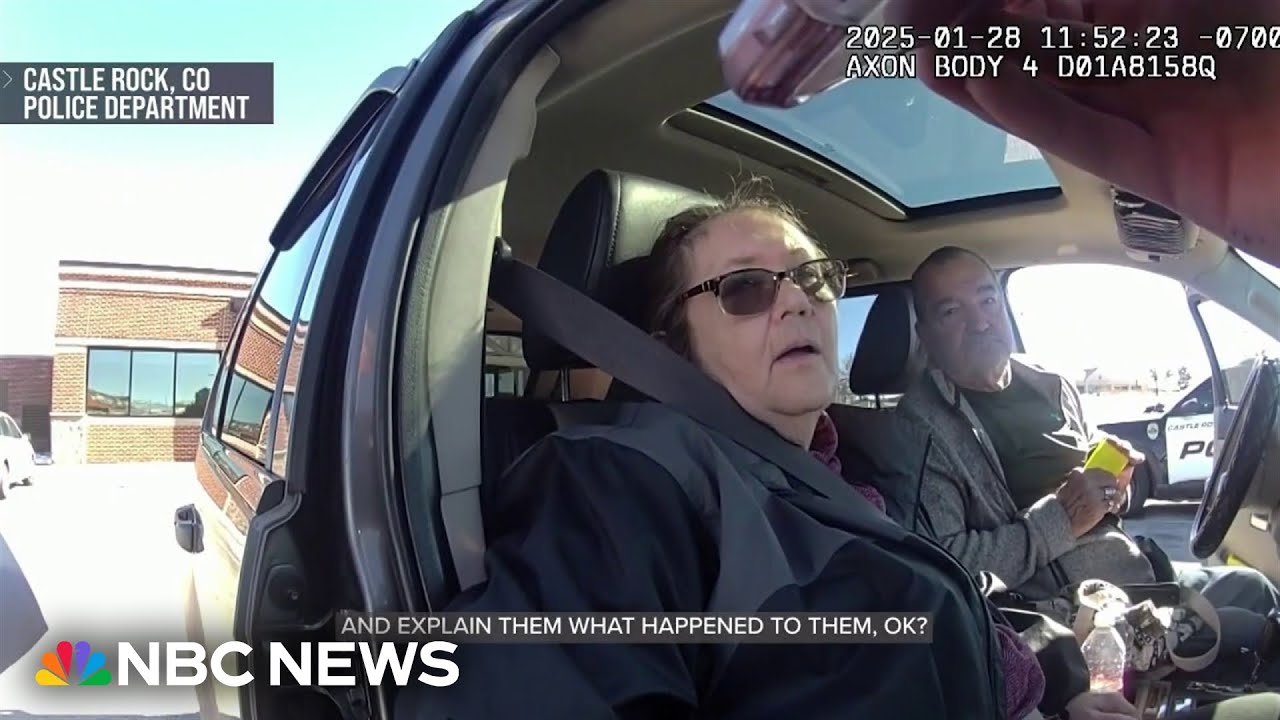
They are professional liars. Their entire job is to sound believable. The key isn’t to feel shame if you’re tricked; it’s to learn how the trick is done so you can spot it a mile away.
The Ghost Store: Arthur’s Search for the “SparklePony”
Arthur, a 72-year-old retired mechanic from rural Ohio, had one mission: find the “SparklePony,” the hottest toy of the year for his 8-year-old granddaughter, Lily. It was sold out everywhere. He felt the pressure. He didn’t want to let her down.
The Trap:
While scrolling through Facebook, he saw a sponsored post. “Last Chance! SparklePony In Stock! 20% Off Holiday Special!” The ad featured a professional photo of the toy and a logo for a store called “Holiday Toy Chest.” He clicked. The website looked perfect. It had a Christmas theme, customer reviews, a professional layout, and a secure lock icon in the address bar. His heart pounded a little. This was it. He quickly entered his name, address, and credit card information and hit “Confirm Purchase.” He even got a confirmation email. He felt a wave of relief. He was a hero.
The Aftermath:
A week passed. Then two. No pony. The confirmation email now bounced back. The website was gone. When he checked his credit card statement, he saw the charge from “Holiday Toy Chest” for $69.99, but he also saw two other strange charges: a $1 transaction to a company in another country, and a $450 charge for designer sunglasses he never bought.
The “ghost store” wasn’t just designed to steal the $70 for the pony. That was the bait. The real prize was his credit card number, which they tested with a small transaction before selling it to other criminals who made the big purchase.
Red Flags Arthur Missed (In the Rush)
- The Unbelievable Deal: The hottest toy of the year, in stock, and on sale? That’s a massive red flag.
- The URL Address: The website looked good, but the web address was something like
www.holiday-toy-deals-direct.shop. Real stores have simple addresses (liketarget.comorwalmart.com). Scammers use long, clunky URLs with lots of dashes. - No Contact Information: The site had no phone number or physical address listed, only a generic contact form.
The Urgent Text: How Brenda Lost $500 Without Leaving Her House
Brenda, a 68-year-old retired librarian in small-town Texas, is cautious. She shreds her mail and uses different passwords. During the holidays, she was expecting several packages.

The Trap:
She got a text message: “FedEx: We have a problem with the shipping address for your package. Please visit [sketchy link] to update your details to avoid delays.”
Brenda didn’t click the link. Smart. But a few hours later, her landline rang. The caller ID said “FedEx.” A polite, professional-sounding man said, “Ma’am, this is David from FedEx. We’re calling about a package for you that has an incomplete address. To ensure it’s delivered before Christmas, we need to verify your details and collect a $2.50 re-routing fee.”
It sounded so official. The fee was small. A knot of anxiety tightened in her stomach—what if it was her son’s gift? She gave him her address and read him her debit card number.
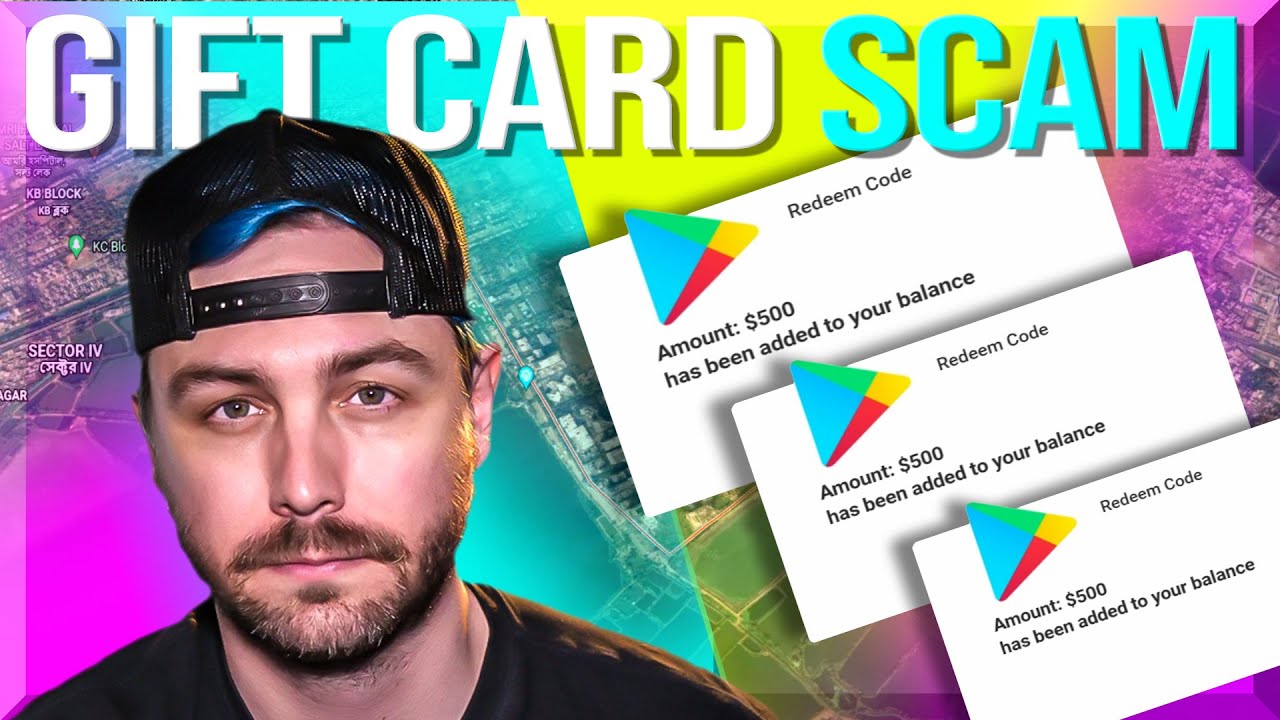
“I’m so sorry, ma’am,” the man said after a moment. “Our system is having trouble with debit cards today due to holiday volume. To expedite this, we can do it another way. Could you please go to the local Dollar General and purchase a Target gift card for $500? You can read me the numbers over the phone, and we’ll use $2.50 to cover the fee and the rest will be credited back to your account as a holiday bonus from FedEx for the inconvenience.”
Brenda hesitated. It sounded strange. But “David” was so persuasive, creating a sense of urgency and panic. He stayed on the phone with her the entire time she drove to the store. Afraid of losing the package, she did it. She bought the gift cards and read him the numbers. He thanked her profusely and hung up. The line went dead. The money was gone in an instant.

Red Flags Brenda Spotted (But Was Pressured to Ignore)
- The Payment Method: This is the biggest giveaway. No legitimate company will ever ask you to pay for anything with a gift card. Ever. Gift cards are for gifts. Scammers love them because they are untraceable, like cash.
- Creating Urgency: The scammer’s job is to get you out of your logical brain and into your emotional brain. Phrases like “to avoid delays,” “before Christmas,” and “our system is down” are designed to make you panic and act without thinking.
- The Unsolicited Call: Even though she didn’t click the text link, the call was part of the same scam. Legitimate delivery companies will leave a notice on your door. They won’t call you and demand payment over the phone.
Your No-nonsense Holiday Scam Checklist
Okay, let’s turn these nightmare stories into your armor. Here’s what you need to do.
- STOP. BREATHE. VERIFY. If a deal seems too good to be true, it is. If you feel a sense of panic or urgency, that’s a signal that a scammer is trying to control you. Hang up the phone. Close the website. Take a walk.
- NEVER, EVER PAY WITH A GIFT CARD. Anyone who asks for payment via a Target, Apple, Walmart, or any other gift card is a scammer. Full stop. The Federal Trade Commission (FTC) confirms this is a huge red flag.
- Inspect the Website URL. Before you enter any info, look at the address in the browser bar. Is it simple and clean (
Amazon.com) or weird and long (Amazon-deals.net.co)? Stick to the sites you know and trust. If you’re unsure, type the store’s name into Google yourself instead of clicking a link from an ad or email. - Use a Credit Card, NOT a Debit Card. Arthur got his $450 back because credit card companies have robust fraud protection. Debit cards pull money directly from your bank account, and it’s much harder to get back.
- Be Skeptical of All Unsolicited Contact. FedEx and UPS won’t text you about an address issue from a weird link. Your bank won’t call you and ask for your password. If you’re worried, hang up and call the official number listed on the company’s website or the back of your card.
The Small-Town Advantage: Your Secret Weapon
Here’s something the big-city guides won’t tell you: living in a small town can be your greatest defense.
- Talk to Your People: Before you jump on a deal from a strange website, call your son or daughter. Ask your tech-savvy niece. Ask the neighbor kid who’s good with computers. A simple, “Hey, does this look right to you?” can save you thousands.
- Use the Local Post Office: Got a weird text about a package? Walk down to your local post office. The people there know you. They can tell you if a tracking number is real or if a notice is legitimate.
- Consult Your Bank Teller: Brenda’s bank teller might have asked, “Brenda, are you sure about buying $500 in gift cards? That’s unusual.” In a small town, your bank knows your habits. They can be an incredible line of defense. Use that personal connection.
Don’t let embarrassment keep you isolated. Scammers win when you stay silent.
You have a lifetime of experience and wisdom. Combine that with a healthy dose of skepticism this holiday season. Trust your gut. If it feels off, it is.
Here are the links to report online scams and fraud
Reporting Links
- Federal Trade Commission (FTC):
- Report fraud and scams: ReportFraud.ftc.gov
- For identity theft: IdentityTheft.gov
- Internet Crime Complaint Center (IC3):
- Report cyber crimes: IC3.gov
- Better Business Bureau (BBB):
- Report a scam: BBB Scam Tracker
- General complaints: bbb.org
- USA.gov:
- Find where to report a scam: USA.gov Reporting Tool
- FBI:
- Report cyber crimes and scams: FBI Tips
- Consumer Reports: consumerreports.org
- A nonprofit organization that provides information on consumer products and services.
- Scamwatch (Australia): scamwatch.gov.au
- A site run by the Australian Competition and Consumer Commission (ACCC) to report scams.
- Action Fraud (UK): actionfraud.police.uk
- The UK’s national reporting center for fraud and cyber crime.
These resources will help you report scams and seek assistance in dealing with online fraud effectively.
Call-to-Action (CTA)
Have you or someone you know ever encountered a scam like this? Share your story (without any private details!) in the comments below. Your experience could be the red flag that saves someone else a lot of heartache and money.

