

When an economic downturn hits, budgets shrink and everyday services become expensive or hard to access. Real resilience does not come from hoarding survival gear in an underground bunker; it comes from knowing how to solve practical problems for yourself. history proves that households weather tough financial storms by developing everyday capabilities that transform basic resources and community effort into lasting stability.
Food independence & kitchen economy
During periods of high inflation or supply chain strain, food is often the fastest-rising line item in a family budget. Knowing how to feed yourself well on staple ingredients changes everything.
1. Cooking from basic ingredients
Pre-packaged, ultra-processed food carries a massive markup for convenience. Cooking from scratch flips that equation.
- Master the base staples: Learn to turn bulk dry beans, whole grains, lentils, flour, and root vegetables into hearty, balanced meals.
- Make your own staples: A loaf of artisan bread or a batch of egg noodles costs pennies when made at home.
- Flavor without expense: Simple additions like garlic, toasted whole spices, acids (vinegar or lemon juice), and pan drippings can elevate an inexpensive stew into a restaurant-worthy dish.
What happens when takeout is no longer in the budget? You eat better at home for a third of the cost.
2. Food preservation
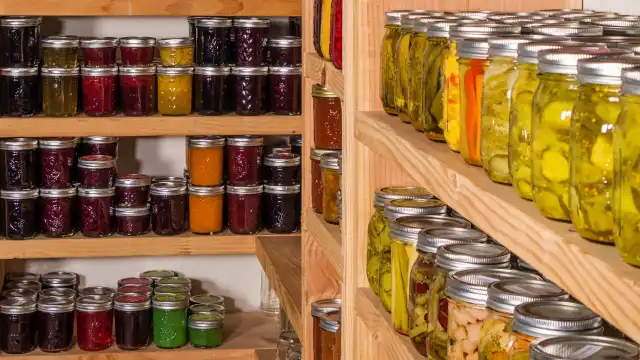
During seasonal gluts — whether from your garden or marked-down farmers’ market produce — preservation locks in low prices for the winter months ahead.
Preserving food is not just a pioneer hobby. It stops waste dead in its tracks:

- Water-bath and pressure canning: High-acid foods like pickles, jams, and tomato sauce require only a hot water bath. Low-acid vegetables, stocks, and meats demand a pressure canner to prevent foodborne risks.
- Dehydrating: An inexpensive dehydrator or a low-temperature oven turns seasonal apples, herbs, peppers, and sliced roots into shelf-stable snacks and cooking seasonings.
- Fermentation: Sauerkraut, kimchi, and sourdough require zero electricity to store and build gut health with natural probiotics.
3. Gardening and Micro-food production
You do not need a twenty-acre farm to produce calorie and nutrient buffers. During the two World Wars, millions of suburban “Victory Gardens” supplied over 40% of fresh vegetables consumed in the United States.
- High-yield, fast-turnaround crops: Focus on greens (spinach, chard, loose-leaf lettuces), radishes, bush zucchini, and cherry tomatoes.
- Nutrient-dense root crops: Potatoes, sweet potatoes, and carrots produce high caloric density per square foot.
- Container and vertical methods: If space is tight, patio buckets, windowsill microgreens, and vertical trellises work wonders.

4. Resource management & Zero-waste kitchen habits
The average household throws away nearly a third of the groceries it buys. Stopping food waste gives your budget an instant 30% raise.
- Stockpot alchemy: Keep a bag in the freezer for vegetable scraps (onion tops, celery ends, carrot peels) and meat bones. Simmer them into nutrient-rich bone broths.
- First-in, first-out (FIFO): Rotate your pantry and fridge so older cans and dry boxes get used before newly bought stock.
- Regenerating leftovers: Turn yesterday’s roasted vegetables into today’s frittata, and leftover rice into fried rice or soup thickeners.
Physical maintenance & practical tradecraft
When service rates spike and labor is in short supply, relying on a contractor for every minor leak or broken seam drains cash fast.
5. Basic home repair
A dripping faucet, a running toilet, or a loose electrical outlet does not require an emergency trade call if you know the basics.
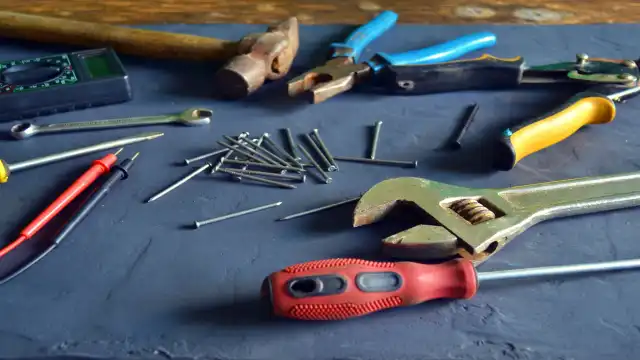
- Essential plumbing: Learn to replace a toilet flapper valve, unclog a P-trap beneath a sink, and shut off the main water valve immediately when a leak starts.
- Carpentry and fastening: Know which anchors work in drywall versus masonry, and patch drywall holes with joint compound and mesh tape.
- Weatherization: Apply silicone caulking around drafty window frames and install weatherstripping along exterior door thresholds to prevent energy leaks.
6. Basic vehicle maintenance
Cars are frequently a family’s second-biggest monthly expense. Basic maintenance protects your vehicle from catastrophic mechanical failures that cost thousands.
- Fluid management: Check engine oil, coolant, brake fluid, and transmission fluid regularly. Learn to do an oil and filter swap yourself.
- Tire maintenance: Rotate your tires every 5,000 to 7,000 miles to maximize tread life, check tire pressures monthly, and practice changing a flat safely.
- Wear parts: Replacing air filters, cabin filters, wiper blades, and even brake pads requires simple hand tools and basic mechanical steps.
7. Sewing, mending, and textile care
Fast fashion broke the tradition of repairing clothes, but quality clothing should last years.
- The basic toolkit: A handful of needles, heavy-duty thread, sewing shears, and replacement buttons.
- Core stitches: Learn the running stitch, backstitch, and blanket stitch for secure seams.
- Functional patching: Reinforce worn denim knees, repair split seams, fix dropped hems, and drench woolens in cedar spray to keep moths at bay.
8. Energy conservation & thermal management
Energy bills often jump during an economic crisis due to utility rate hikes and supply crunches. Mastering your home’s thermal flow reduces your electric and heating bills significantly.

- Zone temperature management: Heat or cool only the room you are occupying rather than the entire house.
- Thermal curtains and draft stoppers: Heavy window curtains block summer solar heat and trap winter warmth.
- Phantom load elimination: Use smart power strips to shut down idle electronics that drain electricity while turned off.
Financial fortress & practical commerce
A balanced financial foundation prevents a localized job loss or rising inflation from turning into a total household catastrophe.
9. Zero-based budgeting and cash-flow tracking

Vague estimates will not cut it during an economic crunch. You need to account for every single dollar before the month even begins.
- The bare-bones survival budget: Categorize all expenses into “The Four Walls” — food, shelter/utilities, basic transport, and essential medical care.
- Daily spending tracking: Log every transaction using a ledger or a basic spreadsheet to catch micro-leaks early.
- Building a starter buffer: Prioritize an emergency fund of three to six months of bare-bones living costs before spending on non-essentials.
10. Debt restructuring & triage
High-interest debt acts like an anchor on your finances during periods of stagflation and high interest rates.
- Prioritize ruthlessly: Never pay unsecured credit card bills ahead of your rent, mortgage, or grocery budget.
- Snowball vs Avalanche: Use the avalanche method (highest interest rate first) to minimize fees, or the snowball method (smallest balance first) for psychological momentum.
- Proactive creditor engagement: Call lenders before missing a payment to request hardship plans, waived fees, or lowered interest rates.
11. Everyday negotiation
Everything in commerce is negotiable, especially during a slowdown when businesses fight to keep loyal customers.
- Recurring service audits: Call your internet provider, auto insurer, and mobile carrier twice a year to ask for loyalty discounts or price-match lower market rates.
- Cash leverage: Independent tradespeople and local suppliers often offer a 5% to 10% cash discount to avoid card-processing merchant fees.
- The power of the pause: State your desired price politely, then stay silent. Let the other party fill the quiet.
12. Bartering & Skill exchange
When cash is scarce, skills and surplus goods become alternative currency.
- Identify your tradeable assets: Can you bake, fix small engines, file tax returns, build website pages, or babysit?
- Direct exchanges: Swap two hours of carpentry work for a neighbor’s excess firewood or fresh eggs.
- Keep terms explicit: Clearly establish what each party is contributing upfront to keep relationships strong and avoid misunderstandings.
Community, Health, and Safety
Individual self-reliance only gets you so far. Historically, the strongest safety net during any prolonged downturn has been an organized neighborhood and a healthy body.
13. First aid & preventive health
A healthy lifestyle is one of the best cost-saving measures available. Preventive habits keep you out of expensive urgent care centers.

- First aid certifications: Take certified CPR, AED, and wilderness first aid courses.
- Home triage supply: Stock clean bandages, antiseptic wash, splints, burn creams, tourniquets, and fever reducers.
- Daily preventive upkeep: Prioritize consistent sleep, clean hydration, daily walking, and basic strength training to keep your immune system strong.
14. Clear communication & de-escalation
Financial stress strains marriages, family relationships, and neighborhood ties. Calm, transparent communication prevents minor disputes from turning into costly fractures.
- Non-violent communication: Focus on expressing needs without assigning blame (e.g., “When bills pile up, I feel anxious. Can we plan our budget together this evening?”).
- Active listening: Repeat back what you heard before reacting.
- Emotional de-escalation: Step away from heated arguments for twenty minutes to let adrenaline clear before making financial or family decisions.
15. Community cooperation & mutual aid networks
Lone wolves struggle in extended crises. Connected communities share tools, labor, and support.
- Tool libraries: Instead of five neighbors buying five identical lawnmowers or pressure washers, share equipment.
- Bulk purchasing co-ops: Join forces with neighbors or extended family to buy 50-pound sacks of grains, legumes, and cleaning supplies at wholesale prices.
- Childcare and eldercare swaps: Rotate watching neighborhood children so working parents avoid expensive daycare fees.
Adaptive mindset & intellect
The most durable asset you own during volatile times sits right between your ears.
16. Critical thinking & noise filtering
Recessions breed financial scams, predatory schemes, and sensationalized fear-mongering.
- Verify source motives: Ask yourself: Who profits if I panic and buy this product or service?
- Cross-check information:Consult independent, authoritative sources before making career, investment, or emergency preparations.
- Pause on “too good to be true” offers: High-yield investment scams and get-rich-quick side gigs surge when people feel financially squeezed.
17. Emotional adaptability & stress tolerance
Accepting economic realities quickly beats lingering in denial.
- Focus on the circle of control: Separate things you can influence (your spending, your skills, your work ethic) from macroeconomic factors you cannot (interest rates, national inflation, policy shifts).
- Mental reframing: Treat frugality and self-reliance as empowering craft skills rather than feelings of deprivation.
- Maintain routine: Consistent daily schedules provide stability when external economic news feels unpredictable.
18. Rapid skill acquisition (Learning How to Learn)
Industries shift fast during economic restructurings.The ability to pick up new tools and competencies within weeks is the ultimate career armor.
- Deconstruct skills: Break complex tasks (like learning basic plumbing or digital bookkeeping) into bite-sized components.
- Immersive practice: Spend 20 focused hours practicing the most critical 20% of a skill to handle 80% of common real-world problems.
- Leverage open resources: Use free technical manuals, library databases, and trade video channels to build capability without paying for expensive coursework.
Practical capability beats panic every time
Economic downturns test our readiness, but they also clear away unnecessary complications. Focus on building hands-on capabilities step-by-step: cook one meal from scratch, patch a torn seam, fix a running valve, and balance your monthly cash flow. Over time, these small everyday skills compound into true household resilience that outlasts any market cycle.

