
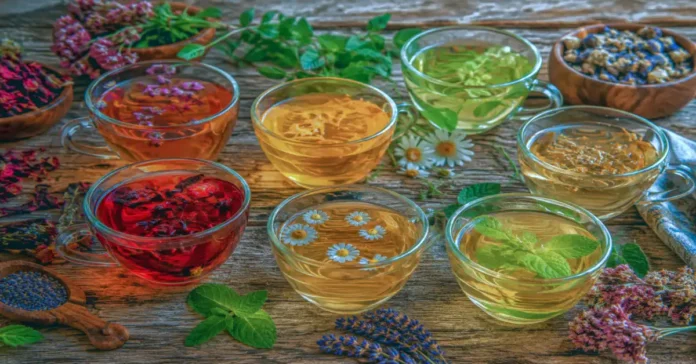
Walk down any supermarket tea aisle, and dozens of colorful boxes will promise instant peace of mind in a single mug. I compared seven commonly recommended teas against what scientific research actually says to separate genuine biological effects from clever wellness marketing. What turns out to be true is surprising: while herbal infusions will not cure clinical anxiety, specific botanical compounds alter brain chemistry, reduce stress hormones, and soothe physical tension in measurable ways.
Extracts vs Teacups: truth about herbal research
Before examining specific herbs, we need to address a critical detail that most wellness blogs gloss over.
When a clinical trial concludes that an herb reduces anxiety symptoms, scientists rarely hand participants a standard tea bag from the grocery store. Clinical studies usually administer standardized, highly concentrated extracts in capsule form. A single capsule might deliver the chemical equivalent of five to ten cups of steeped tea.
Does that mean brewing a cup of calming tea at home is pointless? Not at all.
Drinking a warm cup of caffeine-free tea works through two distinct mechanisms:
- Pharmacological Action: Volatile essential oils, flavonoids, and terpenes dissolve into hot water. When ingested, these active molecules cross your gut barrier and interact directly with neuroreceptors in your brain.
- Behavioral Grounding: The physical ritual of brewing tea — pausing work, boiling water, inhaling aromatic steam, and sipping slowly — activates the parasympathetic nervous system (your “rest-and-digest” mode).
Understanding this difference keeps your expectations grounded. Herbal tea is a gentle, supportive daily tool for nervous system regulation, not a replacement for medical care or therapy.
Scientific comparison: 7 Stress-relief teas at a glance
| Herbal Tea | Key Active Compound | What Studies Show (Extracts vs Brewed Tea) | Best Time to Drink | Scientific Evidence Level |
| Chamomile | Apigenin | Binds to GABA receptors; long-term extract trials show reduced generalized anxiety symptoms; tea aids sleep latency. | 45 minutes before bed | Moderate to Strong |
| Lemon Balm | Rosmarinic Acid | Prevents breakdown of GABA; human trials demonstrate acute calm during induced cognitive stress. | Mid-afternoon work slump | Moderate |
| Lavender | Linalool & Linalyl Acetate | Linalool inhibits voltage-gated calcium channels; aroma alone lowers heart rate and salivary cortisol. | Evening wind-down | Moderate |
| Passionflower | Chrysin & Flavonoids | Increases GABA production; human surgical trials show reduced acute preoperative anxiety without grogginess. | Late evening or racing thoughts | Moderate |
| Ashwagandha | Withanolides | Down-regulates hypothalamic-pituitary-adrenal (HPA) axis activity; clinical trials show drops in serum cortisol. | Morning or evening routine | Moderate to Strong |
| Peppermint | Menthol & Menthol Esters | Smooth-muscle antispasmodic; relieves physical tension headaches and stress-induced digestive upset. | After stressful meals or midday | Preliminary / Somatic |
| Holy Basil (Tulsi) | Eugenol & Ursolic Acid | Adaptogenic; reduces environmental and mental stress markers while supporting metabolic balance. | Early morning or daytime | Emerging |
1. Chamomile (Matricaria chamomilla): GABA receptor ally
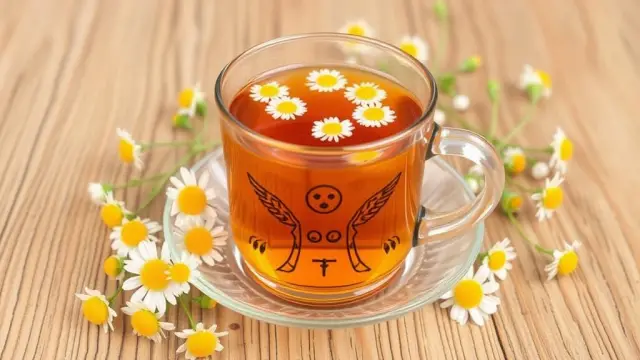
Chamomile is arguably the most famous tea for relaxation in the world, and its reputation is backed by solid biochemical science.
The secret behind chamomile’s soothing quality lies in a flavonoid called apigenin. This compound travels through the bloodstream and binds directly to benzodiazepine receptors on your brain’s GABA-A complex.
GABA (gamma-aminobutyric acid) acts as your central nervous system’s primary brake pedal. When GABA receptors are engaged, neuronal firing slows down. Your muscles relax, your racing thoughts subside, and a gentle sense of calm takes over.
What the research says
A landmark randomized, double-blind clinical trial funded by the National Center for Complementary and Integrative Health (NCCIH) and published through the National Library of Medicine (PubMed) investigated chamomile extract in patients diagnosed with Generalized Anxiety Disorder (GAD). Over a 26-week period, participants receiving daily chamomile extract showed significantly fewer anxiety relapses and lower overall anxiety scores compared to the placebo group.
- The Reality Check: The trial used 500 mg pharmaceutical-grade capsules. A regular cup of chamomile tea delivers a milder dose, making it ideal for mild nighttime restlessness rather than severe panic.
- Flavor Profile: Floral, gentle, apple-like sweetness.
- Brewing Tip: Cover your mug with a small saucer while steeping for 7 to 10 minutes to prevent apigenin-rich volatile oils from evaporating into thin air.
2. Lemon Balm (Melissa officinalis): daytime focus and calm herb
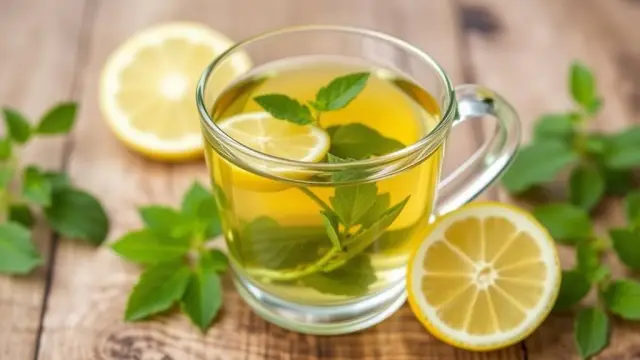
Ever felt so stressed during your workday that your brain completely froze? Lemon balm is a mint-family herb that offers a unique combination of mental relaxation without heavy sedation.
The primary driver here is rosmarinic acid. Under chronic stress, an enzyme called GABA transaminase breaks down your brain’s calming neurotransmitters too quickly. Rosmarinic acid temporarily halts that enzyme, keeping natural GABA circulating in your synapses longer.
What the research says
Researchers at Northumbria University tested lemon balm extract against lab-induced laboratory stress in healthy young adults. Participants who took single doses of standardized lemon balm showed significantly reduced negative mood effects and improved mathematical processing speed compared to baseline.
- The Reality Check: Dried whole-leaf lemon balm tea contains substantial levels of rosmarinic acid. Steep two heaping teaspoons of dried leaves in hot water for 8 minutes to extract optimal polyphenol levels.
- Flavor Profile: Bright, refreshing citrus notes with an earthy herbal undertone.
- Best Paired With: Mid-day work breaks when you need to decompress without feeling sleepy.
3. Lavender (Lavandula angustifolia): aromatherapy in a cup
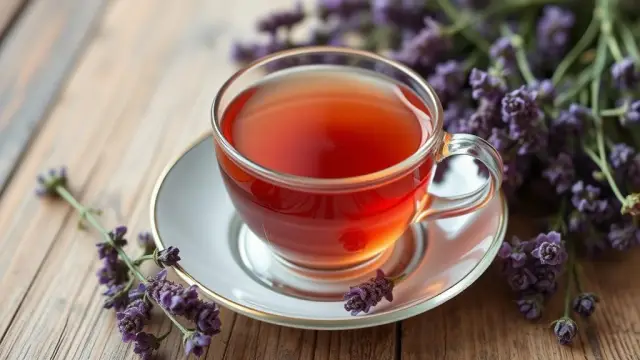
Lavender is widely known for scented oils and bath salts, but infusing food-grade lavender buds into hot water produces a deeply soothing herbal tea for anxiety.
Lavender’s active therapeutic terpenes — linalool and linalyl acetate — work by modulating voltage-dependent calcium channels in central nervous system neurons. This mechanism dampens the release of excitatory neurotransmitters like glutamate, which surge when your mind is overwhelmed.
What the research says
Most clinical trials on lavender focus on an oral pharmaceutical preparation called Silexan. Clinical data published in the World Journal of Biological Psychiatry demonstrated that 80 mg of daily lavender oil matched low-dose prescription anxiolytics in relieving subthreshold anxiety without withdrawal risks.
When you brew lavender tea, you get a two-fold benefit:

- The Olfactory Route: Inhaling the aromatic steam triggers olfactory nerves that project straight to the amygdala and hippocampus, lowering heart rate within minutes.
- The Ingested Route: Swallowing the liquid allows secondary polyphenols to soothe gastrointestinal spasms often triggered by tension.
Important Brewing Note: Pure lavender can taste like liquid perfume or soap if over-brewed. Blend a half-teaspoon of culinary lavender buds into a base of chamomile or green rooibos to balance the aroma.
4. Passionflower (Passiflora incarnata): silencing the overactive brain
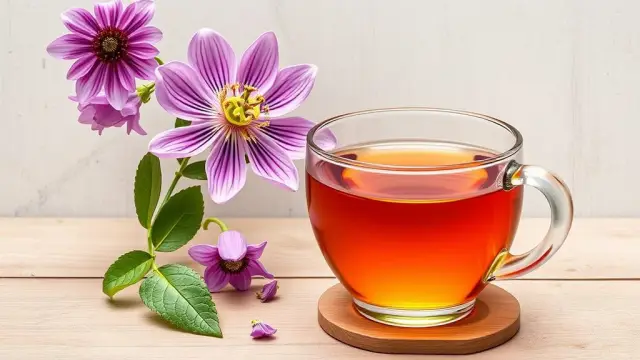
Do you struggle with an internal monologue that refuses to shut down when your head hits the pillow? Passionflower has been used for centuries by indigenous peoples across the Americas as an intuitive stress relief tea.
Scientists believe passionflower works through a complex mixture of flavonoids, including chrysin, that enhance GABA receptor activity. Unlike pharmaceutical sedatives, it rarely disrupts your natural sleep architecture or suppresses REM sleep.
What the research says
Double-blind clinical trials evaluated passionflower extract against conventional pharmaceutical sedatives for preoperative anxiety. Patients awaiting surgery who drank passionflower extract reported marked reductions in subjective anxiety scores without showing motor impairment or memory deficits.
A separate study published in Phytotherapy Research compared a daily cup of passionflower tea against a placebo in healthy young adults over one week. The tea group experienced statistically significant improvements in subjective sleep quality scores.
- Flavor Profile: Earthy, grassy, slightly vegetal (resembling mild green tea).
- When to Sip: Brew passionflower 30 to 45 minutes before bed when circular worries prevent you from unwinding.
5. Ashwagandha (Withania somnifera): balancing your stress hormone axis

Ashwagandha is not a leafy green tea; it is an earthy medicinal root classified as an adaptogen. In herbal science, an adaptogen helps your body achieve homeostasis by adjusting physiological responses to chemical, physical, and psychological stressors.
The active chemicals in the root are called withanolides. These compounds interact with the hypothalamic-pituitary-adrenal (HPA) axis, the primary hormone control tower in your body that dictates when and how much cortisol surges into your bloodstream.
What the research says
Dozens of modern clinical trials validate ashwagandha’s stress-modulating properties. In a double-blind, randomized, placebo-controlled study published in the Indian Journal of Psychological Medicine, adults taking standardized root extract experienced a 27.9% reduction in serum cortisol levels alongside significant drops in perceived stress scores over a 60-day period.
- Brewing Root Tea: Raw ashwagandha root is fibrous and woody. You cannot simply drop a bag in hot water for two minutes. Simmer the crushed dried root in water or milk for 10 to 15 minutes (a decoction) to pull out the dense withanolides.
- Flavor Profile: Bitter, pungent, and earthy (often blended with cinnamon, ginger, or honey).
- Ideal Routine: Daily morning or evening use over consecutive weeks rather than a one-time emergency fix.
6. Peppermint (Mentha piperita): releasing physical and somatic tension
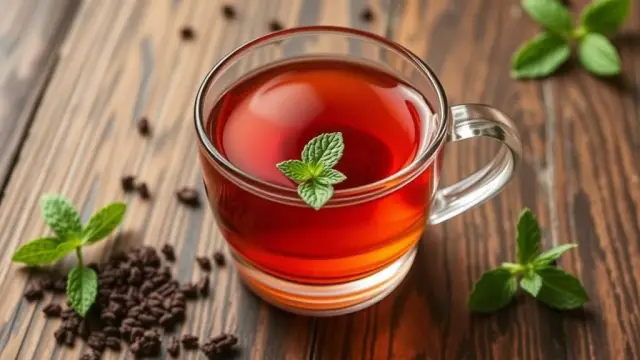
When emotional strain builds up, where do you feel it first? For millions of people, stress shows up physically as clenched jaw muscles, tension headaches, or a churning stomach.

Peppermint contains high concentrations of menthol, a natural monoterpene that acts as an antispasmodic. Menthol relaxes smooth muscle tissue throughout the gastrointestinal tract and promotes peripheral blood circulation.
What the research says
While peppermint tea does not directly change GABA receptors in the brain the way chamomile does, it targets the gut-brain axis. Up to 90% of the body’s serotonin is produced in the gut. By calming digestive spasms and reducing enteric nerve firing, peppermint interrupts the physical feedback loop that keeps your brain feeling alarmed.
- Flavor Profile: Crisp, cool, sweet mint.
- When to Sip: After heavy meals or during high-pressure work hours when your stomach knots up.
7. Holy Basil / Tulsi (Ocimum sanctum): cognitive de-stressor
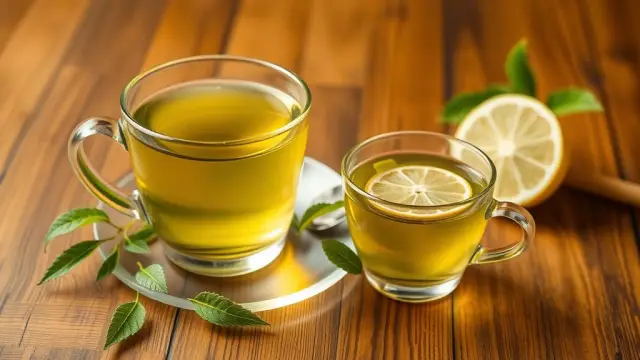
Revered in Ayurvedic traditions for millennia, Holy Basil (commonly known as Tulsi) is gaining serious traction in modern neuroscience.
Tulsi contains potent phytochemicals including eugenol, ursolic acid, and caryophyllene. These bio-compounds exhibit neuroprotective properties, counteracting stress-induced oxidative damage and supporting balanced neurotransmitter levels in animal and human models.
What the research says
A systematic review published in Evidence-Based Complementary and Alternative Medicine examined multiple clinical studies on Tulsi. The findings revealed consistent reductions in metabolic stress markers, blood pressure fluctuations, and subjective anxiety ratings among participants taking daily preparations.
- Flavor Profile: Spicy, warm, clove-like, and slightly peppery.
- Caffeine Status: Completely caffeine-free, making it a stellar coffee alternative for jittery afternoons.
How to brew herbal tea for maximum calming compounds
Most people brew herbal tea improperly, throwing away the exact therapeutic compounds they need. Use this step-by-step method to ensure you extract maximum active nutrients every single time.
- Start with Filtered Water: Tap water heavy with chlorine or minerals oxidizes fragile polyphenols. Use clean, filtered water brought to a rolling boil (205°F to 212°F / 96°C to 100°C).
- Use the Right Ratio: Use 1 to 2 tablespoons of loose dried herbs (or 2 tea bags) for every 8 ounces of water. Standard single tea bags are often dosed for light flavor, not therapeutic benefit.
- Always Trap the Steam: Essential terpenes like linalool and menthol are volatile, meaning they vaporize rapidly. Place a lid, saucer, or silicone cap over your brewing cup to trap the vapor and condense it back into the liquid.
- Extend Your Steeping Window: Delicate green tea gets bitter after three minutes, but herbal teas require 7 to 12 minutes of covered steeping to pull dense flavonoids out of roots, flowers, and leaves.
- Press the Botanicals: Before discarding the tea infuser or bag, gently squeeze it against the side of the cup using a spoon to release the final concentrated essence.
Safety guidelines, interactions, and precautions
Herbal teas are generally safe for healthy adults, but plants contain active pharmacodynamics that interact with prescription medications.
- Sedatives and GABA Agonists: If you take prescription medications for anxiety or sleep (such as benzodiazepines, SSRIs, or z-drugs), consult your healthcare provider before consuming large quantities of chamomile, passionflower, or valerian root, as sedative effects can compound.
- Blood Thinners: Chamomile contains naturally occurring coumarin compounds. While dietary tea amounts are usually benign, excessive daily intake could increase bleeding risks if combined with Warfarin or daily Aspirin regimens.
- Pregnancy and Breastfeeding: Certain herbs (including high-dose ashwagandha, high concentrations of peppermint, or medicinal chamomile) can stimulate uterine contractions or affect hormonal balance. Pregnant and nursing mothers should verify safety with their OB-GYN.
- Ragweed Allergies: Chamomile belongs to the Asteraceae daisy family. If you have severe contact dermatitis or systemic allergies to ragweed, marigolds, or chrysanthemums, skip chamomile and opt for lemon balm or peppermint instead.
Which tea fits your routine?
No herbal infusion will erase life’s challenges or cure chronic anxiety disorders overnight. When matched thoughtfully to your personal symptoms, however, stress relief tea serves as a grounded, scientifically supported ritual to calm an overstimulated nervous system.
- For bedtime overthinking: Choose Chamomile or Passionflower.
- For high-stress workday focus: Reach for Lemon Balm or Tulsi.
- For physical tension and tight stomachs: Pick Peppermint.
- For prolonged burnout and cortisol regulation: Incorporate Ashwagandha.
Set aside ten minutes today, put your phone in another room, boil a kettle of water, and let the hot steam do its quiet work.

