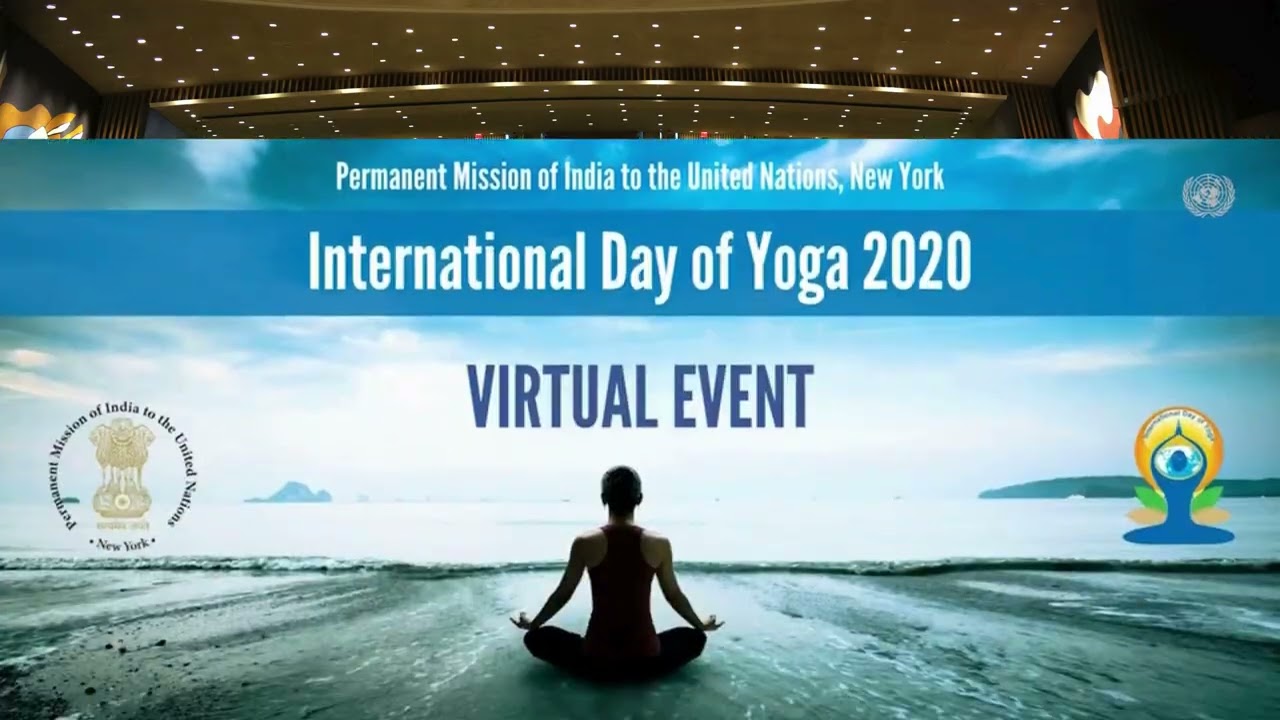
Ever wondered why millions of people roll out rubber mats in public parks, offices, and living rooms every single June 21? It is easy to look at International Yoga Day as just another social media trend or a corporate wellness checklist item. But it is much deeper than that. This global phenomenon bridges thousands of years of ancient human philosophy with the frantic pacing of our ultra-modern, screen-heavy lives.
Whether you are a seasoned practitioner who can effortlessly transition into a headstand or someone who struggles to touch their toes without groaning, this day belongs to you. It is a collective pause button for a stressed-out planet.
Key takeaways
- Ancient Roots, Modern Movement: Yoga originated in India thousands of years ago, but it became an official global UN holiday in 2014.
- The Solstice Connection: June 21 was intentionally chosen because it is the summer solstice — the longest day of the year in the Northern Hemisphere, symbolizing light and high energy.
- Beyond the Physical: While the stretching builds physical strength, the true goal of yoga is the seamless integration of mind, body, and breath.
- A Targeted Global Focus: The official theme for 2026 focuses on “Yoga for Healthy Ageing,” proving that this timeless practice belongs to every single generation.
How It Began
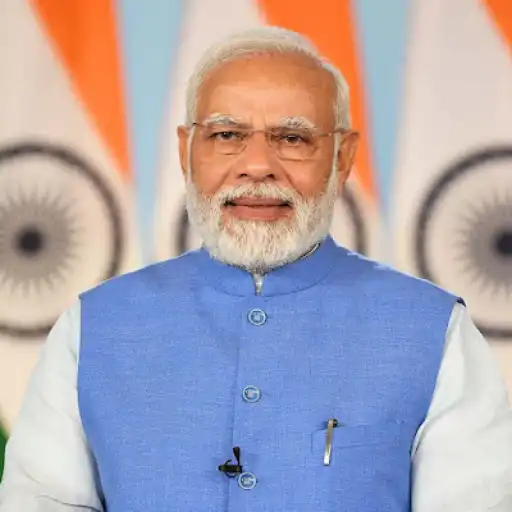
The official journey of International Yoga Day did not start on a fitness app; it started on the grandest political stage in the world. During his address to the United Nations General Assembly on September 27, 2014, Indian Prime Minister Narendra Modi proposed a simple yet powerful idea: dedicate a day to celebrating yoga.
He shared a compelling perspective with the world leaders:
“Yoga is an invaluable gift of India’s ancient tradition. It embodies unity of mind and body; thought and action; restraint and fulfillment; harmony between man and nature; a holistic approach to health and well-being.”

The proposal took the UN by storm. On December 11, 2014, UN Resolution 69/131 was officially adopted. A record-breaking 175 member states co-sponsored the resolution, marking the highest number of co-sponsors for any General Assembly resolution of its kind. Just six months later, on June 21, 2015, the world celebrated its very first International Yoga Day.
Why June 21?
Choosing the date was not random. June 21 is the summer solstice. It marks the longest day of the year in the Northern Hemisphere, a day when the earth receives its maximum abundance of sunlight.
In yogic mythology, this transition holds massive spiritual importance. It is widely believed that on the summer solstice, Shiva — the very first yogi (Adiyogi) — turned south and first began transmitting the sacred science of yoga to his disciples, the Saptarishis. From a purely practical standpoint, it is a day of cosmic light and energy, making it the perfect symbolic dawn for your personal wellness journey.
Ancient Origins
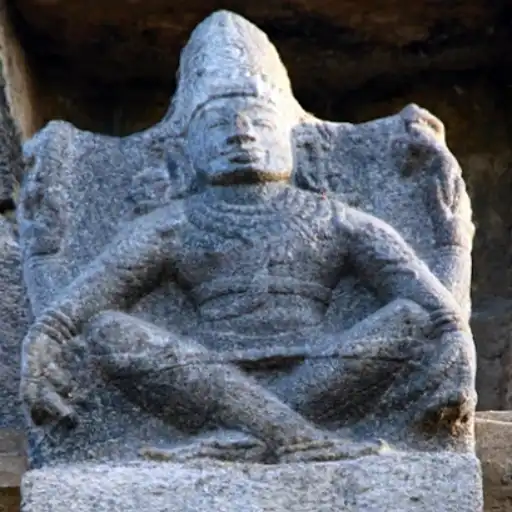
To appreciate why we celebrate today, we have to look backward. Way backward. Yoga is not a 21st-century invention born out of a boutique studio in California or London. Its roots stretch back over 5,000 years to the Indus-Sarasvati civilization in Northern India.
The word Yoga comes from the ancient Sanskrit root Yuj, which translates directly to “to join” or “to unite.” What are we joining? Your physical body, your wandering mind, and your breath.
Historically, yoga was never about getting a “beach body.” It was a comprehensive map for living. Around 400 CE, a wise sage named Patanjali organized these ancient oral traditions into a definitive text called the Yoga Sutras. He outlined the famous Eight Limbs of Yoga. Interestingly, physical postures (Asanas) make up only one of those eight limbs. The others focus heavily on ethics, personal discipline, breath control (Pranayama), concentration, and deep meditation.

When you practice yoga, you are participating in a living, breathing lineage of human psychology and physical exploration that has survived empires, shifts in technology, and the test of time.
Why We Celebrate: The Real-World Benefits
So, why do we dedicate an entire global day to it? Because the modern world is facing a silent crisis of chronic stress, anxiety, and physical inactivity. The World Health Organization constantly warns that physical inactivity is a top global risk factor for disease. Yoga offers an elegant, accessible solution that requires no fancy equipment — just a few feet of floor space and your own breath.
1. The Physical Revolution
Yoga is functional movement at its finest. It forces you to move your body through planes of motion that your daily desk job completely ignores.
- Dynamic Flexibility: It gently stretches tight muscle groups, relieving the classic lower back pain caused by sitting all day.
- Functional Strength: Holding your own body weight in poses like the Plank or Warrior II builds deep muscular endurance and core stability.
- Balance and Coordination: Standing postures train your brain and nervous system to stabilize your ankles and feet, directly preventing falls as you grow older.
2. The Mental Reset Button
When you get stressed, your sympathetic nervous system kicks into gear, pumping cortisol and adrenaline through your veins. Yoga pulls the emergency brake. By focusing on slow, deliberate breathing, you trigger the parasympathetic nervous system — your body’s natural “rest and digest” mode. Studies consistently show that a regular yoga practice dramatically drops cortisol levels, calms racing thoughts, and helps combat insomnia.
3. Emotional and Spiritual Grounding
Have you ever noticed how hard it is to worry about your email inbox when you are trying to balance on one leg? Yoga demands radical presence. It teaches you to observe uncomfortable sensations or frustrating thoughts without immediately reacting to them. That resilience on the yoga mat directly translates to resilience in real life.

2026 Focus: Yoga for Healthy Ageing
Every year, the United Nations establishes a specific theme to address global needs. The official theme focuses directly on “Yoga for Healthy Ageing.”
Our global population is shifting dramatically. By 2030, one in six people worldwide will be over the age of 60. As our bodies naturally age, we lose bone density, muscle mass, and balance. The UN’s focus this year highlights how yoga acts as a non-invasive, cost-effective toolkit to preserve mobility, independence, and mental clarity well into our later years. It isn’t about doing intense contortions; it is about gentle, sustainable movement that honors the body at any age.
Your Quick Guide to Getting Started
You do not need to be flexible to start yoga. That is like saying you need to be clean to take a shower. If you want to honor International Yoga Day this year, try incorporating these five simple, foundational poses into your morning routine:
- Mountain Pose (Tadasana): Stand tall with your feet together, shoulders relaxed, and arms at your sides. Ground your feet into the floor and breathe deeply. This builds posture and alignment.
- Downward-Facing Dog (Adho Mukha Svanasana): Form an inverted “V” shape with your body, pushing your hips up and back. This stretches your hamstrings, calves, and spine all at once.
- Warrior II (Virabhadrasana II): Step your feet wide apart, bend your front knee, and extend your arms out parallel to the floor. It builds fierce leg strength and focus.
- Tree Pose (Vrikshasana): Balance on one leg while placing the sole of your other foot against your inner calf or thigh. Keep your eyes on a single, unmoving point to find your stability.
- Child’s Pose (Balasana): Kneel on the floor, sit back on your heels, and fold your torso forward, resting your forehead on the ground. This is the ultimate reset pose for deep relaxation.
Rolled Out Your Mat Yet?
International Yoga Day is a vibrant reminder that health is holistic. It is a celebration of human potential, unity, and simple self-care. This year, do not just read about it. Take five minutes to step away from your digital screens, close your eyes, take a massive deep breath, and stretch. Your mind and body will thank you.
Are you planning to try a session this June 21? Let us know in the comments below which pose is your absolute favorite, or share your experience trying yoga for the first time!
To see exactly how millions of people gather globally on this day, you can watch this brief overview of the United Nations International Day of Yoga Celebrations. This footage captures the true scale of the global event, featuring mass outdoor sessions that illustrate the unity and shared energy of the movement.