

Exploring the Celtic origins, harvest traditions, and modern celebrations of Lughnasadh and Lammas.
Have you ever thought about where your bread comes from? Today, we just grab a sliced loaf from the grocery store. But a thousand years ago, bread was a matter of life and death. You couldn’t just order takeout if the crops failed.
August 1st marked a massive turning point for our ancestors. For the ancient Celts, this day kicked off Lughnasadh (pronounced Loo-NAS-ah). Meanwhile, early English Christians called it Lammas Day. Both festivals celebrated the exact same thing: the very first grain harvest of the season.
Let’s break down the actual history behind these fascinating traditions. We will explore ancient Irish gods, early Olympic style games, and magical bread rituals.
What Exactly is Lughnasadh?
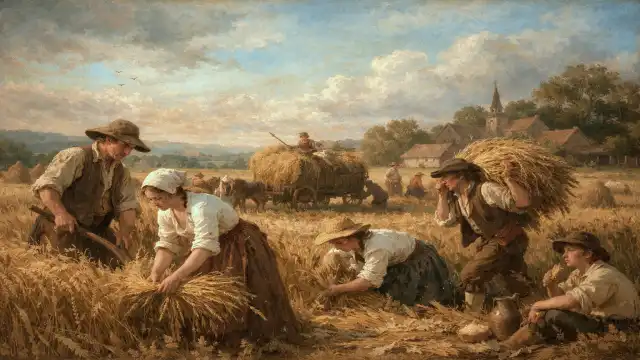
Long before modern calendars existed, Celtic people divided their year into specific seasons. They relied heavily on nature. Consequently, they hosted four major fire festivals to mark seasonal shifts. Samhain started the dark half of the year in winter. Imbolc welcomed the first signs of spring. Beltane brought the summer heat. Finally, Lughnasadh arrived to celebrate the early harvest.
This specific festival gets its name from Lugh. In Irish mythology, Lugh was a prominent god of the Tuatha Dé Danann. He was a master of many skills, including metalworking, arts, and warfare. However, this holiday wasn’t really a giant ego boost for him. Instead, he created the festival to honor his foster mother, Tailtiu.
According to ancient legends, Tailtiu literally worked herself to death. She cleared the massive plains of Ireland so the local people could finally plant crops and feed themselves. As a result, Lugh hosted a funeral feast to honor her sacrifice. He didn’t just stop at dinner, though. He launched a massive sporting event.
The Tailteann Games: Ireland’s Ancient Olympics
If you think sports rivalries are intense today, you should see ancient Ireland. The Tailteann Games (or Áenach Tailteann) were essentially the Celtic Olympics. In fact, some historians suggest these games predate the Greek Olympics by centuries.
People from all over the region traveled to County Meath to participate. Naturally, the festival featured standard track and field events. Athletes competed in long jumps, running, and spear throwing. But it also included hurling, sword fighting, and chariot racing.
Beyond the sports, this gathering served a practical purpose. Communities lived far apart during the rest of the year. Therefore, Lughnasadh became a massive networking event. Kings proclaimed new laws. Merchants traded horses and cattle.
Interestingly, the festival also featured “trial marriages.” Young couples would join hands through a hole in a wooden door. This temporary union lasted exactly one year and one day. If they didn’t like each other by the next Lughnasadh, they simply walked away. No hard feelings. No messy divorce papers.
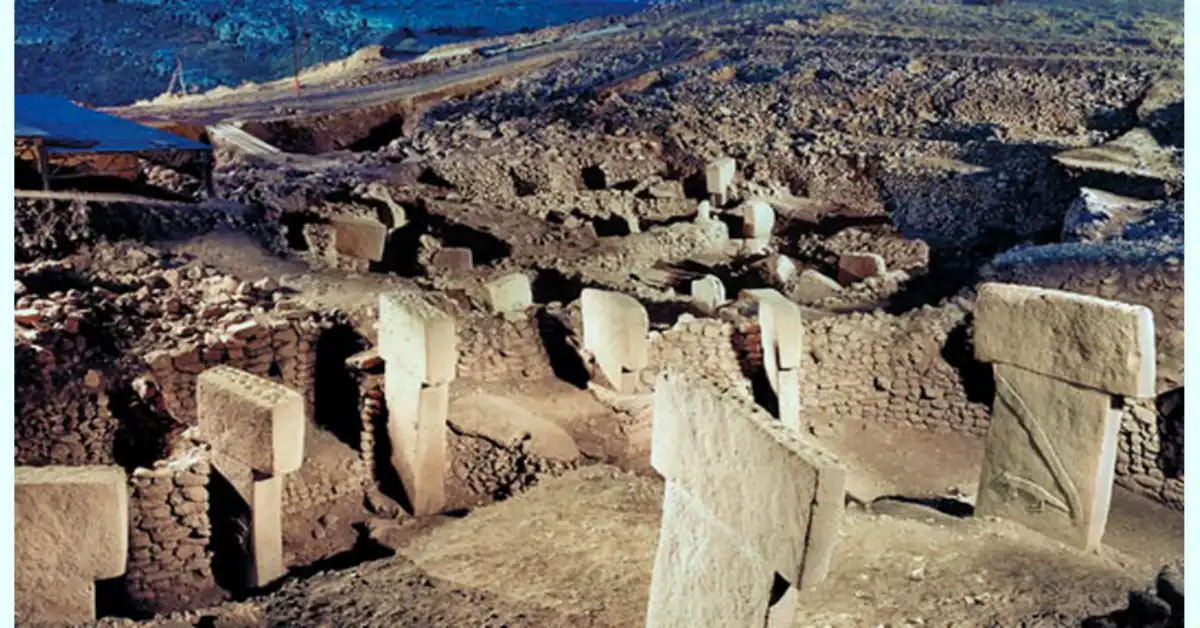
Lammas Day: The Christian “Loaf Mass”
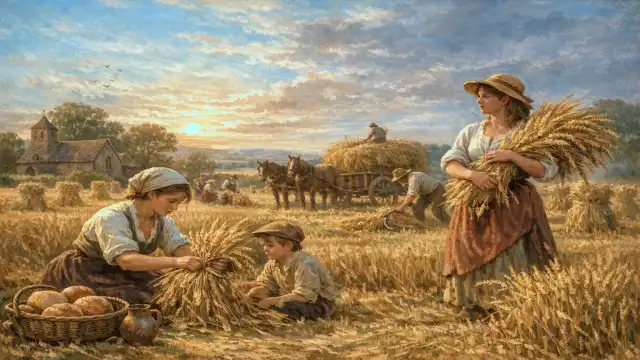
As centuries passed, Christianity spread across Northern Europe. Church leaders realized it was nearly impossible to make people stop celebrating their beloved summer festivals. Thus, they did something incredibly smart. They simply rebranded the holiday.
In Anglo-Saxon England, the early August festival became known as Lammas. The word comes from the Old English term hlāfmæsse, which translates directly to “Loaf Mass.”
The rules were fairly straightforward. Farmers harvested the very first sheaves of their wheat or barley. Next, they baked a fresh loaf of bread from this new grain. Finally, they brought that specific loaf to their local parish church. The priest would then bless the bread during a special mass.
This simple act held deep meaning. It was a physical way to show gratitude for the food they were about to eat. It also served as a prayer for good weather. After all, the rest of the crops still needed to be harvested safely.
Magic, Superstition, and Mice
Our Anglo-Saxon ancestors were highly superstitious. They genuinely believed that blessed objects held protective powers. Because of this, the Lammas loaf didn’t always get eaten right away.
Sometimes, farmers took the blessed bread back home. An old Anglo-Saxon charm book actually gave specific instructions for this. The farmer would break the loaf into four separate pieces. Then, they placed one piece in each of the four corners of their grain barn.
Why do this? To ward off mice, rats, and evil spirits. When you depend entirely on stored grain to survive the brutal winter, a mouse infestation is basically a death sentence. Therefore, people used every bit of spiritual protection they could find. You can verify these historical charm practices through resources like the World History Encyclopedia.
Why the First Harvest Mattered So Much
To truly understand Lughnasadh and Lammas, you must understand the “hungry gap.”
Imagine living in the 8th century. By late July, your winter food stores are completely empty. The root cellars are bare. You have been foraging for berries and leafy greens just to stay upright. Your family is exhausted, yet this is the exact moment you must perform the hardest manual labor of the year.
You must cut the wheat down by hand using a heavy scythe. Then, you have to thresh it, winnow it, and grind it into flour. It was grueling, back breaking work.
Harvesting before Lammas was actually considered a massive failure. If you cut the grain early, it meant you didn’t plan well enough the previous year. You ran out of food. On the flip side, reaching August 1st meant you made it. The starvation period was over.

Fresh bread baking in the oven wasn’t just a nice smell. It was survival.
Key Differences: Lughnasadh vs. Lammas
People often use these terms interchangeably today. However, they historically represent two different cultural approaches to the exact same season. Let’s break down the main differences.
- Cultural Origin: Lughnasadh is fiercely Celtic (Irish, Scottish, Manx). Lammas stems heavily from Anglo-Saxon and English traditions.
- Core Focus: The Celtic festival focuses on honoring a god (Lugh) and his mother through athletic feats and community gatherings. The English version focuses on agricultural thanksgiving and church blessings.
- Key Symbols: Lughnasadh highlights the sun, spears, and physical competition. Lammas heavily highlights wheat sheaves, corn dollies, and baked bread.
- Duration: The Irish festival historically lasted for weeks. It started in mid July and ran well into August. Conversely, Lammas was usually a single specific day of religious observance.
Historic Customs We Can Still Relate To
You might not want to enter a sword fighting tournament today. But many Lughnasadh and Lammas traditions still feel incredibly relevant.
- Climbing Mountains: In Ireland, people traditionally climbed hills and mountains on the last Sunday of July. They picked wild bilberries at the top. Even today, thousands of people climb Croagh Patrick in County Mayo around this time.
- Making Corn Dollies: Harvest workers rarely wanted to upset the “spirit of the grain.” As they cut the last bundle of wheat, they wove it into a small human figure. They kept this dolly safe indoors all winter.
- Handfasting: Remember those ancient trial marriages? Modern pagans and secular couples still practice handfasting. They tie a literal ribbon around their joined hands to symbolize their union. It is where we get the phrase “tying the knot.”
- Feasting: After a month of near starvation, communities threw massive parties. They ate fresh bread, roasted meats, and early harvest fruits like apples.
How Modern Folks Celebrate Today
You don’t need to be an ancient Celtic warrior to appreciate this holiday. Modern Wiccans, Neo pagans, and history buffs keep these traditions alive every single August.
For many Wiccans, Lughnasadh is one of the eight major Sabbats on the Wheel of the Year. They view it as a time when the Sun God begins to lose his strength. The days are noticeably getting shorter. Thus, they sacrifice the first grain to ensure the cycle of life continues.
If you want to celebrate at home, keep it simple. Bake a loaf of bread from scratch. It doesn’t have to be perfect. Kneading the dough forces you to slow down and appreciate the effort it takes to create food.
Alternatively, visit a local farmer’s market. Buy fresh, seasonal produce. Support the people who actually grow your food. It completely shifts your perspective from mindless consumerism to genuine gratitude.
You can also host a small dinner party. Serve bread, cheese, berries, and maybe some local ale or wine. Decorate the table with yellow and orange colors to represent the fading summer sun.
The Shift in Agricultural Awareness
We have largely lost our connection to the land. Most of us don’t know when wheat is actually harvested. We just know bread sits on aisle four.
Festivals like Lammas Day force us to look backward. They remind us that humanity was always at the mercy of the weather. A bad storm in late July could literally wipe out a village’s entire food supply for the upcoming year.
Consequently, the act of harvesting wasn’t just a job. It was a sacred, terrifying, and joyous responsibility. The people who cut that grain felt a profound sense of relief.
When you read through the historical documents of early Europe, the anxiety is obvious. Landlords demanded their rent precisely on August 1st. Rents were often paid in physical crops. If the harvest was late, the tenant farmer faced eviction. Therefore, Lammas was also a high stress financial deadline.
The Spirit of Lughnasadh Lives On
Ultimately, these ancient holidays are about balance. We must recognize that summer is ending. The hard work of the harvest is just beginning. Yet, there is plenty of food on the table right now.
It is perfectly fine to mourn the end of the warm, lazy summer days. But we also have to roll up our sleeves. Winter is coming, and we need to prepare.
Are we that different from our ancestors? Probably not. We still crave community, good food, and a sense of security. We still want to celebrate our hard work. We still look for reasons to gather around a table with the people we care about.
Frequently Asked Questions
How do you genuinely celebrate Lughnasadh in a cramped city apartment?
Naturally, you don’t need a massive farm to honor the shifting seasons; baking a rustic, simple loaf in a tiny oven works perfectly. Furthermore, actively visiting an urban farmer’s market immediately connects you to the festival’s core gratitude.
Do traditional Lughnasadh bilberries actually taste different from standard grocery store blueberries?
Yes, wild Irish bilberries deliver a much sharper, intensely tart bite compared to the watered-down sweetness of commercial fruit. Consequently, modern foragers absolutely prize them for baking authentic summer pastries.
Is participating in Celtic harvest rituals considered cultural appropriation if you have zero Irish DNA?
Honestly, modern earth-based communities largely welcome anyone who approaches these ancient traditions with genuine respect and deep historical curiosity. Therefore, simply acknowledging the rich, authentic roots of the holiday keeps your celebration both inclusive and honoring.
What realistically happens if you try the Anglo-Saxon Lammas bread charm to repel modern house mice?
Ironically, crumbling blessed bread in your modern garage will probably attract hungry rodents rather than spiritually scaring them away! Thus, historians view this specific ritual strictly as a fascinating psychological comfort rather than effective pest control.
Can tourists still compete in any surviving version of the original Áenach Tailteann games today?
Unfortunately, the ancient sporting events entirely died out, despite a very brief, heavily politicized revival attempt during the 1920s. Instead, visitors should definitely attend modern local hurling matches to truly feel that exact same fierce, historical competitive spirit.
Ready to Celebrate Your Own Harvest?
What are you currently harvesting in your own life? Maybe you just finished a massive work project. Perhaps you finally paid off a debt. Or maybe you just managed to keep your houseplants alive this summer.
Whatever it is, take a moment this August to celebrate it. Leave a comment below and tell us what you are most grateful for this harvest season! Don’t forget to share this article with your history loving friends or anyone who just really, really loves bread.

