

How The Picture of Dorian Gray Sparked a Victorian Scandal – and Why Oscar Wilde’s Novel Still Shapes Pop Culture
Imagine writing a story so provocative it gets used as evidence to send you to prison. Sounds like a plot twist from a dystopian Netflix series, right? But for Oscar Wilde, this was real life. When The Picture of Dorian Gray hit newsstands in 1890, it didn’t just ruffle feathers; it practically set the Victorian coop on fire. Critics screamed “immoral.” The public gasped. And Wilde? He smirked, at least for a while.
But why did a story about a pretty boy and a painting freak everyone out? And more importantly, why does this 130-year-old novel feel like it was written for the Instagram generation?
Let’s dive into the scandal that ruined a genius and the legacy that refuses to die.
The 1890 Release: A “Poisonous” Debut
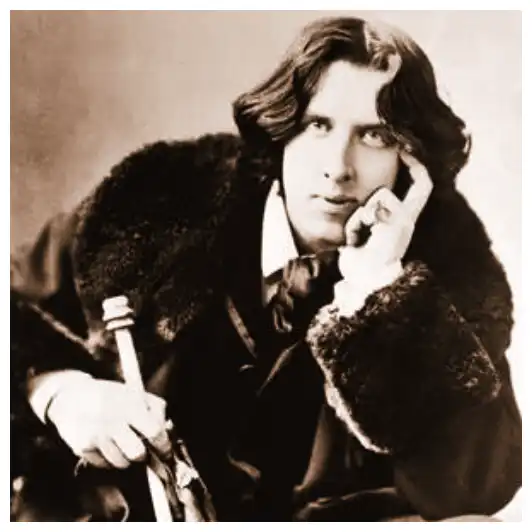
It started in July 1890. Lippincott’s Monthly Magazine published the first version of the story. Victorian London was buttoned-up, obsessed with propriety, and terrified of anything that hinted at “unnatural” desires. Wilde, true to form, gave them exactly what they feared.
The story follows Dorian, a young man who sells his soul for eternal youth. While he stays fresh-faced, his portrait ages and rots, documenting every sin and cruelty.
The Critics Attack
The backlash was instant. It wasn’t just a bad review; it was a moral panic.
- The Daily Chronicle called it “unclean,” “poisonous,” and heavy with “the mephitic odours of moral and spiritual putrefaction.”
- The St. James’s Gazette suggested the book was fit only for “outlawed noblemen and telegraph boys” (a coded reference to a recent gay brothel scandal).
- W.H. Smith (yes, the bookstore chain that still exists) refused to stock the magazine.
They hated it because it blurred the lines. It didn’t preach. It didn’t punish Dorian immediately. Worst of all, it hinted at homoerotic undertones between the artist Basil Hallward and Dorian. In 1890, you didn’t just not talk about that; you pretended it didn’t exist.
Wilde’s Defense: Art for Art’s Sake
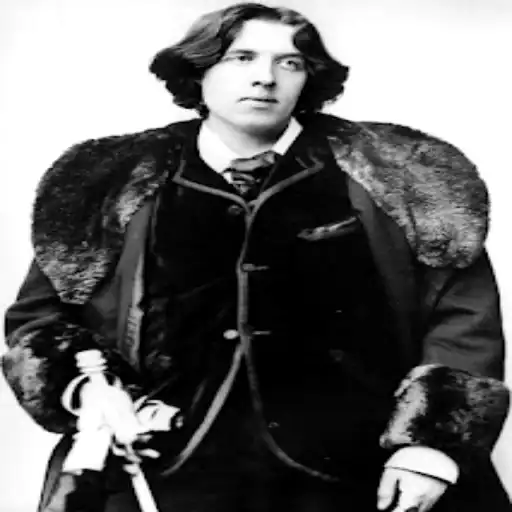
Picture credit: The Victorianachronists
Did Wilde apologize? Please. He fired back.
He argued that a book can’t be moral or immoral it’s just well written or badly written. This is the core of Aestheticism: art exists just to be beautiful. It doesn’t have a job. It doesn’t need to teach you a lesson.
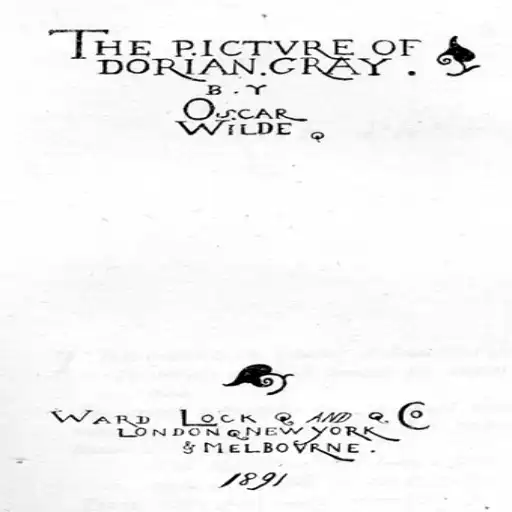
However, the pressure was intense. For the 1891 book publication, Wilde actually toned it down.
- He expanded the story to make it a proper novel.
- He softened the romantic language between Basil and Dorian.
- He added the famous Preface, a manifesto of aphorisms like, “All art is quite useless.”
He was trying to protect his creation. But the damage was done. The “immorality” label stuck like glue.
From Fiction to Courtroom Evidence
Here is where the story turns tragic. In 1895, Wilde was at the height of his fame. But he made a fatal error: he sued the Marquess of Queensberry for libel. The Marquess was the father of Wilde’s lover, Lord Alfred Douglas (“Bosie”), and had accused Wilde of being a “somdomite” (spelling wasn’t his strong suit).
During the trial, the defense didn’t just attack Wilde’s actions; they attacked his art.
- Lawyers read passages from Dorian Gray aloud in court.
- They asked, “Is this the kind of book a moral man would write?”
- They used his fiction to frame his reality.
Wilde tried to defend it with wit, but the courtroom wasn’t a theater. The laughter died. Wilde eventually dropped the libel suit, but the government immediately arrested him for “gross indecency.” He was convicted and sentenced to two years of hard labor. The book that made him a legend helped destroy his life.
Why We Are Still Obsessed With Dorian Gray
Fast forward to today. We aren’t shocked by the “sins” in the book anymore. Yet, the story hits harder than ever. Why? Because we are living in the Age of Dorian.
The Original Selfie Filter
Think about it. Dorian has a public face (his youthful body) and a private reality (the rotting picture).
- Social Media: We curate our “grid” to look perfect, happy, and flawless.
- Reality: Behind the screen, there’s anxiety, mess, and “imperfections.”
We edit out the pimples. We use filters to smooth the skin. We delete the photos that don’t get enough likes. We are all trying to keep the “portrait” in the attic while presenting a perfect mask to the world. Psychologists even call this “Dorian Gray Syndrome” a dysmorphic disorder characterized by an extreme pride in personal appearance and the refusal to age.
Pop Culture refusal to Let Go
The novel has never been out of print. It’s everywhere.
- Movies: From the chilling 1945 adaptation to the sexy, dark 2009 version with Ben Barnes.
- TV: Penny Dreadful featured a pansexual, immortal Dorian who was bored with eternity.
- Music: Bands from Nirvana to U2 have referenced the themes of vanity and decay.
It endures because the villain isn’t a monster under the bed. The villain is us. It’s our vanity. It’s our desire to get away with things.
A Warning or a Mirror?
Oscar Wilde once said, “The books that the world calls immoral are books that show the world its own shame.”
He nailed it. The Victorians hated Dorian Gray because it showed them their own hypocrisy. We love it because it shows us our own obsession with image. It forces us to ask: If you had a picture that took all your scars, how ugly would it look by now?

Wilde paid a terrible price for his honesty. But in the end, he won. The critics are forgotten dust. The scandal is a history lesson. But Dorian? Dorian is forever young.
Key Takeaways
- The Scandal: Published in 1890, the book was reviled as “poisonous” for its homoerotic subtext and lack of moral judgment.
- The Trial: Passages from the book were used as evidence to convict Wilde of “gross indecency” in 1895.
- Modern Relevance: The story predicts modern “selfie culture” and the obsession with curated, artificial perfection.
- Legacy: It remains a staple of pop culture, influencing films, psychology, and music.
Frequently Asked Questions: Secrets of Dorian Gray
Why was The Picture of Dorian Gray banned or censored in 1890?
The novel wasn’t officially “banned” by the government, but it was heavily censored by editors and boycotted by bookstores like W.H. Smith. Victorian critics labeled the story “poisonous” and “unclean” because it lacked a clear moral lesson and hinted at homoerotic desire between the characters. Oscar Wilde actually had to revise and tone down the original 1890 manuscript for its 1891 book release to avoid prosecution, though the stigma remained.
Was Oscar Wilde really sent to prison because of his book?
Not exclusively, but the book played a huge role. During Oscar Wilde’s 1895 trials for “gross indecency” (a historic term for homosexuality), the prosecution read passages from The Picture of Dorian Gray aloud in court. They used the novel as “evidence” of Wilde’s own corrupt morals. While he was convicted based on his relationships with men, the novel was effectively used as a weapon to turn the public and jury against him.
Is The Picture of Dorian Gray considered LGBTQ+ literature?
Yes, modern scholars widely consider it a cornerstone of Queer Literature. While Wilde couldn’t be explicit due to Victorian laws, the relationship between the artist Basil Hallward and Dorian is deeply romantic. Basil worships Dorian, stating, “I have put too much of myself into it.” The novel explores the concept of the “love that dare not speak its name,” making it a vital piece of history for understanding LGBTQ+ coding in the 19th century.
What is the “Dorian Gray Syndrome” in psychology?
Dorian Gray Syndrome (DGS) is a cultural and psychological concept describing an extreme obsession with personal youth and appearance. Sufferers struggle to cope with the natural aging process, often relying on heavy cosmetic use, surgery, or in the digital age excessive photo editing and filters. It reflects the novel’s central theme: the terror of losing one’s beauty while the soul (or reality) decays unnoticed.
What is the main moral lesson of The Picture of Dorian Gray?
The story serves as a warning against Aestheticism (art for art’s sake) taken to a toxic extreme. It suggests that while art can be beautiful without a purpose, life has consequences. Dorian tries to live like a piece of art—beautiful on the outside, untouched by morality. However, the rotting portrait proves you cannot escape the ugliness of your own actions. Eventually, your “picture” catches up with you.
Enjoyed this? Don’t let your literary knowledge rot in the attic. Share this article with a friend who loves a good scandal!

