

2025’s New Species: How Many Were Discovered — Top Finds, By the Numbers
You might think we’ve mapped every inch of this blue marble, but Mother Nature? She’s still got plenty of tricks up her sleeve. Just when we assume we’ve seen it all—every bug, beast, and bottom-feeder—science drops a fresh batch of “what on earth is that?”
Welcome to the definitive roundup of 2025’s new species discoveries. This year wasn’t just about adding names to a list; it was a highlight reel of the weird, the wonderful, and the downright baffling. We’re talking about toads that skip the tadpole stage, a fish with a head like a glob of putty, and a dinosaur that’s been hiding in a museum drawer for decades.
If you’re a tech enthusiast fascinating by bio-mimicry, or a parent wanting to wow your kids with real-life monsters, you’re in the right place. We’re diving deep into the stats, the stories, and the science behind the year’s wildest finds.
By the Numbers: The 2025 Biodiversity Scorecard
Before we meet the critters, let’s talk stats. How many new neighbors did we actually meet this year?
Pinning down an exact global number is tricky because discoveries happen daily, but major institutions dropped some massive figures in their year-end reports.
- 16,000+ New Species Globally: A landmark study led by the University of Arizona and published in Science Advances in late 2025 confirms that scientists are describing roughly 16,000 new species every single year. Contrary to the gloom-and-doom belief that discovery is slowing down, we’re actually finding them faster than ever!
- 262 from the Natural History Museum (NHM), London: The heavy hitters at NHM London had a banner year, describing 262 new species. Their list is a kaleidoscope of life, ranging from ancient dinosaurs to microscopic ocean worms.
- 70+ from the American Museum of Natural History (AMNH): Across the pond, researchers at AMNH in New York announced over 70 new species. Their haul proves that you don’t always need a machete and a pith helmet; many “new” finds were hiding in plain sight within their own vast collections, just waiting for a fresh pair of eyes (and some DNA sequencing).
- 27 “Shocking” Finds in Peru: An expedition by Conservation International in the Alto Mayo landscape of Peru uncovered 27 species new to science in a single trip, proving that the Amazon rainforest remains the undisputed champion of biodiversity.
“We are finding new species at a faster rate than ever before,” says Dr. John Wiens from the University of Arizona. It’s a race against time, but science is sprinting.
Top Finds of 2025: The Weirdest & Wildest
Grab your field guide (and maybe a magnifying glass). Here are the superstars of 2025 that made headlines and dropped jaws.
1. The “Blob-Headed” Fish
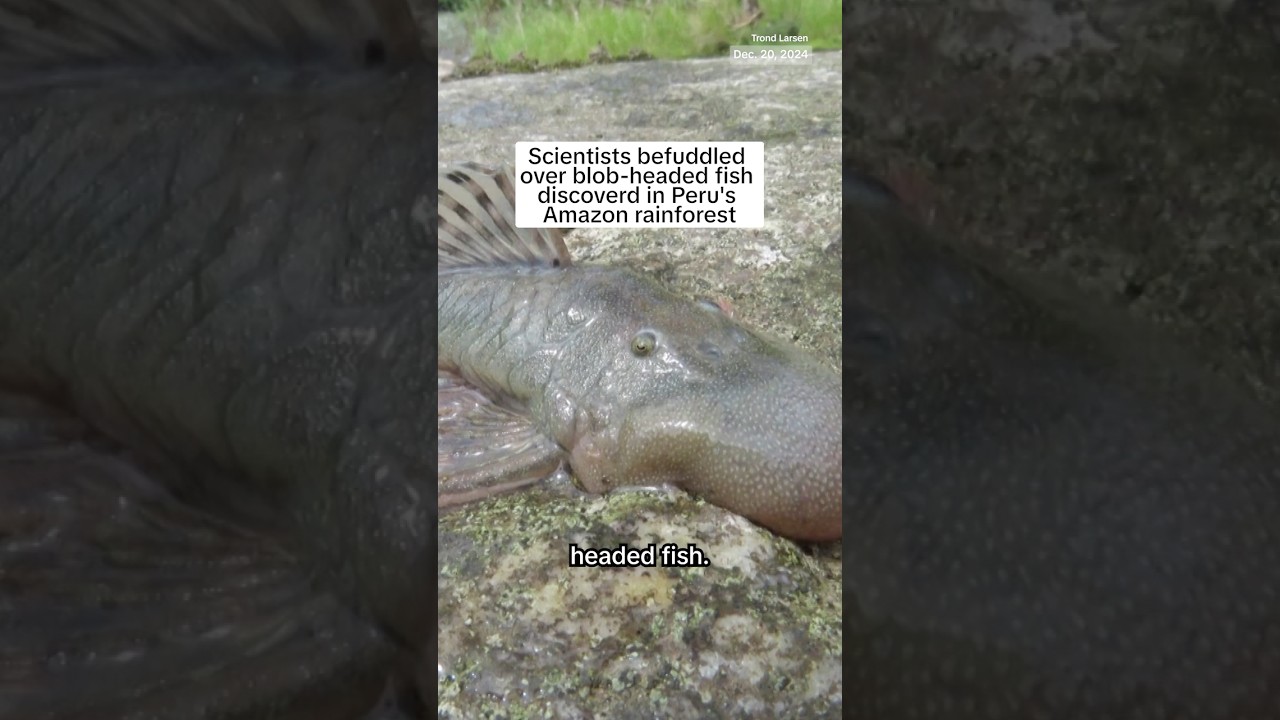
- Location: The Andes, Peru
- Vibe: “I woke up like this.”
Let’s start with the face only a mother could love. Discovered during that prolific expedition in Peru’s Alto Mayo, this new fish species has a head that looks like… well, a melted candle.
Experts were stumped. The “blob” structure on its head is unlike anything seen in related fish families. Is it for mating? Sensing vibration? Cushioning impacts? We don’t know yet. But this blob-headed wonder is a perfect example of how evolution can take a standard fish blueprint and hit the “randomize” button. It was found in a high-altitude river ecosystem, reminding us that freshwater habitats are often isolated islands of evolution.

2. The Dinosaur in the Drawer: Enigmacursor
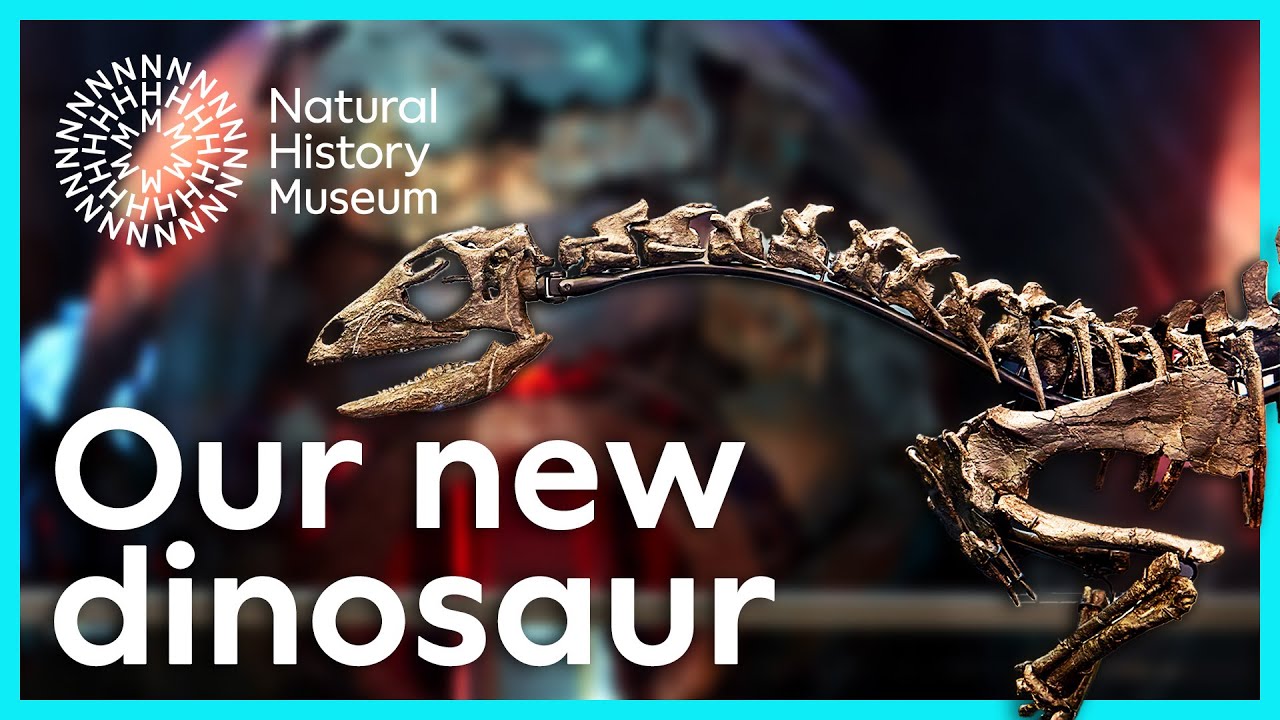
- Location: Morrison Formation (USA) / NHM Collections
- Vibe: Ancient mystery solved.
Paleontology isn’t always about digging in the dirt. Sometimes, it’s about digging through the archives. In December 2025, scientists at the Natural History Museum unveiled Enigmacursor.
For over 150 years, we’ve known about the giants of the Morrison Formation—icons like Diplodocus and Stegosaurus. But the little guys got overlooked. Enigmacursor was a small, herbivorous dinosaur that scurried around the feet of those titans. By re-examining “fragmentary” bones stored in the museum, researchers realized they weren’t just scraps; they belonged to an entirely new species. It highlights a crucial gap in our knowledge: we know the giants, but we’re just starting to understand the small critters that filled the ancient ecosystem.
3. The “Live-Bearing” Tree Toads
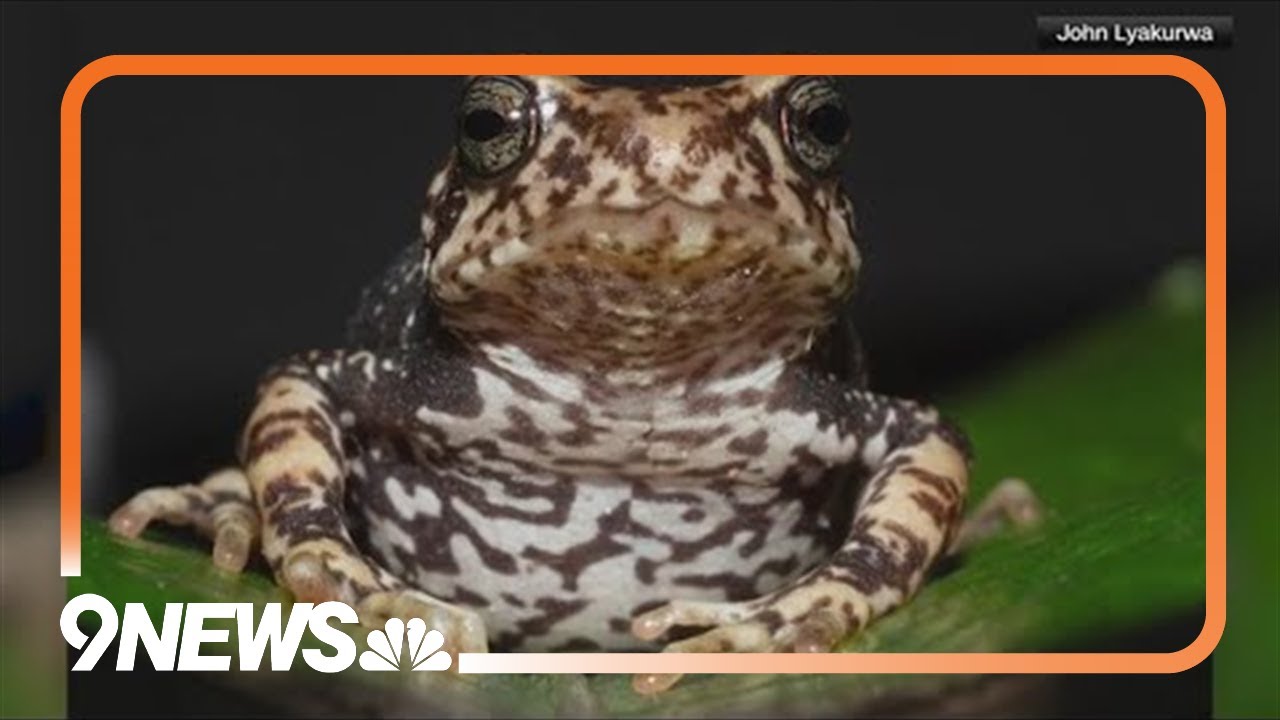
- Location: Eastern Arc Mountains, Tanzania
- Vibe: Rule breakers.
Biology 101 teaches us the frog life cycle: Eggs -> Tadpoles -> Frogs. Simple, right?
Well, three new species of toads from Tanzania—Nectophrynoides uhehe, N. latieceps, and N. luhomeroensis—didn’t get the memo. These tiny amphibians, found in isolated forest patches, give birth to live, fully-formed young. They completely skip the aquatic tadpole stage.
Why? It’s an evolutionary hack. By bypassing the need for standing water, they can survive in steep, misty mountain forests where ponds are scarce. But there’s a catch: their habitat is tiny and threatened by deforestation. Losing these forests means losing a unique evolutionary experiment found nowhere else on Earth.
4. The “Teddy Bear” Bee (Habropoda pierwolae)
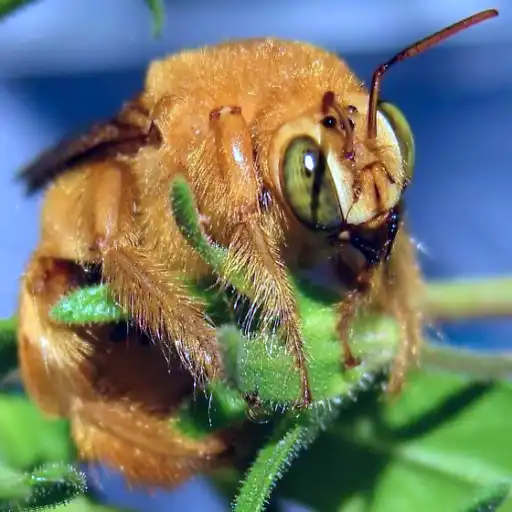
- Location: Vietnam
- Vibe: Cuddly (but please don’t cuddle it).
In a heartwarming twist, 2025 gave us a bee that looks like a plush toy. Discovered in Vietnam, this solitary bee species is covered in dense, fuzzy hair that earned it the nickname “Teddy Bear Bee.”
Entomologists from AMNH and Vietnamese researchers described it as part of a list of 70+ new finds. While honeybees get all the press, solitary bees like this one are the unsung heroes of pollination. Its thick “fur” likely helps it regulate temperature or collect pollen more efficiently in its specific micro-habitat. Plus, it’s undeniably cute—a rare trait for an insect!
5. The Greta Thunberg Moth (Topiris thunbergella)
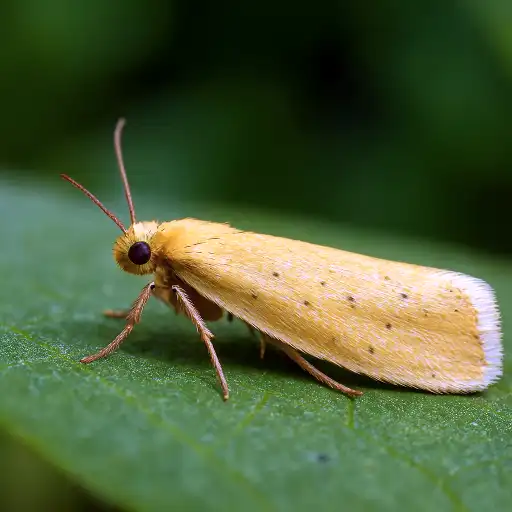
- Location: Described by NHM
- Vibe: Small but mighty.
Taxonomy (naming species) is often used to honor people, and 2025 saw a tiny moth named after climate activist Greta Thunberg. It’s a small, unassuming creature with yellow and cream coloring, but it carries a heavy message.
Choosing this name highlights the urgent link between biodiversity loss and climate change. Moths are indicators of environmental health; when they vanish, it’s a warning sign for the whole ecosystem.
6. The Jurassic “Python-Lizard”: Breugnathair elgolensis
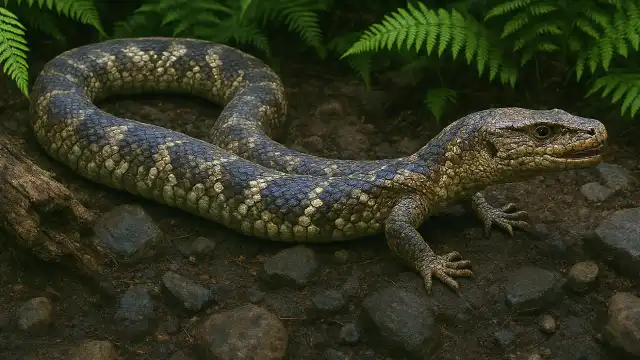
- Location: Isle of Skye, Scotland
- Vibe: A missing link.
Scotland isn’t just for Nessie. In 2025, scientists finally described a fossil found years ago on the Isle of Skye. Breugnathair elgolensis is a reptile from the Middle Jurassic period.

What makes it cool? It has recurved, python-like teeth and a body plan that sits somewhere between early lizards and the ancestors of snakes. It provides a rare glimpse into the “Middle Jurassic Gap”—a time period where fossil records are notoriously patchy. This creature helps connect the dots of how modern squamates (lizards and snakes) evolved.
Deep Dive: Why Do We Keep Finding New Stuff?
You might be asking, “why haven’t we found everything yet?”
The answer lies in technology and access.
The DNA Revolution
We aren’t just looking at shape and color anymore. Genomic sequencing allows scientists to look at the “code” of an animal.
- Case in Point: The jewel butterflies (Hypochrysops) described by NHM this year. To the naked eye, they look similar. But DNA analysis revealed they were genetically distinct species that had been lumped together for decades.
Exploring the “Twilight Zone”
We’ve barely scratched the surface of the ocean.
- In late 2025, researchers from the California Academy of Sciences used autonomous reef monitoring structures (ARMS) to find 20+ new species in the deep coral reefs (mesophotic zone) of the Pacific Ocean. These are the “twilight zones”—too deep for standard scuba, too shallow for deep-sea submersibles. It’s a blind spot we are finally illuminating.
Museum “Shelves”
As seen with the Enigmacursor dinosaur and the “Teddy Bear” bee, museums are treasure troves. Millions of specimens collected 50 or 100 years ago are sitting in jars and drawers, waiting for a modern expert to realize, “Hey, this isn’t what the label says it is.”
Why Should You Care? (The “So What?” Factor)
Okay, so we found a fuzzy bee and a lumpy fish. Cool. But why does it matter?
- Medicine & Technology: Nature is the ultimate R&D lab. The “blob” on that fish’s head could inspire new shock-absorbing materials. The chemicals in a new sponge could treat cancer.
- Ecosystem Health: Each species is a Jenga block. You pull one out (extinction), and the tower wobbles. You find a new one, and you better understand how the tower is built.
- Conservation: You can’t protect what you don’t know exists. Identifying the Nectophrynoides toads in Tanzania immediately put their specific forest patch on the conservation map.
What’s Next?
As we move into 2026, the pace isn’t slowing. With AI assisting in identifying species from audio recordings in the rainforest and drones mapping the ocean floor, we are entering a Golden Age of Discovery.
So, next time you’re hiking in the woods or swimming in the ocean, take a closer look. That bug landing on your arm? It might just be a stranger to science.

Join the Discovery!
Did any of these creatures blow your mind? Or maybe you’ve snapped a photo of a weird bug in your backyard?
- Share this article with your nature-loving friends!
- Comment below: If you could name a new species, what would you call it? (Personally, I’m waiting for Saurus Rex McRexFace).
- Support Science: Consider donating to the Natural History Museum or WWF to keep these discoveries coming.
Frequently Asked Questions (FAQs): 2025’s New Species Discoveries
1. How many new species were discovered in 2025?
While an exact global count is difficult because discoveries happen daily, scientists estimate roughly 16,000 to 18,000 new species were described in 2025. Major institutions led the charge; for instance, the Natural History Museum (NHM) in London officially described 262 new species, while the American Museum of Natural History (AMNH) added over 70 to the list. These range from microscopic invertebrates to new dinosaurs.
2. What was the weirdest animal discovered in 2025?
The title for the weirdest discovery of 2025 likely goes to the “Blob-Headed” Fish found in the Peruvian Andes. Unlike typical fish, it features a strange, fleshy lump on its head that baffled evolutionary biologists. Another contender is the “Teddy Bear” Bee from Vietnam, which is covered in thick, fuzzy hair, making it look more like a plush toy than an insect.
3. Did scientists find any new dinosaurs in 2025?
Yes! One of the most exciting finds was Enigmacursor. Interestingly, this wasn’t found in a fresh dig site but was identified from “fragmentary” bones sitting in a museum drawer for decades. Researchers realized these bones belonged to a small, herbivorous dinosaur that lived alongside giants like Stegosaurus in the Morrison Formation millions of years ago.
4. Why are we still discovering new species in 2025?
You’d think we’d have found everything by now, right? We are finding new species primarily due to advances in DNA technology and exploration of hard-to-reach places.
Genetic Sequencing: Scientists can now tell that two animals looking identical are actually different species (like the jewel butterflies).
Deep-Sea Tech: Drones and autonomous monitors are exploring the ocean’s “twilight zone,” revealing creatures we couldn’t reach before.
5. Are new species appearing, or are we just finding old ones?
Great question. In almost all cases, we are finding “old” species that have existed for thousands or millions of years but were unknown to science until now. However, “speciation” (the evolution of new species) is a slow process that takes eons. So, when we say “new species,” we mean “new to us,” not “newly born.”
6. Why does discovering a new frog or bug matter to me?
It matters more than you think! Biodiversity is nature’s library.
Medicine: Many modern drugs come from compounds found in unique plants and animals (e.g., painkillers from cone snail venom). A newly discovered species could hold the cure for cancer or Alzheimer’s.
Technology: Engineers study animals to build better robots and materials (biomimicry).
Climate Health: Animals like the new Nectophrynoides toads are indicators of forest health; if they survive, it means the ecosystem that provides us with clean air and water is functioning.
7. How do I name a new species?
Usually, the privilege of naming a species goes to the scientist who discovers or describes it. They follow strict rules set by the International Commission on Zoological Nomenclature. However, some organizations hold charity auctions where the public can pay to name a new species, with proceeds going toward conservation efforts.
8. What is the “Greta Thunberg” Moth?
The Topiris thunbergella is a small, yellow-and-cream moth described by the Natural History Museum in 2025. It was named after climate activist Greta Thunberg to highlight the critical link between the climate crisis and the loss of biodiversity. It serves as a reminder that protecting nature requires urgent action.
Stay curious, folks. The world is bigger than we think.

