

Table of Contents
27 Mind-Blowing Facts About Deep-Sea Creatures You’ve Never Heard Of
We know more about the surface of Mars than we do about the bottom of our own oceans. Earth’s deep sea is the planet’s final frontier, a high-pressure, pitch-black world teeming with life that defies imagination. We’re not talking about your average fish and crabs. We’re talking about biological marvels that have evolved under conditions that would crush a submarine like a soda can.
Forget the fluff you’ve seen on basic documentaries. This is a no-bs guide to the most bizarre, brilliant, and downright baffling creatures lurking in the abyss. We’ve dug deep, verified every fact with sources like NOAA and MBARI, and we’re here to share the ocean’s weirdest secrets.
The Twilight Zone & Below: Masters of Pressure and Darkness
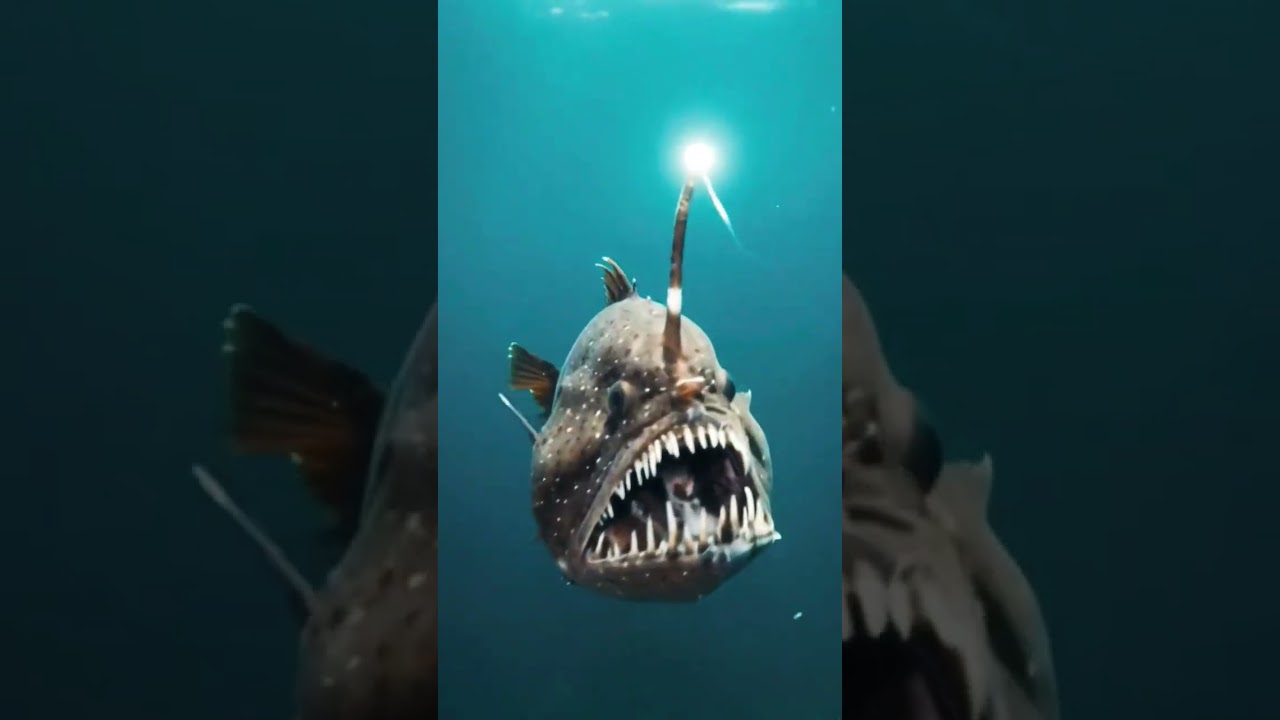
1. The Anglerfish’s Light Isn’t Its Own
That iconic lure dangling in front of the female Anglerfish? It’s not her own light. The glow comes from a colony of symbiotic, bioluminescent bacteria living in a fleshy sac called an esca. She provides them with a safe home and nutrients; they provide her with a fatal fishing rod. It’s a live-in flashlight powered by bacterial tenants.
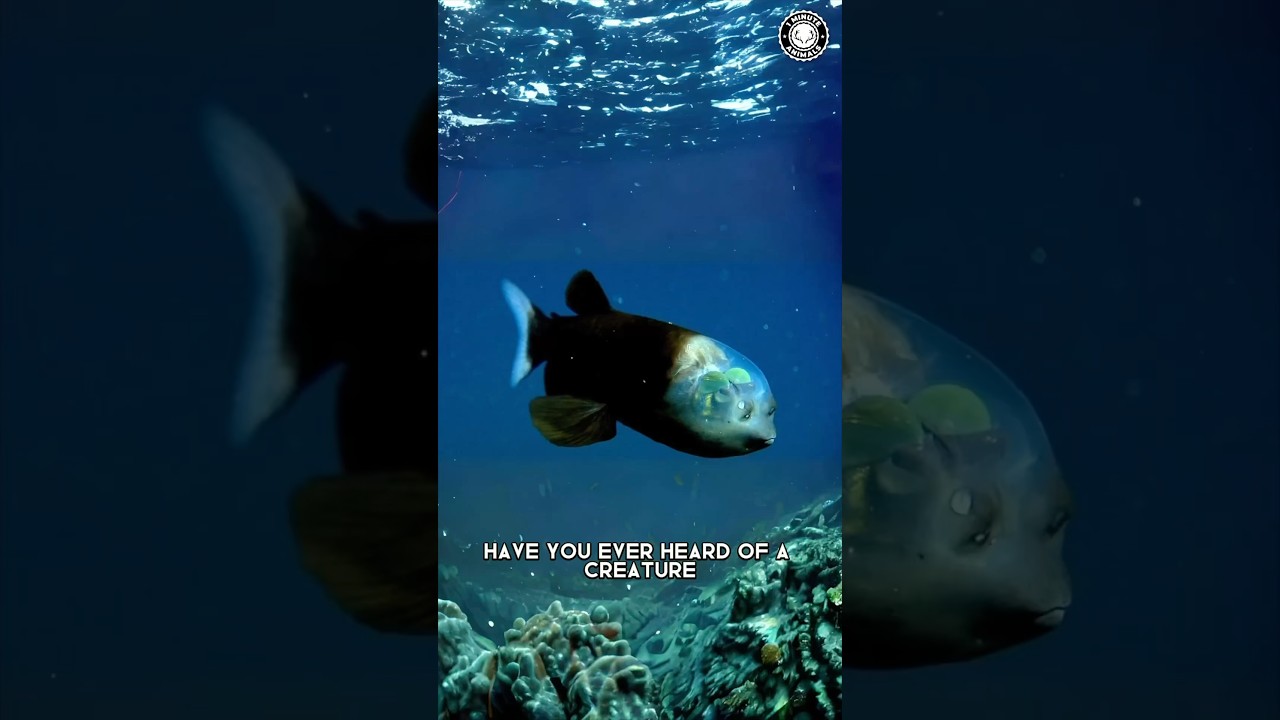
2. The Barreleye Fish Has a Transparent Head
Imagine your skull was completely see-through. That’s the reality for the Barreleye fish (Macropinna microstoma). Its fluid-filled, transparent dome allows its super-sensitive, tubular eyes to look straight up through its own head, searching for the silhouettes of prey in the faint light above. When it finds a meal, the eyes rotate forward to zero in.
3. Vampire Squid Don’t Drink Blood
Despite the terrifying name (Vampyroteuthis infernalis, literally “the vampire squid from hell”), this creature is surprisingly gentle. It doesn’t hunt. Instead, it feeds on “marine snow”—a mix of dead plankton, poop, and mucus sinking from the waters above. It uses two long, sticky filaments to catch this falling debris.
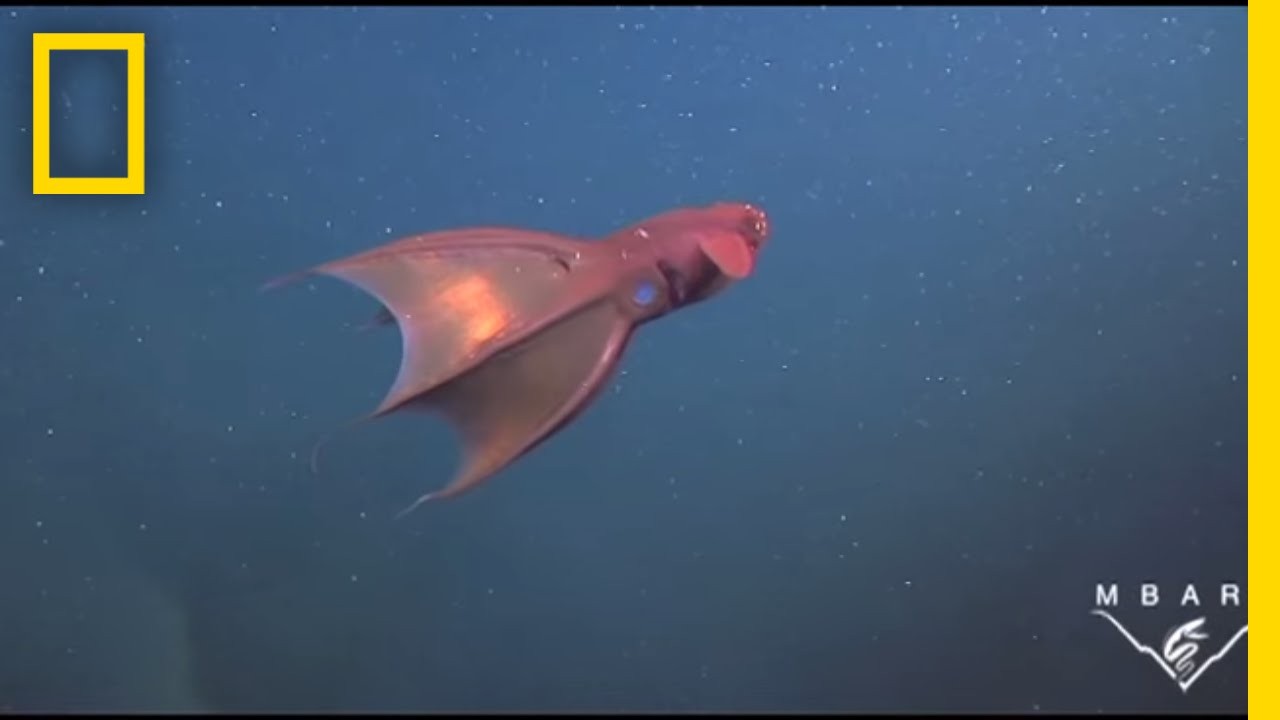
4. Its Defense is a Cloud of Sparkles
When threatened, the Vampire Squid doesn’t squirt ink. Ink would be useless in the permanent darkness. Instead, it ejects a cloud of sticky mucus filled with countless orbs of bioluminescent light. This dazzling, confusing spectacle allows the squid to escape while the predator is temporarily blinded by the glitter bomb.
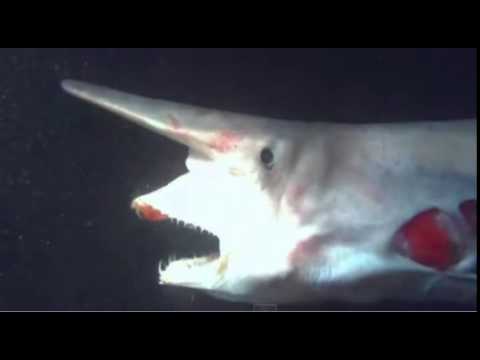
5. The Goblin Shark Has a Slingshot Jaw
This living fossil has one of the most terrifying feeding mechanisms on Earth. Its jaw isn’t fixed. When prey swims near, the entire jaw structure catapults forward, independent of its skull, to snatch the meal. It’s an anatomical slingshot, and it’s pure nightmare fuel. See it in action via the Australian Museum.
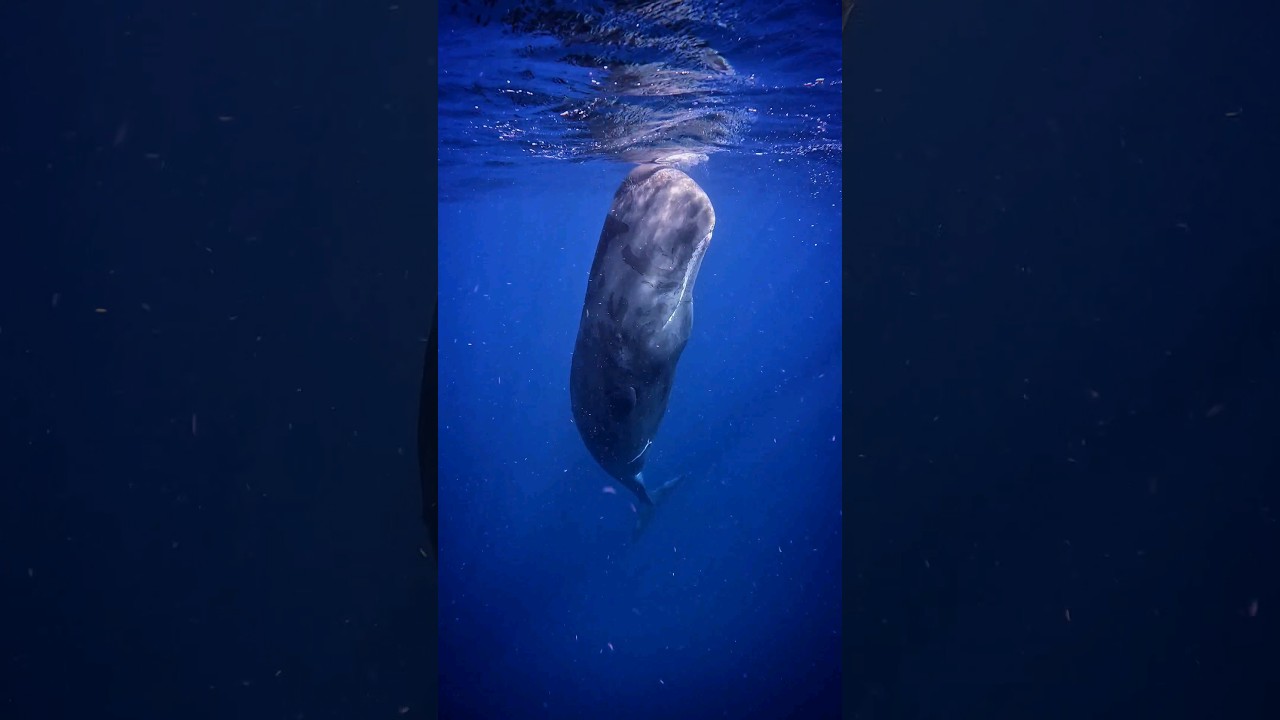
6. Sperm Whales Can Collapse Their Own Lungs
To survive the crushing pressure of dives that can exceed 2,000 meters (6,500 feet), sperm whales have a wild adaptation. They can intentionally collapse their rib cage and lungs. This forces air into cartilage-reinforced nasal passages, preventing deadly nitrogen bubbles from forming in their bloodstream—the same phenomenon that gives human divers “the bends.”

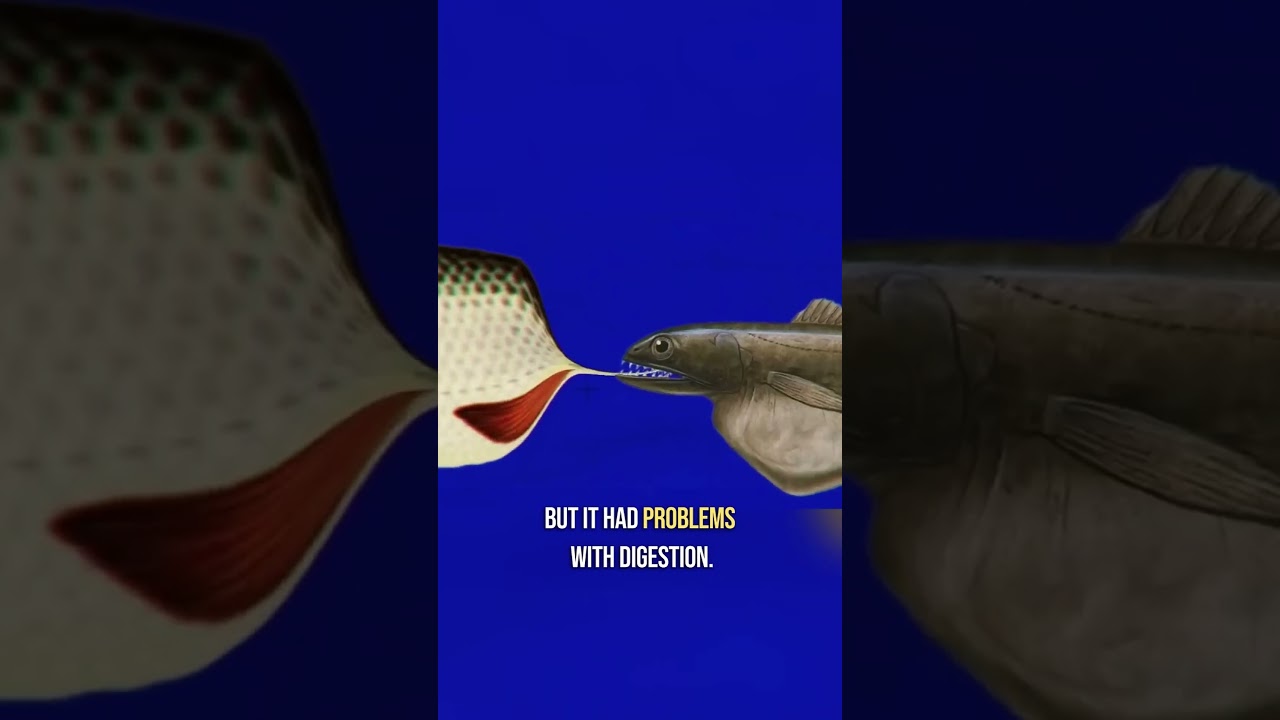
7. The Black Swallower Can Eat Fish 10x Its Own Mass
This modest-looking fish has a stomach that can stretch to an absurd degree. It can swallow prey up to two times its length and ten times its mass. Sometimes, the meal is so large that the decomposition gases bloat the Swallower and force it to the surface, which is how we’ve found most specimens.
8. Hagfish Produce Slime as a Superpower
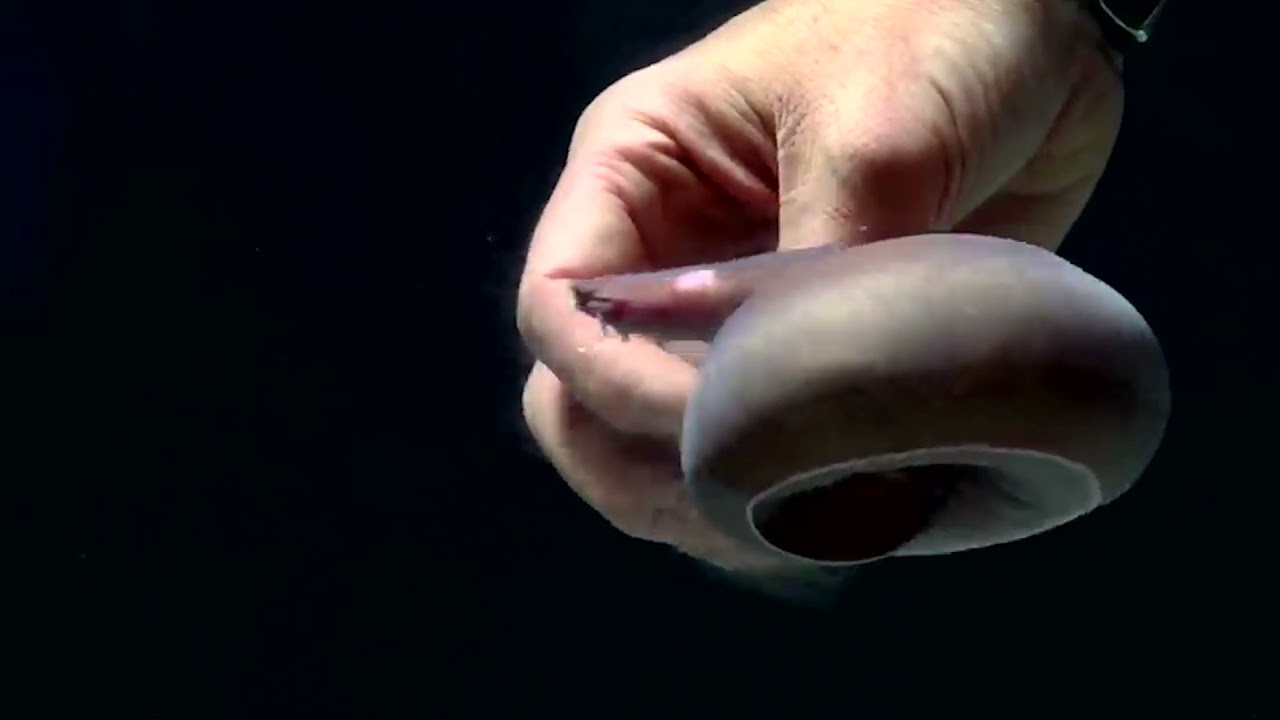
They aren’t just slimy; they’re weaponized slime producers. When threatened, a hagfish can excrete a protein-and-mucus mix that, upon contact with water, expands into a massive volume of suffocating slime. It’s so effective it can clog the gills of a would-be predator in seconds. The hagfish then ties itself into a knot to scrape the slime off its own body.
Living Lights and Bizarre Breeders
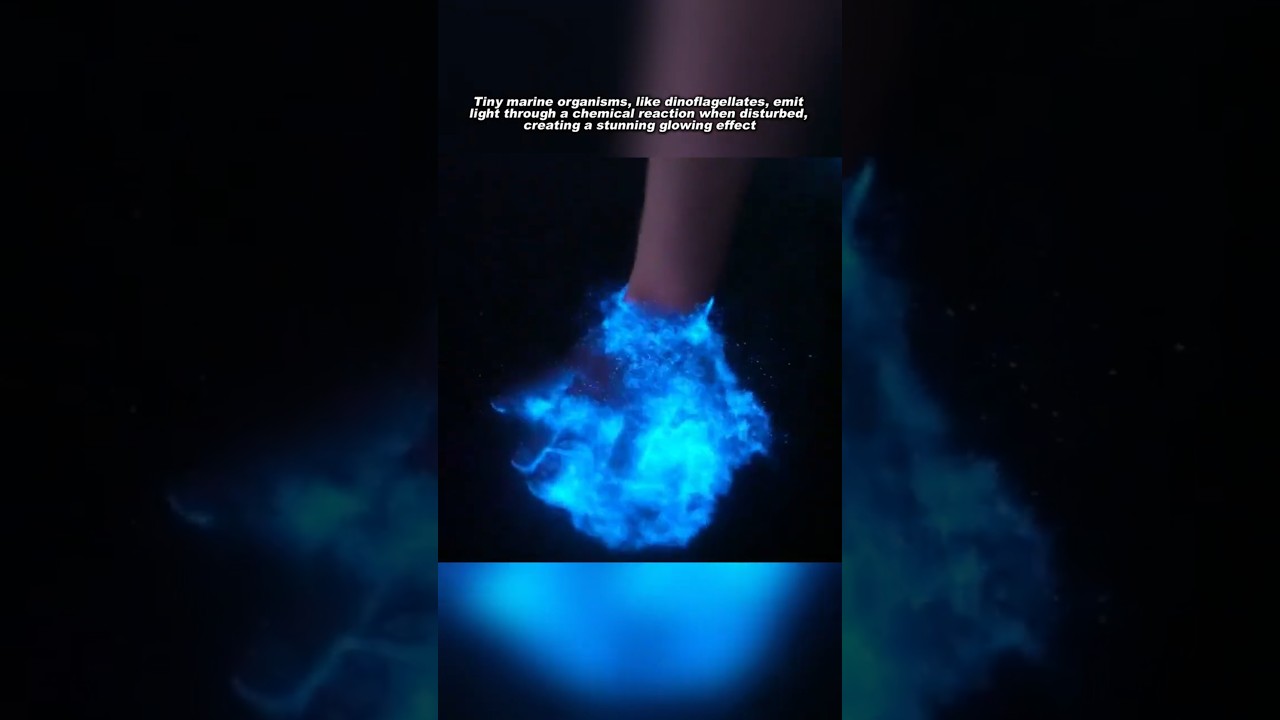
9. Bioluminescence Has Evolved Over 50 Times
Think about that. The ability to create light is so advantageous in the deep sea that it has independently evolved at least 50 separate times across different species. It’s used for hunting, defense, and mating—a universal language in a world without sun.
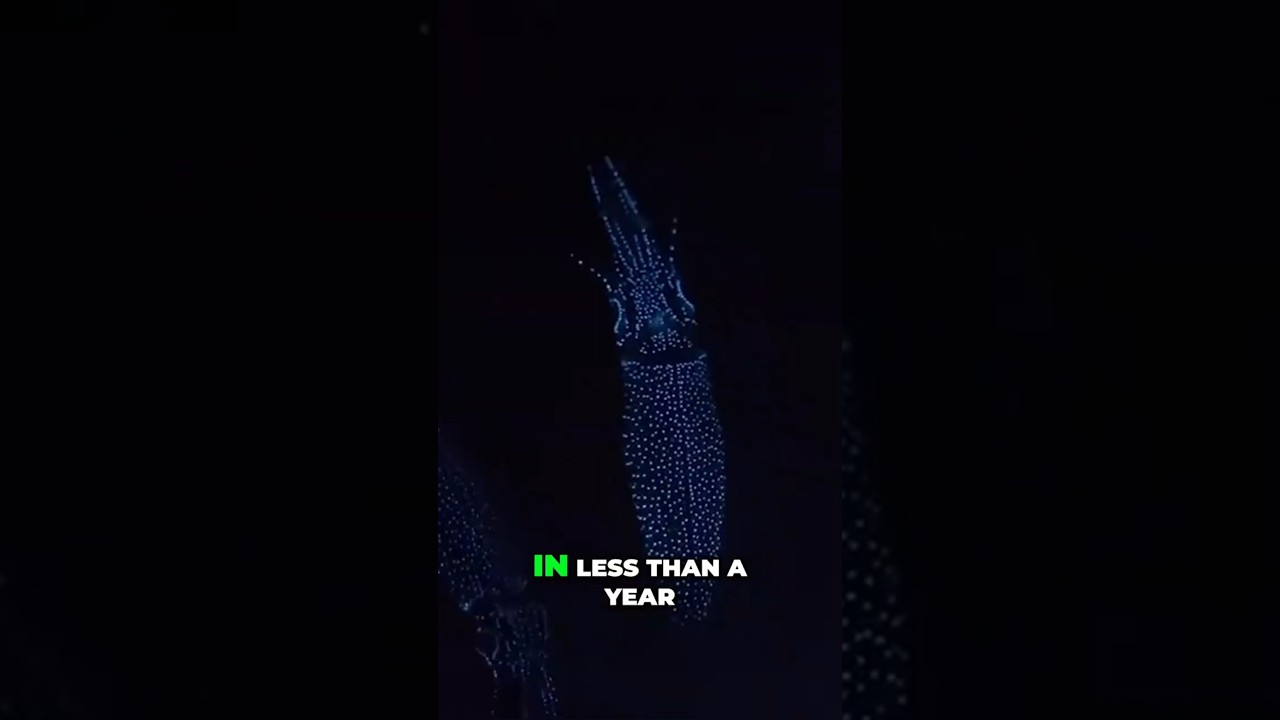
10. The Firefly Squid Puts on a Light Show for Camouflage
This tiny squid uses a trick called counter-illumination. It has special light organs called photophores on its underside that it can control precisely. It matches the intensity and color of the faint light filtering from above, effectively erasing its own shadow and becoming invisible to predators below.
11. Sea Pigs Aren’t Pigs
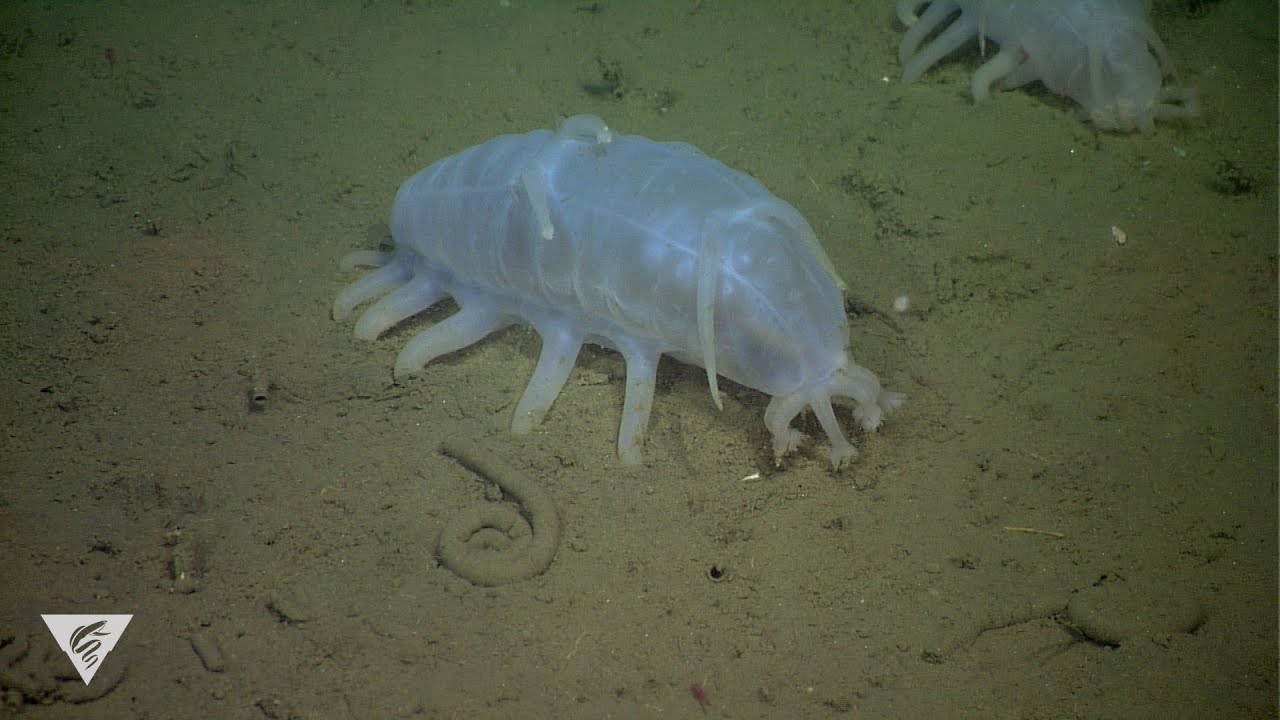
These bizarre, pale-pink creatures are actually a type of sea cucumber. They walk along the abyssal plain on hydraulic, tube-like feet. They are the deep-sea’s cleanup crew, acting like oceanic Roombas by consuming detritus from the seafloor.
12. Some Deep-Sea Fish Are Hermaphrodites
When you live in a vast, dark, and sparsely populated environment, finding a mate is a serious challenge. What’s the solution? Evolve the ability to be both male and female. Many deep-sea fish, like tripodfish, are simultaneous hermaphrodites. Any member of their species they encounter is a potential mate. Efficiency at its finest.
13. The Anglerfish Male is a Permanent Parasite
The male anglerfish’s life is tragic and weird. He is tiny. His sole purpose is to find a female. Once he does, he bites her, and his body literally fuses with hers. His circulatory system connects to hers, and all his organs, except his testes, wither away. He becomes a permanent, parasitic sperm bank, attached to her for life. Some females carry multiple males.
14. The Hairy Angler Has a “Beard” of Sensors
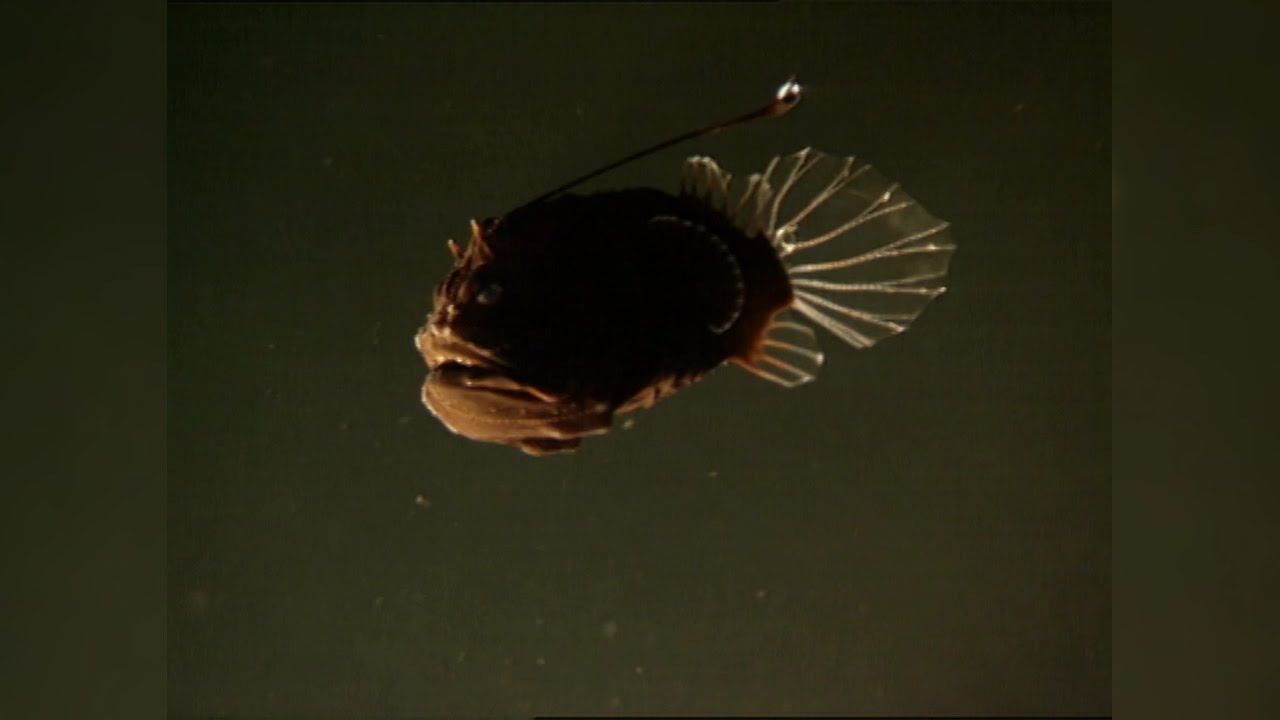
The Caulophryne, or Hairy Angler, is covered in long, delicate filaments. These aren’t hairs. They are part of an advanced lateral line system, acting like a sensitive net. They detect the faintest vibrations in the water, allowing the fish to sense approaching prey or predators from any direction in total darkness.

15. The Osedax Worm Eats Bones with Acid
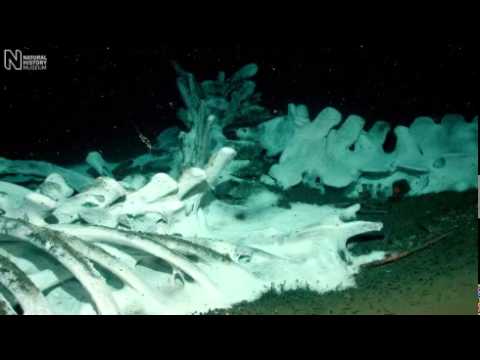
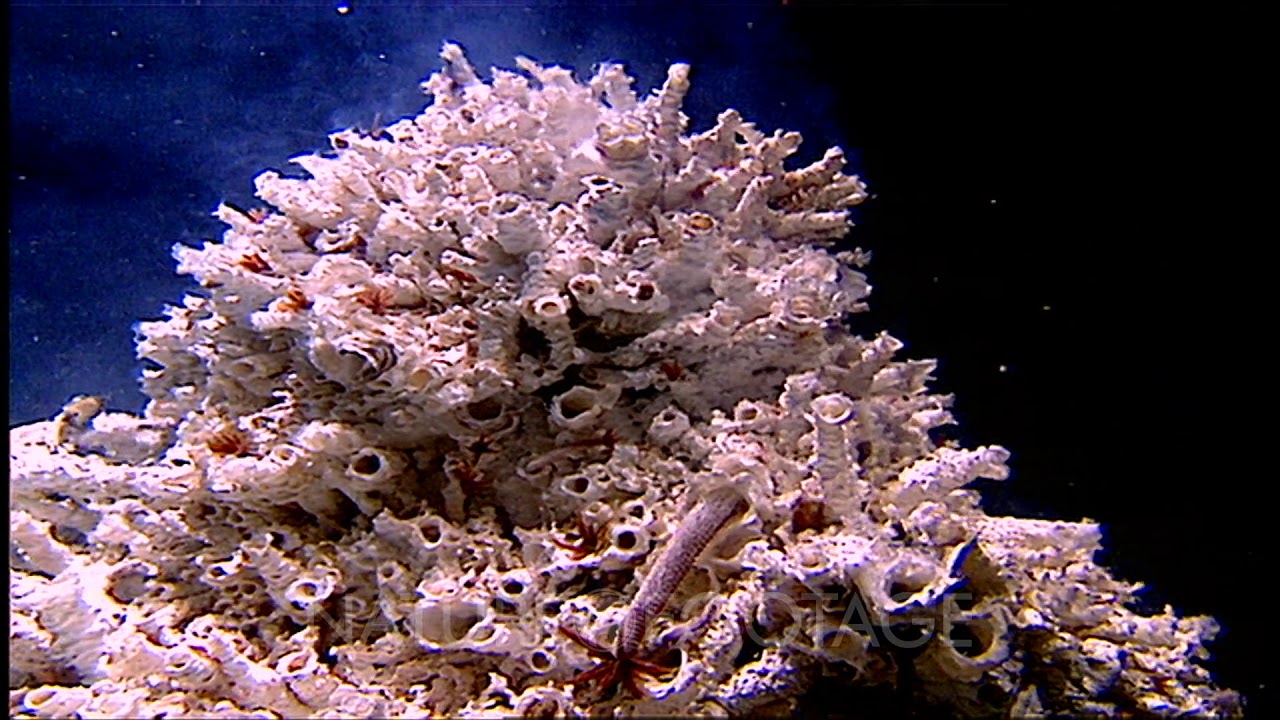
Also known as the “bone-eating snot-flower worm,” this creature is just… wow. Osedax worms land on whale skeletons that fall to the seafloor (a “whalefall”). They have no mouth and no stomach. Instead, they secrete acid from their “roots” to dissolve the bone, then absorb the lipids and proteins directly. Learn more from the Monterey Bay Aquarium Research Institute (MBARI).
16. The Male Osedax Lives Inside the Female
It gets weirder. The visible, plume-like Osedax are all female. The males are microscopic and live by the dozens inside the female’s body, serving as an internal harem whose only job is to produce sperm.
The Truly Alien: Defying Biology 101
17. The Immortal Jellyfish Can Age in Reverse
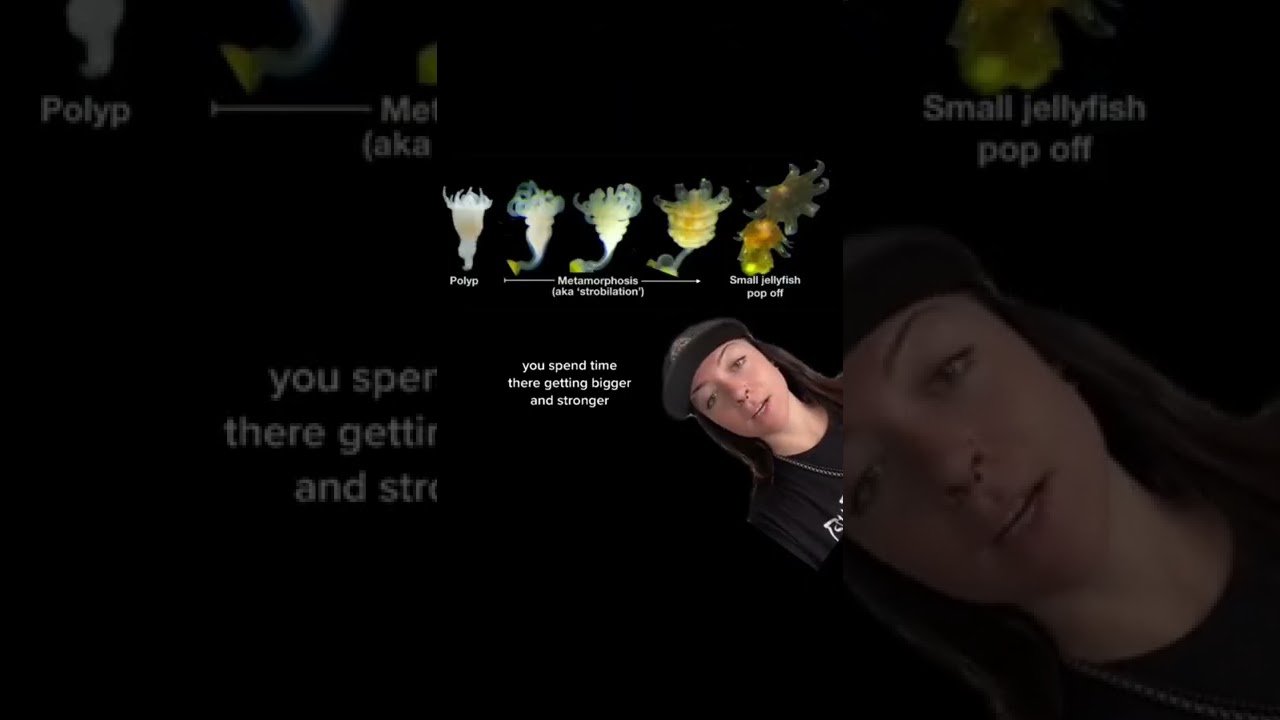
Turritopsis dohrnii, the “immortal jellyfish,” has a biological escape hatch. When faced with stress, injury, or old age, it can revert its cells back to their earliest form—a polyp—and begin its life cycle anew. Barring predation, it is biologically immortal. This process, transdifferentiation, is a holy grail for human medical research.
18. Pompeii Worms Live in 80°C (176°F) Water
These worms thrive on the sides of hydrothermal vents, some of the most extreme environments on Earth. They hold the record for the most heat-tolerant complex animal. The tail end of their body can sit in water up to 80°C, while their head sticks out into cooler water. They are covered in a fleece-like coat of bacteria that is thought to provide insulation.
19. The Colossal Squid Has the Largest Eyes on Earth
The Colossal Squid’s eyes can be up to 27 cm (11 inches) in diameter—the size of a dinner plate. Why so big? To see in the deep, dark waters of the Antarctic. These massive eyes are likely designed to spot the faint bioluminescent silhouettes of their primary predator, the Sperm Whale.
20. Its Tentacles Have Swiveling Hooks
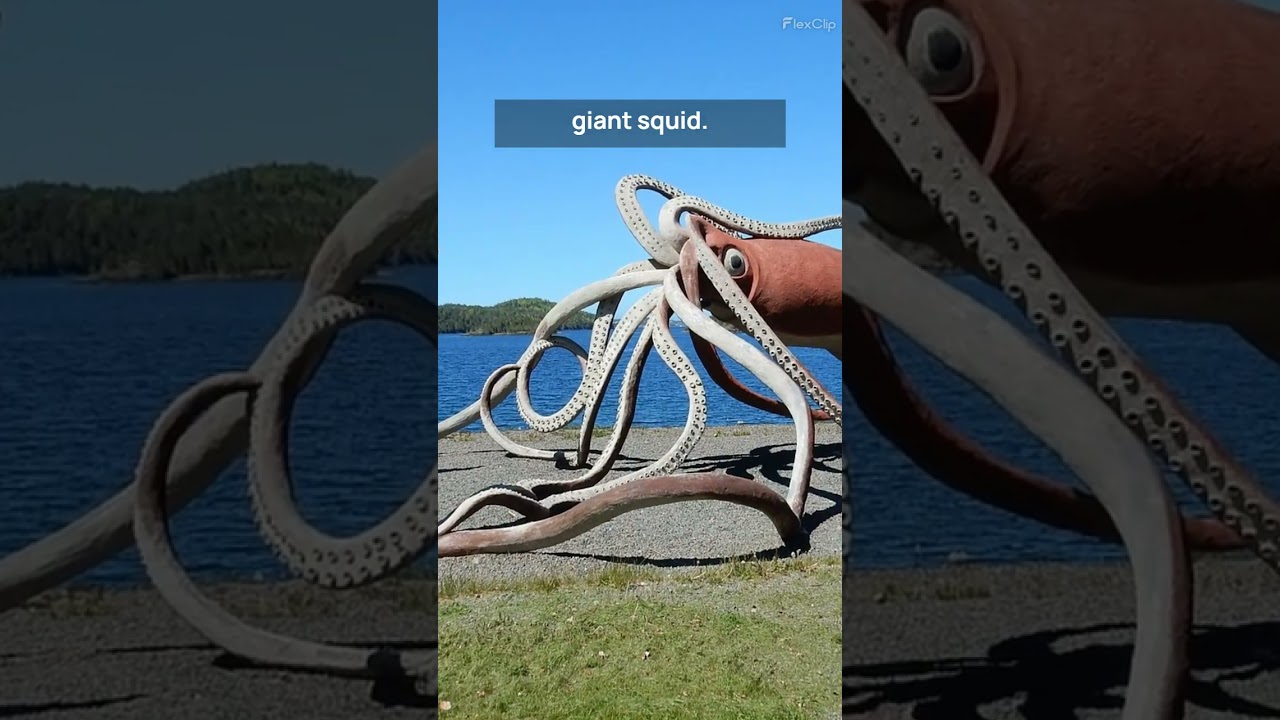
Unlike the Giant Squid’s suckers, the Colossal Squid’s arms and tentacles are equipped with a terrifying arsenal: sharp, swiveling hooks. Some are three-pointed, perfect for latching onto and shredding prey.
21. The “Ping-Pong Tree” Sponge is Carnivorous
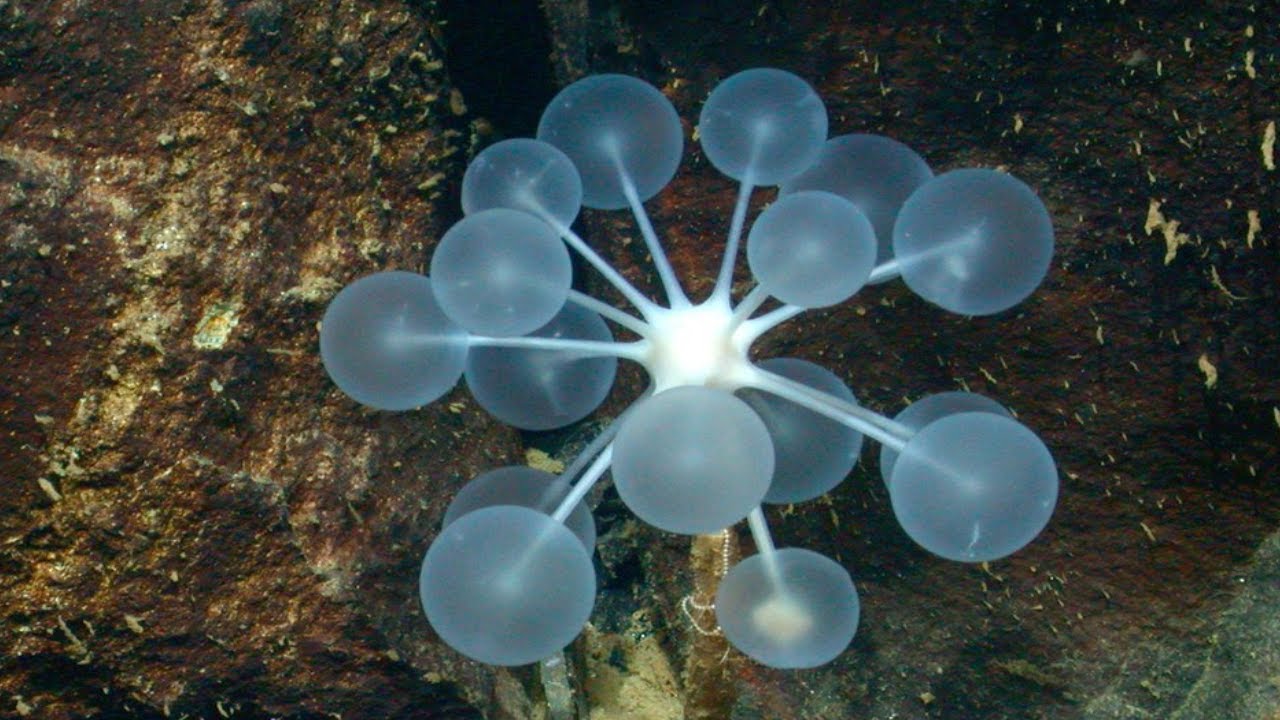
Sponges are supposed to be simple filter feeders, right? Not the Chondrocladia lampadiglobus. This carnivorous sponge looks like a candelabra covered in tiny glass spheres. These spheres are coated with hook-like spicules that ensnare tiny crustaceans. The sponge then slowly digests its prey externally.
22. Some Creatures Live on Methane Ice
On the floor of the Gulf of Mexico, there are solid, ice-like deposits of methane called methane hydrates. Scientists were shocked to find entire ecosystems, including ice worms (Hesiocaeca methanicola), living on and burrowing into these “ice” mounds, surviving off chemosynthetic bacteria that feed on the methane.
23. The Telescope Octopus Has Rotating Eyes
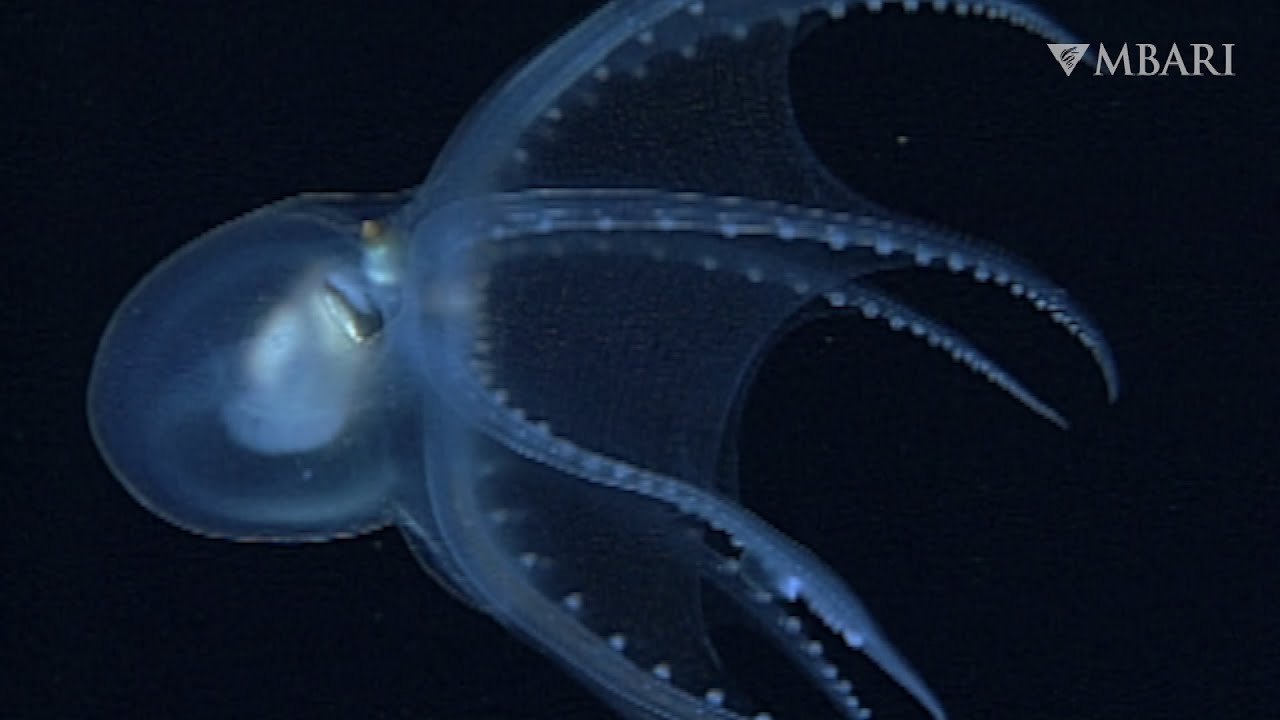
This octopus is almost completely transparent and gelatinous. It has tubular, bulging eyes that sit on long, mobile stalks. It can rotate its eyes, giving it a far wider field of peripheral vision than other octopuses—a crucial advantage in the open, featureless environment of the midnight zone.

24. Giant Tube Worms Have No Mouth or Gut
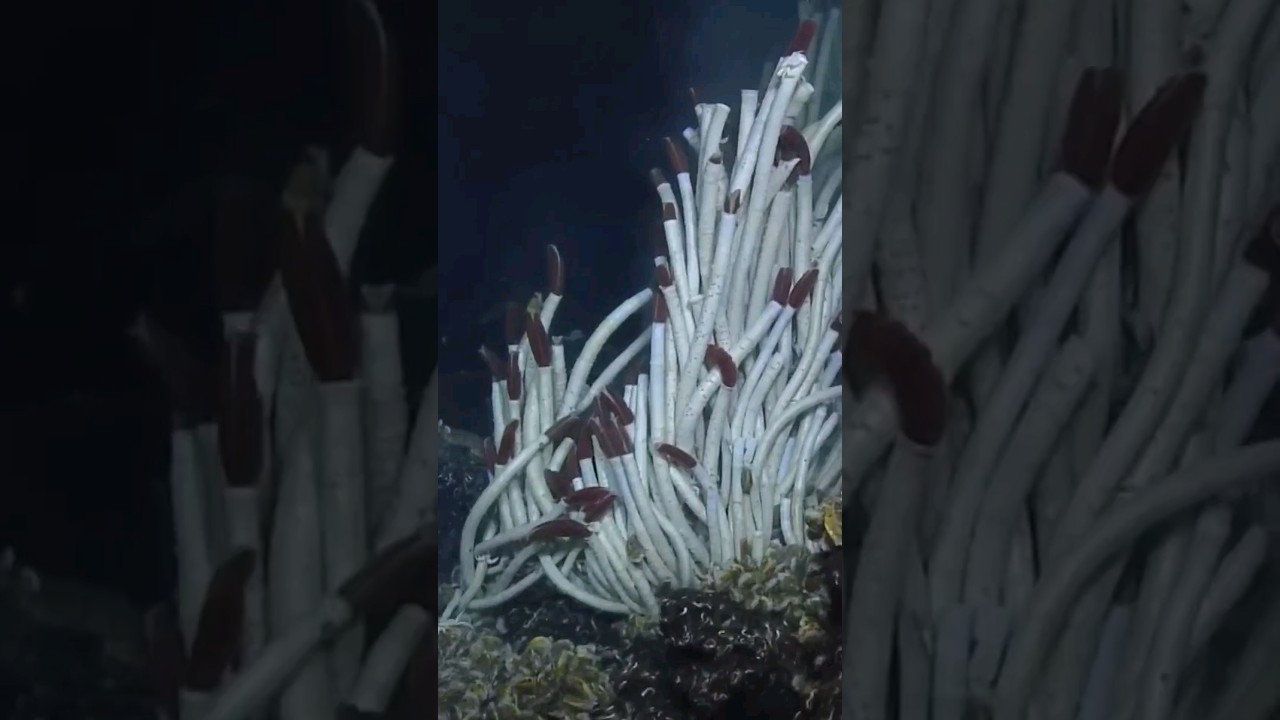
Found at hydrothermal vents, these worms (Riftia pachyptila) can grow over 2 meters (6.6 feet) tall. They have no mouth, no stomach, and no intestines. Their survival depends entirely on a symbiotic relationship with bacteria living inside an organ called the trophosome. The worms absorb chemicals like hydrogen sulfide from the vent water and deliver it to the bacteria; the bacteria convert the chemicals into organic matter, feeding the worm from the inside out.
25. The Cusk-Eel Holds the Deepest Fish Record
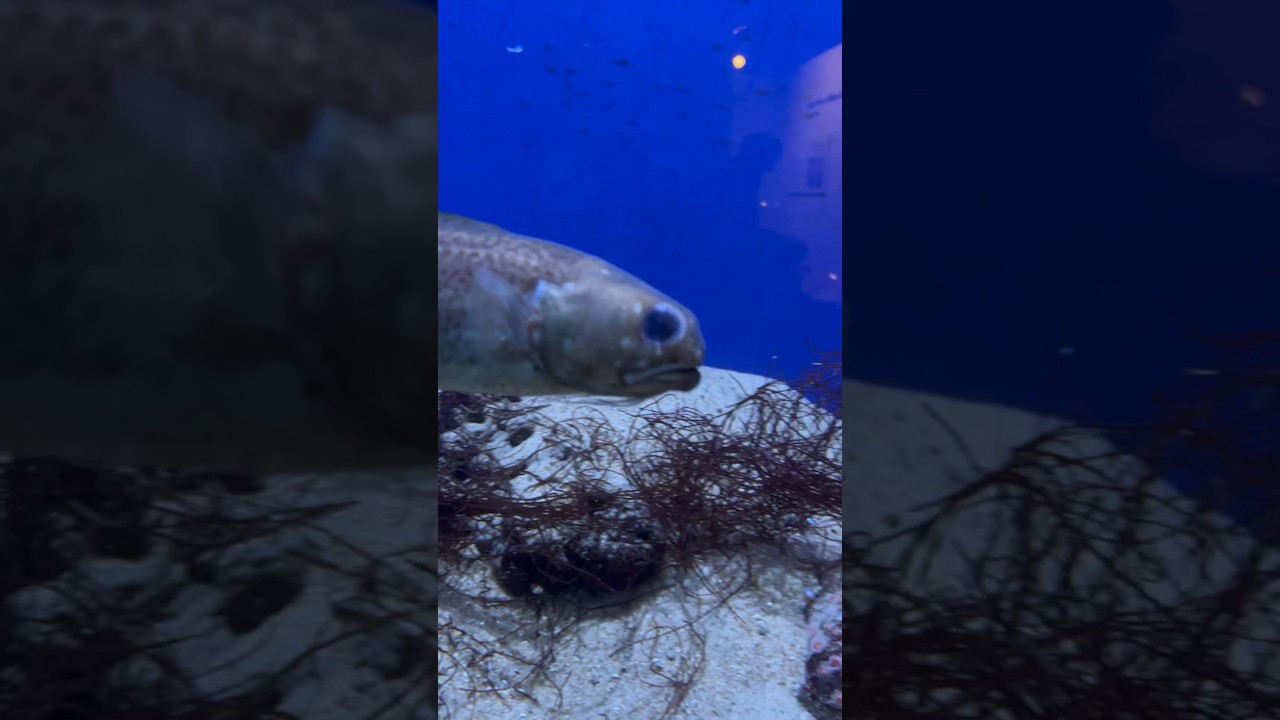
The deepest a fish has ever been found is a staggering 8,336 meters (27,349 feet) in the Mariana Trench. The animal, a type of snailfish, was observed by a Japanese research team. The immense pressure at that depth is over 1,000 times that at the surface. How its cells and proteins function under such forces is still a major area of scientific research.
26. The Blobfish Isn’t Actually a Blob
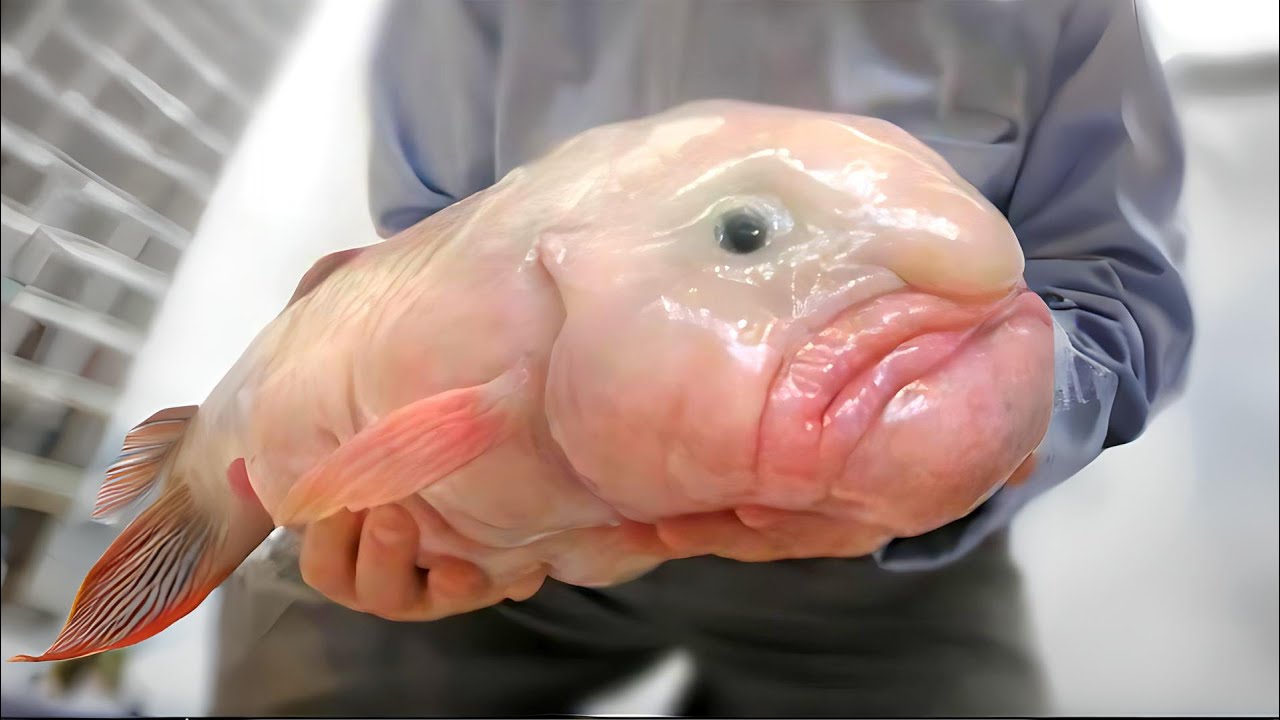
That gelatinous, miserable-looking pink blob that became a meme? That’s what a blobfish looks like after being rapidly depressurized when yanked from the deep sea. In its natural habitat, under immense pressure, its gelatinous, slightly-less-dense-than-water flesh gives it a normal, fish-like shape and provides structural support where a bony skeleton would be crushed.
27. The Ocean’s “Slow-Motion” Lifestyle
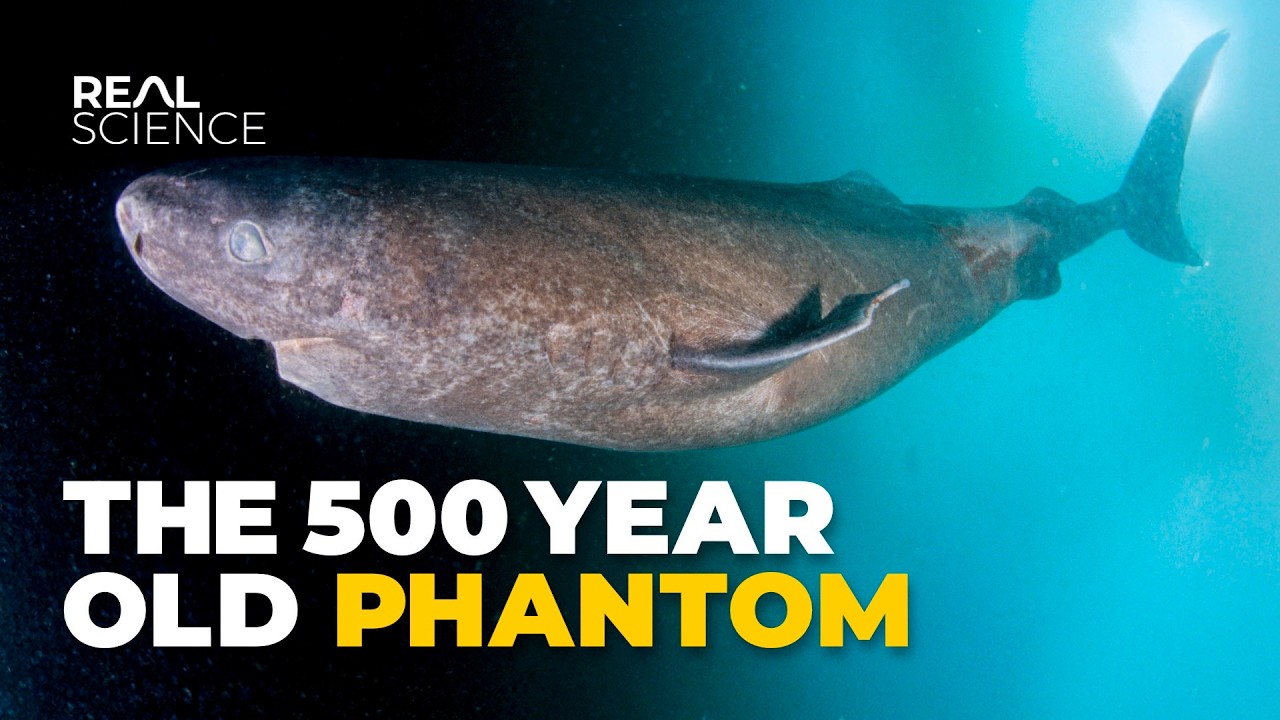
In the cold, dark, food-scarce abyss, metabolism slows to a crawl. The Greenland Shark can live for over 400 years, making it the longest-living vertebrate. Many deep-sea fish don’t reach sexual maturity until they are decades old. Life moves in slow motion, a strategy perfectly tuned to an environment where the next meal might be weeks, or months, away.
Why These Freaks of Nature Matter
So, who cares about a worm that eats bones or a squid that shoots sparkles? We all should.
- Guardians of the Global Climate: The deep sea is a massive carbon sink. When creatures die and sink, the carbon in their bodies is sequestered in the abyss for centuries, helping to regulate our planet’s climate. The “marine snow” that Vampire Squids eat is a key part of this process.
- A Goldmine for Medicine: The unique biology of these animals is a treasure trove for science. The reverse-aging of the immortal jellyfish or the chemical defenses of sponges could hold keys to new treatments for human diseases.
- Indicators of Ocean Health: These creatures are highly adapted to their stable, cold, dark world. Changes from deep-sea mining, pollution, and climate change could wipe them out before we even discover them. They are the canaries in the world’s largest coal mine.
The deep sea isn’t just a cabinet of curiosities. It’s a vital, functioning part of our planet’s life support system. Its inhabitants, no matter how bizarre, are a testament to the relentless, creative power of evolution.
What Do You Think?
Which of these deep-sea secrets blew your mind the most? Did we miss a favorite bizarre creature of yours?
Drop a comment below and share this with a friend who needs a dose of oceanic wonder!

