

Ghost Stories Aren’t Simple: The 3 Types of Hauntings You Need to Know
When you think “haunting,” what’s the first thing that comes to mind? Probably a shadowy figure, a disembodied voice, or maybe even a friendly ghost like Casper. You’re thinking of a conscious spirit, an entity that knows you’re there.
But what if I told you that’s one of the rarest kinds of hauntings?
Yeah, the world of the paranormal is a lot weirder and more complex than movies let on. Most of what people experience isn’t a ghost trying to get their attention. It’s something else entirely. Let’s get real and break down the main types of hauntings, cutting through the Hollywood hype.
The Intelligent Haunting: The One That Knows You’re There
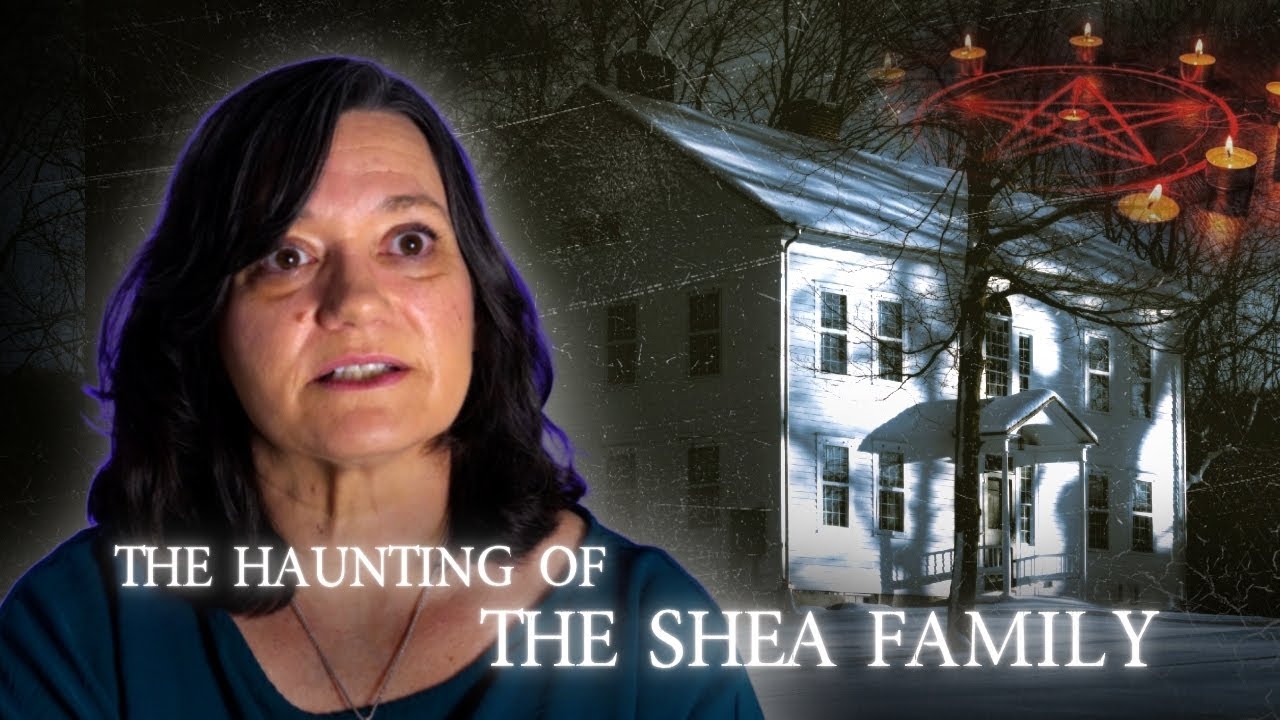
This is the big one. The type of haunting most people are talking about when they say a place is “haunted.” An intelligent haunting (also called a traditional or interactive haunting) involves a spirit or consciousness that is aware of its surroundings and can, and often does, interact with the living.
Think of it as a person without a physical body. They have a personality, memories, and motivations. They aren’t just a scary monster; they’re the lingering consciousness of someone who once lived.
So, why are they sticking around? Paranormal researchers and psychics propose several reasons, and it usually boils down to intense, unresolved emotional energy.
- Traumatic or Sudden Death: A violent end, like a murder or a sudden accident, can leave a soul confused and tethered to the location of the event. They may not even realize they’re dead.
- Unfinished Business: This is a classic. The spirit might feel it needs to protect the property, pass on a message, or see a task through to completion before it can move on.
- Powerful Emotional Connections: Sometimes, the grief of living loved ones is so intense that it acts as an anchor, holding the spirit here. Conversely, the spirit’s own attachment to a person or place can be too strong to break.
- A Thirst for Justice: If the person was wronged in life—say, a murder that was never solved—their spirit might linger, seeking closure or retribution.
- Fear of What’s Next: Plain and simple, some spirits might be afraid of moving on, fearing judgment or the unknown.
What Does an Intelligent Haunting Feel Like?
Because these entities are conscious, their activity is dynamic and responsive. It’s not just random noise. It’s a call and response.
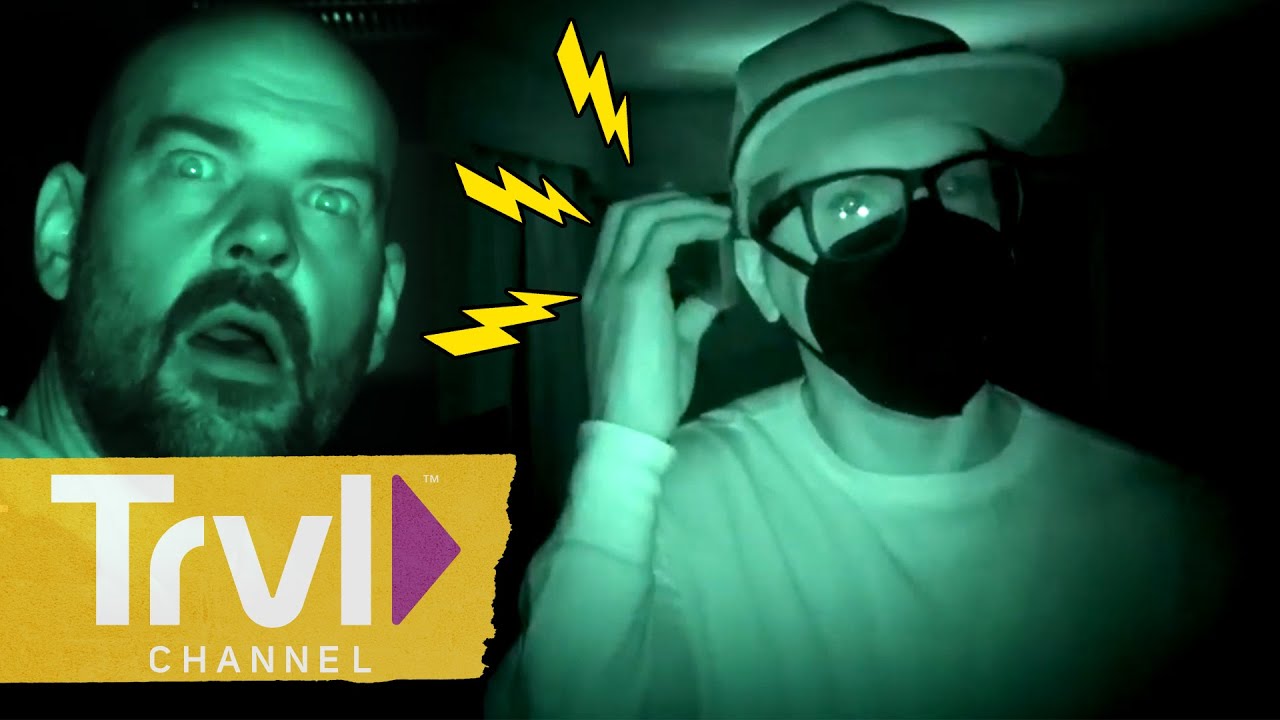
- Direct Communication: You might hear your name called by a disembodied voice. Through tools like an EVP (Electronic Voice Phenomenon) recorder, you might ask, “Is anyone here?” and capture a faint “Yes” in the static.
- Physical Manipulation: This is where things get spooky. Doors opening on their own in response to a request. Objects moving or being thrown. Lights flickering on and off as if someone is at the switch.
- Sensory Experiences: You might feel a sudden cold spot, catch the scent of perfume or cigar smoke with no source, or even feel an unseen touch on your shoulder.
- Apparitions: Seeing a full-bodied apparition is the holy grail of ghost hunting and is extremely rare. More common are fleeting shadows, mists, or seeing a figure for just a split second in your peripheral vision.
The key takeaway is interaction. The activity seems to have a purpose. If you ask the spirit to make a noise and you hear a knock, that suggests intelligence. But as compelling as they are, these interactive hauntings are not the norm. Most reported activity falls into our next category.
The Residual Haunting: A Memory Stuck on Loop
This is, by far, the most common type of reported haunting. And guess what? It probably doesn’t involve a ghost at all.
A residual haunting is like a psychic recording etched into the environment. It’s an echo of a past event, replaying itself over and over again. The energy of a dramatic or routine moment has been soaked up by the location itself, and under certain conditions, it plays back.
Think of it this way: You can’t talk to the characters on your TV. They can’t see you, hear you, or react to you. They are just a recording of light and sound. That’s a residual haunt.
The “Stone Tape” Theory

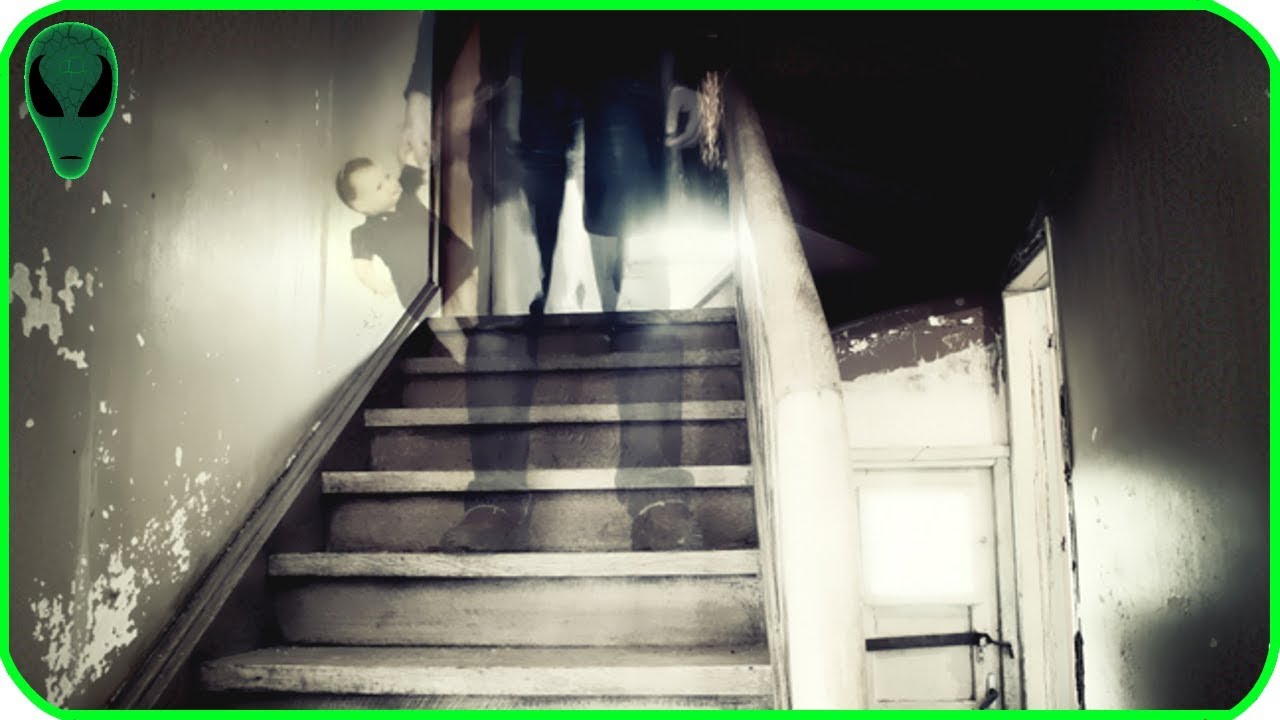
The leading explanation for this is often called the “Stone Tape Theory.” First proposed in the 1970s, it speculates that building materials—especially those with high quartz content like stone, brick, and limestone—can act like a giant, natural hard drive. Intense emotional events, whether traumatic (a murder) or just highly repetitive (walking the same hallway every day for 30 years), release psychic energy. This energy gets “recorded” into the environment.
Then, triggers—like specific atmospheric conditions, a certain time of day, or even the energy of a new person entering the space—can cause this recording to play back.
Key Differences from an Intelligent Haunting:
- No Interaction: This is the most important distinction. You can yell, scream, and wave your arms, but the phantom footsteps will continue down the same path at the same time, every night. The apparition will always appear in the same window, looking out at the same spot. It doesn’t notice you.
- Repetitive Nature: The activity is always the same. It’s a loop. You might hear the same phantom argument, the same baby crying, or see the same shadowy soldier marching through the battlefield.
- Lack of Consciousness: There is no “mind” behind the activity. It’s pure, raw energy dissipating over time. Researchers have noted that over decades, the intensity of these residual events tends to fade, like an old photograph bleaching in the sun.
So, when you hear footsteps in the attic, are you dealing with a trapped soul, or are you just hearing the “memory” of the former owner pacing anxiously 50 years ago? Chances are, it’s the memory.
The Portal Haunting: A Doorway to Somewhere Else
Okay, now we’re venturing into the deep end of paranormal theory. Portal hauntings are controversial, speculative, and frankly, terrifying if you believe the stories.
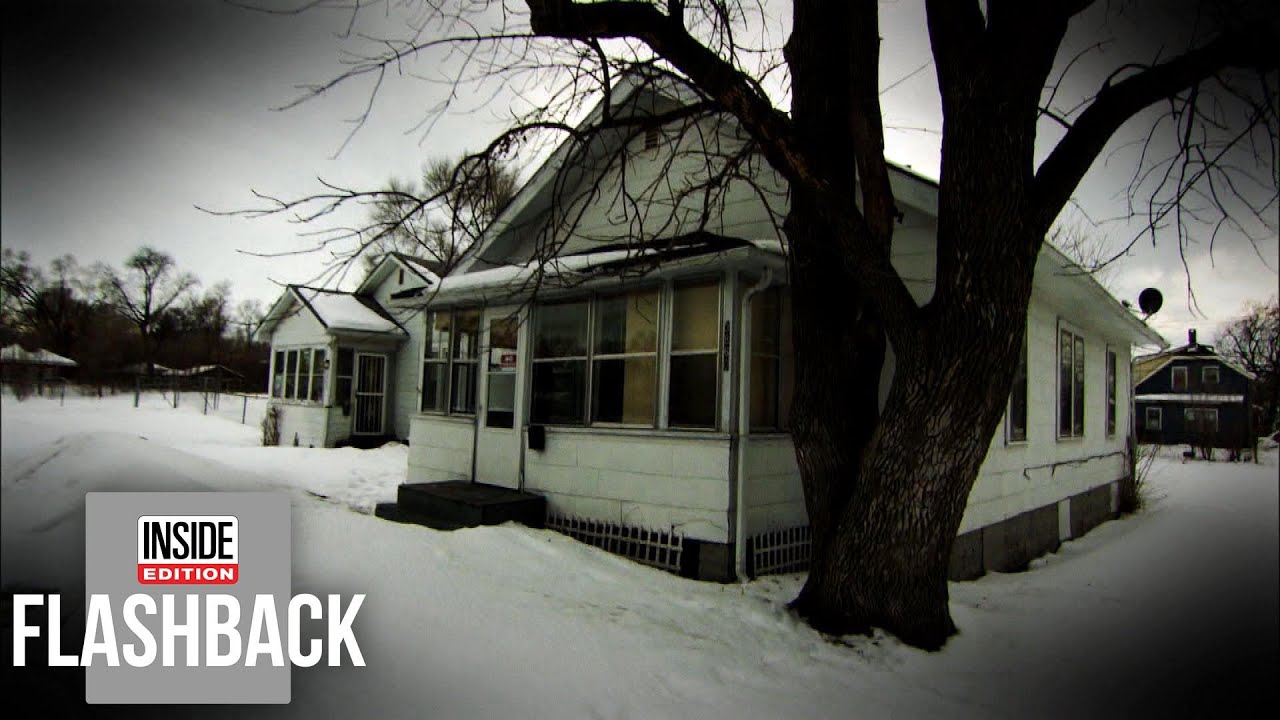
A portal isn’t a type of ghost; it’s a location. A supposed gateway or tear in the fabric of our reality that connects our world to… somewhere else. Another dimension, the spirit world, who knows? The idea is that entities—and not just human spirits—can use these doorways to travel back and forth.

This isn’t your grandma’s ghost in the attic. Places with suspected portals are chaotic and unpredictable.
What Are the Signs of a Portal?
The hallmark of a portal location is high strangeness and an insane variety of paranormal phenomena. It’s not just one type of activity; it’s a paranormal buffet.
- A revolving door of entities: You might encounter what seems like a human spirit one day, a non-human or demonic entity the next, and strange, unidentifiable creatures the day after.
- Weird creatures and lights: Sightings of glowing orbs, strange mists, shadow people, and even cryptids like those reported at locations like Skinwalker Ranch are often associated with portals.
- Poltergeist-like activity: Intense physical disturbances that seem more chaotic and violent than a typical intelligent haunting.
- Time and space distortions: People report feeling disoriented, experiencing missing time, or hearing sounds that seem to come from everywhere at once.
The theory is that these locations are nexus points where the veil between worlds is unusually thin. While mainstream paranormal investigation focuses on human spirits, portal theory attempts to explain the truly bizarre cases where the activity doesn’t fit any known category. It remains highly theoretical, but for those who have experienced the overwhelming chaos of such a location, it’s a theory that feels chillingly plausible.
So, What’s Haunting You?
Understanding these distinctions is crucial for anyone trying to make sense of a paranormal experience. Before you assume a spirit is trying to communicate, ask yourself:
- Is the activity responsive? Does it react to my presence or my questions? If yes, you might be dealing with an intelligent haunting.
- Is the activity a repetitive loop? Does it happen the same way, in the same place, at the same time, with no regard for who is there? If yes, it’s almost certainly a residual haunting.
- Is the activity chaotic, varied, and just plain weird? Are you experiencing a jumble of different phenomena that don’t seem connected? You might be in a location with a portal.
The paranormal is rarely black and white. It’s a spectrum of bizarre, fascinating, and sometimes frightening possibilities. But by knowing what to look for, you can move from fear of the unknown to a place of informed curiosity.
What about you? Have you ever experienced something you couldn’t explain? Was it an echo of the past or something more? Share your story in the comments below—we want to hear it.

