

Unexpected Good Luck Symbols from Indigenous Cultures (And the Real Stories Behind Them)
When you think of a “good luck charm,” what comes to mind? A dusty horseshoe? A four-leaf clover? Maybe a lucky penny? For most of us, these symbols are cultural wallpaper—vaguely positive, but stripped of any real, deep meaning.
But what if I told you that in many cultures, symbols of fortune aren’t just about random luck? They’re about balance, wisdom, survival, and a profound connection to the past. They are philosophies you can hold in your hand.

This is a no-nonsense guide to some of the most powerful and unexpected good luck symbols from indigenous cultures around the globe. These aren’t the generic trinkets you find in airport gift shops. These are symbols with teeth, with stories, with a weight that comes from centuries of belief.
More Than Just Luck: A Quick Reframe
First, we need to get one thing straight. In many indigenous worldviews, “luck” isn’t some cosmic lottery you might win. It’s the natural result of living in harmony. It’s about being in the right relationship with your community, your environment, the spirits, and your ancestors.
The symbols we’re about to explore aren’t meant to magically change your fate. They are reminders. They are focal points for a way of living that invites good things to happen. They represent a state of being, not a random event. Now, let’s get to the good stuff.
Five Powerful Symbols of Fortune You’ve Probably Never Heard Of
1. The Tumi (Andean Cultures, Peru)
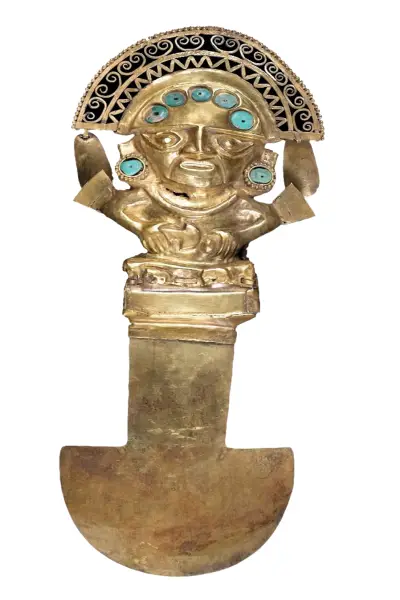
- What it is: An ornate, ceremonial knife, usually made of bronze, gold, or silver, with a semi-circular blade and a handle often topped with the figure of a deity or revered animal.
- The Unexpected “Luck”: Wait, a knife for good luck? Sounds weird, right? But the Tumi isn’t a weapon. Historically, it was a surgical tool used for trepanation—a surprisingly successful form of ancient brain surgery performed by cultures like the Moche and Inca to relieve pressure on the skull. Because of this, the Tumi became a powerful symbol associated not with violence, but with healing, well-being, and the preservation of life. Today, hanging a Tumi on a wall in Peru is a common practice to bring good fortune and protect the household from sickness. It’s a profound symbol that true “luck” is the blessing of good health.
2. The Sankofa Bird (Akan People, Ghana)
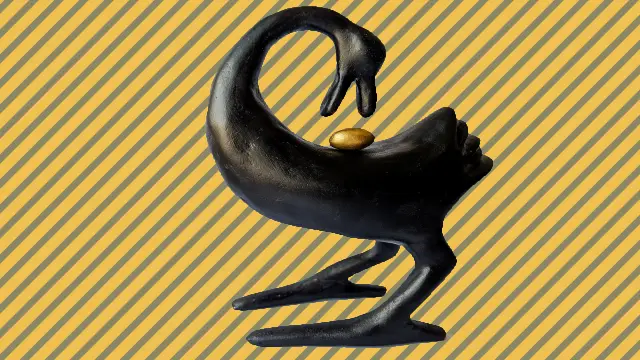
- What it is: A stylized bird that is depicted moving forward while its head is turned backward, often with an egg in its mouth.
- The Unexpected “Luck”: The Sankofa is less a symbol of luck and more a symbol of the wisdom that creates luck. It represents a core philosophy of the Akan people encapsulated in the proverb: “Se wo were fi na wosankofa a yenkyi,” which means, “It is not taboo to fetch what is at risk of being left behind.” The egg in its mouth represents the “gems” or knowledge of the past. The luck of the Sankofa is the fortune that comes from learning from your history. It’s a reminder that the past is not a burden, but a source of wisdom. To move forward successfully, you must first look back and understand where you came from. In a world obsessed with “new,” the Sankofa is a powerful symbol of the fortune found in ancestral knowledge.
3. The Hei-Tiki (Māori, New Zealand)
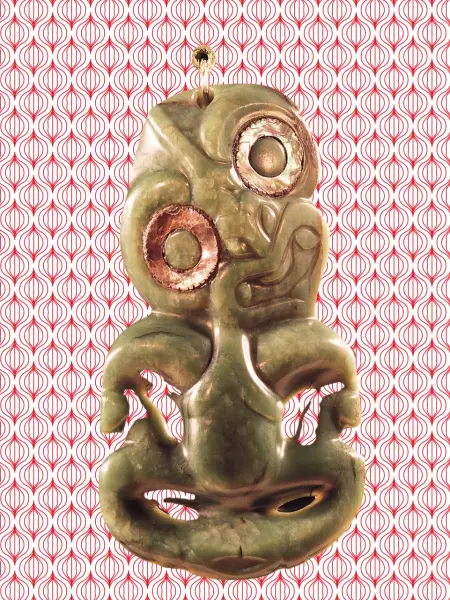
- What it is: A carved pendant, traditionally made from pounamu (greenstone), shaped like a human figure with its head tilted.
- The Unexpected “Luck”: Calling a Hei-tiki a “good luck charm” is a massive understatement, but it serves that function in a deeply spiritual way. Its power comes from connection to lineage. These pendants are treasured heirlooms, passed down through generations. It’s believed that they absorb the spirit, or mana, of everyone who has worn them. Wearing a Hei-tiki is to carry your ancestors with you. They are seen as protectors, especially for pregnant women, and are thought to be a bridge between the spirit world and the living. The “luck” of the Hei-tiki is the immense strength, protection, and wisdom that comes from being connected to your entire family line, both living and dead.
4. The Inukshuk (Inuit and Arctic Peoples, North America)
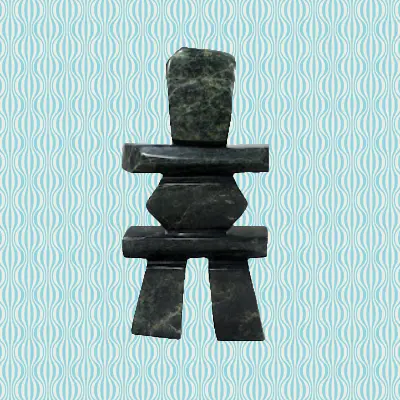
- What it is: A stone structure built by stacking rocks, often in a form that resembles a human figure.
- The Unexpected “Luck”: You might have seen modern, artsy versions of these, but for the Inuit and other peoples of the Arctic, the Inukshuk was a critical tool for survival. Its form wasn’t just decorative; it was a complex communication system. An Inukshuk could mean:
- “You are on the right path.”
- “There is a good fishing spot over here.”
- “Danger ahead.”
- “A cache of food is buried here.”
In the vast, featureless expanse of the Arctic, an Inukshuk was a sign of hope. It was a message from those who came before, guiding your way. Its luck is the fortune of guidance, hope, and community. It’s a symbol of human connection across vast distances and time, a reminder that you are not alone and that others have laid a path for you.
5. The Kokopelli (Puebloan and Southwestern US Cultures)
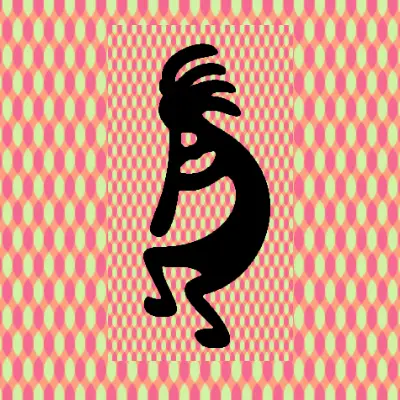
- What it is: A figure of a hunchbacked flute player, often depicted dancing.
- The Unexpected “Luck”: The Kokopelli has become a widespread, often misunderstood, symbol of the American Southwest. He’s not just a quirky musician. Kokopelli is an ancient fertility symbol. The “hump” on his back is often interpreted as a sack of seeds, and his flute-playing is said to call forth the rain. He is a life-bringer, a symbol of agriculture, reproduction, and abundance. He travels from village to village, bringing the end of winter and the start of a new growing season. The luck he brings is the most fundamental kind: the promise of rain for the crops, the birth of healthy children, and a plentiful harvest.
Why You Can’t Just “Buy” This Kind of Luck
It’s easy to look at these symbols and think, “Cool, I’ll get a Sankofa necklace.” But here’s the No-nonsense truth: the power of these symbols is inseparable from the culture they come from. It’s rooted in respect, story, and context.
This isn’t about gatekeeping. It’s about understanding. The point isn’t to appropriate an object, but to appreciate the wisdom behind it. The Tumi teaches us that luck is health. The Sankofa teaches us that luck is wisdom. The Hei-tiki teaches us that luck is connection. The Inukshuk teaches us that luck is guidance. The Kokopelli teaches us that luck is abundance.
These cultures are not offering simple charms. They are offering profound philosophies.
Conclusion: Redefining Good Fortune
True good fortune isn’t about avoiding bad things. It’s about having the strength, wisdom, and community to navigate whatever life throws at you. The most powerful symbols aren’t objects that grant wishes; they are reminders of the core human values that create a fortunate life.
They remind us to heal, to learn from the past, to honor our ancestors, to guide each other, and to celebrate life. And maybe that’s the best kind of luck there is.
Which of these symbols’ meanings resonates with you the most, and why? Share your thoughts in the comments below.

