

7 Must-Watch Silent Black & White Supernatural Films That Influenced Modern Horror
When you think of “horror,” your brain probably jumps to jump scares, CGI monsters, or slasher villains running through the woods. But long before The Conjuring or Hereditary kept you up at night, the silent era was already traumatizing audiences with nothing but shadows, greasepaint, and an orchestra.
We’re talking about the 1920s. A time when filmmakers couldn’t rely on bloodcurdling screams to sell the scare. They had to be smarter. They had to be weirder.
These black and white horror movies didn’t just scare people; they built the blueprint for the entire genre. You think Tim Burton came up with that gothic, spindly look on his own? Think again. Ever wonder where the “creature turning on its creator” trope in Frankenstein came from? It wasn’t Mary Shelley’s book alone—it was a silent film made a decade prior.
If you’re a film buff, a goth at heart, or just someone who wants to see where your favorite nightmares were born, you need to watch these. Here are seven silent supernatural masterpieces that still hit hard today.
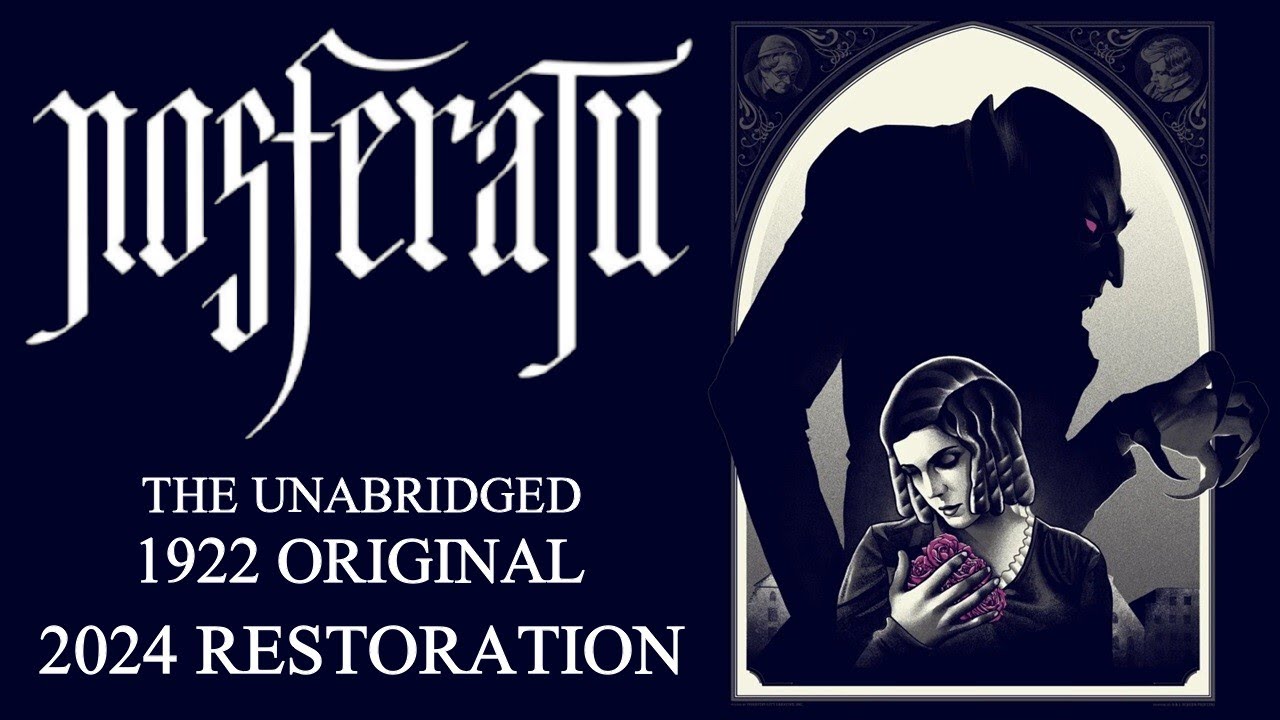
1. Nosferatu: A Symphony of Horror (1922)
The Vampire That Started It All
Forget the sexy, brooding vampires of Twilight or The Vampire Diaries. Count Orlok is the stuff of actual nightmares. Directed by F.W. Murnau, this unauthorized adaptation of Bram Stoker’s Dracula is arguably the most iconic vampire film ever made.
The Vibe:
It’s grainy, eerie, and feels like you’re watching a cursed tape found in a basement. Max Schreck’s performance as Orlok—stiff, rat-like, with those terrifying long fingers—is pure unadulterated creepiness.
The Modern Flex (Influence):
Nosferatu literally invented the rule that sunlight kills vampires (in the book, Dracula just gets weaker). Every time you see a vampire burn in the sun, thank this movie. Its visual style heavily influenced Tim Burton’s Batman Returns (remember Christopher Walken’s character, Max Shreck?) and the terrifying visuals in The Babadook. Plus, with Robert Eggers’ 2024 remake terrifying new audiences, the original is more relevant than ever.
Why Watch: The shadow of Orlok creeping up the stairs is one of the most famous shots in cinema history. You’ve seen the meme; now see the movie.
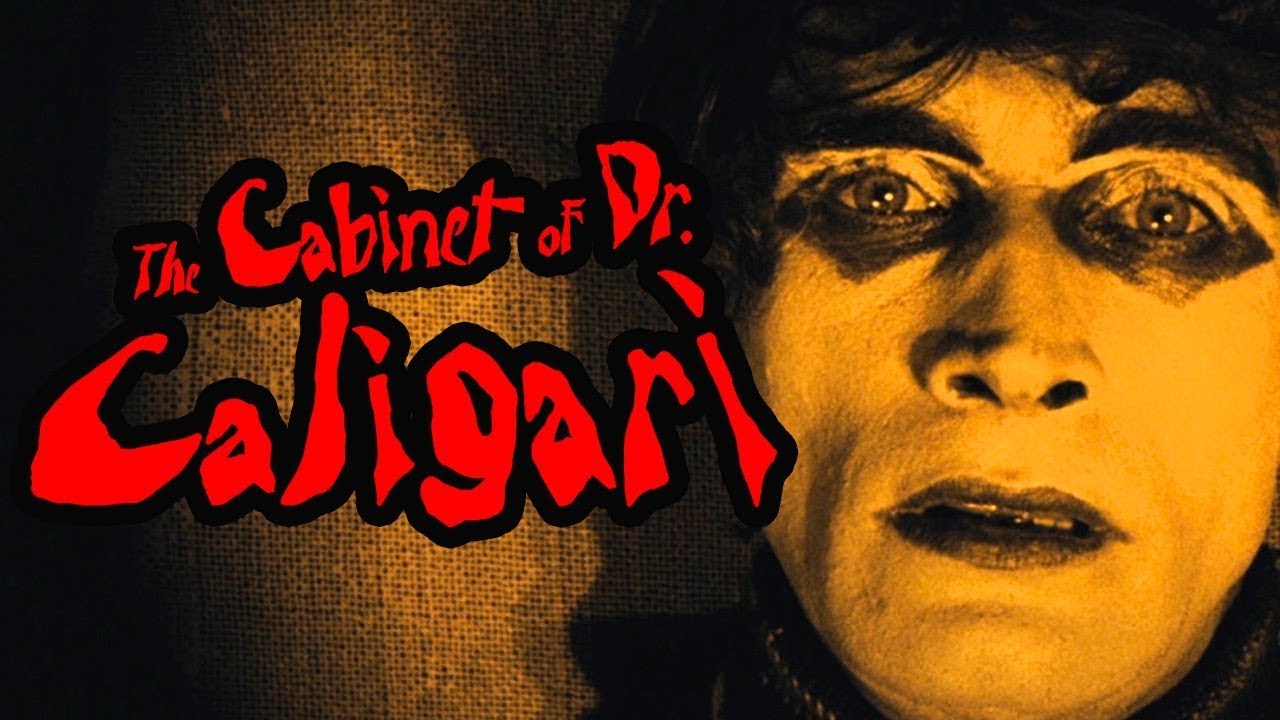
2. The Cabinet of Dr. Caligari (1920)
The Twist Ending That Broke Brains
This isn’t just a movie; it’s a hallucination caught on film. The Cabinet of Dr. Caligari is the poster child for German Expressionism—a style where the set reflects the character’s madness. The walls are crooked. The windows are jagged. Nothing makes sense, and that’s the point.
The Vibe:
A hypnotist uses a sleepwalker (somnambulist) to commit murders. But the real horror is the set design. It looks like a Dr. Seuss book went through a goth phase.
The Modern Flex (Influence):
Do you love Shutter Island? How about Fight Club? The unreliable narrator and the mind-bending twist ending owe everything to Caligari. Visually, this film is the grandfather of practically every Tim Burton movie, especially Edward Scissorhands. The jagged, painted shadows proved that horror could be psychological, not just physical.
Why Watch: For the aesthetic. Seriously, every frame could be a poster on your wall.
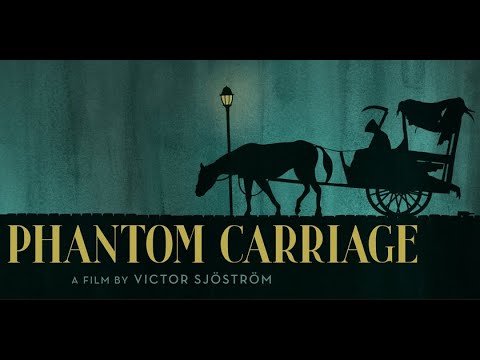
3. The Phantom Carriage (1921)
The Ghost Story That Inspired Kubrick
Sweden brought the heat with this one. Directed by Victor Sjöström, this film uses a creepy legend: the last person to die on New Year’s Eve has to drive Death’s carriage for the next year, collecting souls.
The Vibe:
It’s spooky but deeply emotional. The special effects—using double exposure to make the ghosts look transparent—were groundbreaking for 1921 and still look hauntingly beautiful today.
The Modern Flex (Influence):
Stanley Kubrick was a huge fan. Remember the iconic “Here’s Johnny!” scene in The Shining where Jack Nicholson hacks through the bathroom door with an axe? That is a direct frame-for-frame homage to a scene in The Phantom Carriage. If it’s good enough for Kubrick, it’s good enough for you.
Why Watch: To see specialized ghostly effects done without a single computer. It’s practical magic at its finest.
4. The Golem: How He Came into the World (1920)
![The Golem (1920) | Jewish Horror Film [Original]](https://www.gsnsp.com/wp-content/cache/flying-press/7cf5520bff8c89cde6f6ff475c88de1c.jpg)
The Original Frankenstein Monster
Before Boris Karloff put bolts in his neck, there was the Golem. Set in 16th-century Prague, a Rabbi creates a creature out of clay to protect the Jewish community from persecution. Spoiler alert: creating life never goes as planned.
The Vibe:
The Golem looks like a clay statue come to life—stiff, hulking, and intimidating. But there’s a tragedy to him. He’s not evil; he’s just… uncontrollable.
The Modern Flex (Influence):
James Whale’s 1931 Frankenstein lifted heavily from this film. The scene where the monster meets a little girl? Straight from The Golem. The stiff, heavy walk? The Golem. It also laid the groundwork for the “AI turning on humanity” trope we see in everything from Terminator to Ex Machina.
Why Watch: It’s a masterclass in atmosphere and offers a fascinating look at Jewish folklore in horror.
5. Häxan (1922)
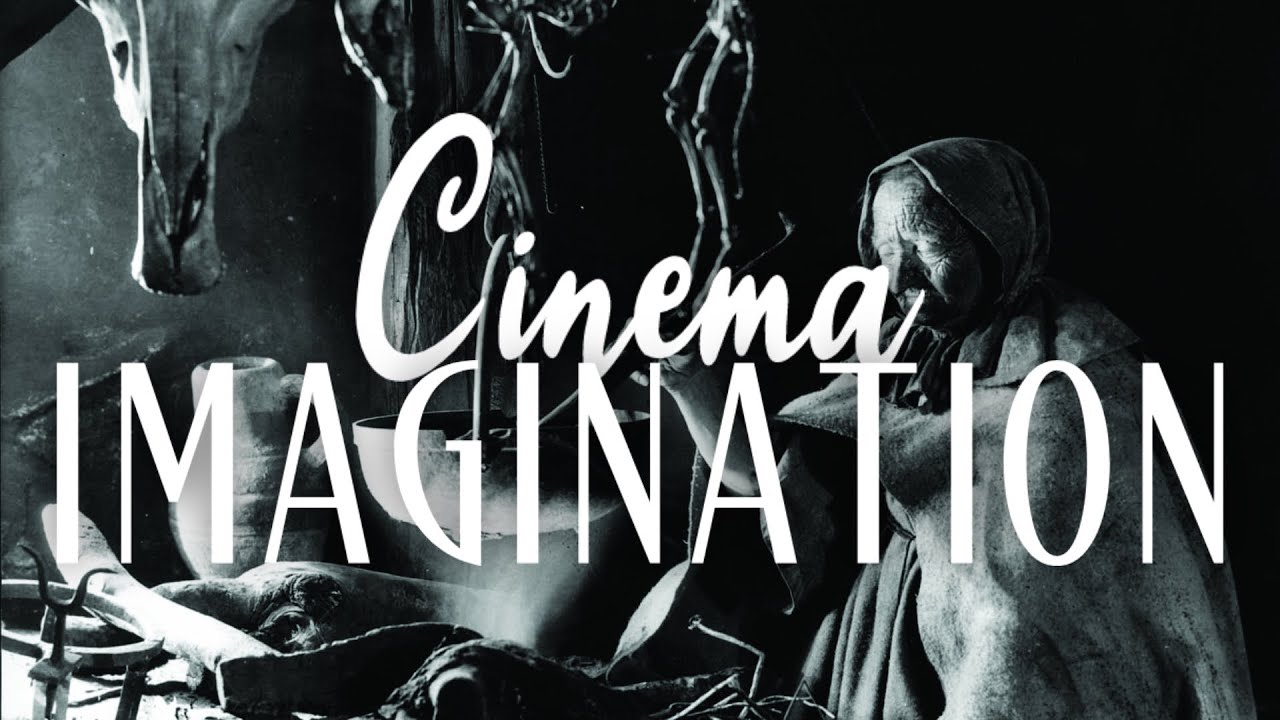
The Documentary From Hell
Is it a documentary? Is it a horror movie? It’s both. Häxan explores the history of witchcraft, moving from woodcuts and diagrams to full-blown dramatizations of satanic rituals, flying witches, and demons.
The Vibe:
Chaotic energy. One minute you’re learning about medieval torture devices, the next you’re watching people kiss the Devil’s… tail. It’s visually wild and surprisingly funny in parts, but the imagery is undeniably dark.
The Modern Flex (Influence):
This is the great-grandmother of “found footage” and folk horror. Films like The Witch (2015), Midsommar, and The Wicker Man draw directly from the imagery established here. It showed that horror could be educational and terrifying at the same time.
Why Watch: For the visuals of witches flying over the village. It’s metal as hell.
6. Faust (1926)
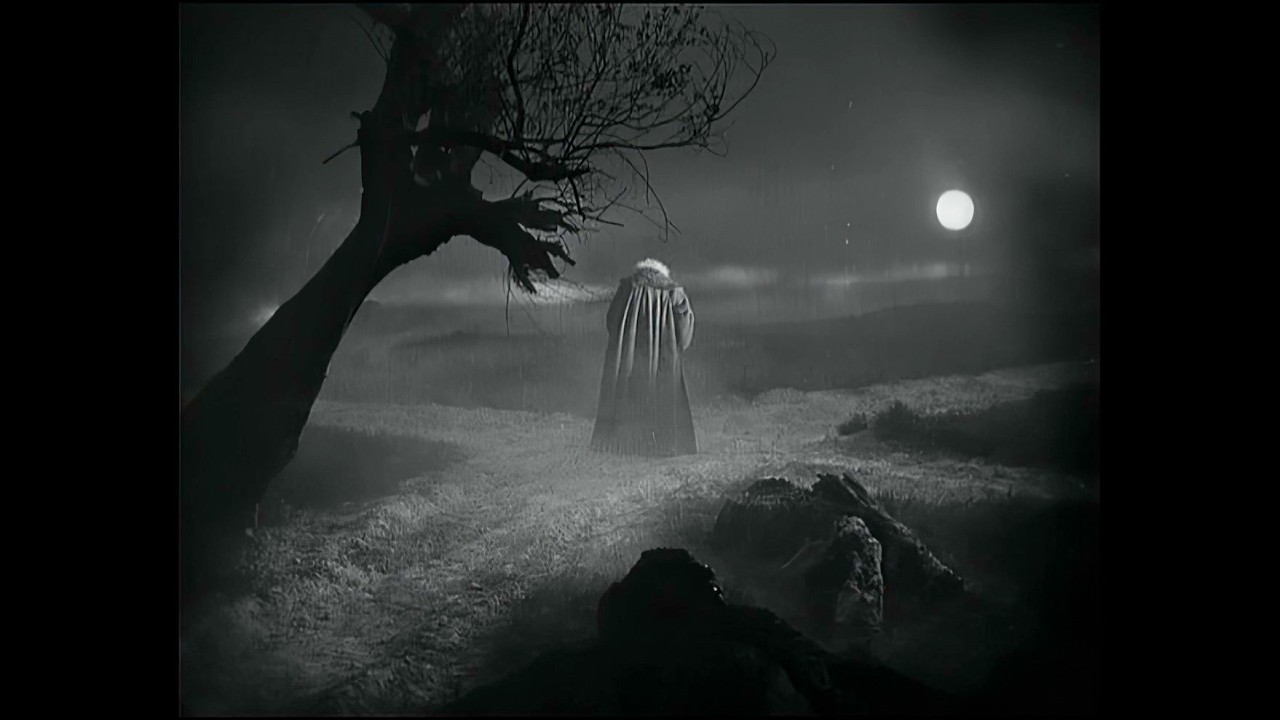
The Ultimate Deal With The Devil
F.W. Murnau strikes again. Retelling the classic German legend, an alchemist makes a pact with Mephisto (the Devil) for youth and power. But the devil is in the details—literally.
The Vibe:
Epic. That’s the only word for it. The special effects were lightyears ahead of their time. We’re talking giant demons overshadowing entire towns, riders in the sky, and magical transformations.
The Modern Flex (Influence):
The visual scale of Faust influenced the “Night on Bald Mountain” sequence in Disney’s Fantasia. If you like the high-fantasy horror of Guillermo del Toro (like Pan’s Labyrinth), you’ll see the DNA here. It proved horror could be a grand, operatic spectacle.
Why Watch: Mephisto is one of the most charismatic villains in cinema history. He’s having way too much fun ruining Faust’s life.
7. The Fall of the House of Usher (1928)
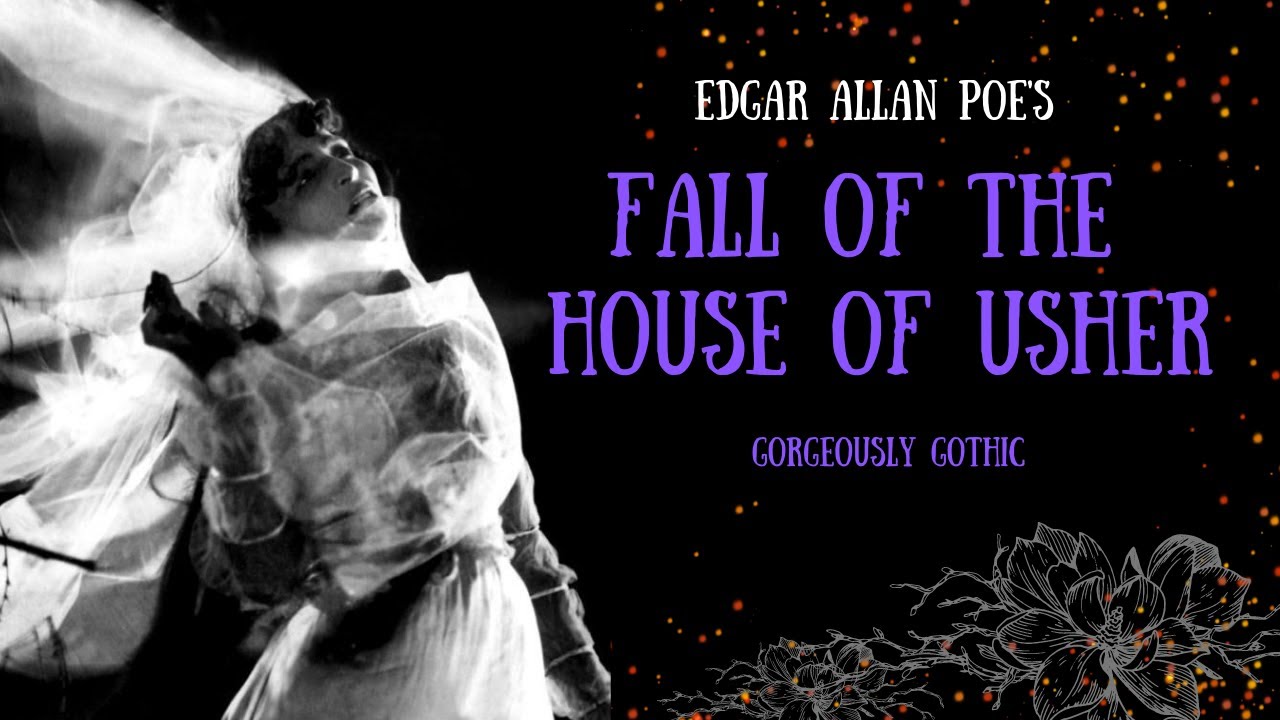
The Fever Dream
Based on Edgar Allan Poe’s story, this French film by Jean Epstein is less about a monster and more about a mood. A man visits his friend’s decaying mansion, where the line between the living and the dead is… blurry.
The Vibe:
Disorienting. The camera spins, goes out of focus, and moves in slow motion. It’s meant to make you feel like you’re losing your mind, just like the characters.
The Modern Flex (Influence):
David Lynch (Twin Peaks, Eraserhead) owes a lot to this surreal style. It popularized the idea that the “haunted house” isn’t just a building—it’s a living, breathing entity that hates you. This atmospheric dread is all over modern “elevated horror” films like The Lighthouse.
Why Watch: It’s a visual poem of decay. If you want to feel unsettled rather than scared, this is the one.
FAQ’s
Where can I watch these best silent horror movies for free?
Here is the best part: because these films were made in the 1920s, most are now in the public domain. This means you don’t need a subscription to Netflix or Shudder to find them. You can watch high-quality versions of Nosferatu, The Cabinet of Dr. Caligari, and The Phantom Carriage legally on YouTube or the Internet Archive. However, if you want a pristine experience, the Criterion Collection often restores these classics with updated orchestral scores that sound incredible.
Are silent black and white horror films actually scary by today’s standards?
Honestly? It depends on what scares you. If you need loud jump scares or gore to feel fear, these might not do it for you. But if you get creeped out by uncanny imagery, nightmare logic, and thick atmosphere, then yes, they are terrifying. Nosferatu still unauthorizes sleep for many people because Count Orlok looks so unnatural. These films master the art of “dread”—that heavy feeling in your gut that something is wrong.
Why do the characters move so fast or jerkily in silent films?
You aren’t imagining things; they really are moving faster! Modern movies are shot at 24 frames per second (fps). In the silent era, cameras were hand-cranked, and films were usually shot at slower speeds, like 16 or 18 fps. When we play them back on modern projectors or digital screens at standard speed, the action speeds up. It gives these classic supernatural silent films a twitchy, unnatural vibe that actually makes the horror elements feel even weirder.
Were silent horror movies completely silent in theaters?
Surprisingly, no. The term “silent film” is a bit of a lie. In the 1920s, screenings were almost always accompanied by live music. Small theaters might have had a single piano player improvising the score, while massive movie palaces had full orchestras or giant Wurlitzer organs. Sound effects were sometimes created live behind the screen, too. So, you were never sitting in total silence; the music did a lot of the heavy lifting to build suspense.
Which influential silent horror film should I start with?
If you are a total newbie, start with Nosferatu. It follows a plot you likely already know (Dracula), so you won’t get lost in the story. Plus, it is visually stunning and moves at a decent pace. If you want something that feels like a twisted art project, go for The Cabinet of Dr. Caligari. It is short, punchy, and visually unlike anything made before or since.
Why is the acting so exaggerated in the silent era?
Since the actors couldn’t use their voices to convey emotion, they had to use their bodies and faces. Everything had to be bigger. A subtle frown might be missed by the audience, but a dramatic gasp or a hand over the mouth reads clearly from the back row. While it looks theatrical to us now, it was a necessary skill called pantomime. In the context of horror, this exaggerated style often makes the monsters look even more unhinged and frightening.
These films aren’t just history lessons; they are the foundation of the fear we enjoy today. They proved that you don’t need dialogue to scream. Next time you settle in for a movie night, skip the Netflix queue and fire up one of these legends. You might be surprised at just how modern they feel.
Ready to get spooked the old-school way? Most of these films are in the public domain! Search for them on YouTube or the Internet Archive tonight and see where the nightmares began.
Sources: bfi.org.uk, wikipedia.

