

Christmas Ghost Stories: 5 Obscure Paranormal Cases That’ll Haunt Your Holidays
Most people know about Amityville and the Bell Witch. But what about the ghosts nobody talks about? These five paranormal cases involve documented poltergeist activity, tortured prisoners returning from beyond, and a witchcraft curse that’s allegedly still active 400+ years later. They didn’t make blockbuster horror films, they didn’t become Netflix specials, but they’re backed by multiple credible witnesses, investigative reports, and some genuinely unexplainable phenomena that paranormal researchers still can’t collectively dismiss. Ready to discover hauntings that’ll actually make you check your closet? Let’s go.
1. Willington Mill: The Faceless Woman Who Watched Children Sleep for Over a Decade
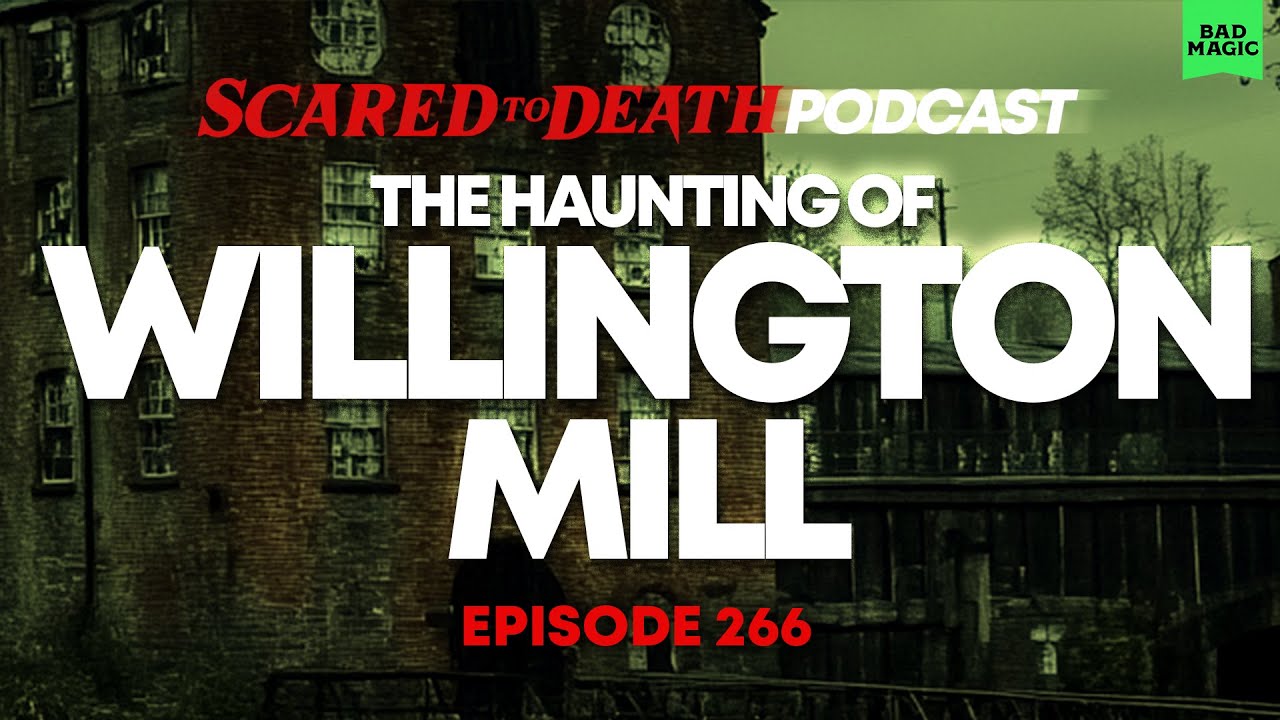
January 1835. North Tyneside, England. The Proctor family moved into a Georgian house near Willington Mill expecting a fresh start.
What they got instead was one of Britain’s most extensively documented poltergeist hauntings all meticulously recorded in Joseph Proctor’s personal diary, which paranormal researchers still analyze today.
It started quietly. A nursemaid began hearing unexplained footsteps pacing the room directly above the nursery slow, methodical, relentless. For two months, she endured the sound alone, terrified to report something so ridiculous. When she finally confessed to the Mistress of the house, Mrs. Elizabeth Proctor, others dismissed it as imagination.
Then Elizabeth heard it too.
The phenomena escalated exponentially. Children reported seeing a glowing orb that materialized in bedrooms. Adults witnessed disembodied murmurs that seemed to come from the air itself multiple servants, visiting family members, and the parents all heard it simultaneously. A four-year-old girl named Jane witnessed something far more terrifying: a disembodied head of an old woman appearing from underneath her watchstand, mouth open as if screaming silently, pale face staring directly at her.
But the most documented phenomenon involved a woman’s voice. For three years, the Proctor children complained of hearing an old woman muttering incomprehensibly in their bedrooms some suspected to be a cottage witch who’d allegedly haunted the property generations prior. Nearly a dozen adults, including servants and visiting relatives, heard the voice firsthand on multiple occasions.
As years passed, the haunting intensified beyond simple apparitions. Furniture moved across rooms on its own. Invisible hands grasped at people’s arms and legs as they ascended stairs. Servant bells rang from empty rooms. The entity manifested briefly on staircases or stood behind children themselves.
One November evening in 1837, something remarkable happened. A man named Thomas Mann encountered a luminous, misty form of a woman walking back and forth in the Proctors’ master bedroom described as “very luminous and likewise transparent” wearing what appeared to be a white surplice or white gown. When he uttered the words “dear God, is that her?” the figure abruptly stopped, turned to face the window, and stared directly at him across the dark night.
The specificity is haunting: Joseph Proctor’s diary documents an 18-month period of intensive paranormal activity with named witnesses, specific dates, and detailed descriptions that never waiver. Unlike other Victorian-era poltergeist cases contaminated by embellishment, these entries were contemporaneous written as events occurred, not decades later for dramatic effect.
Modern paranormal researchers have analyzed Proctor’s diary extensively. The consistency of phenomena, the number of independent witnesses, and the documented physical evidence (objects in impossible positions, furniture arrangements changing overnight) make Willington Mill comparable to the Enfield Poltergeist in credibility.
Yet almost nobody knows about it. Despite being studied by paranormal investigators and documented in academic research centers, Willington Mill remains eclipsed by more famous cases.
2. Chillingham Castle: The Torture Chamber Where an Executioner’s Spirit Still Demands Acknowledgment
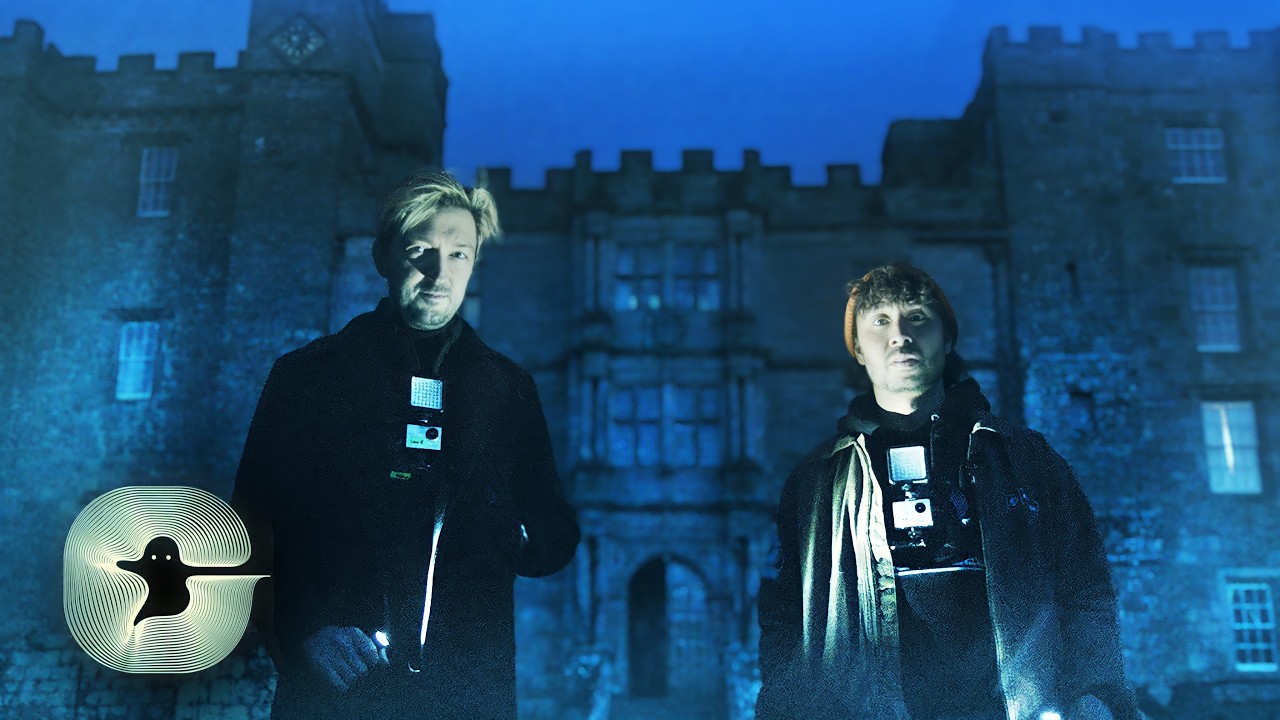
Northumberland. 1296. William Wallace (“Braveheart”) attacked the castle, leading to brutal reprisals by English forces determined to crush Scottish rebellion.
The castle’s original torture chamber since sealed permanently became the domain of John Sage, an executioner tasked with extracting confessions from suspected Wallace sympathizers.. According to records, Sage tortured approximately 7,800 people over a three-year period roughly 50 people weekly. The castle kept gruesome instruments: thumbscrews, impaling spikes, an Iron Maiden, and various devices designed for maximum suffering.

But what makes Chillingham different from other medieval torture sites is the documented paranormal persistence.
Modern paranormal investigators report that Sage’s spirit doesn’t simply haunt the chamber it actively interacts with visitors. Using specialized equipment like SLS cameras (which detect human-like forms through infrared grid recognition) and Ovilus devices (which supposedly translate spirit energy into words), investigators have allegedly made contact with named spirits including “John,” “Sandy,” and other victims.
The phenomena are specific and consistent across multiple investigations. Chairs move across the Great Hall on their own. Objects are thrown with force. Visitors report overwhelming feelings of dread and physical sensations sudden back pain, inexplicable nausea. In the chapel, a young girl’s skeleton was unearthed beneath the floorboards; visitors now report hair being pulled, extreme sadness overwhelming those who enter.
What’s genuinely unsettling is how the entity responds to direct engagement. Paranormal investigators who attempt communication with Sage using dowsing rods report that the spirit deliberately manipulates the instruments to answer questions. When asked to identify victims, the device allegedly spelled out names including victims of torture.
The castle’s current operators freely acknowledge the haunting as genuine. Tours specifically highlight the most active paranormal locations the torture chamber, the King Edward I room where children were allegedly executed, the Pink Room where the “Blue Boy” (a child ghost) allegedly floats above the bed suggesting the property embraces its paranormal reputation rather than attempting to debunk it.
Unlike Borley Rectory (where investigator fraud was proven), Chillingham’s phenomena remain undisputed by mainstream skepticism. No coordinated debunking has successfully explained all the documented evidence.
3. Pluckley: Britain’s Most Haunted Village Where 12+ Ghosts Outnumber Skeptics
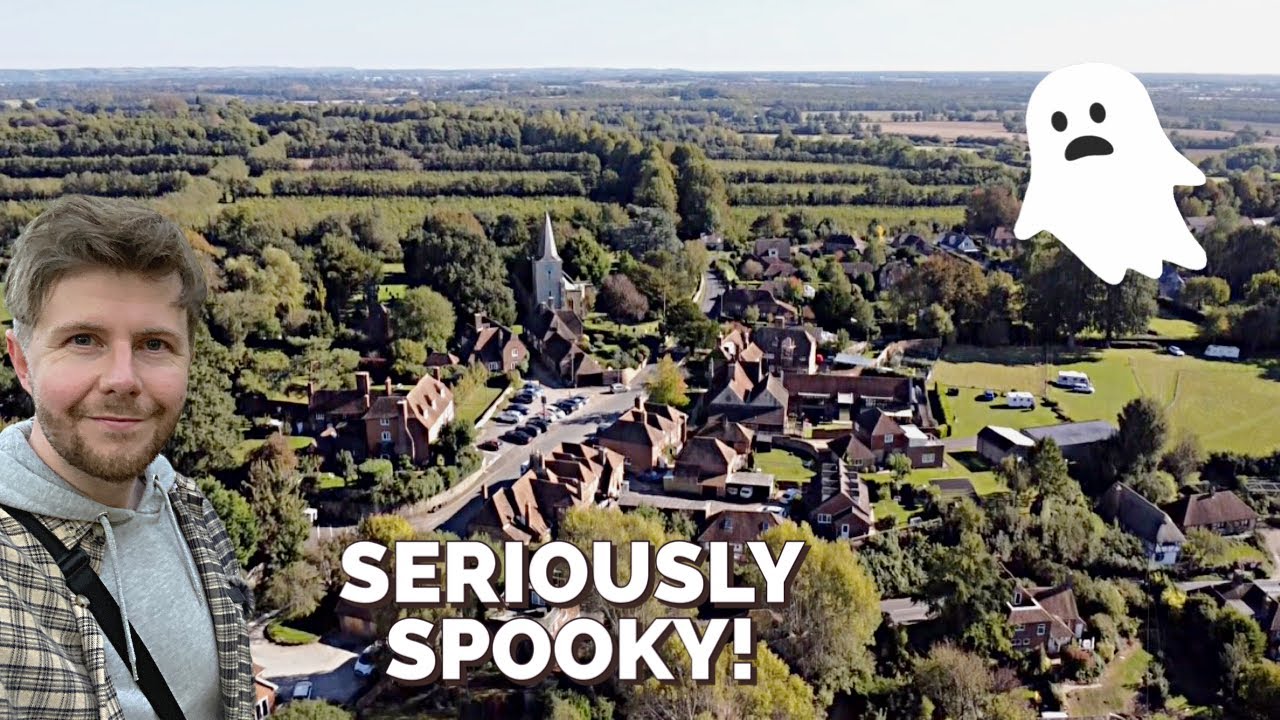
Pluckley, Kent. Population: 1,000. Alleged ghosts: 12+. And honestly? The village doesn’t care if you believe.
In 1989, Guinness World Records officially designated Pluckley as Britain’s most haunted village not based on folklore, but on documented paranormal reports spanning centuries. Unlike villages that claim hauntings to attract tourism, Pluckley’s residents largely want the ghost hunters to go somewhere else.
Here’s what makes this case genuinely unusual: The individual ghost stories are specific, rooted in documented tragedy, and verified across multiple independent sources.
The Watercress Woman: A gypsy woman allegedly walked the bridge nightly smoking a clay pipe. One evening, she fell asleep and her pipe ignited her clothes, burning her alive. Her ghost sometimes seen as a physical apparition, sometimes as a glowing light continues walking the same bridge.
The Highwayman at Fright Corner: A criminal bludgeoned to death with a sword is allegedly pinned to a tree by a sword thrust, visible as a translucent figure haunting the exact location where he died. This legend originated from documented historical records of actual highwayman murders in the area.
The Screaming Woods: Also called the Dearing Woods, this location produces “chilling nighttime cries” according to multiple contemporary reports. The phenomenon has been documented in ghost-hunting TV episodes and paranormal investigation reports.
Multiple unnamed spirits: The Black Horse pub dating to the 1470s reportedly has objects moving independently (chairs observed “sliding” across floors). Pub owner Samantha Camburn inherited a grotesque old dollhouse rumored to belong to a ghostly child; despite calling it “hideous,” she refuses to remove it, stating she doesn’t want to upset the entity.
What’s genuinely credible is Pluckley’s refusal to dramatize. When Guinness World Records certified it as Britain’s most haunted, the village didn’t capitalize on the designation with excessive marketing. Instead, residents express frustration with the influx of ghost hunters who vandalize the churchyard and disturb the peace.

Recent documentary evidence supports the hauntings. In 2024, a New York Times investigation into Pluckley found that skeptics and believers coexist uneasily, with even non-believers acknowledging experiences they can’t explain. One pub owner, skeptical about the supernatural, admitted to unexplained knocks disrupting his sleep twice in one month phenomena he “can’t explain, though he remains unafraid of upsetting any supernatural entities”.
The most compelling aspect: Paranormal researchers like Neil Arnold, author of multiple books on British hauntings, have studied Pluckley extensively. Arnold estimates approximately half of the ghost stories are rooted in actual documented events murders, tragic deaths, legitimate historical tragedies. The other half represent folklore embellishment. But significantly, no single investigator has completely debunked Pluckley.
4. Pendle Hill: The Witches’ Curse That Never Lifted 400+ Years of Documented Paranormal Activity

August 20, 1612. Ten people hang from Gallows Hill in Lancaster, accused of witchcraft.
Nine were executed at Lancaster. One at York. The youngest accused was nine years old. Little Jennet Device testified against her own mother, brother, and sister a betrayal driven by family drama and superstition that made her paranormal history’s most haunting child witness.
But what truly sets Pendle Hill apart is its distinctive character: the curse wasn’t fictional folklore added later. It was documented immediately.
Contemporary records show that within weeks of the executions, paranormal phenomena began. Locals reported seeing ghostly figures on the hill, experiencing inexplicable atmospheric disturbances, and hearing disembodied voices. These accounts weren’t Victorian retellings they were documented in parish records, church notes, and testimony from people who lived in the villages surrounding Pendle.
The paranormal claims continued escalating over four centuries.
Modern paranormal investigators describe experiencing Poltergeist activity, strange voices, and witnessing what they believe are witches’ dark rituals replaying on the hillside. Visitors consistently report feeling watched on foggy nights, hearing whispers carried on the wind, and experiencing a sense of dread that dissipates only when they leave the hill.
Even more peculiar: the village church installed what’s called the “Eye of God” window specifically to protect the town from the witches’ curse before their death. This wasn’t modern paranormal tourism this was a protective measure implemented centuries ago, suggesting the parish officially recognized the supernatural threat.
What separates Pendle from other witch trial hauntings is the documentation of ongoing phenomena. Paranormal teams spent entire nights on Pendle Hill in recent years, recording audio of supposed witch voices, documenting electromagnetic spikes, and claiming contact with individual spirits including the tortured spirit of Jennet Device herself.
The ethical complexity is important to acknowledge: These weren’t witches practicing dark magic. They were poor people many healers using herbal medicine accused under mass hysteria conditions. The paranormal activity might represent genuine spiritual disturbance from innocent people wrongly executed, or residual energy imprinted onto the landscape by collective trauma.
Yet the phenomena persist. Locals reportedly still avoid speaking the witches’ names after dark. Halloween brings hundreds of paranormal investigators to Pendle not because of manufactured tourism, but because something unexplained continues occurring there.
5. Glamis Castle: The Hidden Monster and Multiple Documented Spirits That Still Defy Explanation
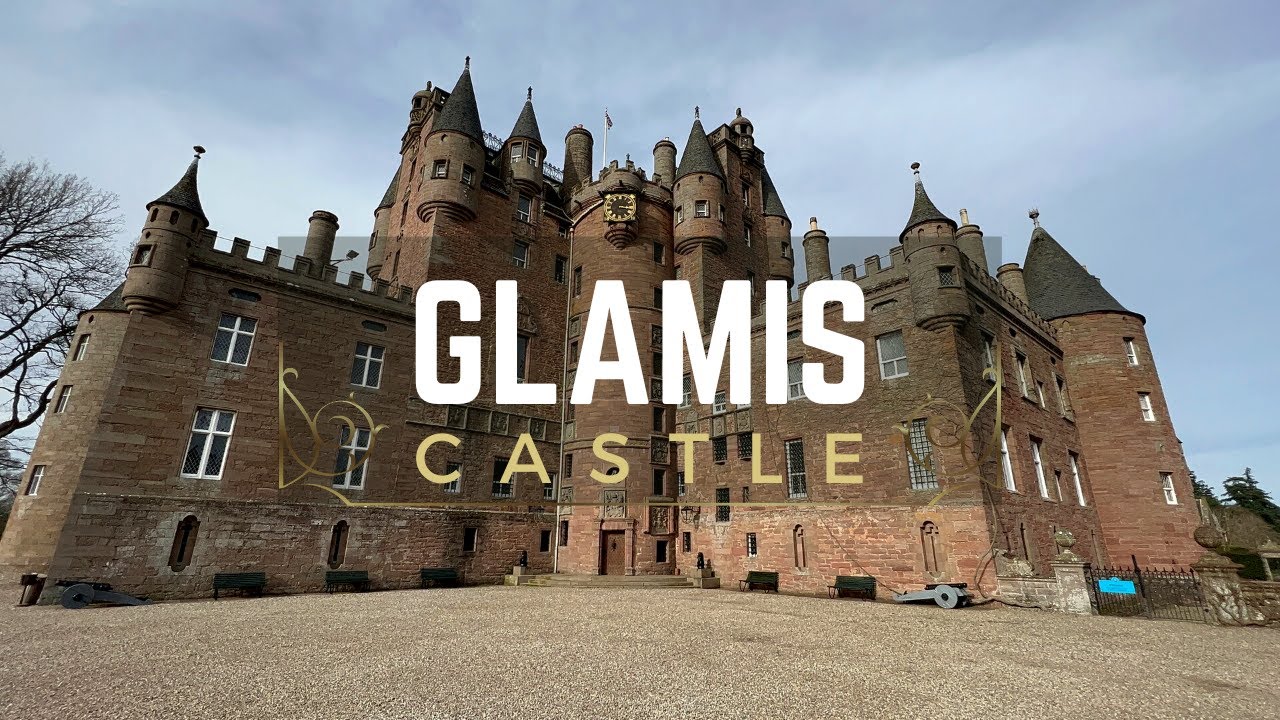
Scotland. 1537. King James V orders Lady Janet Douglas burned at the stake on false charges of witchcraft, forcing her 16-year-old son to watch his mother burn alive.
Her ghost known as the Grey Lady haunts Glamis Castle to this day, allegedly seen entering the private family chapel and kneeling in prayer in a seat specifically left empty in her honor. She’s been witnessed by the castle’s own residents, including the Queen Mother’s sister, the Dowager Countess Granville.
But Lady Janet isn’t the castle’s most disturbing spirit.

The “Monster of Glamis” represents British paranormal history’s most famous family secret. According to researchers and historical records, a heavily deformed child allegedly Thomas Bowes-Lyon, a son of the great-great-grandparents of the current Queen was allegedly born in October 1821 with severe physical deformities: an enormous chest, excessive body hair, a head that ran directly into shoulders without a neck, and toy-like limbs. The official claim was stillbirth, but historical evidence suggests otherwise.
The child allegedly lived imprisoned in sealed chambers deep within the castle, accessible only to a select few who rotated the duty of keeping the secret. When these guardians died, successors were appointed to continue the silence.
When the Monster died, the castle’s Lord bricked up the chambers permanently to prevent discovery.
One Lady Glamis desperately wanted to find these sealed rooms. While the Lord was away, she invited friends over and together they hung white towels from every castle window then checked outside to identify which windows remained unmarked (indicating sealed chambers). When the Lord discovered this, he was allegedly furious; his wife fled that same night and never returned.
Contemporary paranormal investigators and castle staff claim the Monster still haunts the battlements.
But there are others.
The “Tongueless Maid” had her tongue removed after discovering and attempting to exploit a deep family secret. Her ghost allegedly appears in the courtyard with blood gushing from her mouth, and behind barred windows where she was imprisoned.
A black servant was hunted like an animal by Earl Beardie and his guests, torn apart by dogs in what became sick entertainment. His ghost runs the corridors in absolute panic.
Earl Beardie himself a heavy drinker with violent temperament allegedly played cards with the Devil on the Sabbath, was tormented by a mysterious man in black who took his soul, and now haunts the castle as a dark presence that leans over sleeping children’s beds at night.
The African servant boy treated unkindly in the 18th century behaves as a mischievous entity, pulling away bedclothes and making people trip outside bedrooms.
What makes Glamis genuinely unsettling isn’t individual ghost stories it’s the sheer number of documented spirits, each with specific behavioral patterns, witnessed independently by multiple credible observers including royal family members.
The castle’s current ownership acknowledges the paranormal activity. Tours specifically mention haunted rooms and encourage visitors to document paranormal experiences.
No mainstream paranormal researcher has collectively debunked Glamis’s phenomena. The castle remains Scotland’s most famous haunted location not due to Hollywood dramatization, but because of sustained, consistent, documented supernatural activity spanning centuries.
Do me a favor
Have you encountered paranormal phenomena in lesser-known locations? Comment below with your own obscure haunt experiences the ones that didn’t make headlines but shook your worldview. Subscribe to our newsletter for deep-dives into documented paranormal cases that refuse mainstream sensationalism. Because the real hauntings? They’re hiding in plain sight.

