

There is something primal about the fear of being eaten. It’s not just about sharp teeth or pale skin; it is the idea of a predator that looks like us but wants to drain the life out of us. Vampires aren’t just movie monsters. In fact, they are humanity’s oldest nightmare, a way for our ancestors to explain things they couldn’t understand like disease, death, and decomposition.
But how did we get from rotting corpses in shallow graves to the sparkly, brooding heartthrobs of Twilight? Buckle up. We are taking a bite out of history.
Ancient Nightmares: It Didn’t Start with Dracula
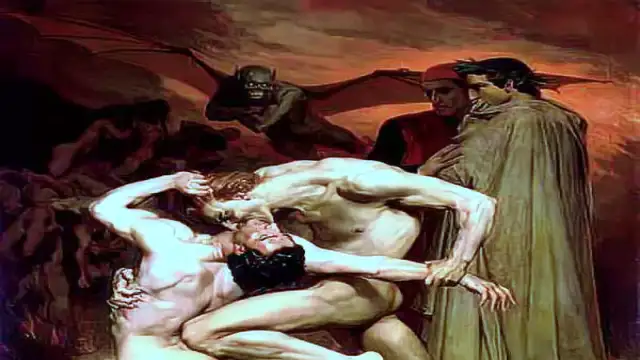
Long before Bram Stoker dipped his pen in ink, ancient civilizations were already freaking out about blood-sucking demons. They didn’t wear capes, though. They were far worse.
Mesopotamia: The Ekimmu
Fast forward or actually, rewind to ancient Babylon (around 4000 BC). Here, the Ekimmu were angry spirits of the dead who weren’t buried properly. These guys didn’t sparkle. Instead, they wandered the earth, sucking the life force out of the sleeping. Consequently, if you woke up feeling drained or sick, you didn’t blame the flu; you blamed a hungry ghost.
Ancient Greece: The Vrykolakas
The Greeks had a particularly nasty version called the Vrykolakas. Unlike the modern vampire who politely bites your neck, this creature was a messy eater. It didn’t just drink blood; it often ate the liver and flesh of its victims.
- Unique Insight: The Vrykolakas was often thought to be a person who died excommunicated or unburied. To kill it, villagers wouldn’t just use a stake they would often cremate the body to stop it from rising.
The Medieval Panic: When Science Was Superstition
As we moved into the Middle Ages, the vampire myth got a serious upgrade. Europe was ravaged by plagues. People were dying faster than they could be buried.
The “Chewing” Dead
During the Black Death, gravediggers noticed something terrifying. Some corpses appeared to have “chewed” through their shrouds.
- The Reality: We know now that as bacteria break down the body, gas builds up. This forces the mouth open and can push fluids out, dissolving the cloth.
- The Myth: Medieval peasants thought the dead were eating their way out of the grave to spread the plague.
The Real-Life “Dracula”: Vlad the Impaler
let’s address the elephant in the room. Was Dracula real?
Yes and no.
Vlad III, known as Vlad the Impaler, was a 15th-century Prince of Wallachia (modern-day Romania). He wasn’t a vampire, but he was a nightmare. To protect his land from the Ottoman Empire, he used psychological warfare: impalement.
He would skew enemies on long, wooden stakes and leave them to die slowly. It is estimated he killed over 80,000 people.
- The Name Game: His father belonged to the “Order of the Dragon,” giving Vlad the surname Dracul (Dragon). The suffix “a” means “son of.” So, Dracula means “Son of the Dragon.”
- The Twist: In modern Romanian, Dracul also means “The Devil.” Stoker didn’t base his character entirely on Vlad’s life, but he definitely borrowed the terrifying nickname.
The Great Vampire Panic (1700s – 1800s)
Believe it or not, the 18th century was when vampire hysteria actually peaked. It wasn’t in the dark ages; it was during the “Age of Enlightenment.”
Reports from Serbia and Hungary claimed dead villagers were returning to kill their families. Government officials actually went to investigate. They dug up bodies and saw bloating, growing hair/nails, and “new” skin.
- Scientific Fact Check: Skin shrinks as it dries, making nails and hair look longer. Gas bloating makes a corpse look well-fed.
- The Result: Mass burnings and beheadings of corpses.
The Mercy Brown Incident (1892)
This is the most famous American vampire case. In Exeter, Rhode Island, the Brown family was dying of tuberculosis (consumption). Neighbors believed one of the dead was draining the life from the living survivors.
They dug up 19-year-old Mercy Brown. Because it was winter, her body was well-preserved. The townspeople cut out her heart, burned it, and fed the ashes to her sick brother.
Did it work? No. He died two months later. This proves that “vampirism” was often just a tragic misunderstanding of contagious disease. Source: Smithsonian Magazine
The Literary Glow-Up: From Monster to Gentleman
Up until the 1800s, vampires were gross, bloated corpses. Enter John Polidori.
In 1819, he wrote The Vampyre. His main character, Lord Ruthven, was the first “gentleman vampire” rich, charming, and dangerous. This paved the way for Bram Stoker.
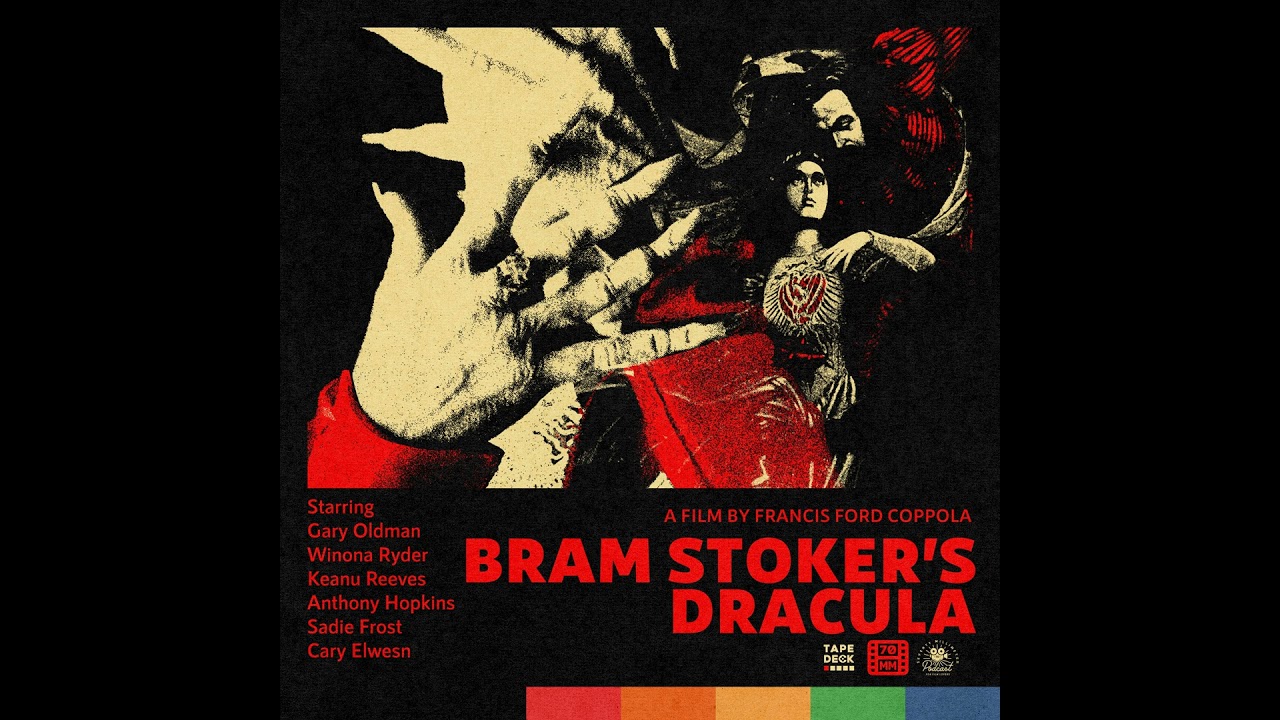
Dracula (1897)
Stoker didn’t invent the vampire, but he perfected the rules.
- No reflection? Check.
- Fear of garlic? Check.
- Weakness to sunlight? Actually, Stoker’s Dracula could walk in the sun; he was just weaker. The “burning in the sun” trope came later, mostly from the 1922 film Nosferatu.
Modern Vampires: Why We Love Them
Today, vampires represent something different. They aren’t just disease carriers; they are rebels. From the leather-clad vampires of The Lost Boys to the emotional struggles in Interview with the Vampire, we stopped fearing them and started dating them.
Why the shift?
Maybe because we aren’t as scared of tuberculosis anymore. Now, we fear aging and mortality. The vampire represents eternal youth a fantasy rather than a curse.
Summary of the Bloodline
- 4000 BC: Babylonian Ekimmu (Spirits).
- Middle Ages: Plague spreaders and shroud-eaters.
- 1400s: Vlad the Impaler inspires the brutality.
- 1700s-1800s: The Great Panic & Mercy Brown (Tuberculosis linked to vampires).
- 1897: Dracula standardizes the myth.
- 2000s: Twilight turns the predator into a protector.
Conclusion
Vampires have survived for thousands of years because they evolve. They change to fit the fears and desires of the generation telling the story. Whether it’s a rotting Vrykolakas or a glittering teenager, the vampire is here to stay.
What do you think? Are modern vampires too soft, or do you prefer them over the rotting corpses of history? Drop a comment below or share this with your horror-loving friends!
Note: All historical references, including the Mercy Brown incident and Vlad III’s history, are verified through historical records and folklore studies. No vampires were harmed in the making of this blog post.

