

Top 10 Unique New Year’s Traditions Around the World
Most of us spend New Year’s Eve doing the exact same thing. We watch a ball drop on TV, sip some bubbly (or sparkling cider), and vaguely promise to hit the gym in January. Sound familiar? While there’s nothing wrong with that, the rest of the world is busy partying in ways that would make your standard confetti toss look… well, a little boring.
Have you ever thought about celebrating by burning a giant scarecrow? What about sprinting down your street with an empty suitcase? Or maybe, just maybe, smashing your dinnerware against your best friend’s front door?
If you’re nodding along—or staring in confusion—you’re in the right place. We’re diving deep into 10 of the most unique, bizarre, and downright fascinating New Year’s traditions from every corner of the globe. These aren’t just quirky habits; they are centuries-old rituals steeped in history, hope, and the universal human desire to kick bad luck to the curb.
So, grab your passport (metaphorically speaking) and let’s explore how the world really rings in the New Year.
1. Denmark: Smashing Plates & Jumping Into January
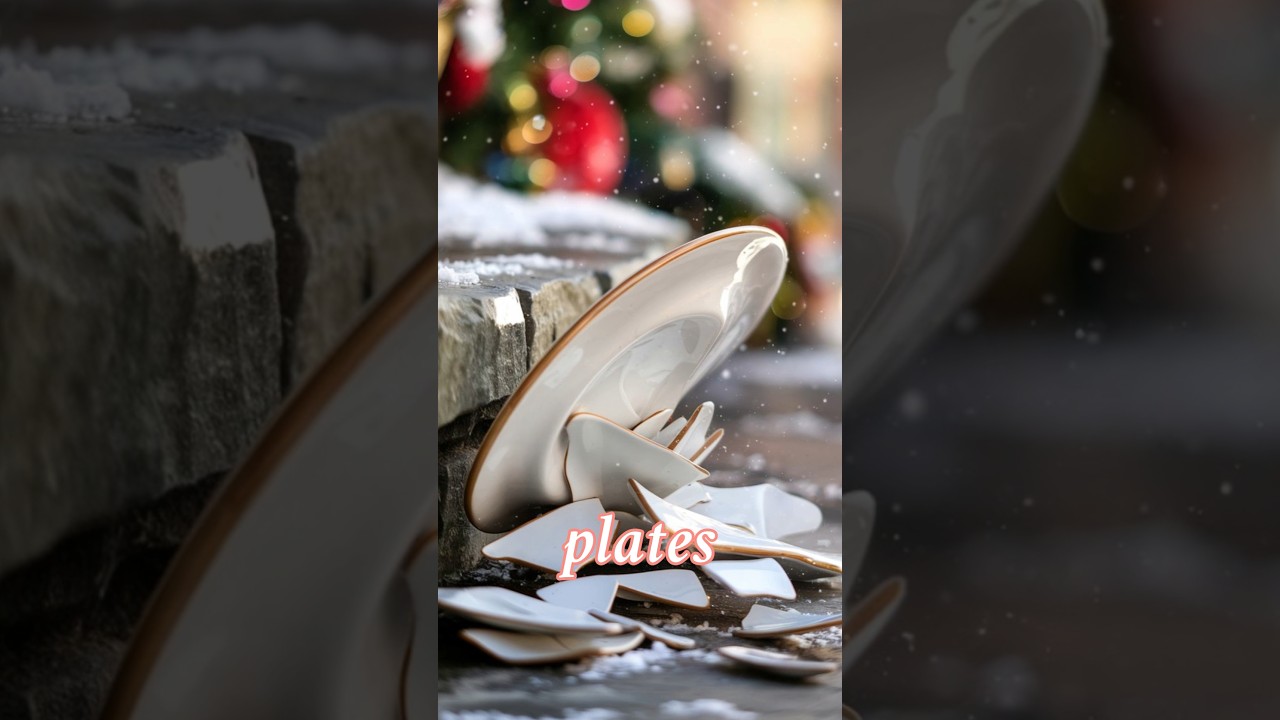
Local Name: Hoppe ind i det nye år (Jumping into the New Year)
In most places, breaking a plate is a cue to grab the broom and apologize profusely. In Denmark? It’s a sign of affection.
The Danes have a wonderfully chaotic way of showing love. Throughout the year, they save up their chipped or unused china. Then, on New Year’s Eve, they march over to the homes of their friends and family and hurl the plates at their front doors.
- Why do they do it?
It’s simple math, really. The bigger the pile of broken shards on your doorstep the next morning, the more friends you have who care about you. It’s a messy popularity contest, but hey, it’s heartwarming!
But the fun doesn’t stop there. As the clock nears midnight, you won’t find Danes sitting comfortably on their sofas. Everyone climbs up on a chair, and at the stroke of twelve, they literally jump off together. This leap symbolizes leaving the bad vibes of the old year behind and landing fresh in the new one.
Expert Insight: Don’t try this with your mom’s fine china unless you want to start 2026 grounded.
2. Ecuador: Burning the Past (Literally)

Local Name: Los Años Viejos (The Old Years)
If you’ve had a rough year, Ecuador is the place to be. Here, they don’t just verbally say goodbye to the past; they light it on fire.
Locals create large effigies called monigotes. These scarecrow-like dolls are stuffed with sawdust, newspaper, and sometimes even firecrackers. They represent the “old year” (el año viejo) and are often modeled after politicians, pop culture icons, or even cartoon characters (sorry, Pikachu).

- The Ritual:
At the stroke of midnight, families drag these monigotes into the street and set them ablaze. The fire purifies the coming year, ensuring that no bad energy follows you into January. - The Widow:
Often, men will dress up as the “widow” of the burning doll, begging for money in the streets to pay for the “funeral.” It’s theater, comedy, and catharsis all rolled into one.
Why it works: Watching your problems literally turn to ash? That’s cheaper than therapy.
3. Spain: The 12 Grapes of Luck

Local Name: Las Doce Uvas de la Suerte
You might think you’re a fast eater, but can you handle the pressure of the Spanish grape challenge? This tradition dates back to around 1909, allegedly started by vine growers in Alicante to sell a surplus harvest. Today, it’s a national sport.
Here’s the deal: You have to eat 12 grapes—one for each stroke of the clock at midnight.
Does that sound easy? Think again. You have exactly two or three seconds per grape. If you manage to swallow them all before the chimes stop, you’re guaranteed 12 months of good luck. If not? Well, you might start the year with a mouth full of mush and a sticky chin.
Pro Tip for Travelers:
- Buy the seedless, skinless cans of “lucky grapes” (uvas de la suerte) sold in Spanish supermarkets.
- Don’t laugh while chewing. Just don’t.
4. The Philippines: Roundness = Riches

In the Philippines, New Year’s Eve is all about manifesting wealth. And the shape of money? Circles.
Locals go all out with round everything. We’re talking:
- Polka Dots: Wearing clothes with round patterns is a must.
- Round Fruits: A centerpiece of 12 distinct round fruits (like oranges, melons, and grapes) is displayed on the dining table. Each fruit represents a prosperous month.
- Coins: People fill their pockets with coins and jingle them vigorously at midnight. The noise is said to attract wealth and keep the cash flowing.
It’s a sensory overload of noise, color, and geometry, all designed to ensure your bank account looks healthy in the coming year.
5. Romania: The Bear Dance

Local Name: Ursul
Forget fireworks; in the eastern regions of Romania (like Moldavia), the New Year brings… bears.
This is arguably one of the most intense and visually striking traditions on our list. Men, women, and children don real bear skins (some weighing over 50 pounds!) and parade through the streets. They dance to the rhythm of drums and flutes, mimicking the movements of a bear.
The Meaning:
In ancient Romanian culture, the bear is a sacred animal. The ritual symbolizes the death and rebirth of time. The dancers “die” and are “resurrected” during the performance, chasing away evil spirits in the process.
- Is it scary? A little.
- Is it cool? Absolutely.
It’s a powerful reminder of nature’s cycles, blending pre-Christian folklore with modern celebration.
6. Colombia: The Empty Suitcase Run
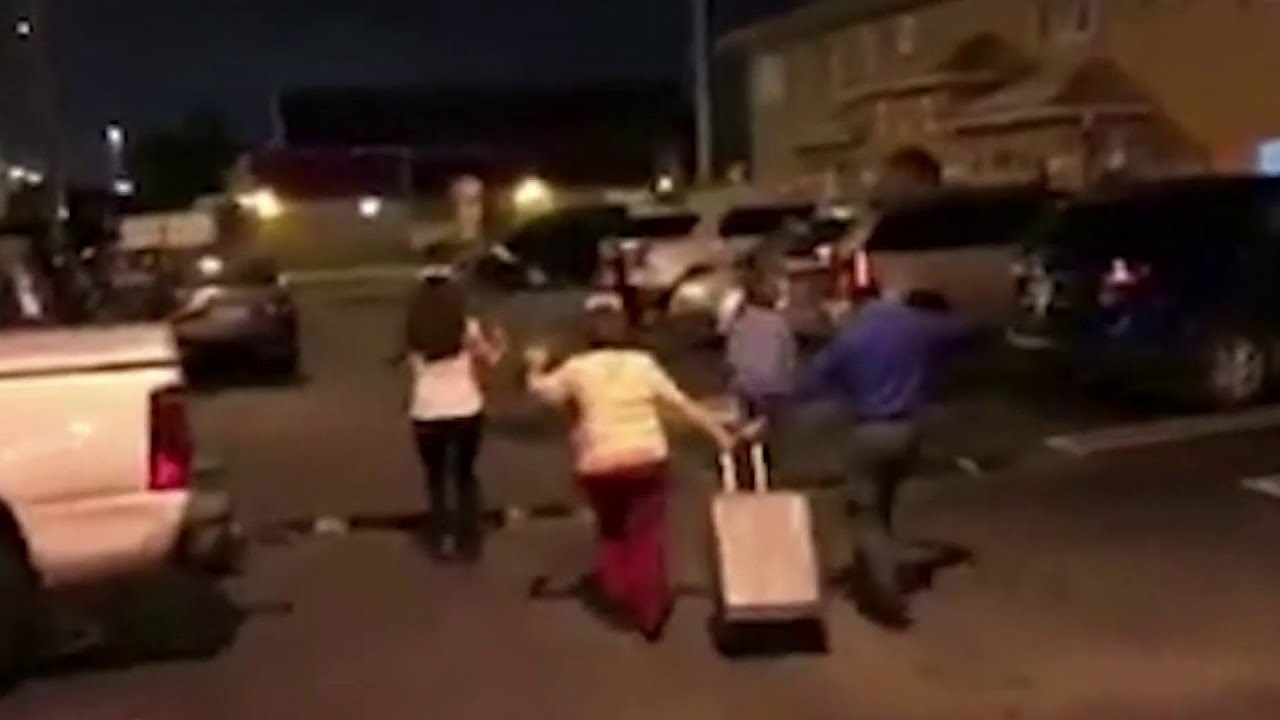
Local Name: La Maleta Vacía
Do you suffer from wanderlust? Do your feet start itching if you haven’t booked a flight in three months? Then you need to adopt this Colombian tradition immediately.
At midnight, while others are hugging or toasting, travel lovers in Colombia grab an empty suitcase and take off running. They sprint around the block (or just down the street and back) as fast as they can.
The Belief:
This act guarantees a year filled with travel and adventure. The faster you run, and the longer the distance, the further you’ll travel. It’s cardio with a purpose!
According to local travel blogs and cultural guides like Uncover Colombia, this tradition is embraced by people of all ages. You’ll often see entire families panting and laughing as they race their luggage around the neighborhood.
7. Japan: 108 Bell Rings
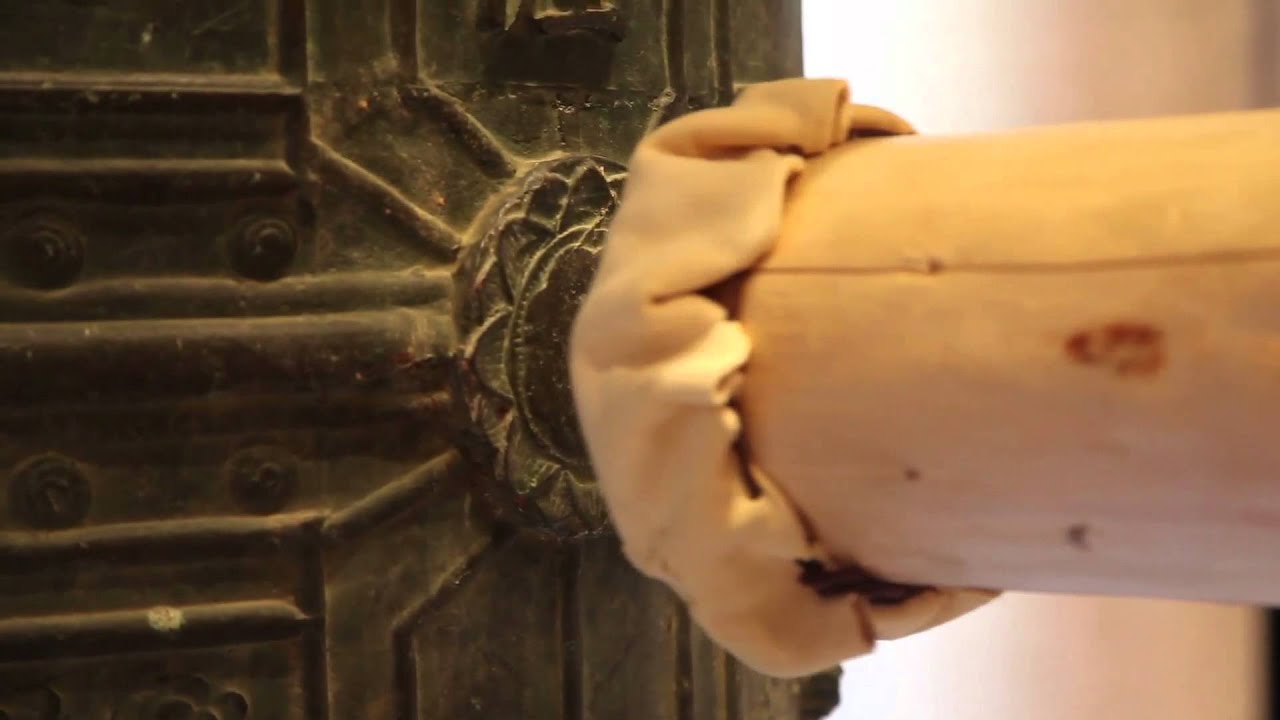
Local Name: Joya no Kane
If you prefer a more spiritual start to the year, look to Japan. While Western celebrations are often loud and boisterous parties, the Japanese New Year (Oshogatsu) traditionally focuses on purification.
On New Year’s Eve, Buddhist temples across the country ring their large bronze bells 108 times.
- Why 108?
In Buddhist belief, humans are plagued by 108 worldly desires or passions (bonno), such as anger, jealousy, and greed. Each toll of the bell drives away one of these sins, cleansing your soul for the year ahead.
The 108th ring strikes exactly at midnight. The sound is deep, resonant, and incredibly peaceful. It’s a moment to pause, reflect, and let go of the mental baggage you’ve been carrying.
8. Greece: Hanging the Onion
Local Name: Kremmida
Onions usually make us cry, but in Greece, they make us grow.
The humble onion (specifically the sea squill bulb in ancient times, but now often a regular onion) is a symbol of rebirth and fertility. Why? because an onion will sprout new green shoots even if it’s left alone in a dark cupboard. It simply refuses to give up.

- The Tradition:
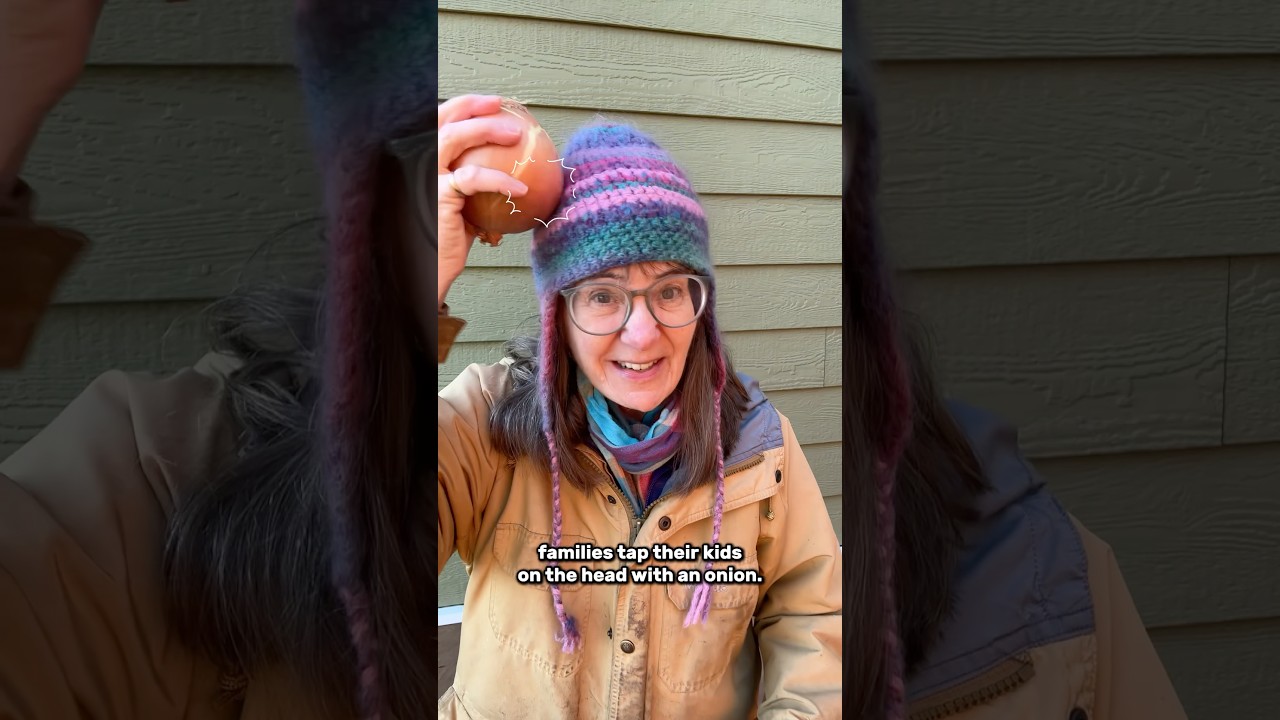
Families hang a large onion on their front door on New Year’s Eve. - The Wake-Up Call:
On New Year’s Day morning, parents take that same onion and tap their children on the head with it to wake them up. (Gently, we hope!) It transfers the onion’s resilience and health to the kids.
It’s a quirky, earthy reminder that life finds a way, even in tough conditions.
9. Estonia: The Feast of Seven Meals
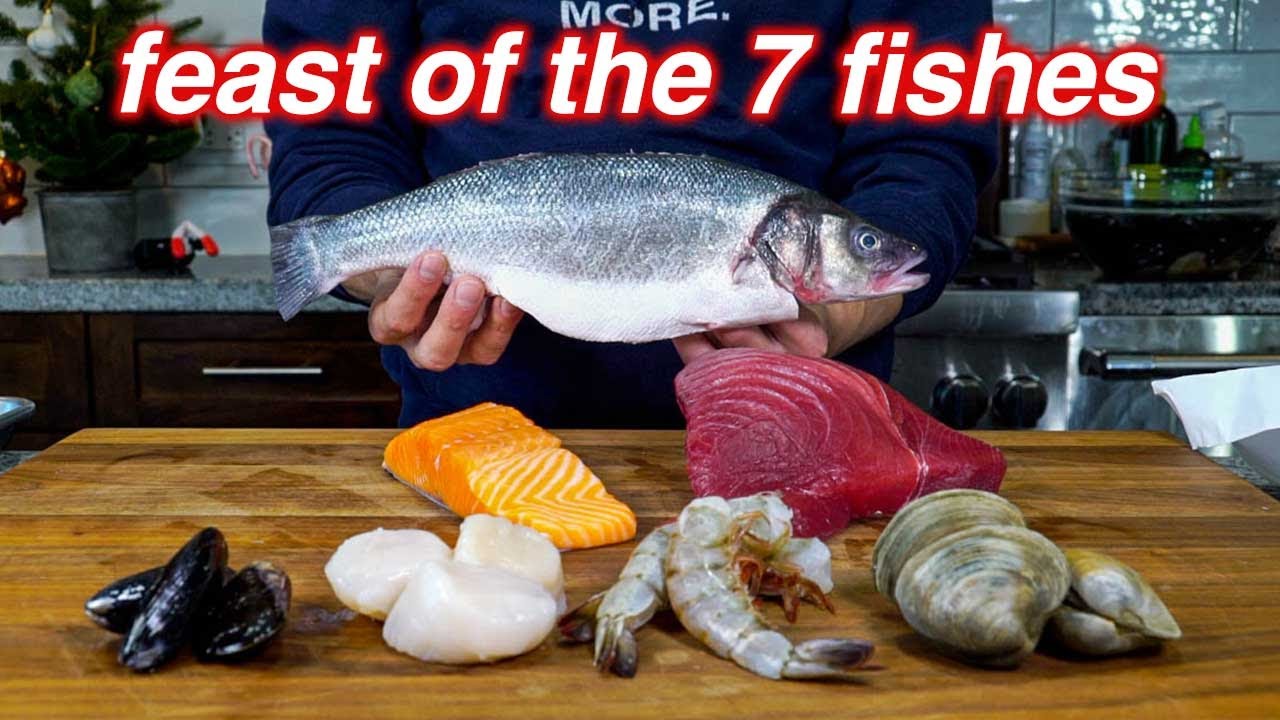
Intermittent fasting? Not in Estonia. If you’re celebrating New Year’s Eve here, bring your stretchy pants.
Traditional folklore suggests that to ensure strength and abundance in the coming year, a person should eat seven, nine, or twelve times on New Year’s Eve. These are considered lucky numbers.
- The Catch:
You don’t have to clean your plate every time (thankfully). In fact, it’s crucial that you leave some food behind. - Who is it for?
The leftovers are intentionally left on the table for the spirits of ancestors who are believed to visit the home on this holy night. It’s a beautiful way to include past generations in the celebration.
So, if you manage to eat seven meals, legend has it you’ll have the strength of seven men in the new year. Just be prepared for the food coma of a lifetime.
10. Chile: New Year’s with the Dead
Location: Talca, Chile
This might sound macabre to outsiders, but for the people of Talca, it is a deeply loving act.
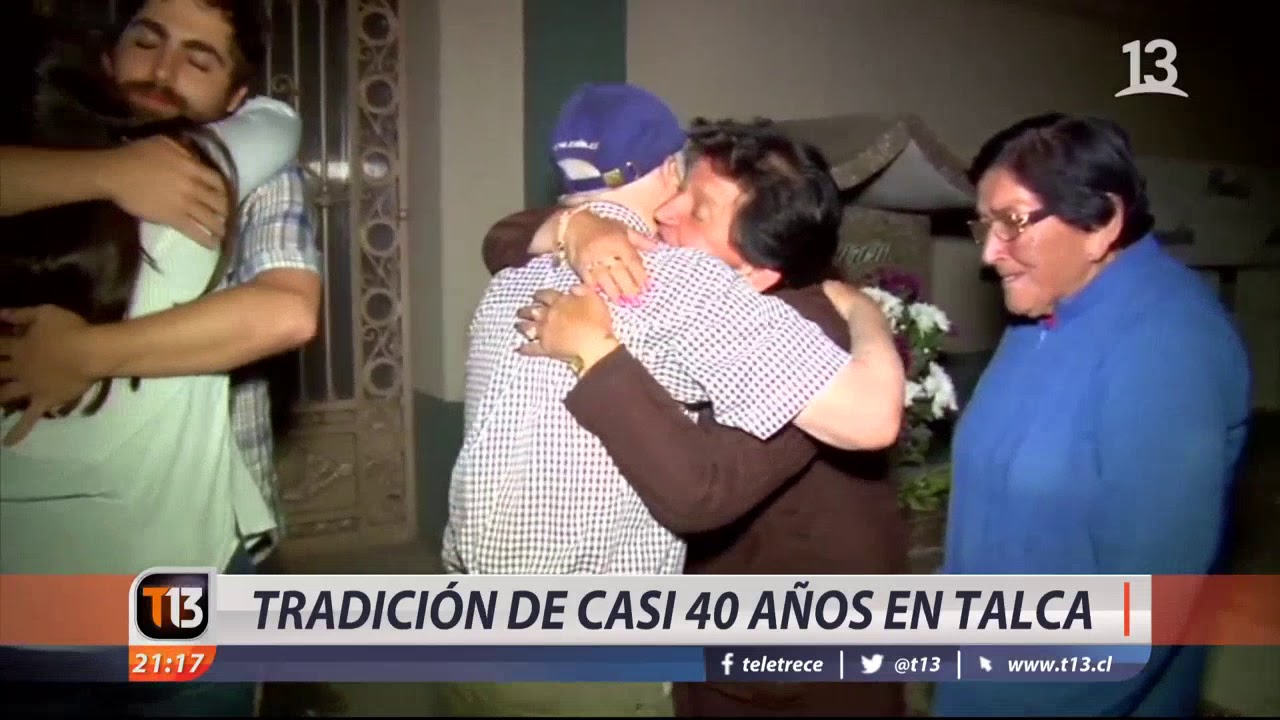
Around 11:00 PM on New Year’s Eve, the gates of the municipal cemetery are thrown open. Thousands of locals stream in, carrying candles, flowers, and even classical music recordings. They aren’t there to mourn—they are there to celebrate.
Families set up camp next to the graves of their deceased relatives. They light candles, share snacks, and ring in the New Year sitting right beside their loved ones who have passed on.
The Vibe:
It’s not spooky; it’s serene. It reinforces the idea that family bonds don’t end with death. It’s a poignant reminder that the New Year is about connection, past and present.
Which Tradition Will You Adopt?
The world is a massive, beautiful place filled with people who just want a little more luck, love, and happiness. Whether you’re burning a scarecrow, eating a grape every second, or just running around your block with a carry-on bag, the intent is the same: Hope.
So, for 2026, why not spice up your routine? Ditch the boring party hat. Grab an onion, find a bell, or smash a plate (safely). Who knows? It might just be your best year yet.
Ready to travel?
If these traditions sparked your wanderlust, don’t just read about them—go see them! Start planning your next adventure today. The world is waiting.
Quick Summary
- Denmark: Smash plates on friends’ doors for affection.
- Ecuador: Burn sawdust dolls to cleanse the past.
- Spain: Eat 12 grapes in 12 seconds at midnight.
- Philippines: Wear polka dots and eat round fruits for wealth.
- Romania: Dance in bear skins to ward off evil.
- Colombia: Run with an empty suitcase for more travel.
- Japan: Ring bells 108 times to cleanse sins.
- Greece: Hang an onion on the door for rebirth.
- Estonia: Eat 7+ meals for strength.
- Chile: Celebrate in the cemetery with deceased ancestors.

