

The Murder of Sir Thomas Overbury: The 1613 Tower of London Poisoning
It was the morning of September 15, 1613, inside the cold stone walls of the Tower of London. A prisoner lay dead.
His name was Sir Thomas Overbury. He hadn’t just passed away quietly in his sleep. His body was covered in gruesome yellow blisters. His back showed an unnatural, muddy brown color. A horrific stench filled the small cell.
To the naked eye, it looked like a terrible disease. But the truth was far more sinister. Overbury had been slowly, deliberately, and brutally poisoned over the span of several months. The people behind this agonizing execution weren’t common street thugs. They were the most powerful, glamorous, and untouchable elites residing in King James I’s royal court.
Think modern political scandals are wild? They hold nothing against the Overbury affair. This real-life Jacobean thriller involves a deeply intertwined love triangle, public virginity tests, black magic rumors, and arsenic-laced fruit jellies.
Let’s pull back the velvet curtains on the most sensational murder plot in 17th-century England.
At a glance
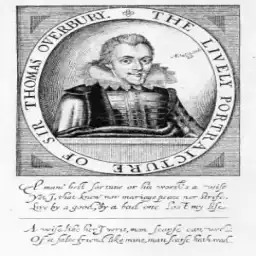
- The Victim: Sir Thomas Overbury, a brilliant but arrogant poet and political advisor.
- The Mastermind: Frances Howard, a ruthless teenage countess desperate to marry Overbury’s best friend.
- The Method: A slow assassination using a cocktail of deadly chemicals smuggled into the Tower of London in sweet pastries, ending with a fatal poisoned enema.
- The Injustice: Four commoners were executed for the crime, while the wealthy aristocrats who ordered the hit were ultimately pardoned by the King.
The Ultimate Power Couple: Carr and Overbury
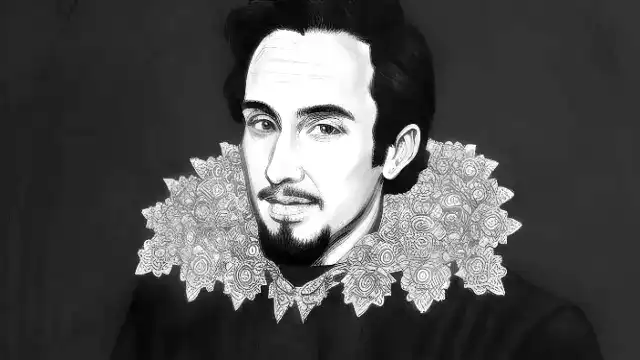
To understand why a man gets poisoned with a heavy metal enema, you have to understand who he angered.
In the early 1600s, King James I sat on the English throne. He was notorious for elevating handsome young men to positions of immense state power. His absolute favorite was a Scottish courtier named Robert Carr.
Carr was gorgeous, charming, and highly favored by the monarch. However, he wasn’t particularly smart. He lacked the political genius required to survive the snake pit that was the Jacobean court. That is exactly where Sir Thomas Overbury stepped in.
Overbury was a fiercely intelligent lawyer, essayist, and poet. He befriended Carr and essentially became the brains behind the beauty. Overbury managed Carr’s political affairs, wrote his letters, and guided his rise to the top. By 1611, Carr held the ear of the King, meaning Overbury secretly held the reins of the entire country.
They were an unstoppable duo. That is, until a teenage girl shattered their alliance entirely.
Enter the Femme Fatale: Frances Howard
Frances Howard belonged to the terrifyingly powerful Howard family. They operated like a 17th-century mafia. Her great-uncle, the Earl of Northampton, ruthlessly sought out political dominance at any cost.
Frances was born into a world where women were treated as political chess pieces. At age 14, her family married her off to the 13-year-old Earl of Essex. Because they were so young, Essex was immediately sent away to tour Europe for a few years.
While her husband was gone, Frances grew up. She blossomed into a beautiful, headstrong young woman embedded in the vibrant, scandalous life of the royal court. By the time her husband returned to claim his bride, she wanted absolutely nothing to do with him.
Why? Because she had locked eyes with the King’s golden boy: Robert Carr.
The two fell into a passionate, dangerous affair. The Howard family actively encouraged this illicit romance. If Frances could ditch her current husband and marry Carr, the Howards would effectively control the King’s favorite. It was a massive power grab.
There was just one giant obstacle standing in their way. Sir Thomas Overbury hated this plan.
The Feud That Turned Fatal

Overbury was a highly possessive friend. He knew that if Carr married Frances, the Howard family would replace him as Carr’s top advisor. Overbury’s entire career depended on his exclusive influence over the golden boy.
He didn’t just quietly object. He practically screamed his opposition. Overbury openly mocked Frances, calling her terrible names and threatening to expose all their dirty secrets. He even wrote a popular poem titled A Wife, which described the ideal, virtuous woman. Everyone in court knew it was a direct, humiliating insult aimed right at Frances Howard.
Frances was infuriated. She realized Overbury possessed the power to destroy her reputation and block her future marriage. She couldn’t let that happen. Overbury had to be neutralized.
The Golden Trap
How do you get rid of the second most powerful man in the kingdom? You use the King.
Frances and her powerful uncle convinced King James I to offer Overbury a highly prestigious job: the Russian Ambassadorship. It sounded like an incredible promotion. In reality, it was a gilded cage designed to exile Overbury far away from Carr.
Overbury saw right through the trick. He flatly refused the King’s offer.
This was a colossal mistake. You simply did not say no to King James. Outraged by his absolute arrogance, the King ordered Overbury to be thrown into the Tower of London on April 21, 1613, for “contempt.”
Overbury confidently packed his bags. He assumed Carr would cool the King’s temper and secure his release within a few days. He had no idea he would never walk out of that fortress alive.
The Divorce of the Century
With Overbury locked safely behind thick stone walls, Frances moved to officially end her marriage to the Earl of Essex.
Divorce wasn’t really an option in 1613. She needed an annulment. To get one, she boldly claimed her husband was entirely impotent and that she was still a pure virgin. Essex pushed back furiously, stating he functioned just fine, but that Frances had cruelly refused to sleep with him.
The trial became the hottest gossip in Europe. The public literally ate it up. To prove her wild claims, Frances submitted to an extremely humiliating physical examination by a panel of matrons and midwives. Surprisingly, they declared her hymen intact. (Rumors exploded that she had smuggled another young, veiled woman in to take the exam for her).
Amidst whispers of black magic, witchcraft, and satanic hexes, the King intervened. James I granted the annulment. Frances was finally free to marry Carr.
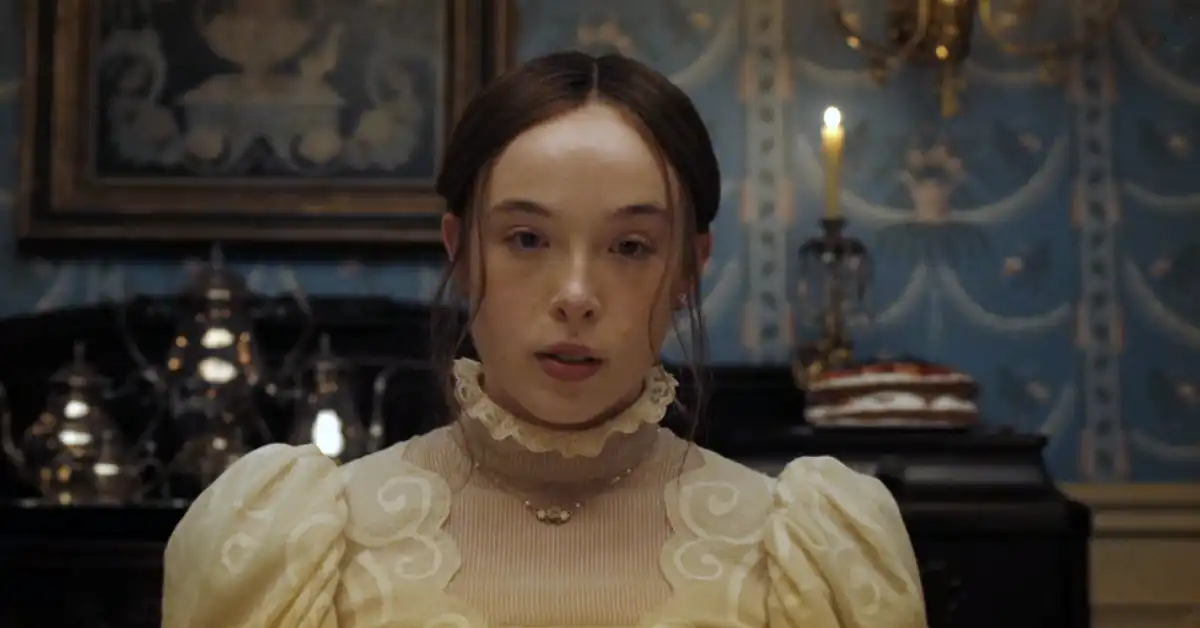
But Frances knew her victory was fragile. Overbury was still sitting in the Tower. What if Carr felt guilty and tried to free his old friend? What if Overbury leaked the explicit details of their adultery to the public?
Imprisonment was no longer enough. Frances needed Overbury dead.
The Menu of Death: Smuggling Poison into the Tower
Assassinating a high-profile prisoner inside the Tower of London required serious coordination. Frances Howard assembled a covert squad to pull off the hit.
First, her family used their massive influence to fire the honest Lieutenant of the Tower. They replaced him with Sir Gervase Elwes, a man who owed his new job entirely to the Howards. Next, Frances hired a shady apothecary named Franklin to supply the drugs, and a confidante named Mrs. Anne Turner to organize the delivery. Finally, they bribed a jailer named Richard Weston to directly serve Overbury his meals.
The agonizing poisoning campaign began in May 1613.
They didn’t just use one simple toxin. They hit him with a horrific chemical buffet. Historical records show they laced his food with arsenic, nitric acid, and mercury sublimate. They baked toxins into delicious fruit jellies and sweet tarts.
Can you imagine the betrayal? Overbury would receive these luxury baked goods, thinking Carr was secretly sending them to comfort him. Instead, every bite destroyed his internal organs.
Overbury suffered terribly. He spent months vomiting, sweating, and writing desperate letters to Carr, begging for help. Carr’s exact role remains highly debated. Did he know Frances was slowly melting his best friend’s stomach? Or was he simply too cowardly to cross the King and demand Overbury’s release?
By early September, Overbury’s tough constitution was somehow still fighting off the poison. Frances grew incredibly impatient. She wanted this messy business finished before her wedding day.
On September 14, they abandoned the slow approach. The conspirators delivered a highly concentrated dose of corrosive sublimate via a medicinal enema. The intense chemical burned through Overbury’s intestines. He died in sheer agony a few hours later.
To hide the suspicious state of his body, the jailers quickly wrapped him in a sheet and buried him privately in the Tower chapel.
A Brief Happily Ever After
For two years, Frances and Robert Carr lived the dream.
Just three months after Overbury was buried, the couple married in a staggeringly lavish royal ceremony. Carr was promoted to the Earl of Somerset. They stood at the absolute pinnacle of English society. No one asked questions about the sudden, foul-smelling death of the annoying poet in the Tower.
But Jacobean court politics were notoriously fickle. By 1615, King James I had grown bored of Carr. A new, stunningly handsome favorite had caught the monarch’s eye: George Villiers, the future Duke of Buckingham.
As Carr’s influence faded, his political enemies pounced. They started digging into the old rumors surrounding Overbury’s convenient demise. A government official named Sir Ralph Winwood managed to trick Sir Gervase Elwes, the Tower Lieutenant, into confessing what he knew about the poisoned tarts.

The dam broke. The secret was out.
The Trial That Rocked England
When King James realized his former favorite was implicated in a brutal murder, he panicked. He ordered Sir Francis Bacon to launch a massive, highly publicized investigation.
The lower-class conspirators fell first. Richard Weston, Mrs. Turner, Franklin the apothecary, and Sir Gervase Elwes were all dragged into the legendary Old Bailey courtroom. They pointed fingers at each other, but the evidence of the poisoned jellies was overwhelming. All four were found guilty and brutally hanged.
Then came the main event. In May 1616, the Earl and Countess of Somerset faced a jury of their peers.
Frances Howard, completely broken and terrified, pled guilty. She sobbed in the courtroom, admitting she orchestrated the murder but begging for mercy.
Robert Carr, however, stubbornly pled innocent. He claimed he had absolutely no knowledge of his wife’s murderous baking hobby. The jury didn’t buy it. Both aristocrats were convicted of murder and officially sentenced to hang by the neck until dead.
The Ultimate Double Standard
If you expect justice to prevail, history is going to disappoint you.
King James I couldn’t stomach the idea of executing his former lover. He also deeply feared what Carr might blurt out on the scaffold about the King’s own private life. So, James exercised his royal power.
He pardoned both Frances Howard and Robert Carr.
While the working-class accomplices rotted in their graves, the aristocratic masterminds who planned the entire assassination were allowed to live. They spent a few comfortable years locked in the Tower before retiring entirely to a quiet country estate.
The Overbury scandal severely damaged the reputation of King James I. The public was deeply disgusted by the blatant corruption. It proved that in the Stuart court, the law simply did not apply to the rich and beautiful.
This dark chapter of British history remains a captivating case study of ambition, toxic friendships, and the deadly lengths people will go to protect their secrets. Sir Thomas Overbury thought his sharp mind made him untouchable. He severely underestimated the ruthless determination of a teenage girl armed with an arsenal of arsenic.
If you want to dive deeper into the wild rumors of witchcraft and the intense annulment trial of Frances Howard, check out Love, Poison, and Witchcraft: The Frances Howard Affair. This detailed historical video breaks down exactly how the Jacobean court’s golden couple orchestrated England’s first massive celebrity crime.
What are your thoughts on this historic true crime? Do you think Robert Carr actually knew his wife was poisoning his best friend, or was he just an oblivious pawn? Drop your theories in the comments below!

