

Charles Hatfield the Rainmaker: Did His Secret Recipe Cause San Diego’s 1916 Flood?
Be careful what you wish for. It’s a cliché because it’s true, and nowhere is that truth wetter, messier, or more tragic than in the story of Charles Hatfield.
Picture San Diego in 1915. It wasn’t the lush, palm-tree-lined paradise you see on postcards today. It was a dusty, parched town on the edge of a nervous breakdown. A brutal drought had choked the region for years. Reservoirs were turning into mud puddles. Crops were dying in the fields. The city was hosting the massive Panama-California Exposition to show off to the world, but they were running out of water to flush the toilets.
Desperation makes people do strange things. In this case, it made the San Diego City Council hire a sewing machine salesman who claimed he could hack the sky.
Enter Charles Hatfield. He wasn’t a meteorologist, a “pluviculturist” a fancy word for a rainmaker. He promised to fill the Morena Reservoir to the brim. The City Council shook his hand.
Weeks later, San Diego was underwater. Bridges collapsed, dams burst, and houses floated out to sea.
So, did Hatfield actually pull it off? Did a man with a secret chemical cocktail summon a storm that killed over a dozen people? Or was he just the luckiest and unluckiest con artist in history?

The Man With the Secret Recipe
Who was this guy? Before he was a local legend (or villain, depending on who you ask), Charles Hatfield was just a sewing machine salesman. But he had a hobby.
He was obsessed with “pluviculture,” the pseudo-science of making rain. He spent his nights in his kitchen, mixing chemicals, reading books on meteorology, and probably annoying his neighbors with weird smells. By 1904, he claimed he had cracked the code. He had a secret formula a blend of 23 chemicals that, when evaporated into the air, would magnetically attract rain clouds like ants to a picnic.
This sounds wild to us now. However, in the early 20th century, science was moving so fast that magic seemed plausible. We had just invented airplanes and radio. Why not weather control?
Hatfield started small. He bet Los Angeles farmers he could bring rain. He won, traveled up and down California, taking bets and “making rain” for 18 years, had a success rate that was hard to argue with.
Consequently, when San Diego got desperate, they knew exactly who to call.
The Deal That Sank the City
In December 1915, Hatfield walked into the San Diego City Council chambers. He was confident, dressed in a sharp suit. He looked the part.
Offered the city a deal. He wouldn’t charge a cent upfront. It was a classic “no cure, no pay” contract.
- The Goal: Fill the massive Morena Reservoir.
- The Price: $10,000 (about $300,000 in today’s money).
- The Catch: If it didn’t rain, the city paid nothing.
The Council members looked at the dry sky. They looked at the empty reservoir. They figured they had nothing to lose. One councilman reportedly laughed and told Hatfield he’d even pay for the rain himself if it actually happened.
It was a verbal agreement. No papers were signed. That detail would become very important later.
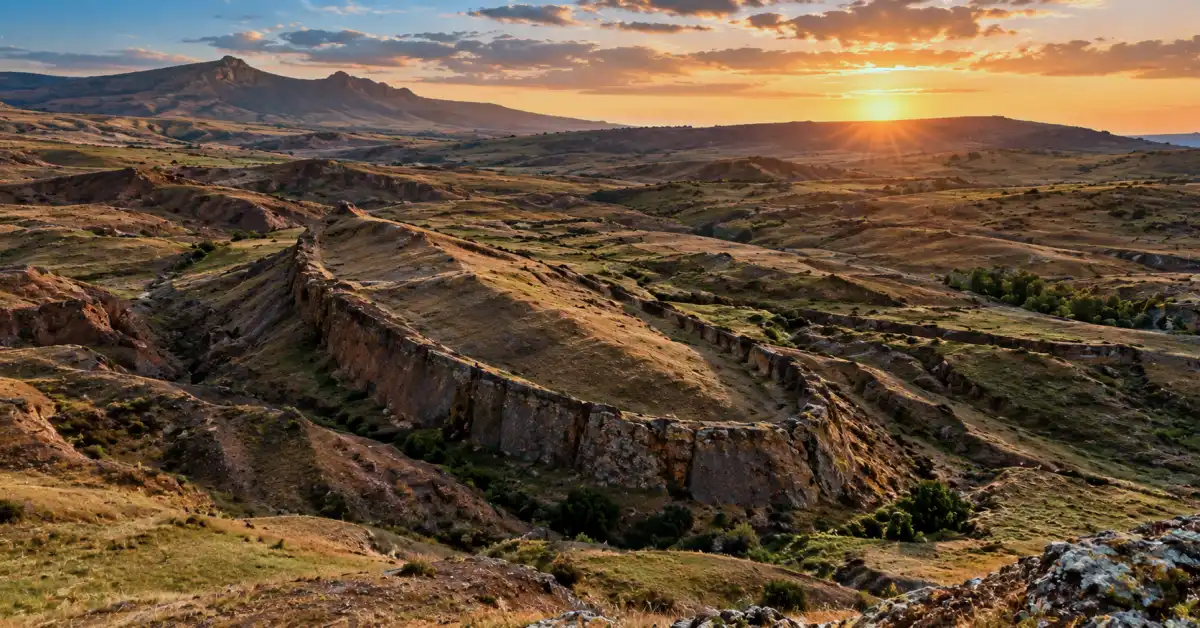
The Tower of Doom
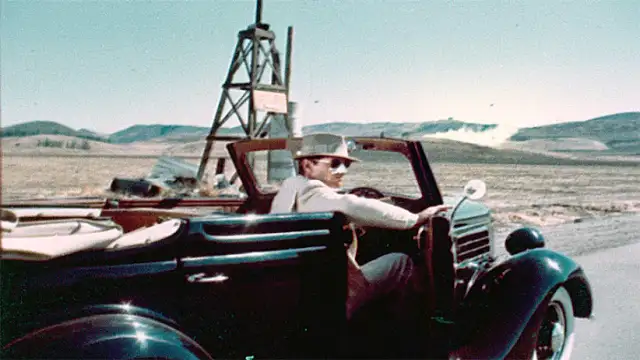
Hatfield didn’t waste time. He and his brother, Paul, headed out to the Morena Reservoir, located about 60 miles east of the city.
They built a 20-foot wooden tower near the water’s edge. On top of this structure, they set up heavy galvanized trays. This was the kitchen for his chaos.
On January 1, 1916, Hatfield began his ritual. He poured his secret mixture smelling of sulfur and bad decisions into the trays and set them on fire. Gray smoke curled up into the blue, cloudless sky.
The locals watched. The skeptics laughed.
Then, on January 5th, the first drop fell.
The Deluge Begins
At first, everyone was thrilled. A gentle rain began to soak the parched earth. Farmers cheered. The newspapers ran headlines celebrating the miracle. The reservoir levels started to creep up.
But then, it didn’t stop.
The gentle rain turned into a downpour. The downpour turned into a torrent. For days, the skies opened up with a violence San Diego had rarely seen.
By January 10th, the cheers had stopped. The ground was saturated. Creeks were turning into raging rivers.
Hatfield, meanwhile, was still up at the dam, stirring his chemicals. The city tried to get a message to him: “Okay, that’s enough! You can stop now!”
But the telephone lines were down. The roads were washing away. Hatfield was cut off.
The Second Storm
There was a brief pause in mid-January. People started to clean up the mud. But the barometer dropped again. A second storm slammed into the coast on January 26th, and this one was a monster.
This wasn’t just rain. It was a catastrophe.
- The San Diego River jumped its banks, turning Mission Valley into a lake.
- The Sweetwater Dam overflowed, damaging its wings.
- Railroad tracks were twisted like pretzels, cutting the city off from Los Angeles.
However, the worst was yet to come.
The Lower Otay Dam Failure
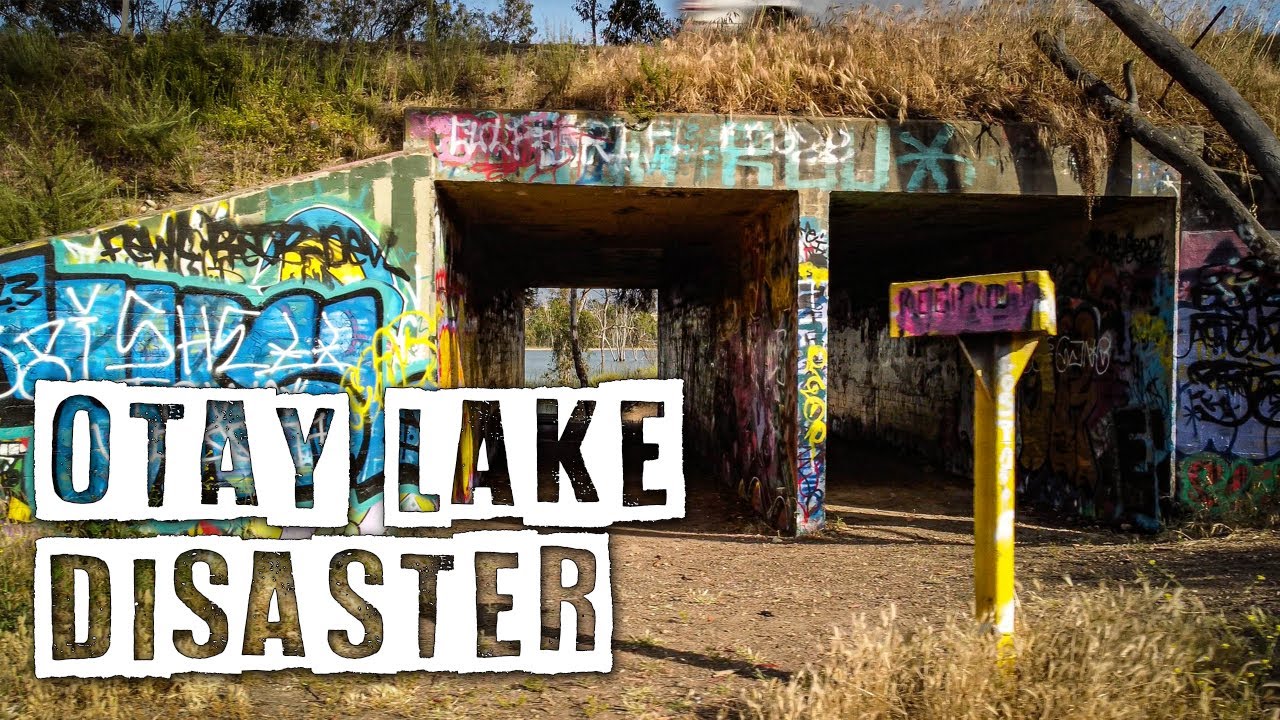
On January 27th, the unimaginable happened.
The Lower Otay Dam, a rock-fill structure south of the city, was holding back billions of gallons of water. The pressure became too much.
Witnesses described a sound like a cannon blast.
The dam simply disintegrated. A wall of water some say 40 feet high roared down the canyon. It was a liquid bulldozer. It smashed through trees, barns, and homes. wiped out the immense Japanese immigrant farming settlement in the valley below.
The water moved so fast that people didn’t have time to run. They climbed trees. They scrambled onto roofs. But the flood took everything.
The Toll:
- Deaths: Officially, around 20 people died. Unofficially, historians estimate the number could be as high as 50, as many bodies were washed out to sea and never recovered.
- Damage: Millions of dollars in property (hundreds of millions today).
- San Diego: Totally isolated. The telegraphs were dead. The trains were stopped. The roads were gone. For a few days, the Navy had to bring in supplies by sea.
The Lawsuit: Act of God or Act of Hatfield?
When the waters finally receded, Charles Hatfield walked into the city, mud on his boots, expecting his check.
“I filled the reservoir,” he essentially said. “Where is my $10,000?”
The mood in the city had shifted from “desperate” to “murderous.” People had lost their homes. Families had lost loved ones. There were reportedly vigilantes looking to hang the Rainmaker from the nearest lamp post.
The City Council was in a bind.
- If they paid Hatfield, they were admitting he caused the rain. If he caused the rain, the city (his employer) was liable for the millions of dollars in flood damages.
- If they didn’t pay him, they were breaking their deal.
So, the city lawyers came up with a brilliant, if slippery, legal defense. They told Hatfield that the flood was an “Act of God.”
They argued that no human could summon that much water. Therefore, Hatfield didn’t do it. And if he didn’t do it, they didn’t owe him a dime.
The Ultimatum:
The city told Hatfield: “We will pay you the $10,000. But first, you have to sign a document accepting full legal responsibility for all the damages caused by the flood.”
The damages were worth roughly $3.5 million. The check was for $10,000.
Hatfield did the math. He realized he had been checkmated. He packed his bags and fled town quickly, disappearing before the angry mobs could find him.
The Science: Did He Actually Do It?
This is the question that has haunted San Diego for over a century. Was it magic, science, or coincidence?
The Case for Coincidence
Modern meteorologists are pretty sure Hatfield was a fraud—or at least, incredibly lucky.
We now know that the 1916 flood was caused by an atmospheric phenomenon. Today, we call it an Atmospheric River (specifically, a “Pineapple Express”). This is a massive plume of moisture stretching from Hawaii to the West Coast.
When these systems hit, they dump catastrophic amounts of rain regardless of whether someone is burning chemicals on a tower. Hatfield just happened to set up his shop right before a massive El Niño event triggered these storms.
The Case for “Maybe?”
However, weather modification isn’t fake. Cloud seeding is a real thing used today. It involves releasing silver iodide into clouds to encourage condensation.
Hatfield’s secret formula remains a mystery (he took it to his grave), but reports suggest it contained formaldehyde and zinc. While early, could he have accidentally stumbled upon a crude form of cloud seeding?
Most scientists say no. Ground-based cloud seeding is tricky even with modern tech. Doing it with a pot of boiling chemicals in 1916 is unlikely to have caused a storm that big.
He was likely a skilled amateur weatherman. He probably read the barometric pressure, saw a massive storm coming, and timed his “contract” perfectly to take credit for what nature was about to do anyway.
The Legacy of the Rainmaker
![The Rainmaker (1956) ORIGINAL TRAILER [HD]](https://www.gsnsp.com/wp-content/cache/flying-press/bf31ffa6f53020d8bf04f716da1f7766.jpg)
Charles Hatfield didn’t stop raining. He continued his business for years, although the San Diego incident made him infamous. He eventually died in 1958, taking his secret formula with him.
The story became a legend. It inspired the movie The Rainmaker (1956) with Burt Lancaster. It’s etched into San Diego folklore.
But the physical scars remain, too. If you hike around Lake Morena today, you can still find the concrete foundations where his tower once stood.
In the end, the story of Charles Hatfield teaches us a lesson about humanity. We want to control nature, want to pay a man to fix the drought. We want easy solutions. But nature is wild, unpredictable, and much more powerful than a man in a suit with a bucket of chemicals.
San Diego got its water. But the price was much higher than $10,000.
What Do You Think?
Was Charles Hatfield a scientific genius who lost control of his experiment, or was he the luckiest con man in American history?
Drop a comment below and let us know if you believe in weather modification!

