

Lost Colony of Roanoke: What Happened? Truth, Mystery & Myths
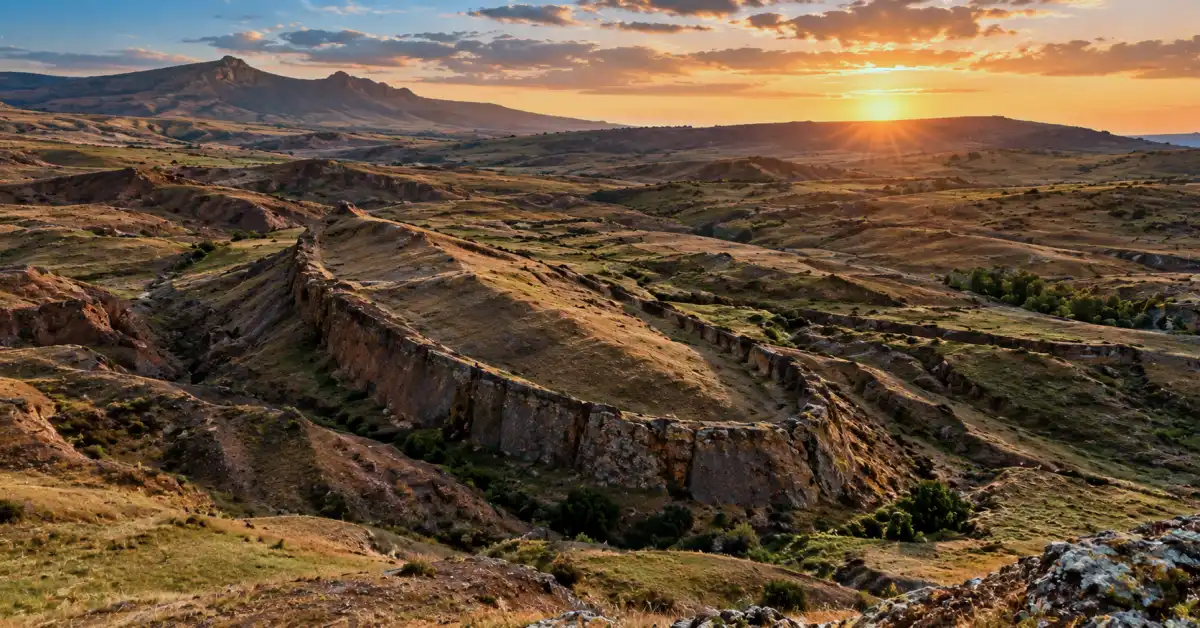
You know the story. It’s the original American ghost story. 115 settlers land on Roanoke Island in 1587, their leader leaves for supplies, and when he returns three years later poof. Gone. No bodies, no struggle, just a cryptic word carved into a wooden post: CROATOAN.
For over 400 years, we’ve treated this like a supernatural thriller. Did aliens take them? Did they get swallowed by a swamp? Or maybe the ground just opened up?
Here is the reality check: The “Lost Colony” was never actually lost.
Recent archaeological breakthroughs in 2024 and 2025 have effectively cracked the case. We aren’t guessing anymore; we are looking at hard evidence. From broken pottery in a North Carolina field to copper rings on Hatteras Island, the dirt is finally talking. And it’s saying something very different from the spooky campfire stories you grew up with.
So, let’s cut through the myths and look at the science. Here is what actually happened to the men, women, and children of Roanoke.
The “Croatoan” Clue: Not a Riddle, But a Road Map
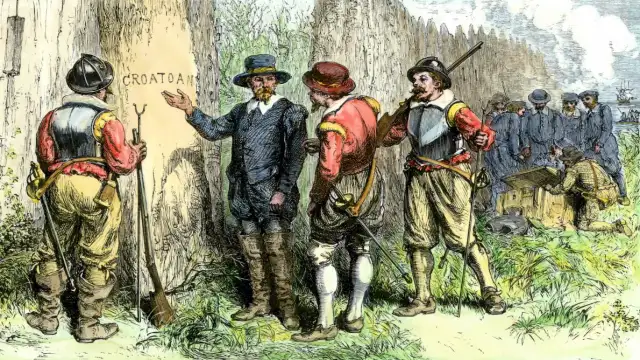
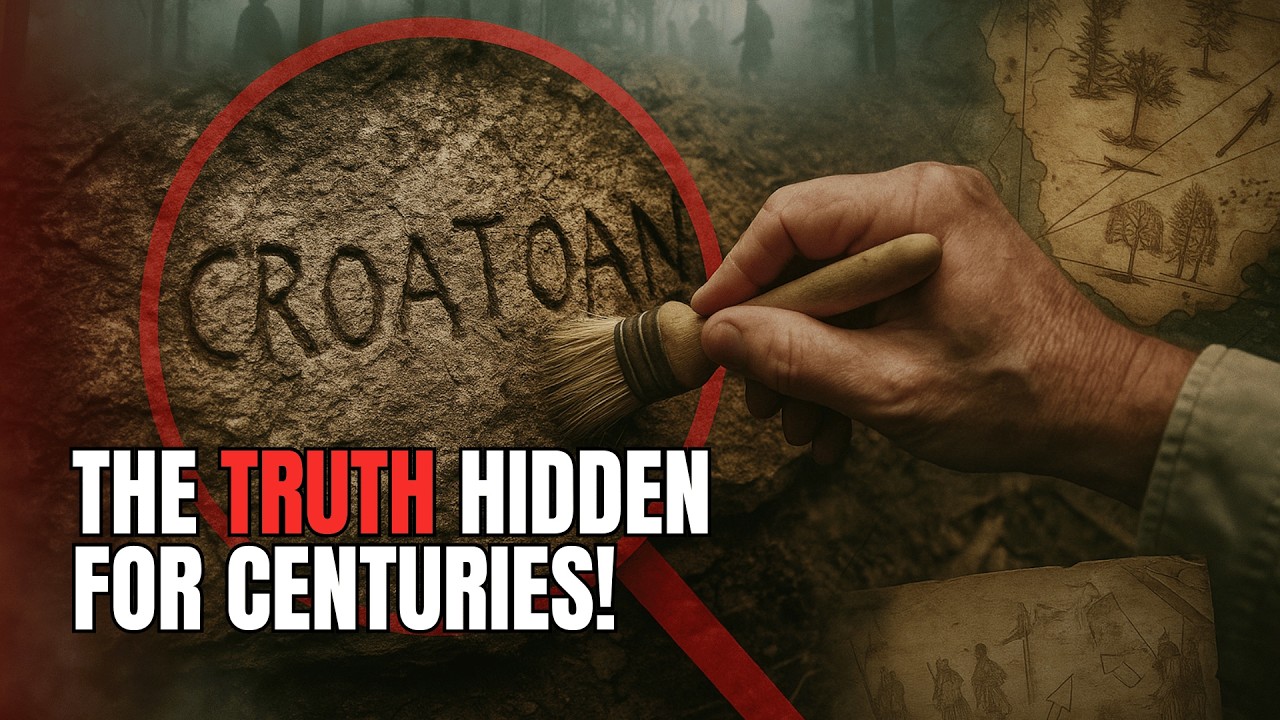
Let’s start with the most famous clue in American history. When Governor John White returned to Roanoke in 1590, he found the settlement dismantled and the word “CROATOAN” carved into a palisade post.
Pop culture loves to paint this as a terrifying mystery. Supernatural TV shows and horror movies treat it like a curse word.
But it was just an address.
Before White left for England in 1587, he and the colonists had a plan. If they had to move, they would carve their destination into a tree or post. If they were in danger, they agreed to carve a Maltese Cross above the name.
Guess what John White found?
- The destination: Croatoan.
- The distress signal: Zero. No cross.
Croatoan wasn’t a magic word; it was the name of the friendly Indigenous tribe living on what is now Hatteras Island, just 50 miles south. White himself wrote that he was “greatly joyed” to see the sign because he knew exactly where they were. He didn’t freak out about ghosts; he tried to sail there. The only reason he didn’t make it? A massive hurricane broke his anchor chain, forcing him to return to England.
The mystery isn’t where they said they were going. The mystery is why we ignored them for four centuries.
The Hard Evidence: Digging Up the Truth
You can’t argue with trash. Archaeology is basically digging through other people’s garbage, and the trash piles in North Carolina are proving the colonists split up and survived.
The Hatteras Connection (The Assimilation Theory)
For decades, locals on Hatteras Island claimed they were descendants of the “Lost” colonists. They had grey eyes, English surnames, and used Elizabethan words. Historians scoffed.
Then came the Croatoan Archaeological Society.
Led by local researcher Scott Dawson and a team of archaeologists, they started digging on Hatteras. What they found changes everything. In the middle of Native American villages dating to the late 16th century, they unearthed:
- English copper rings
- Sword handles
- Slate writing tablets (with lead pencils!)
- Gun hardware
These weren’t just trade items. You don’t trade a slate tablet to someone who doesn’t write. These items show that English families were living with the Croatoan people. They didn’t vanish; they moved in with the neighbors.
Site X and Site Y: The Inland Split
But wait, there’s more. Not everyone went to the beach.
The First Colony Foundation has been investigating a different theory: that a group of colonists moved 50 miles inland, into the Albemarle Sound area. This search began with a “hidden map.” In 2012, experts looked at John White’s original watercolor map, La Virginea Pars, and found a patch hidden over the paper. Under the patch? A symbol for a fort.
They went to that spot (dubbed Site X) and found verified Elizabethan pottery.
Recently, they moved to a nearby location called Site Y (near the Chowan River). The findings there were even more convincing. They discovered fragments of Surrey-Hampshire Border Ware, a specific type of ceramic used by English settlers in the late 1500s.
This suggests a Split Scenario:
- One group (likely the majority) went south to live with their allies, the Croatoan (Hatteras).
- A smaller group moved inland to Site X/Site Y, possibly to wait for White closer to the mainland.
The Dare Stones: Hoax or History?
If you dive deep into Roanoke lore, you will hit the Dare Stones. This is where things get messy.
In 1937, a tourist “found” a 21-pound quartz stone near the Chowan River. It bore a carving, supposedly from Eleanor Dare (mother of Virginia Dare, the first English child born in America). The message claimed her husband and child were dead and asked that the stone be taken to her father.
Is it real?
Surprisingly, maybe.
- The First Stone (Chowan River Stone): Recent studies by geologists and historians like David La Vere suggest the weathering in the grooves is genuine and the linguistic style matches the era. It could be authentic.
- The Other 47 Stones: After the first stone appeared, a stonecutter named Bill Eberhardt suddenly “found” 40+ more stones telling a wild, soap-opera story of the survivors trekking across Georgia. These are universally considered fake.
So, while 98% of the stones are frauds, that very first one might be a legitimate tombstone for the inland group.
The Genetic Legacy: The Lumbee Connection
If the settlers assimilated, where are their great-great-great-grandkids?
They are likely walking around North Carolina right now. The Lumbee Tribe of North Carolina has maintained oral histories for centuries claiming descent from the Roanoke settlers. Surnames like Berry, Dare, and regular English names appear frequently in their lineage.
While no “smoking gun” DNA test has definitively linked a specific modern person to a specific Roanoke colonist (mostly because we don’t have the colonists’ DNA to compare against), the genetic footprint is there. Studies of the Lumbee and other local groups show a mix of Native American, European, and African ancestry that predates reliable records of later English arrival.
Why We Love the Mystery (And Ignore the Truth)
Why do we keep saying they are “lost”?
Because “They moved in with the Native Americans and lived normal lives” isn’t a scary story. In the 1930s, an outdoor drama called The Lost Colony started running in Manteo. It was a massive hit. It branded the story as a “mystery” to sell tickets.
Furthermore, 19th-century historians had a hard time accepting that English settlers would voluntarily join Indigenous tribes. It didn’t fit the narrative of “civilized” Europeans vs. “savages.” So, they invented myths about massacres or supernatural disappearances.
The Final Verdict
The “Lost Colony” is a myth. The Roanoke Migrants is a fact.
The evidence from 2024 and 2025 paints a clear picture: The colonists realized help wasn’t coming. They looked at their dwindling supplies, checked their “Plan B,” and split up. One group went to Hatteras to live with friends. Another went inland. They married, had kids, and became part of the fabric of early America.
They didn’t disappear. We just stopped looking for them in the right places.
Want to See for Yourself?
If you are ever in the Outer Banks, skip the ghost tours. Visit the Frisco Native American Museum on Hatteras Island to see the artifacts yourself. Walk the grounds of Fort Raleigh, but remember: that’s where they left, not where they stayed.
History is rarely as silent as we think you just have to know how to listen.

